
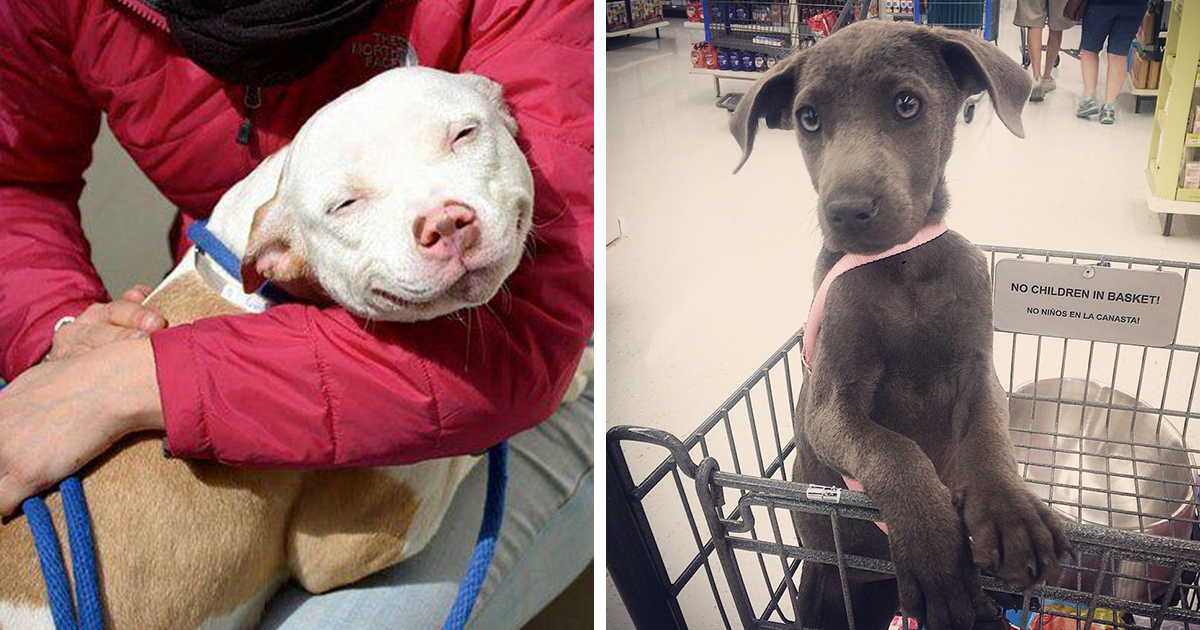
If you have ever seen a giant photo roundup of newly adopted dogs and thought, “Well, that’s it, I’m getting a dog,” you are not alone. There is something wildly persuasive about an adoption-day face. Some dogs look like they just won the lottery. Some look confused. Some look like tiny furry CEOs who have already decided where they’ll sleep (your bed, obviously). And some look so relieved that the photo almost tells a whole story by itself.
That is exactly why “first day of adoption” dog photos are so powerful: they capture the emotional handoff between uncertainty and safety. But the best part is thisbehind every cute photo is a real, practical process that helps that happy moment turn into a successful forever home. In other words, the photo is the trailer. The routine, patience, and care are the full movie.
This article breaks down why adoption-day photos hit us so hard, what a dog is actually experiencing in those first hours, and how to adopt responsibly so your own “first day” photo becomes the beginning of a great life together. We’ll also cover the first-week checklist, health and safety basics, and the common first-day experiences adopters talk about (including the classic “my dog ignored the expensive bed and slept on one sock” moment).
Why First-Day Adoption Dog Photos Are So Irresistible
Adoption-day photos work because they show immediate emotional contrast. A dog goes from shelter stress, transport, or foster transition to a new home, a new person, and a new chance. Even when the dog is nervous, you can see possibility in the picture. That emotional tension is what makes people stop scrolling.
There is also a second reason these photos are so effective: they make adoption feel real and doable. A polished puppy ad can feel distant. A slightly awkward photo of a rescue dog in a car seat with a new tag on its collar feels human. It says, “This is not a commercial. This is a real family on day one.”
And yes, the internet loves a transformation story. But the healthiest version of that story is not “I adopted a dog and everything was perfect in 30 seconds.” It is: “I adopted a dog, gave them space, built trust, and now they’re thriving.” That version is less flashy and much more helpful.
What Day One Feels Like for Your New Dog
Here is the big thing many first-time adopters do not realize: your dog may be happy and overwhelmed at the same time. New smells, new people, new sounds, new rules, new floors, new food bowls, and maybe a new neighborhood? That is a lot. Even the most social dog may need time to decompress.
That is why many shelters, vets, and pet-care organizations recommend a slow start and a predictable routine. Think calm, not chaos. Your dog does not need a “welcome home party” on day one. Your dog needs a quiet place, fresh water, a chance to sniff, and a human who is patient enough not to take the nervous behavior personally.
The 3-3-3 Guideline (Your New Best Friend)
A common framework for newly adopted pets is the 3-3-3 guideline: the first 3 days, first 3 weeks, and first 3 months. It is not a strict rulebook, but it is a super useful expectation reset.
First 3 days: your dog may be shy, tired, unsure, clingy, or extra quiet. Some dogs hide. Some pace. Some skip meals. Some act like they have always lived there and immediately claim the couch. All of these can be normal. The goal is decompression, not performance.
First 3 weeks: your dog starts learning your routine. This is where consistency matters: feeding times, potty breaks, walks, sleep location, and basic boundaries. This is also where many adopters say, “Okay, now I’m seeing their real personality.”
First 3 months: trust deepens. Your dog begins to understand what to expect, and you start understanding what your dog needs. Training gets easier because communication gets clearer. This is when your day-one photo turns into an actual relationship.
Before You Adopt Because “That Face!”
Yes, the face matters. We are only human. But a successful dog adoption starts with matching your life to the dog’s needs, not just your camera roll to a cute snout.
Ask the unglamorous questions first
- How much time can you realistically give a dog each day?
- Does your housing allow dogs, and are there breed/size rules?
- Can you afford food, training, supplies, and veterinary care?
- What energy level fits your routine: couch buddy, hiking partner, or chaotic tennis-ball machine?
- Do you have other pets, and how will introductions be handled?
This step is not boring; it is the secret to a happy adoption. A great match prevents returns and reduces stress for everyone. A dog is not a lifestyle accessory. A dog is a daily relationship with fur, opinions, and a suspicious interest in your sandwich.
Prep your home before pickup day
Set up a dedicated safe area before your dog arrives. This can be a quiet room, a crate (if you use one), or a corner with a bed and water. Remove hazards like exposed cords, toxic plants, chewable clutter, and easy escape routes. Baby gates can be incredibly helpful, especially for the first week.
Have the basics ready: food and water bowls, leash, secure collar, ID tag, bed, poop bags, treats, and a few dog-safe toys. If your dog is microchipped, make sure registration information is updated right away. If not, ask your shelter or veterinarian about microchipping.
Your First Day Adoption Checklist
Here is the practical playbook for a smooth first day at home with a newly adopted dog:
1) Keep the arrival low-key
Skip the crowd. Skip the house tour with eight neighbors. Skip the “surprise!” energy. Let your dog enter, sniff, and settle. Calm voices and simple movements go a long way.
2) Start with one safe area
Many experts recommend limiting space at first. A smaller, predictable area helps dogs feel secure and prevents them from getting overwhelmed. It also helps you supervise and reduce accidents while your dog learns the new environment.
3) Begin a routine immediately
Dogs thrive on consistency. Feed around the same time, take potty breaks on a schedule, and keep walks calm and predictable. Routine builds trust because your dog starts learning, “Oh, I know what happens next here.”
4) Introduce people and pets gradually
If you have another dog, do introductions thoughtfully and slowly. Neutral ground or parallel walking can help. If you have children, coach them to give the dog space and let the dog approach first. Day one is not the day for full-contact cuddle campaigns.
5) Expect some weird behavior
Your dog may not eat right away. They may drink a lot of water. They may sleep hard. They may have an accident even if they are house-trained. They may stare at a lamp like it owes them money. All of that can happen during decompression.
The First Week: Health, Safety, and Smart Habits
The first week is when adorable meets adult responsibility. The good news? You do not need to do everything at once. You just need to do the important things in a sensible order.
Book a veterinary visit early
A wellness exam soon after adoption is one of the best things you can do. It helps establish a health baseline, review vaccine and parasite prevention history, and catch issues that may not be obvious on day one. Bring any medical records from the shelter or rescue.
This early visit also helps your dog build a positive association with the vet before a stressful medical problem happens. That is a long-term gift to Future You.
Handle food safely
Food safety matters for pets and people. Store food correctly, keep bowls clean, and wash your hands after handling pet food or treats. If you use a container for kibble, keeping the food in its original bag inside the container is a smart move because it preserves the lot number and product info in case of a recall.
Also: if your dog acts like a furry vacuum cleaner, store treats somewhere secure. “He ate the entire treat bag” is a sentence many emergency vets have heard before, and nobody wants to star in that story.
Focus on observation, not over-scheduling
During week one, pay attention to: appetite, bathroom habits, energy level, sleep, coughing/sneezing, itching, and comfort around people. These patterns help you spot what is normal for your dog and what might need a vet call.
Keep outings simple. A calm walk and a few short positive interactions are better than a packed social calendar. Your dog does not need to “make friends” with every dog on the block in 48 hours.
Training on Day One: Build Trust, Not Fear
The best training advice for a newly adopted dog is wonderfully simple: reward what you want to see more of. Reward calm. Reward eye contact. Reward coming to you. Reward going potty outside. Reward tiny wins.
Reward-based training is not just a feel-good trend; it is the approach supported by veterinary behavior experts for both learning and welfare. A newly adopted dog is already processing a lot of change. Adding fear or harsh punishment can slow trust and create more stress.
Keep sessions short and easy. A few minutes is enough on day one. Think “relationship training,” not “boot camp.” Your goal is not a flawless dog by Friday. Your goal is a dog who feels safe learning with you.
Why Adoption Matters Right Now
Those 223 first-day adoption photos are not just cute internet content. They represent real pressure being relieved inside shelters and rescue networks. When one dog goes home, that opens space, time, and resources for another animal who needs help.
Recent U.S. shelter data shows both progress and ongoing challenges. Millions of pets are still entering shelters each year, and while adoptions remain a major lifeline, dog adoption trends are still uneven in many communities. That is why responsible adoption matters so much: a good match supports the dog, the adopter, and the broader shelter system.
In other words, adoption-day joy is not just personal. It is community-level impact wrapped in a leash and a slightly oversized collar.
How to Turn “I Want to Adopt One Too” Into the Right Next Step
If those adoption photos have you seriously considering a dog, that is a wonderful starting point. Just take the next step thoughtfully:
- Visit shelters and rescues with an open mind (not only one breed or color).
- Ask about temperament, energy, medical history, and home fit.
- Prepare your home before pickup day.
- Plan the first 72 hours to be calm and predictable.
- Schedule your first vet visit within the first week.
- Use positive reinforcement and patience while your dog adjusts.
And if you are not ready to adopt yet? Fostering, volunteering, donating supplies, or sharing adoptable dogs online can still help create more “first day” moments for dogs who need them.
of Real-World First-Day Adoption Experiences (The Part Everyone Relates To)
Ask a group of dog adopters what the first day was like, and you will hear a hilarious mix of joy, chaos, and “I hope I’m doing this right.” One person says their new dog jumped into the car like they had been waiting all week for this exact road trip. Another says their dog sat perfectly still in the back seat and watched every tree go by like a tiny philosopher processing the meaning of suburban life.
A lot of adopters describe the first hour at home as a sniffing marathon. The dog checks the front door, the couch, the kitchen, the hallway, the mysterious laundry basket, and then circles back to the same three spots like they are building a map. Some dogs pick a safe corner and rest. Others become unofficial home inspectors and audit every room. “Yes, this closet is acceptable. The bathroom rug is suspicious.”
Food is another funny one. Some newly adopted dogs eat immediately like they have been hired for a speed challenge. Others look at the bowl, look at you, and decide they would rather wait until midnight. New adopters sometimes panic and think something is wrong, but often the dog is just decompressing. The same goes for sleep. Some dogs pass out hard after the stress of transition. Others do little “security rounds” and wake up every time a floorboard makes a sound.
Then there is the first-night reality check. The photo from earlier in the day looked perfect: smiling human, happy dog, sunlight, maybe a bandana. By 10:37 p.m., the same household may be negotiating crate placement, potty timing, and whether squeaky toys should be illegal after bedtime. This is completely normal. The best adopters are not the ones with a flawless first night. They are the ones who stay patient when the first night is messy.
One of the most common “first day” experiences is the emotional flip that happens when the dog shows a tiny sign of trust. Maybe they take a treat gently. Maybe they lean on your leg. Maybe they finally fall asleep near your feet. That moment is usually small, but adopters remember it forever. It is the moment people realize, “Oh. This is really happening. We’re becoming a team.”
And yes, the funny stories keep coming. The dog who refuses the expensive bed and chooses a cardboard box. The dog who steals one shoe but leaves the pair. The dog who is afraid of the vacuum but not thunder. The dog who learns where the treat jar is faster than their own name. These little quirks are not problems to “fix” right away. They are clues to personality.
That is the magic behind those 223 adoption-day photos. They are not just snapshots of cute dogs. They are the first page of hundreds of different storiessome messy, some sweet, all meaningful. If you adopt with preparation, patience, and a sense of humor, your own first-day photo might become one of your favorite pictures for a very long time.
Final Thoughts
Adoption-day dog photos make people smile for a reason: they capture hope in real time. But the real win is what happens after the picturequiet routines, trust-building, vet care, safety, and lots of patient love. If you are thinking about adopting, let the photos inspire you, then let good preparation guide you. That is how “I want a dog” becomes “We found our dog.”














