
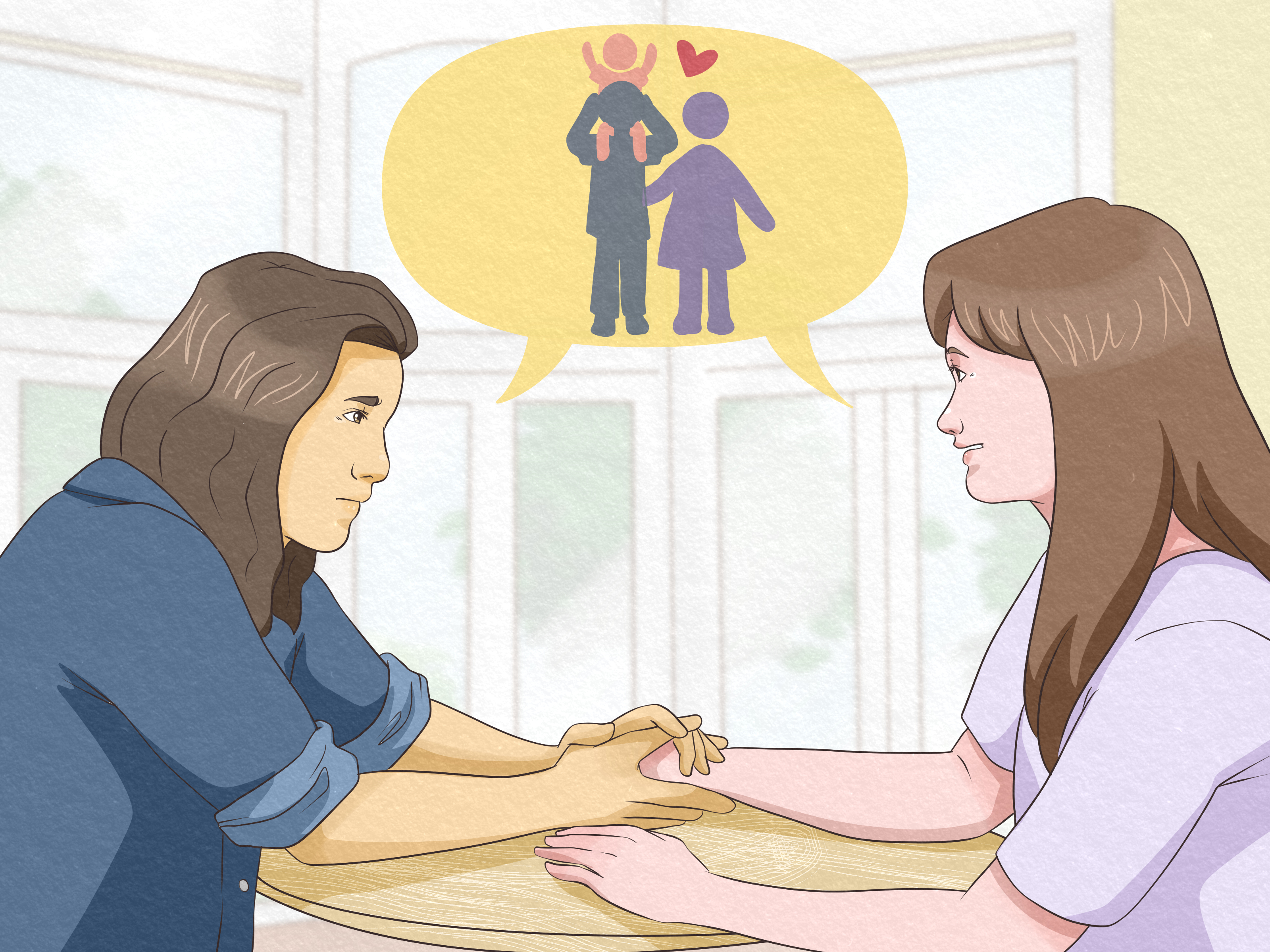
Note: This article uses “good wife” in the modern sense: an equal, respected, emotionally present partner who helps build a healthier marriage. It does not mean being silent, self-sacrificing, or responsible for fixing everything alone. A strong marriage requires effort from both spouses.
Being a good wife is not about wearing pearls while vacuuming, smiling through every disagreement, or pretending your husband’s “five-minute project” will not somehow become a three-day hardware store adventure. A healthy marriage is much more realisticand much more meaningfulthan that.
At its best, marriage is a partnership built on friendship, trust, kindness, respect, emotional safety, shared responsibility, and the ability to laugh when life gets weird. Learning how to be a good wife is really about learning how to be a good partner: someone who communicates honestly, supports growth, protects intimacy, and works through conflict without turning every disagreement into a courtroom drama.
Whether you are newly married, years into the journey, or trying to reconnect after a rough season, these practical marriage tips can help you improve communication, deepen emotional intimacy, and create a stronger relationshipwithout losing yourself in the process.
What Does It Mean to Be a Good Wife Today?
Being a good wife today is not about outdated stereotypes. It is about showing up with maturity, warmth, and intention. A good wife does not exist to manage everyone’s emotions, carry the entire household, or read minds like a romantic detective with a grocery list. She contributes to a marriage where both partners feel valued, heard, respected, and supported.
A strong wife is also a whole person. She has opinions, boundaries, goals, friendships, needs, and dreams. In a healthy marriage, those things are not threats; they are part of what makes the relationship richer. The goal is not perfection. The goal is partnership.
How to Be a Good Wife: 16+ Practical Tips for Improving Your Marriage
1. Build Friendship First
Romance is wonderful, but friendship is the furniture your marriage actually lives on. Be curious about your husband’s thoughts, worries, interests, and daily experiences. Ask real questions instead of only exchanging logistics like, “Did you pay the bill?” or “Why is there a sock in the fruit bowl?”
Try simple conversation starters: “What was the best part of your day?” “What has been stressing you lately?” or “What is something you are looking forward to?” Friendship grows when both people feel known, not just scheduled.
2. Communicate Clearly Instead of Hinting Dramatically
Hints are not communication; they are emotional charades. If you need help, affection, space, or reassurance, say so directly and kindly. Instead of saying, “Must be nice to relax,” try, “I am overwhelmed tonight. Could you handle the dishes while I take a break?”
Clear communication reduces resentment because your spouse does not have to solve a mystery before meeting your need. A good wife speaks honestly, but she also speaks with respect.
3. Listen to Understand, Not to Reload
Many couples listen just long enough to prepare a comeback. That may win a debate, but it rarely strengthens a marriage. Practice active listening by giving your full attention, reflecting what you heard, and asking clarifying questions before responding.
For example, say, “So you felt ignored when I looked at my phone during dinner?” This does not mean you automatically agree. It means you are trying to understand before defending yourself. That one habit can calm many arguments before they turn into emotional fireworks.
4. Appreciate the Small Things Out Loud
Gratitude is like emotional oxygen in marriage. Your husband may know you appreciate him, but hearing it still matters. Thank him for specific things: taking out the trash, making coffee, working hard, being patient with the kids, or making you laugh when your day was held together by caffeine and stubbornness.
Specific appreciation feels more meaningful than a generic “thanks.” Try, “I noticed you handled that call with the insurance company. I really appreciate it.” Small words can create big warmth.
5. Fight Fair When You Disagree
Conflict is normal. Cruelty is not. Healthy couples disagree without attacking each other’s character. Avoid name-calling, mocking, threats, eye-rolling marathons, and bringing up every mistake since 2017.
Use “I” statements when possible: “I feel unimportant when plans change without telling me,” rather than, “You never care about me.” Stay focused on the issue at hand. The goal is not to defeat your spouse; it is to solve the problem as a team.
6. Repair Quickly After Arguments
Every couple has tense moments. What matters is what happens afterward. A repair attempt can be as simple as, “I said that badly,” “Can we start over?” or “I love you, and I do not want us to keep hurting each other.”
Repair does not erase the issue, but it reopens the door. It reminds both partners that the relationship is more important than the argument. A good wife knows how to apologize sincerely and accept sincere apologies without turning them into another trial.
7. Protect Emotional Intimacy
Emotional intimacy grows when both spouses feel safe sharing hopes, fears, insecurities, and honest feelings. This kind of closeness does not happen only during dramatic heart-to-heart conversations. It happens in small moments: a hand on the shoulder, a quiet check-in, a shared joke, or a patient response when one person is having a hard day.
Make room for vulnerability. Instead of dismissing feelings with “You are overthinking,” try, “Tell me more about what is bothering you.” Emotional safety is one of the most attractive qualities in a long-term marriage.
8. Keep Physical Affection Alive
Physical connection matters, but it should always be mutual, respectful, and pressure-free. Affection can include hugs, kisses, cuddling, holding hands, sitting close, or playful flirting in the kitchen while pretending the burnt toast was intentional.
Intimacy often improves when couples feel emotionally connected outside the bedroom. Kindness, teamwork, rest, and honest conversation can all affect physical closeness. If intimacy has become tense or distant, talk about it gently instead of avoiding it.
9. Share Responsibilities Like Adults, Not Roommates in Denial
A good wife does not mean a one-woman household management system. Marriage works best when responsibilities are discussed, divided fairly, and adjusted as life changes. Talk openly about chores, childcare, finances, schedules, errands, and emotional labor.
If one person silently carries too much, resentment grows. Create a weekly check-in: What needs to get done? Who is handling what? What felt unfair last week? Practical teamwork may not sound romantic, but neither is arguing over laundry at 11:47 p.m.
10. Respect Each Other’s Individuality
Marriage joins two lives; it does not erase two personalities. Support your husband’s healthy interests and friendships, and protect your own. You do not have to share every hobby. He can enjoy fishing, gaming, woodworking, or documentaries about ancient bridges while you enjoy your own things in peace.
Healthy independence gives the marriage fresh energy. Time apart can make time together more interesting because you both continue to grow as individuals.
11. Set Boundaries With Love
Boundaries are not walls; they are instructions for emotional safety. A loving wife can say, “I want to talk about this, but I will not continue if we are yelling,” or “I need one evening a week to rest.”
Boundaries also apply to extended family, social media, money, privacy, and work-life balance. Good boundaries protect the marriage from outside pressure and inside burnout.
12. Be Honest About Money
Money conflict can sneak into marriage wearing many costumes: secret spending, different saving habits, debt stress, unequal income, or one partner feeling controlled. Be transparent about finances and create shared goals.
Discuss budgets, bills, savings, fun money, and long-term plans. You do not have to become a spreadsheet enthusiast overnight, but you do need honesty. Financial trust is part of marital trust.
13. Make Time for Fun
Marriage should not feel like an endless staff meeting with shared tax documents. Fun matters. Schedule date nights, take walks, try new restaurants, play games, cook together, dance badly in the living room, or revisit activities you enjoyed when dating.
Novelty helps couples feel more alive together. You do not need expensive vacations to reconnect. Sometimes the best date is phones off, snacks ready, and both people laughing at the same ridiculous movie.
14. Support His Growth Without Becoming His Manager
Encouragement is loving. Micromanagement is exhausting. Support your husband’s goals by asking what kind of help he wants. Maybe he needs accountability. Maybe he needs encouragement. Maybe he needs you not to ask about the gym membership every 36 hours.
Respect that growth is personal. A good wife inspires and supports, but she does not take responsibility for becoming her husband’s life coach, therapist, mother, and alarm clock.
15. Take Care of Yourself
You cannot pour warmth into a marriage if you are running on fumes, resentment, and leftover crackers. Self-care is not selfish; it is maintenance. Sleep, movement, friendships, hobbies, quiet time, and personal goals all help you remain emotionally steady.
A healthier you can show up with more patience, humor, and clarity. Taking care of yourself also models healthy behavior for your spouse and your family.
16. Practice Kindness in Ordinary Moments
Grand gestures are lovely, but daily kindness is what keeps love breathable. Send a sweet text. Make his favorite snack. Smile when he walks in. Give him the benefit of the doubt when possible. Speak well of him in public.
Kindness does not mean ignoring problems. It means addressing problems without becoming cold or contemptuous. In marriage, tone can be the difference between connection and combat.
17. Learn Each Other’s Stress Signals
People handle stress differently. One spouse may get quiet; the other may talk nonstop. One may clean the entire kitchen like a determined tornado; the other may stare into the refrigerator as if answers live behind the mustard.
Pay attention to your husband’s stress signals and share yours too. Ask, “When you are stressed, what helps most?” This helps you respond with care instead of taking every mood personally.
18. Ask for Help Before the Marriage Feels Broken
Couples therapy, marriage education, mentoring, or faith-based counseling can help before problems become severe. Getting help is not a sign that your marriage is failing. It is a sign that the relationship matters enough to maintain.
If your marriage includes fear, threats, control, violence, coercion, or emotional abuse, prioritize safety. A good wife is not required to endure harm. Healthy love is respectful, nonviolent, and safe.
Common Mistakes to Avoid When Trying to Be a Better Wife
Trying to Be Perfect
Perfection is not romantic; it is exhausting. Your husband does not need a flawless wife. He needs a real partner who is willing to learn, apologize, grow, and keep choosing the marriage with honesty.
Keeping Score
Scorekeeping turns marriage into a competition where both people lose. If you constantly track who did more, cared more, apologized first, or suffered longer, the relationship becomes tense. Fairness matters, but constant scorekeeping blocks generosity.
Ignoring Your Own Needs
Some wives confuse love with self-erasure. Over time, that creates resentment. Speak up about what you need emotionally, physically, socially, and practically. A healthy marriage has room for both partners.
Expecting Romance to Run on Autopilot
Love may begin with chemistry, but lasting marriage needs intention. Keep dating each other. Keep flirting. Keep learning. Keep laughing. Autopilot is for airplanes, not emotional intimacy.
Real-Life Experiences: What Wives Often Learn Over Time
Many women enter marriage with a secret script in their heads. It may come from family, culture, movies, social media, or that one aunt who gives dramatic advice at every holiday dinner. The script often says a good wife should always know what to do, always stay patient, always keep the peace, always look lovely, and somehow remember every birthday, bill, appointment, and missing sock. Real marriage quickly teaches a different lesson: being a good wife is less about performing a role and more about building a relationship that can survive real life.
One common experience is learning that silence does not equal peace. Many wives try to avoid conflict by swallowing frustration. At first, it seems easier. No argument, no tension, no awkward conversation. But unspoken resentment does not disappear; it usually grows muscles. A wife may eventually realize that saying, “I need more help in the evenings,” is much healthier than pretending everything is fine while angrily folding towels like they personally betrayed her.
Another lesson is that affection changes shape over time. In early romance, affection may look like long dates, surprise flowers, and staying up late talking about everything. Later, it may look like filling the gas tank, taking the baby so the other person can nap, making tea after a long day, or sending a text that says, “I know today is hard. I am proud of you.” Mature love is not always cinematic, but it can be deeply tender.
Many wives also discover that their husbands cannot read minds. This can be disappointing, especially when the clues feel obvious. Unfortunately, standing near the overflowing trash can while sighing loudly may not create instant understanding. Direct requests often work better: “Could you take this out before dinner?” Clear communication is not less romantic; it is less confusing.
Another real-life experience is learning the power of repair. Every wife says something too sharply at some point. Every husband does too. What strengthens a marriage is the ability to come back and say, “I was stressed, but I should not have spoken that way.” Those simple words can soften a hard moment. Over the years, couples who repair quickly often build more trust than couples who pretend they never mess up.
Finally, many wives learn that a healthy marriage requires a healthy self. When a woman gives everything to the relationship but saves no energy for her own body, friendships, rest, or dreams, she may become emotionally drained. The better path is balance. A good wife can love deeply and still have boundaries. She can support her husband and still pursue her goals. She can care for her family and still take care of herself. That is not selfish; that is sustainable.
Conclusion: Being a Good Wife Starts With Being a Good Partner
Learning how to be a good wife is not about becoming perfect, passive, or endlessly agreeable. It is about becoming more intentional in love. Strong marriages are built through daily choices: listening instead of assuming, appreciating instead of criticizing, repairing instead of withdrawing, and working as teammates instead of opponents.
The best wives are not flawless. They are honest, warm, self-aware, and willing to grow. They know that marriage is not maintained by one person doing everything right. It is strengthened when both spouses choose respect, kindness, responsibility, affection, and courageagain and again, especially when life gets messy.
So be loving, but also be honest. Be supportive, but also have boundaries. Be patient, but do not disappear. A good wife helps create a marriage where both people can breathe, belong, laugh, heal, and become better together.














