
Choosing siding for your home sounds simple until you discover there are more options than cereal in a supermarket aisle. Vinyl, fiber cement, wood, engineered wood, metal, stucco, brick veneer, stone veneereach one promises beauty, durability, low maintenance, and the emotional satisfaction of making your neighbors slow down during their evening walk.
But siding is not just an outfit for your house. It is a protective skin, a weather shield, a curb appeal booster, and sometimes a surprisingly serious investment. The right siding can help defend your home from rain, wind, pests, sunlight, moisture, and temperature swings. The wrong siding, or the right siding installed badly, can invite warping, cracking, water damage, mold, peeling paint, and the kind of repair bill that makes you stare silently into the refrigerator.
This complete home siding guide breaks down the most popular siding materials, their pros and cons, average cost factors, maintenance needs, design tips, installation considerations, and real-world homeowner experiences. Whether you are replacing old siding, building a new home, or simply wondering why your exterior wall looks like it has been through a medieval battle, this guide will help you make a smarter decision.
What Is Siding and Why Does It Matter?
Siding is the exterior cladding attached to the outside walls of a home. Its job is to protect the structure from weather while giving the house its finished appearance. Think of siding as your home’s jacket. A stylish jacket is nice, but if it leaks every time it rains, we have a problem.
Good siding helps control moisture, blocks wind-driven rain, reduces exposure to ultraviolet rays, protects wall sheathing, discourages insects, and improves curb appeal. Some siding systems may also support energy efficiency when paired with proper air sealing, weather barriers, insulation, flashing, and ventilation.
However, siding alone does not magically turn a drafty house into an energy-saving fortress. The performance of the exterior wall depends on the whole system: sheathing, house wrap, flashing, drainage gaps, insulation, trim, caulking, and correct installation. A beautiful siding job over a poorly sealed wall is like putting a tuxedo on a raccoon. It may look impressive, but trouble is still living underneath.
The Most Popular Types of Home Siding
1. Vinyl Siding
Vinyl siding is one of the most common siding choices in the United States because it is affordable, widely available, and easy to maintain. It comes in many colors, profiles, textures, and styles, including traditional lap siding, Dutch lap, vertical panels, shakes, scallops, and board-and-batten designs.
The biggest advantage of vinyl siding is convenience. It does not need painting, resists rot, and can usually be cleaned with a garden hose and mild soap. For homeowners who want a budget-friendly exterior with minimal weekend chores, vinyl is often the first material to consider.
Still, vinyl has limits. It can crack from hard impact, warp under extreme heat, fade over time, and look less authentic than wood or fiber cement on certain architectural styles. Darker colors have improved in modern products, but quality matters. Cheap vinyl can make a home look like it was wrapped in discount plastic during a windy afternoon.
Best for:
Budget-conscious homeowners, rental properties, low-maintenance upgrades, and homes in moderate climates.
Watch out for:
Improper installation. Vinyl expands and contracts, so panels must be fastened correctly. If nailed too tightly, they can buckle, ripple, or look wavy enough to make your house appear seasick.
2. Fiber Cement Siding
Fiber cement siding is made from a mixture that typically includes cement, sand, cellulose fibers, and other additives. It is popular because it can mimic wood while offering stronger resistance to fire, insects, rot, and weather damage. It is commonly sold as lap siding, shingles, panels, and trim.
Fiber cement has become a favorite for homeowners who want durability with a classic, high-end look. It works well on many home styles, from Craftsman bungalows to modern farmhouse exteriors. It also holds paint well, and many products are available with factory-applied finishes.
The trade-off is cost and installation difficulty. Fiber cement is heavier than vinyl and requires careful cutting, flashing, fastening, and sealing. Professional installation is usually the smarter route. This is not the material you casually install after watching one video and saying, “How hard could it be?” Famous last words, right before a trip to the tool rental counter.
Best for:
Homeowners who want long-term durability, realistic wood-like appearance, fire resistance, and strong resale appeal.
Watch out for:
Improper clearances, unsealed cut edges, poor flashing, and sloppy caulking. Fiber cement is tough, but it still needs correct installation to perform well.
3. Wood Siding
Wood siding is the classic beauty of the siding world. Cedar, redwood, pine, spruce, and engineered wood-look profiles can bring warmth, texture, and architectural charm that few materials can fully duplicate. Wood can be installed as clapboard, shingles, shakes, board-and-batten, tongue-and-groove, or vertical planks.
The beauty of wood is also its maintenance contract. Wood needs staining, sealing, painting, and regular inspection. It can be vulnerable to rot, insects, moisture, splitting, and fire if not properly protected. In humid climates, shaded walls and poor drainage can accelerate problems.
For historic homes, cabins, cottages, and design-focused projects, wood can be worth the extra care. But if your idea of maintenance is “I looked at it from the driveway and it seemed fine,” wood may not be your best match.
Best for:
Historic homes, traditional architecture, cabins, custom designs, and homeowners who love natural materials.
Watch out for:
Moisture. Keep gutters working, trim vegetation away from walls, maintain paint or stain, and inspect joints regularly.
4. Engineered Wood Siding
Engineered wood siding is made from wood strands, fibers, resins, and protective treatments. It is designed to provide the look of wood with improved resistance to impact, moisture, and pests. Many products are lighter than fiber cement and easier for contractors to handle.
This type of siding can be a strong choice for homeowners who like wood texture but want less maintenance than traditional wood. It is available in lap siding, panel siding, shakes, and trim. Some engineered wood siding products come prefinished, helping speed up installation and reduce painting work on-site.
Like any siding, engineered wood is not invincible. It needs proper clearances from roofs, decks, soil, and hard surfaces. It also requires careful sealing at cuts and joints according to the manufacturer’s instructions. Ignore those instructions and the siding may respond with swelling, edge damage, or warranty drama. Nobody wants warranty drama.
Best for:
Homeowners who want a wood-like appearance, impact resistance, and a balance of cost and durability.
Watch out for:
Pressure washing, poor flashing, and unsealed edges. Gentle cleaning is usually better than blasting your siding like you are removing barnacles from a ship.
5. Metal Siding
Metal siding, usually aluminum or steel, has moved beyond its old reputation as a purely industrial choice. Today, it appears on modern homes, mountain houses, barndominiums, contemporary farmhouses, and accent walls. Steel siding can be very strong, while aluminum resists rust and works well in coastal environments when properly finished.
Metal siding is low-maintenance, fire-resistant, and available in sleek profiles. It can create a crisp, modern look that pairs beautifully with wood, stone, or fiber cement. The downside is that some metal siding can dent, scratch, or become noisy during heavy rain or hail depending on the product and installation.
Best for:
Modern homes, accent sections, fire-conscious areas, and homeowners who want a clean architectural look.
Watch out for:
Denting, corrosion around scratches, and mismatched styles. Metal siding looks fantastic when intentional, but awkward when used like an afterthought.
6. Stucco Siding
Stucco is a cement-based exterior finish often associated with Mediterranean, Spanish, Southwestern, and modern homes. It performs especially well in dry, warm climates and can create a seamless, textured appearance. Traditional stucco is applied in layers over a prepared wall assembly, while synthetic stucco systems use different materials and methods.
Stucco can be durable, fire-resistant, and visually distinctive. It can also crack if the home settles, the installation is poor, or the climate is too wet without proper detailing. Cracks should be addressed early because water that gets behind stucco can be difficult and expensive to manage.
Best for:
Dry climates, Southwestern architecture, Mediterranean homes, and homeowners who like a clean textured finish.
Watch out for:
Moisture management. Stucco needs proper flashing, drainage, and regular inspection for cracks.
7. Brick and Stone Veneer
Brick and stone veneer offer timeless curb appeal and impressive durability. Full masonry is expensive and heavy, but veneer products provide the look of brick or stone without requiring the same structural approach. These materials are often used on the full exterior or as accents around entries, foundations, columns, and gables.
Brick and stone veneer can be low-maintenance and long-lasting when installed correctly. However, they are not automatically waterproof. Behind the beautiful face, the wall still needs flashing, drainage, weep holes, and moisture control. Even the fanciest stone veneer cannot save a wall assembly that was detailed like a sandwich left in the rain.
Best for:
Traditional homes, upscale exteriors, accent walls, and homeowners focused on long-term curb appeal.
Watch out for:
High upfront costs, installation quality, and drainage detailing.
How Much Does Siding Cost?
Siding costs vary widely based on material, labor rates, home size, number of stories, wall complexity, trim details, removal of old siding, repairs to sheathing, regional pricing, and whether the project includes insulation, house wrap, soffit, fascia, or gutters.
As a broad planning range, vinyl siding is often the most affordable mainstream option, while fiber cement, engineered wood, stucco, and metal usually sit in the middle to upper range. Brick, stone, and premium custom wood can cost significantly more. A simple one-story rectangular home will cost less to side than a three-story house with dormers, bay windows, steep gables, porches, and enough corners to confuse a geometry teacher.
Homeowners should get at least three detailed estimates. Each estimate should list materials, brand or product line, thickness or grade where relevant, removal costs, disposal, repairs, flashing, trim, insulation, warranty details, permit costs, payment schedule, and expected timeline. A suspiciously cheap quote may be missing important steps. In siding, the lowest bid can become the most expensive story you tell at family gatherings.
How to Choose the Best Siding for Your Home
Consider Your Climate
Climate should be one of the first decision points. In hot, sunny regions, choose siding with strong UV resistance and stable color performance. In cold climates, consider materials that handle freeze-thaw cycles. In humid or rainy areas, moisture control is critical. In wildfire-prone regions, noncombustible or fire-resistant materials may be worth serious consideration.
Match the Architecture
The best siding should look like it belongs on your house. Vinyl lap siding might work beautifully on a suburban colonial, while natural wood or fiber cement shingles may better suit a Cape Cod. Vertical board-and-batten can enhance farmhouse or modern designs. Stucco fits Southwestern and Mediterranean homes. Metal panels shine on contemporary architecture.
Mixing siding materials can add depth and personality. For example, fiber cement lap siding with stone veneer at the entry can look polished and grounded. Board-and-batten on gables can make a simple home feel custom. The key is restraint. Too many materials can make a house look like it lost a bet at a building supply store.
Think About Maintenance Honestly
Every siding material needs some care. Vinyl needs washing and occasional panel replacement. Fiber cement needs inspection, caulking, and repainting over time. Wood needs regular staining or painting. Stucco needs crack monitoring. Metal needs scratch checks. Brick and stone need mortar and drainage attention.
Be honest about how much maintenance you will actually do. Not the fantasy version of yourself who oils garden tools and labels storage bins. The real version. Choose siding that fits your actual lifestyle.
Look Beyond the Material
The siding material matters, but installation matters more. A premium product installed poorly can fail faster than a basic product installed correctly. Ask contractors about flashing details, water-resistive barriers, clearances, fastening methods, manufacturer training, ventilation, and warranties.
Pay special attention around windows, doors, rooflines, decks, and foundation transitions. These areas are common failure points because water loves shortcuts. If water can find a tiny gap, it will move in like it signed a lease.
Signs Your Home Needs New Siding
Not every siding issue requires full replacement. Sometimes a repair, repaint, or cleaning is enough. But certain signs suggest it is time to take action.
- Cracked, warped, loose, or missing panels
- Soft spots, rot, swelling, or delamination
- Frequent repainting or peeling paint
- Mold, mildew, or algae that returns quickly
- Water stains inside exterior walls
- Higher energy bills caused by drafts or poor wall performance
- Visible gaps around windows, doors, trim, or seams
- Pest damage or insect entry points
- Faded, brittle, or severely outdated siding
If you see signs of moisture damage, do not simply cover the problem with new siding. The wall should be inspected first. Installing new siding over hidden rot is like putting a fresh rug over a hole in the floor. It looks better right up until someone steps there.
Installation: DIY or Hire a Pro?
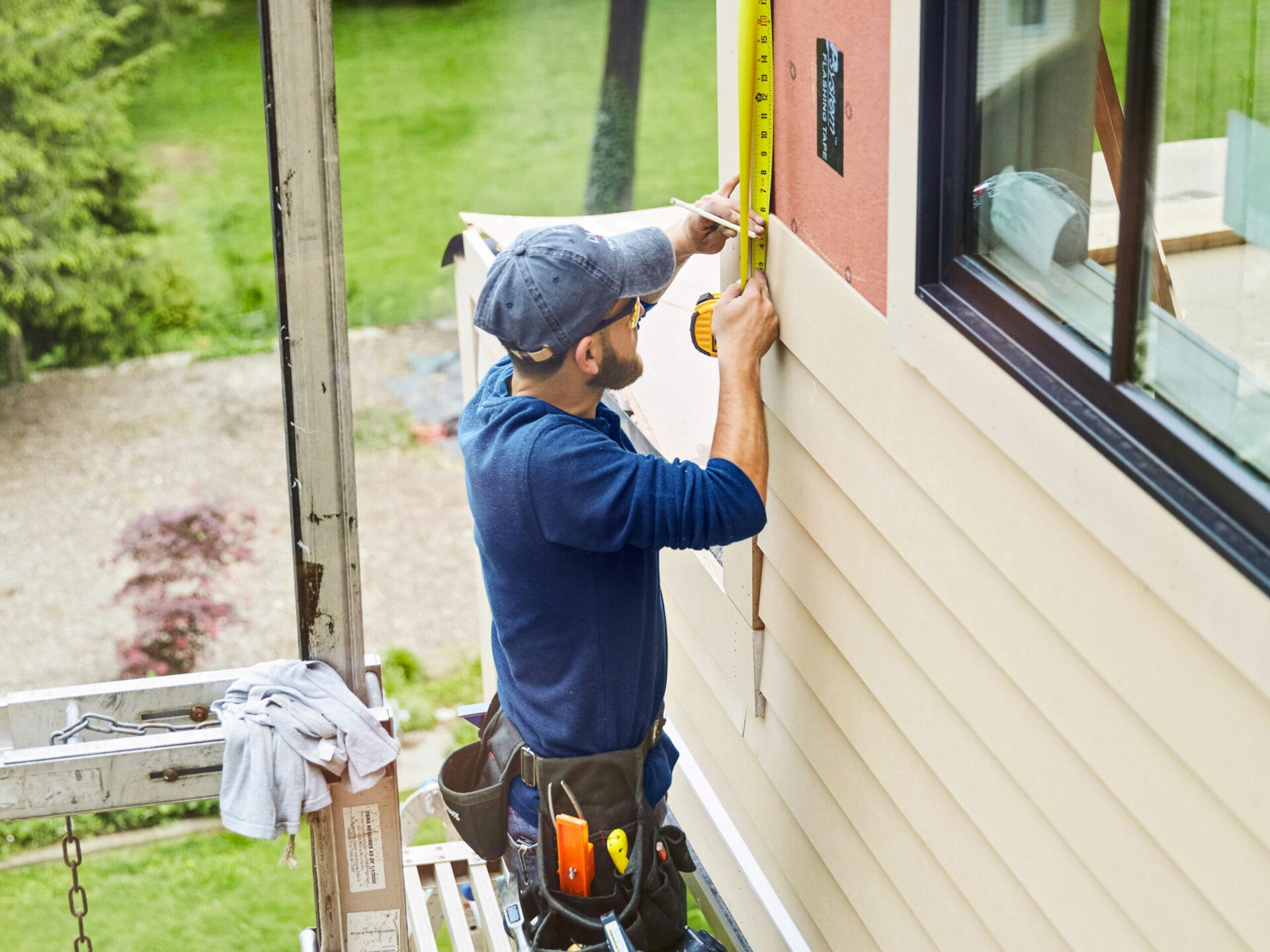
Some homeowners can handle small siding repairs or simple vinyl panel replacement. Full siding installation, however, is usually a professional job. It involves layout, cutting, flashing, moisture barriers, trim, starter strips, corner posts, clearances, fastening, and sometimes scaffolding.
Vinyl is the most DIY-friendly of the major siding types, but it still requires correct expansion gaps and fastening. Fiber cement requires special tools, dust control, careful handling, and precise installation. Stucco, brick veneer, stone veneer, and large metal panel systems are usually best left to experienced installers.
A qualified siding contractor should be licensed where required, insured, experienced with your chosen material, and willing to provide references. Ask to see recent local projects. Also ask who will actually perform the work. Sometimes the person who sells the job is not the person who shows up with the ladder.
Siding Maintenance Tips That Actually Help
Good siding maintenance is not glamorous, but it can add years to your exterior. Once or twice a year, walk around the house and inspect the siding closely. Look for cracks, gaps, stains, loose trim, peeling caulk, damaged flashing, insect activity, and areas where landscaping touches the wall.
Clean siding gently. Mild soap, water, and a soft brush are usually enough for many materials. Be careful with pressure washers. High pressure can drive water behind siding, damage finishes, dent softer materials, or create problems that were not there before. A pressure washer in the wrong hands is less of a cleaning tool and more of a chaos wand.
Keep gutters clean and downspouts directed away from the foundation. Trim shrubs and trees so air can circulate near the walls. Maintain proper clearance between siding and soil, mulch, roofs, steps, and decks. Repaint or reseal materials according to manufacturer recommendations. Replace failed caulk before water finds the opening.
Design Tips for Better Curb Appeal
Siding has a huge effect on curb appeal. Color, texture, profile, trim, and accents can make a home feel fresh without changing its footprint. Light colors can make a small house feel larger. Dark colors can create drama, especially when balanced with warm wood or bright trim. Neutral palettes tend to age well, while bold colors work best when they match the home’s architecture and neighborhood context.
Do not choose siding color from a tiny sample indoors. Look at large samples outside in morning, afternoon, and evening light. Colors shift dramatically depending on sun exposure. A gray that looks elegant in the store may turn blue, green, or “sad parking lot” once installed.
Trim also matters. Wider window trim, crisp corner boards, updated soffit and fascia, and coordinated gutters can make new siding look complete. Siding without good trim is like a suit without shoes. Technically dressed, but not quite finished.
Real-World Experiences: What Homeowners Learn the Hard Way
One of the biggest lessons homeowners learn about siding is that preparation matters as much as the final product. Many people begin a siding project thinking only about color and material. Then the contractor removes the old siding and discovers soft sheathing, missing flashing, insect damage, or old water stains. Suddenly, the project becomes more than a cosmetic upgrade.
A smart homeowner budgets for surprises. Even if your siding looks fine from the curb, older homes can hide problems beneath the surface. Setting aside an extra contingency amount helps reduce panic if repairs are needed. It is much better to fix damaged sheathing before new siding goes up than to trap the problem behind a beautiful new exterior.
Another common experience is color regret. A color that seemed safe can look too bland once it covers the entire house. A bold color can feel exciting on day one and exhausting by day thirty. The best approach is to test large samples on different sides of the home. North-facing walls, shaded walls, and sun-drenched walls can all make the same color behave differently. Homeowners who skip this step sometimes end up with a house that looks slightly different from what they imaginedlike ordering “warm beige” and receiving “oatmeal with commitment issues.”
Many homeowners also underestimate the importance of trim and details. New siding next to old, faded shutters or dented gutters can make the unfinished pieces stand out. If the budget allows, it is wise to consider the entire exterior system: siding, trim, fascia, soffits, gutters, porch columns, lighting, house numbers, and entry door color. Small upgrades can make the siding investment look intentional rather than partial.
Noise is another surprise. Some siding materials sound different in rain, wind, or hail. Metal may be louder than expected. Loose vinyl can rattle if poorly installed. Wood and fiber cement often feel more solid, but installation quality still affects performance. If you live in a storm-prone area, ask about impact resistance, fastening methods, and product warranties.
Homeowners with pets, kids, and active outdoor spaces often learn that impact resistance matters. A baseball, ladder, grill, trash can, or runaway bicycle can damage siding. Vinyl may crack or puncture. Wood can dent. Fiber cement can chip. Engineered wood and steel can perform well in certain impact situations, but every product has limits. If one side of your house faces a driveway, patio, or play area, choose with real life in mindnot the showroom version where nobody owns a basketball.
Cleaning expectations also deserve honesty. “Low maintenance” does not mean “no maintenance until the next presidential election.” Pollen, dirt, spider webs, mildew, and algae can collect on any exterior. Homes near trees, lakes, shade, or humid regions may need more frequent cleaning. Gentle annual washing keeps siding looking newer and helps reveal small problems before they grow.
Finally, many homeowners discover that the contractor relationship can make or break the project. Clear communication is essential. Before work begins, confirm the schedule, daily cleanup plan, materials storage location, access to outlets, protection for landscaping, payment milestones, and how change orders will be handled. A good contractor explains issues clearly and documents changes. A bad contractor disappears right after saying, “No problem, we do this all the time.” That sentence can be comfortingor terrifyingdepending on who says it.
The best siding experience comes from balancing beauty, budget, durability, installation quality, and maintenance reality. When those pieces line up, new siding can transform a tired exterior into a home that feels protected, polished, and ready for the next season.
Conclusion
Siding is one of the most important exterior decisions you can make for your home. It protects the structure, shapes curb appeal, affects maintenance needs, and can influence resale value. Vinyl siding offers affordability and easy care. Fiber cement delivers durability and a refined look. Wood brings natural charm but demands upkeep. Engineered wood balances warmth and performance. Metal creates modern impact. Stucco, brick, and stone veneer offer distinctive style when matched to the right climate and installation method.
The best siding for your home is not simply the most expensive or the trendiest. It is the material that fits your climate, architecture, budget, maintenance habits, and long-term plans. Choose carefully, hire wisely, and pay attention to the details behind the surface. Your house will thank you by staying drier, stronger, and better looking. It may not send a thank-you card, but fewer repair bills are basically the same thing.
SEO Tags
Note: This article is written for web publication in standard American English and synthesizes current, practical U.S. home siding guidance without embedding source links in the article body.












