
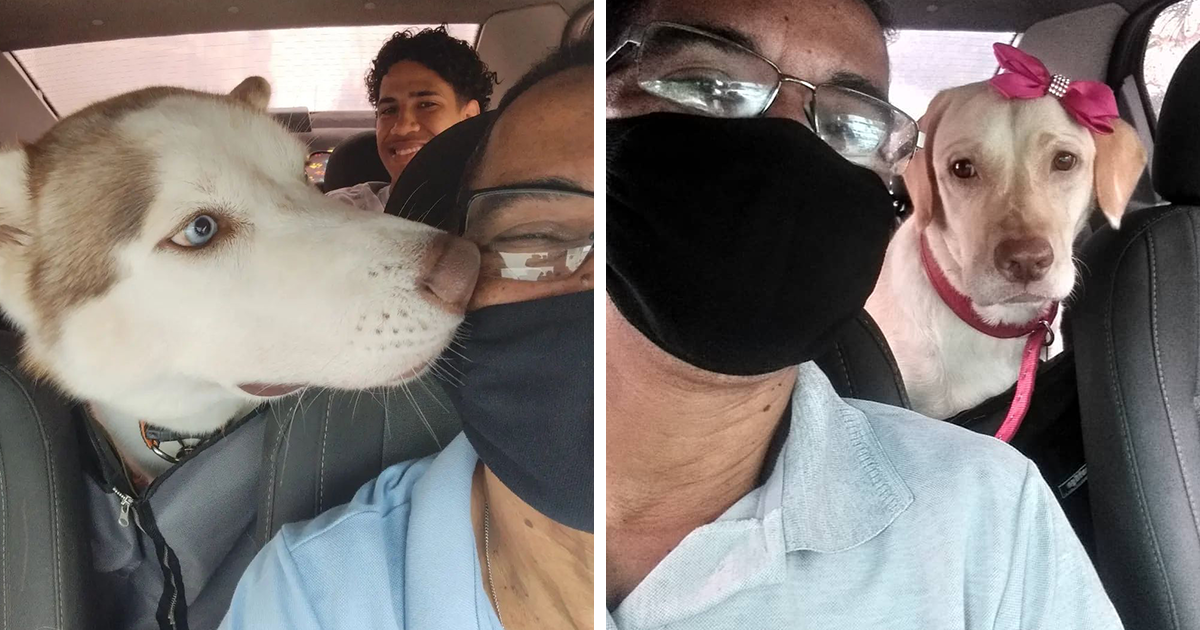
Somewhere between a regular taxi ride and the world’s cutest road trip lives a business idea so wholesome it practically comes with a wagging tail. Hamilton Taurino, the man behind Taxi Dog, became internet-famous for doing something simple, useful, and extremely photogenic: transporting pets where they need to go, then taking selfies with his furry, feathery, and occasionally suspicious-looking passengers.
The idea sounds like a comedy sketch at first. A driver opens the back door and instead of a tired commuter climbing in with coffee and headphones, there is a fluffy dog staring like it has a meeting with the board of directors. But behind the viral charm is a real need. Pets need rides to veterinary clinics, grooming appointments, pet shops, labs, beaches, and sometimes new homes. Not every owner drives. Not every ride-share driver wants a nervous Labrador shedding on the upholstery. And not every animal is emotionally prepared for the drama of public transportation.
That is where a pet taxi business becomes more than a cute Instagram feed. It becomes a practical service for pet owners, a safer travel option for animals, and a reminder that sometimes the best businesses begin with one everyday problem: “How do we get this dog to the vet?”
The Story Behind Taxi Dog
Hamilton Taurino, originally from Pernambuco, Brazil, started Taxi Dog after facing a frustrating situation familiar to many pet owners. A friend needed to get a dog to the veterinarian, but finding a driver willing to transport the animal was difficult. Instead of simply grumbling about it and moving on, Taurino saw the gap. Pets needed reliable transportation, and their owners needed someone who actually liked having paws, whiskers, and occasional nose prints in the car.
Taxi Dog was born from that practical need. Taurino began offering pet-only transport, taking animals to veterinary clinics, grooming salons, pet shops, testing laboratories, and other destinations. His passengers are often dogs, but the service is not limited to canines. Cats, birds, and even smaller animals have reportedly taken rides too, although cats are less likely to pose cheerfully for a selfie and more likely to review the experience like a food critic with trust issues.
What made the story travel around the internet was not just the business model. It was the selfies. Taurino started taking pictures with his passengers, and the results are exactly what the internet was built for: big dogs leaning into the camera, tiny dogs looking like celebrity VIPs, sleepy faces, goofy tongues, and the occasional expression that says, “I did not approve this route.”
Why Pet Taxi Selfies Became So Popular
The popularity of these pet taxi selfies is easy to understand. They combine three things people love: animals, kindness, and a job that looks wildly more fun than answering emails. Each photo tells a tiny story. One dog may look thrilled to be heading to the beach. Another may appear slightly betrayed because the destination is clearly the vet. A fluffy passenger might sit proudly in the back seat like a mayor in a parade. A nervous pup might lean closer to Taurino, finding comfort in a familiar voice and a calm ride.
The selfies work because they feel authentic. They are not glossy studio portraits. They are real moments from a working day. The lighting is car-window lighting. The models have unpredictable ears. The background is a vehicle seat, not a red carpet. Yet that is exactly the charm. In a social media world full of polished perfection, a pet taxi selfie feels delightfully honest.
They also show something important about pet services: trust. When someone lets another person transport their animal, they are placing a family member in that person’s care. A warm selfie can reassure owners that their pet is not just cargo. The animal is being noticed, comforted, and treated like a passenger with feelings, even if that passenger communicates mostly through panting and dramatic blinking.
What a Pet Taxi Actually Does
A pet taxi business may sound simple, but doing it well requires planning. A good pet transport service is not just a person with a car and a lint roller, although the lint roller is absolutely working overtime. The driver needs to understand animal behavior, basic safety, scheduling, communication, sanitation, and emergency preparedness.
Common pet taxi destinations
Pet taxis often help with routine appointments. Veterinary visits are a major reason owners need transportation, especially when a pet is sick, elderly, recovering from surgery, or too large for casual travel. Grooming appointments are another common use. A professional driver can pick up a dog, take it to the groomer, and bring it home smelling like blueberry shampoo and mild betrayal.
Some rides are more cheerful. Pets may travel to daycare, training classes, boarding facilities, adoption meetups, parks, or pet-friendly events. In some cases, pet taxis also support shelters, rescues, or families relocating animals between homes. For busy owners, older adults, people with disabilities, or households without a vehicle, this kind of service can be a lifesaver.
Why ordinary transportation is not always enough
Traditional taxis and ride-share services may not always be ideal for non-service animals. Some platforms offer pet-friendly ride options in certain locations, but availability can vary, and riders may still need to follow specific rules. A dedicated pet taxi, by contrast, is designed around the animal from the start. The driver expects fur. The vehicle is prepared. The schedule allows time for loading, calming, securing, and unloading. Nobody acts shocked when a Golden Retriever arrives with the emotional energy of a marching band.
Pet Taxi Safety: The Cute Part Needs a Serious Backbone
The cutest part of the story is the selfies, but the most important part is safety. Transporting animals is not the same as transporting luggage. Pets can panic, slip out of collars, become carsick, overheat, chew something they should not chew, or attempt a surprise relocation to the front seat. A responsible pet taxi service has to plan for all of that.
Secure restraint matters
Pets should travel in an appropriate crate, carrier, or safety harness. The safest setup depends on the animal’s size, temperament, health, and the length of the trip. A carrier should be well-ventilated and large enough for the pet to stand, sit, lie down, and turn around comfortably. Larger dogs may need a secure harness attached to a seat belt or an appropriately installed crate.
This is not just about protecting the pet. It is also about protecting the driver and everyone else on the road. An unrestrained animal can become a distraction. A dog climbing into the driver’s lap is adorable for approximately half a second and dangerous for all the seconds after that. A cat loose in a vehicle can disappear under a seat with the stealth of a tiny unpaid magician.
Back seat beats front seat
Whenever possible, pets should ride in the back seat or a secure cargo area designed for safe transport. Airbags are made for human passengers, not dogs with delicate faces or cats with strong opinions. Keeping animals out of the front seat reduces the risk of injury and helps the driver focus on the road.
Temperature control is non-negotiable
A pet taxi vehicle must stay comfortable. Heat can become dangerous quickly, especially for flat-faced breeds such as Bulldogs, Pugs, Persian cats, and other brachycephalic animals that can have more difficulty breathing. Cold weather can also be risky. A responsible driver never leaves pets unattended in a parked vehicle and keeps the cabin climate steady throughout the ride.
Identification and records help prevent chaos
Pets should wear identification tags, and microchip information should be current. For certain trips, especially longer or interstate travel, owners may need vaccination records, medication instructions, health certificates, or veterinary contact details. A pet taxi driver should also know who to call if something seems off. The best pet transport is boring in the best way: prepared, predictable, and drama-free.
The Business Lesson Hidden in the Back Seat
Taxi Dog is a great example of a niche business solving a real problem. Taurino did not need to invent a futuristic gadget or teach dogs to order rides with voice commands. He noticed that pet owners were struggling with transportation and built a service around trust, convenience, and personality.
That is a powerful business lesson. Many strong small businesses begin with an overlooked inconvenience. People do not always need something flashy. Sometimes they need someone dependable who will show up on time, treat their pet gently, send a reassuring update, and not complain when a Husky sings the entire route like an opera understudy.
The selfies became organic marketing. They showed the service in action without sounding like an advertisement. A smiling driver beside a happy dog communicates more than a paragraph of sales copy. It says: “Your pet is safe here.” It says: “This driver likes animals.” It says: “Yes, the passenger may drool, but the vibes are excellent.”
Why Pet Owners Connect With This Story
Pet owners understand the emotional weight of transportation. A trip to the vet is not just a ride. It can be stressful, urgent, expensive, and full of worry. A trip to the groomer might be routine, but for a nervous animal, it can still feel overwhelming. A trip to a new home can be life-changing. Having a calm, animal-friendly driver can make those moments easier.
The story also reflects how deeply pets are woven into modern family life. Dogs and cats are not accessories. They are companions, routines, emotional support systems, household comedians, and sometimes tiny dictators with meal schedules. When a business treats them with respect, people notice.
That is why the selfies feel so warm. They are not just “look at this cute dog” photos, although they are definitely that too. They are proof that service work can be personal. A driver can turn a practical job into a relationship-building experience. A ride can become a memory. A pet taxi can become a rolling collection of stories, each with paws on the seat and a nose near the camera.
What Pet Taxi Businesses Can Learn From Hamilton Taurino
Anyone interested in starting a pet taxi business can learn a lot from Taurino’s approach. First, specialize clearly. A service made specifically for pets is easier to understand and easier to trust. Second, communicate often. Owners want updates, especially if their pet is traveling without them. Photos, arrival messages, and simple check-ins can make a big difference.
Third, design the experience around the animal. That means clean surfaces, secure restraints, calm handling, safe loading procedures, and enough patience to deal with nervous behavior. A driver who understands that a frightened pet is not “being difficult” but reacting to stress will do a much better job.
Fourth, let personality shine. Taurino’s selfies became memorable because they were full of joy. The photos did not reduce the business to logistics. They gave it a face, a mood, and a reason for people to smile. In service businesses, trust often grows faster when customers can sense the human behind the wheel.
40 Selfies, 40 Tiny Adventures
The phrase “40 selfies” sounds like a gallery, but it is really a collection of tiny adventures. Behind each photo is a route, an owner, a destination, and an animal experiencing the world from the back seat. Some passengers probably hopped in happily. Others may have needed coaxing. Some likely rode quietly, while others treated the trip like a live podcast with barking.
That variety is part of the magic. A pet taxi driver never really has the same day twice. One morning may involve a senior dog heading to a checkup. The next ride may be a puppy visiting the groomer for the first time. Later, there could be a cat in a carrier plotting revenge, followed by a beach-bound dog whose joy fogs up the windows.
Taurino’s selfies capture that unpredictability. They remind us that animals are not generic passengers. They have moods, habits, fears, preferences, and magnificent side-eye. Good pet transportation respects that individuality.
Experience-Based Reflections: What Riding With Pet Passengers Teaches You
Spend enough time around animals in cars, and you learn that every pet has a travel personality. There is the confident passenger who jumps in like a celebrity arriving at an award show. There is the nervous passenger who needs a soft voice and a few quiet minutes before the engine starts. There is the window-watcher, the napper, the singer, the drooler, and the dog who believes every turn is a personal betrayal.
A pet taxi driver quickly learns that preparation is kindness. Before the ride begins, the vehicle should be clean, the restraint ready, the route planned, and the owner’s instructions understood. Does the dog get carsick? Does the cat panic at loud noises? Is medication needed? Should the carrier stay covered? Does the pet have a favorite blanket? These small details can turn a stressful ride into a manageable one.
Experience also teaches the value of patience. Pets do not care about tight schedules the way humans do. A dog may need time to sniff the car before entering. A cat may refuse to look impressed by anything. A bird may decide that the seat belt area is suspicious. Rushing rarely helps. Calm, consistent handling is usually faster in the long run because it prevents panic.
Another lesson is that communication with owners matters as much as the ride itself. A simple message like “Bella is safely in the car and doing well” can lower an owner’s stress immediately. A photo after arrival can turn a nervous morning into a cheerful one. In that sense, Taurino’s selfies are not just cute content. They are customer reassurance wrapped in fur and comedy.
The best pet transportation experiences also balance friendliness with professionalism. It is wonderful to love animals, but love alone is not enough. A good driver must keep doors closed until leashes are secure, avoid unsafe window habits, monitor temperature, prevent interactions with unknown animals, and know when a pet is showing signs of distress. Being “the fun pet taxi guy” works best when the safety basics are rock solid.
Finally, pet taxi work teaches that animals remember how people make them feel. A dog that has a gentle first ride may become more confident on the second. A nervous pet that is handled respectfully may gradually relax. Even routine transportation can build trust over time. That is why stories like Taxi Dog resonate so strongly. They show that ordinary work, done with care, can become something memorable.
For pet owners, the takeaway is simple: choose transportation the way you would choose any caregiver. Look for safety, cleanliness, communication, patience, and genuine animal comfort. For entrepreneurs, the lesson is equally clear: a small, specific service can become extraordinary when it solves a real problem with heart. And for everyone else, the conclusion is obvious: if your job lets you take selfies with happy dogs all day, you may have accidentally discovered one of the internet’s favorite careers.
Conclusion
“40 Selfies This Guy Has Taken With The Passengers Of His Pet Taxi Business” is more than a cute viral headline. It is a story about noticing a need, building trust, and treating animals like the beloved companions they are. Hamilton Taurino’s Taxi Dog became popular because it combines practicality with personality. The service helps pets get where they need to go, while the selfies give everyone else a reason to smile.
In a world where transportation can feel rushed and impersonal, a pet taxi reminds us that care still matters. Whether the passenger is a giant dog, a tiny puppy, a skeptical cat, or a guinea pig with escape-artist ambitions, every ride deserves patience, safety, and maybe one great photo for the road.














