
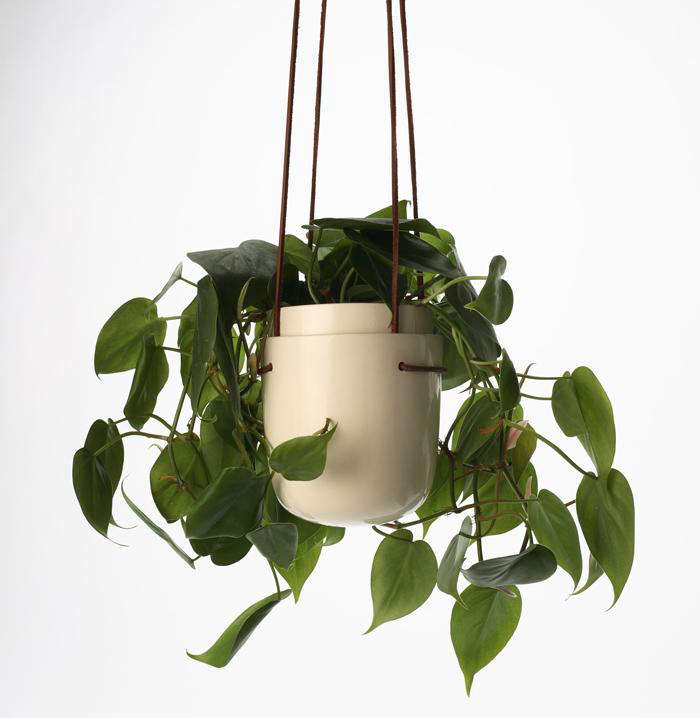
If you are the kind of person who has ever said, “I’m just going to buy one small pothos,” and then somehow ended up rearranging your furniture to make room for a monstera, congratulations: you are an indoor gardener. And once you cross that leafy little threshold, you learn something important very quickly. A houseplant is never just a houseplant. It is also a design decision, a lighting experiment, a hydration puzzle, and, occasionally, a surprisingly emotional roommate.
That is exactly where handmade ceramics come in. A good handmade pot does more than hold soil. It frames a plant, changes the way moisture behaves, adds weight and texture to a room, and turns an ordinary windowsill into something that looks intentional instead of accidentally green. For indoor gardeners, handmade ceramics are where practical care and personal style finally stop pretending they are strangers.
The best part is that handmade ceramics do not need to be precious to be beautiful. They can be earthy, glossy, asymmetrical, smooth, speckled, rustic, minimal, or gloriously weird. One pot can make a spider plant look collected, a succulent look sculptural, and a humble herb plant look like it belongs in a magazine spread instead of next to your toaster. In short, ceramics give indoor gardening a little poetry, while still doing some very real work behind the scenes.
Why handmade ceramics appeal to indoor gardeners
Indoor gardening is not only about keeping plants alive. It is also about building a living space that feels layered, calm, and personal. Handmade ceramics fit that goal beautifully because they bring character that mass-produced planters often lack. Slight variations in glaze, shape, rim thickness, and texture make each piece feel human. When paired with living foliage, that handmade quality becomes even more noticeable. The leaves grow, the clay ages, the light shifts, and the whole arrangement feels alive in a way factory-perfect décor rarely does.
There is also a practical reason indoor gardeners gravitate toward ceramic vessels. Ceramic pots can offer stability for top-heavy plants, insulation for roots, and a wide range of finishes that suit different watering habits. Some hold moisture longer. Others dry more quickly. Some are ideal as true planting pots, while others work best as decorative outer sleeves. In other words, ceramics are not just pretty faces. They have opinions about water, weight, and airflow.
What makes a ceramic pot plant-friendly, not just shelf-friendly
Drainage holes are the real love language
Let’s start with the least glamorous and most important truth in indoor gardening: a beautiful pot without drainage is often a trap wearing lipstick. Plant roots need air as much as they need water. If excess water cannot leave the container, roots can stay wet too long, which encourages stress, rot, and that sad downward spiral where the leaves say, “Help,” but the pot says, “No, I’m decorative.”
That does not mean you must reject every gorgeous handmade vessel that lacks a drainage hole. It simply means you need to use it wisely. Many indoor gardeners use a double-pot system: the plant stays in a smaller nursery or grow pot with drainage, and that pot slips neatly into the handmade ceramic outer pot. This gives you the visual charm of handmade pottery without gambling with the root zone. It is one of the smartest compromises in indoor gardening, and frankly, one of the prettiest.
Glazed versus unglazed: same family, different personalities
Not all ceramics behave the same way. Glazed ceramic pots tend to hold moisture longer because the finish limits evaporation through the pot walls. That can be helpful for tropical plants that like more consistent moisture, or for plant owners who are not home every minute with a watering can and a sense of destiny.
Unglazed ceramic and terracotta, on the other hand, are more porous. They lose moisture faster and allow more airflow around the root ball. That makes them especially useful for plants that dislike soggy soil, such as many cacti, succulents, and some drought-tolerant houseplants. If you are an enthusiastic overwaterer, porous clay may save you from your own generosity.
The choice between glazed and unglazed is not a matter of which is better. It is about matching the pot to the plant and to your habits. Indoor gardening gets easier when you stop asking, “What is the prettiest pot?” and start asking, “What kind of pot helps this plant succeed in my home?” Luckily, handmade ceramics often let you have both.
Choosing handmade ceramics for different kinds of houseplants
Tropical foliage plants
Plants like philodendrons, pothos, peace lilies, ferns, and many calatheas often appreciate containers that do not dry out at lightning speed. A glazed handmade ceramic pot with drainage can be a strong match, especially in homes with dry air or bright light. These plants are usually grown for lush foliage, so a softly rounded or slightly taller ceramic form can visually echo their fullness.
For dramatic foliage, earthy neutrals, olive glazes, soft creams, and matte finishes tend to work beautifully. They let the leaves steal the show while still adding depth to the room. Think of the pot as a supporting actor who knows exactly how not to upstage the star.
Succulents and cacti
For succulents, cacti, and other plants that prefer their roots on the drier side, unglazed handmade ceramics are often an excellent choice. These plants generally benefit from quicker drying and sharper drainage. Smaller ceramic bowls and low-profile planters can also highlight the sculptural look of rosettes, spines, and trailing sedums.
The only caution is scale. Tiny succulents in enormous pots are not chic; they are suspicious. Too much extra soil can stay wet longer than the plant wants, which defeats the purpose of using a quick-drying material in the first place. Go smaller, sharper, and more intentional.
Kitchen herbs and edible windowsill plants
Indoor gardeners who grow basil, mint, thyme, parsley, or chives know the kitchen can become a little greenhouse with opinions. Handmade ceramics make these herbs feel more elevated than plain plastic nursery pots, and they can turn a sunny ledge into a practical design feature. Because herbs often need steady light and careful watering, a ceramic pot with proper drainage and a matching saucer is a smart choice.
Hand-thrown herb pots in a set can also make the whole arrangement feel cohesive without looking sterile. A little irregularity is exactly the charm. Your basil does not want to live like it is in a spreadsheet.
Orchids and specialty plants
Some indoor plants have more particular needs than a standard ceramic pot easily provides. Orchids, for example, often do best in specialized setups with excellent airflow and distinct potting media. That does not mean handmade ceramics are off the table. It simply means the ceramic piece may work best as an outer cachepot rather than the main planting container. This is a good reminder that beautiful indoor gardening often depends on clever layering, not rigid rules.
How size, shape, and weight affect plant care
Indoor gardeners often focus on color and finish first, but size and shape matter just as much. A pot that is only slightly larger than the current root ball is usually the better move when repotting. A giant new home may look generous, but it can leave a plant sitting in too much damp soil for too long. That is a recipe for stress, not gratitude.
Depth also matters. Plants with shallower root systems may do well in wider vessels, while deeper-rooting plants may prefer taller pots. The goal is not to force every plant into the same ceramic silhouette because it matches your coffee table. The goal is to let the form support the root system while still looking intentional in the room.
Weight is another overlooked advantage of ceramics. Handmade ceramic pots can anchor taller or top-heavy plants better than light plastic containers. That extra stability is a blessing when a snake plant grows ambitious, a fiddle-leaf fig gets dramatic, or a cat decides every planter is a personal challenge.
Styling with handmade ceramics indoors
One reason handmade ceramics work so well for indoor gardeners is that they bridge two worlds at once: gardening and interiors. They allow plants to feel integrated into a room instead of randomly parked there. A speckled stoneware planter can warm up a modern shelf. A glossy dark planter can make chartreuse foliage pop. A collection of cream, rust, and clay-toned pots can create a calm, natural palette across a room without feeling matchy-matchy.
Grouping matters too. Indoor gardeners often get stronger visual impact by clustering ceramic pots with varied heights and similar tones rather than scattering single plants everywhere like confused punctuation. Repeating texture or glaze color can make a collection feel thoughtful even when the plants themselves are wildly different.
Light should guide placement, not just aesthetics. East-facing windows often suit many common houseplants because they provide softer morning light. Bright indirect light works for a broad range of indoor plants, while direct sun lovers need stronger exposure. If a plant is leaning hard toward the window, rotate it now and then so it grows more evenly. Your plant is not trying to become abstract sculpture. It is just chasing photons.
Repotting into handmade ceramics the smart way
Repotting sounds dramatic, but it is really a matter of planning. Choose a pot only a little larger than the current one. Use a high-quality potting mix suited to the plant type. Make sure the new ceramic pot has drainage, or use it as an outer vessel. Avoid putting gravel, rocks, or broken bits in the bottom in hopes of “improving drainage.” That old gardening myth has lingered longer than it deserves. Good drainage comes from the right pot, the right mix, and the right watering habits.
Once the plant is in place, leave enough space at the top for watering. Water thoroughly, let excess drain, and empty the saucer if water collects there. After repotting, give the plant a little time to adjust before assuming every slightly grumpy leaf is a catastrophe. Plants, like people, do not always enjoy moving day.
Common mistakes indoor gardeners make with gorgeous ceramic pots
- Choosing a pot for looks alone: If it does not support the plant’s moisture needs, it can cause more trouble than style points.
- Ignoring drainage: A sealed pot may work as décor, but it should usually not be the plant’s direct root environment.
- Potting up too far: Bigger is not automatically better. Too much wet soil can create root problems.
- Watering by routine instead of observation: Check the soil, the plant, the room conditions, and the pot material before reaching for the watering can.
- Forgetting the saucer: Protect your furniture, but do not let the pot sit in standing water afterward.
- Assuming all ceramic behaves the same: Glazed and unglazed pots can lead to very different drying patterns.
The sensory joy of ceramic gardening indoors
There is something deeply satisfying about the pairing of handmade pottery and living plants. It is tactile. It is seasonal. It is a little imperfect in the best possible way. The coolness of glazed stoneware, the chalky feel of raw clay, the shadow cast by a curved rim, the way a trailing vine softens the edge of a vesselthese details are why indoor gardening becomes more than maintenance. It becomes ritual.
That ritual matters. In a home full of screens, plastic packaging, and flat surfaces, handmade ceramics offer weight, texture, and evidence of touch. Plants do something similar. They grow slowly, ask for attention, and remind you that beauty often depends on patience. Put the two together, and you get more than a container garden. You get a living still life.
Experience: what handmade ceramics are really like for the indoor gardener
Living with handmade ceramics as an indoor gardener changes the mood of plant care in ways that are hard to appreciate until you actually do it. At first, the difference seems visual. A plant that looked ordinary in a thin plastic nursery pot suddenly looks deliberate in a handmade vessel. The leaves seem greener. The corners of the room feel softer. You start noticing how a satin glaze catches morning light or how a rough clay surface makes glossy foliage look even more lush. It is a little ridiculous, perhaps, but also completely real: the right pot can make you fall in love with a plant all over again.
Then the practical side begins to show up. You learn that some handmade pots dry faster than expected, especially unglazed ones. You realize that the heavy ceramic planter you bought for your rubber plant is wonderful because the plant no longer leans like it is plotting an escape. You discover that your decorative outer pot works best when it hides a simple grow pot inside, and suddenly watering becomes easier and cleaner. Indoor gardening starts to feel less like guessing and more like a system you understand.
There is also a quiet pleasure in the routine itself. Lifting a pot to judge its weight. Turning a plant a quarter turn toward the light. Wiping dust from a broad leaf. Noticing that a handmade pot has developed tiny signs of use over timea faint mineral mark, a softened edge, a trace of soil near the rim. Instead of ruining the object, these signs make it feel more integrated into the life of the home. The ceramics stop being store-bought décor and start becoming part of your everyday landscape.
For many indoor gardeners, handmade ceramics also create stronger emotional connections to individual plants. A favorite pothos gets the speckled stoneware pot. The cactus goes into the sandy matte one. The fern claims the wide cream bowl near the reading chair. Each pairing begins to feel specific, almost like casting roles in a play. The plant and the pot develop a shared identity. You stop saying, “the philodendron on the shelf,” and start saying, “the philodendron in the moss-green planter.” The container becomes part of the story.
Guests notice this too. Even people who do not know a pothos from parsley tend to respond to the combination of living foliage and handmade clay. It feels warm, curated, and unexpectedly calming. A windowsill of herbs in handmade ceramics looks useful and beautiful at once. A cluster of ceramic planters by a bright window can make a whole room feel finished. Plants stop looking like afterthoughts and start feeling like part of the design language of the home.
Of course, there are learning curves. Handmade ceramics can be heavier, pricier, and occasionally less forgiving than mass-market pots. Some are more artistic than practical. Some do not have drainage. Some are so lovely that repotting into them feels like introducing your plant to a fancy hotel with complicated rules. But that tension is part of the fun. Indoor gardening has always been a mix of care, experimentation, and style. Handmade ceramics simply make that mix more visible.
Over time, what stays with you is not only the look, but the feeling. The room seems calmer. Watering feels more intentional. Plants become less like clutter and more like companions. Handmade ceramics invite the indoor gardener to slow down, pay attention, and enjoy the process instead of rushing to the outcome. And honestly, in a world that rewards speed and sameness, that may be one of the best reasons to bring a little clay indoors.
Conclusion
Handmade ceramics are not a magic fix for every plant problem, but they are one of the most satisfying ways to combine sound indoor gardening with thoughtful design. They can help you match moisture to plant type, stabilize taller specimens, elevate humble greenery, and create a home that feels lived in rather than merely decorated. When chosen well, a handmade ceramic pot supports the plant, suits the room, and quietly improves the daily experience of caring for something alive.
For the indoor gardener, that is the sweet spot: beauty with a job to do. So choose the pot with the lovely glaze, yes. Admire the hand-thrown curve, absolutely. But also check the drainage, respect the root system, and let the plant have a vote. Your houseplants may never write thank-you notes, but they will show their appreciation the old-fashioned wayby growing.














