
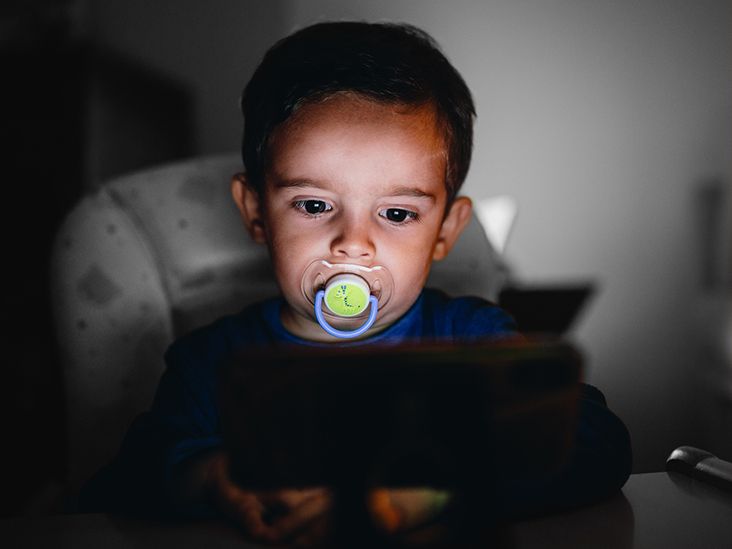
When most people hear the phrase dry eyes, they picture an overworked adult staring at three monitors, six spreadsheets, and one life choice too many. But dry eyes in kids are very real, and they can be surprisingly easy to miss. Children do not always say, “Excuse me, I appear to have an unstable tear film.” They are more likely to rub their eyes, blink hard, complain that reading feels weird, or announce that the classroom lights are “too bright and rude.”
That is exactly why parents, caregivers, and teachers should know what pediatric dry eye looks like. It is not just a minor annoyance. Ongoing dryness can affect comfort, school performance, screen tolerance, and sometimes even the surface health of the eye. The good news is that once you identify the cause, treatment is often very manageable.
In this guide, we will break down the most common causes of dry eyes in kids, the signs families should watch for, how doctors diagnose the problem, and the safest, smartest ways to treat it. Think of this as the parent-friendly field guide to the tiny, underappreciated miracle known as tears.
What is dry eye in children?
Dry eye disease happens when the eyes do not make enough tears, or when the tears evaporate too quickly. That second part matters. Tears are not just “water from eyeballs.” They are a carefully layered coating that helps the surface of the eye stay smooth, comfortable, and clear. If one part of that tear film is off, the whole system can get cranky.
In children, dry eye may show up as occasional irritation or as an ongoing problem that keeps returning. Some kids have mild symptoms after long stretches of screen time. Others develop dryness because of eyelid inflammation, allergies, contact lens use, or an underlying medical condition. In more complex cases, dry eye can become a chronic issue that needs ongoing care from a pediatrician, optometrist, or pediatric ophthalmologist.
Why dry eyes in kids can be missed
Adults tend to describe symptoms. Kids tend to adapt to them. A child who has gritty, burning eyes may simply avoid reading, dislike homework on a tablet, blink excessively, or rub their eyes all day. Some children have the opposite of what parents expect: instead of looking “dry,” their eyes may water constantly. That happens because irritation can trigger reflex tearing. In other words, watery eyes do not always mean the eyes are too wet. Sometimes they are dry first and dramatic second.
Dry eye can also be confused with pink eye, allergies, or simple eyestrain. That is why recurring symptoms deserve attention, especially if they keep returning after school, during allergy season, or after extended use of phones, tablets, gaming systems, or laptops.
Common causes of dry eyes in kids
1. Too much screen time and not enough blinking
This is one of the biggest modern culprits. When kids focus on screens, they tend to blink less often and less completely. Fewer blinks mean tears do not spread evenly across the eye. The result can be dryness, irritation, blurry vision, and eye fatigue. Children doing homework online, gaming for hours, or bouncing between school devices and personal devices are especially vulnerable.
It is not that screens are evil little rectangles plotting against your child’s corneas. It is that focused visual tasks reduce blinking. The eyes dry out, and symptoms creep in slowly. A child may complain at night, after school, or during reading, even if they seem fine earlier in the day.
2. Blepharitis and meibomian gland dysfunction
Some kids have inflammation along the eyelid margins. This is called blepharitis. Others have problems with the tiny oil glands in the eyelids, known as meibomian gland dysfunction, or MGD. Those glands release oil that slows evaporation of tears. If they get clogged or inflamed, tears evaporate faster, and the eyes feel dry and irritated.
Children with blepharitis or MGD may have crusting around the lashes, red eyelid edges, frequent styes, morning irritation, or a history of rubbing their eyes a lot. This is a very common reason for pediatric dry eye, and it often responds well to consistent eyelid care.
3. Allergies
Eye allergies can cause itching, redness, watering, and irritation that overlap with dry eye symptoms. On top of that, inflammation from allergies can destabilize the tear film. A child may say their eyes itch, sting, or feel scratchy, especially in spring, fall, or around pets, dust, or mold. Kids with eczema, asthma, and seasonal allergies may be more likely to deal with eye surface irritation.
4. Contact lens wear
Older kids and teens who wear contact lenses may develop dryness, especially if they wear lenses too long, forget to blink, or already have mild eye surface irritation. Contact lenses can make the eyes feel dry or tired, and they can also hide the fact that the tear film is already struggling. Red, painful eyes in a contact lens wearer should never be brushed off.
5. Dry air, wind, smoke, and indoor environments
Environmental triggers matter more than many families realize. Air conditioning, forced-air heat, windy weather, low humidity, smoke exposure, and chlorinated pools can all make symptoms worse. Even a child who is mostly fine can become miserable during winter heating season or after a long day in a dry classroom.
6. Certain medications and medical conditions
Some medicines can contribute to dryness, and so can underlying health issues. Autoimmune conditions such as Sjogren syndrome, inflammatory skin conditions affecting the eyelids, vitamin A deficiency, and rare ocular surface disorders can all play a role. These causes are less common, but they matter when symptoms are severe, persistent, or paired with dry mouth, joint symptoms, skin issues, or poor growth.
7. Recovery after illness, irritation, or eye problems
Sometimes dry eye symptoms flare after conjunctivitis, corneal irritation, chemical exposure, or a minor eye injury. In those cases, the surface of the eye may be temporarily inflamed and more sensitive. The fix is not always dramatic, but it often requires the right exam and the right type of drops.
Symptoms of dry eyes in kids
The symptoms can be obvious, but they can also be sneaky. Watch for patterns, especially if the complaints get worse during reading, homework, or device use.
- Burning, stinging, or a gritty feeling
- Red eyes that come and go
- Watery eyes that seem irritated anyway
- Frequent blinking or squinting
- Eye rubbing
- Light sensitivity
- Intermittent blurry vision, especially during screens or reading
- Stringy mucus or eyelid crusting
- Complaints that the eyes feel tired, sore, or “scratchy”
- Trouble tolerating contact lenses
In younger children, the clues may be behavioral instead of verbal. They may avoid books, complain about brightness, ask for breaks from schoolwork, or get irritable by the end of the day. If symptoms keep repeating, it is worth getting them checked.
When to call a doctor
Mild dryness is common. Persistent or painful eye symptoms should not be treated like a random inconvenience. Contact your child’s doctor or eye specialist if symptoms last more than a few days, keep coming back, interfere with school or reading, or do not improve with basic measures.
Seek urgent care if your child has significant eye pain, a sudden change in vision, severe light sensitivity, thick discharge, an eye injury, a chemical splash, or a red painful eye while wearing contact lenses. Those symptoms may point to something more serious than simple dry eye.
How dry eyes in children are diagnosed
Diagnosis usually starts with a careful history. The doctor may ask when symptoms happen, how much screen time your child gets, whether allergies are involved, whether the child wears contacts, and whether there are signs of eyelid inflammation or other health conditions.
An eye exam may include:
- Checking vision
- Examining the eyelids and lashes
- Looking at the tear film and eye surface
- Assessing for blepharitis or blocked oil glands
- Using special dyes to see dry spots on the eye
- In some cases, measuring tear production or tear stability
This is important because treatment depends on the cause. A child with screen-related dryness needs a different strategy than a child with eyelid inflammation, allergies, or an autoimmune disorder. The goal is not just “use random drops and hope for the best.” The goal is targeted relief.
Treatment for dry eyes in kids
1. Reduce the triggers
If screens are the main issue, start there. Encourage regular breaks, conscious blinking, and better screen habits. A simple rule such as the 20-20-20 habit can help: every 20 minutes, look 20 feet away for 20 seconds. Lowering screen brightness, reducing glare, and keeping devices slightly below eye level may also help because the eyes are less exposed and do not dry out as fast.
At home, a humidifier can make a real difference in dry indoor air. Smoke exposure should be avoided, and kids should wear wraparound sunglasses on windy days if the environment seems to trigger symptoms.
2. Artificial tears and lubricating drops
For many children, lubricating eye drops are the first line of treatment. These are often called artificial tears. They help moisten the eye surface and stabilize the tear film. Some children do best with preservative-free drops, especially if they need them often.
Parents should use only the products recommended by their doctor or pharmacist and avoid “get the red out” drops unless specifically advised. Those are not the same as lubricating drops and can sometimes make irritation worse.
3. Warm compresses and eyelid hygiene
If blepharitis or meibomian gland dysfunction is part of the problem, warm compresses can help loosen clogged oils. Gentle lid hygiene may also be recommended to remove crusts, oil, and debris from the eyelid margins. This is one of those wonderfully unglamorous treatments that often works surprisingly well when done consistently.
It is less “spa day for the eyelids” and more “tiny plumbing maintenance,” but it can be very effective.
4. Allergy treatment
If allergies are driving the irritation, treating the allergy may improve the dryness too. Depending on the child, that may involve allergy eye drops, oral allergy medicine, avoiding triggers, washing off pollen after outdoor play, or a more specific plan from a pediatrician or eye doctor.
5. Prescription treatment
Some children need more than basic lubrication. Doctors may prescribe anti-inflammatory eye drops, short courses of other medicated drops, or treatment aimed at the eyelids if inflammation is a big part of the problem. If an underlying illness is involved, that condition needs to be managed too. For more stubborn cases, specialists may discuss options such as punctal plugs, which help tears stay on the eye longer.
6. Nutrition and whole-child support
A balanced diet supports eye health overall. In the United States, severe nutrition-related eye disease is uncommon, but it still matters to make sure a child is getting enough vitamin A and overall healthy nutrition. Hydration, sleep, and allergy control also support the ocular surface more than people realize. In other words, sometimes helping the eyes means helping the whole routine.
What parents can do at home
If your child has mild symptoms, these practical steps can often help:
- Encourage more frequent blinking during screen use
- Build in screen breaks throughout homework and gaming
- Use a humidifier in dry rooms
- Keep smoke and strong irritants away from the eyes
- Ask a doctor which artificial tears are best for your child
- Use warm compresses if eyelid inflammation is suspected
- Teach kids not to rub their eyes constantly
- Track when symptoms happen so patterns become obvious
That last tip matters. If symptoms spike after soccer on windy days, after two hours of tablet homework, or every spring afternoon, you have useful clues to bring to the appointment.
Can dry eyes in kids be prevented?
Not every case can be prevented, but many can be reduced. Smart device habits, good eyelid hygiene, managing allergies, and paying attention to symptoms early can prevent a mild problem from becoming a chronic one. Prevention is especially important for kids who already wear contact lenses or have a history of styes, blepharitis, eczema, or seasonal allergies.
The key is not to dismiss symptoms as “just tired eyes” if they keep returning. Children do not need to power through eye discomfort like tiny overachievers in a workplace drama. If their eyes are uncomfortable, there is usually a reason, and often a fix.
Conclusion
Dry eyes in kids may be more common than many families expect, especially in the age of homework portals, streaming marathons, and heroic amounts of blinking forgotten during screen time. The condition can stem from poor blinking habits, eyelid inflammation, allergies, contact lenses, dry environments, or less common medical issues. Symptoms may include burning, redness, watering, light sensitivity, and blurry vision, and they may show up more as behavior changes than formal complaints.
The good news is that treatment is often straightforward once the cause is identified. Screen breaks, artificial tears, warm compresses, allergy control, and better eyelid care can make a big difference. More persistent cases deserve medical evaluation, especially when pain, vision changes, or contact lens problems are involved. When in doubt, trust the pattern. Kids may not always explain eye discomfort clearly, but their habits usually tell the story.
Experiences related to dry eyes in kids
Many families do not realize what is happening at first. A parent may notice that their child keeps rubbing one eye during homework, blinking hard during reading time, or complaining that the classroom projector is “too bright.” At first, it often gets blamed on being tired, avoiding homework, or having “just allergies.” Then the pattern becomes impossible to ignore. The symptoms show up after school, after a long gaming session, or during the peak of spring pollen. That is often the moment parents begin connecting the dots.
One common experience is the child who says their eyes are watery all the time, which sounds like the opposite of dryness. Families are often surprised to learn that irritated dry eyes can tear excessively. It feels backward, but it is a classic clue. Another common story involves a child who can see fine during a vision screening but still complains that reading gets blurry after a while. In many cases, that “comes and goes” blur is linked to an unstable tear film rather than a major vision problem.
Teachers sometimes notice the issue before parents do. A student may squint at a tablet, ask to sit farther from bright windows, or lose focus during reading-heavy assignments. Some children become fidgety simply because their eyes feel uncomfortable. Once the dryness is treated, parents occasionally report something almost magical: homework battles ease up a little, nighttime complaints decrease, and the child stops treating eye rubbing like a part-time job.
Children with blepharitis or clogged oil glands often have a different journey. Families may deal with recurring styes, eyelid crusting, or red lid margins before anyone mentions dry eye. The treatment can feel a bit repetitive at first. Warm compresses, eyelid cleaning, and drops are not exactly exciting, and kids are not usually thrilled by the phrase “eyelid hygiene routine.” But when families stick with it, many notice that flare-ups become less dramatic and comfort improves over time.
For older kids and teens, contact lenses can add another layer to the story. Some say their lenses felt fine for months and then suddenly started feeling dry by the end of the school day. Others notice problems during sports, air-conditioned classrooms, or long stretches without blinking much. In those cases, relief often comes from reassessing lens wear, using the right lubricating drops, improving blink habits, or switching the lens routine under a doctor’s guidance.
Another shared experience is parental guilt, which deserves a quick reality check. Many caregivers feel bad when they realize screen time may be part of the problem. But this is not about blame. Modern life involves screens for school, entertainment, and socializing. The real win is catching the issue early and making practical changes. Better breaks, better blinking, better lighting, and a few environmental tweaks can go a long way.
Perhaps the most reassuring thing families report is that once they have a name for the problem, it feels much less mysterious. Dry eye sounds small, but unexplained eye discomfort can be stressful for both parents and kids. A clear diagnosis gives families a plan. And once there is a plan, the whole situation usually feels less like an eye-related riddle and more like a manageable bump in the road.












