
Note: Use leftover rice only when it has been cooled quickly, stored in an airtight container, and refrigerated properly. Great fried rice begins with good flavor, but safe fried rice begins with smart storagetover rice has a talent for looking deeply unimpressive in the refrigerator. It sits there in a container, slightly clumped, a little dry, and not exactly dressed for dinner. But here is the delicious secret: that same dry, chilled rice is exactly what you want for easy fried rice. Fresh rice is soft and steamy, which sounds lovely until it hits a hot pan and turns into a sticky rice sweater. Leftover rice, on the other hand, separates better, browns faster, and soaks up sauce without collapsing into mush.
This guide shows you how to make easy fried rice using leftover rice in 14 simple steps. You do not need a restaurant wok burner, a culinary degree, or the emotional stamina to dice vegetables into museum-quality cubes. You need cold rice, a hot pan, a few pantry staples, and the confidence to move quickly once the cooking starts.
The beauty of homemade fried rice is flexibility. You can make vegetable fried rice, chicken fried rice, shrimp fried rice, egg fried rice, or a clean-out-the-fridge version starring half a bell pepper, frozen peas, and that one lonely scallion trying its best. The core method stays the same: prep first, cook in batches, use high heat, season at the end, and never drown the rice in sauce.
Why Leftover Rice Makes Better Fried Rice
The best fried rice has separate grains, lightly crisped edges, savory flavor, and just enough oil to shine without feeling greasy. Cold leftover rice helps make that happen because refrigeration dries the surface of the grains. That dryness is not a flaw; it is the feature. When chilled rice hits a hot skillet, it fries instead of steaming. The grains separate, toast, and absorb soy sauce, sesame oil, aromatics, and seasonings more evenly.
If you only have fresh rice, you can still make fried rice. Spread the hot rice on a baking sheet in a thin layer and let it cool. For better texture, chill it uncovered for at least an hour. This helps moisture evaporate and gives the rice a head start. Still, if you can plan ahead, day-old rice is the weeknight hero wearing yesterday’s pajamas.
Ingredients for Easy Fried Rice
Basic Ingredients
- 3 cups cold cooked rice, preferably day-old
- 2 tablespoons neutral oil, such as canola, vegetable, avocado, or peanut oil
- 2 large eggs, lightly beaten
- 1 small onion, diced
- 2 cloves garlic, minced
- 1 teaspoon fresh ginger, minced or grated
- 1 cup mixed vegetables, such as peas, carrots, corn, bell pepper, cabbage, or edamame
- 2 to 3 tablespoons soy sauce, preferably low-sodium
- 1 teaspoon toasted sesame oil
- 2 scallions, sliced
- Black pepper or white pepper, to taste
Optional Add-Ins
- Diced cooked chicken, pork, shrimp, tofu, ham, bacon, or turkey
- Kimchi, pineapple, mushrooms, spinach, bean sprouts, or broccoli
- Chili crisp, sriracha, oyster sauce, fish sauce, hoisin sauce, or rice vinegar
- Sesame seeds, cilantro, lime wedges, or fried shallots for garnish
How to Make Easy Fried Rice Using Leftover Rice: 14 Steps
Step 1: Check That Your Leftover Rice Is Safe to Use
Before cooking, make sure the rice was stored properly. Cooked rice should not sit out for hours on the counter. If it was cooled promptly, refrigerated in a shallow airtight container, and used within a few days, it is a good candidate for fried rice. If it smells sour, feels slimy, shows discoloration, or makes you suspicious for any reason, throw it out. Fried rice should be exciting, not a food safety gamble with soy sauce.
Step 2: Break Up the Cold Rice
Cold rice often clumps together. Use clean hands, a spoon, or a fork to break it into individual grains before cooking. This step matters because clumps steam in the pan and hold pockets of bland rice. Separating the grains now helps every bite get seasoned later.
Step 3: Prepare Every Ingredient Before Heating the Pan
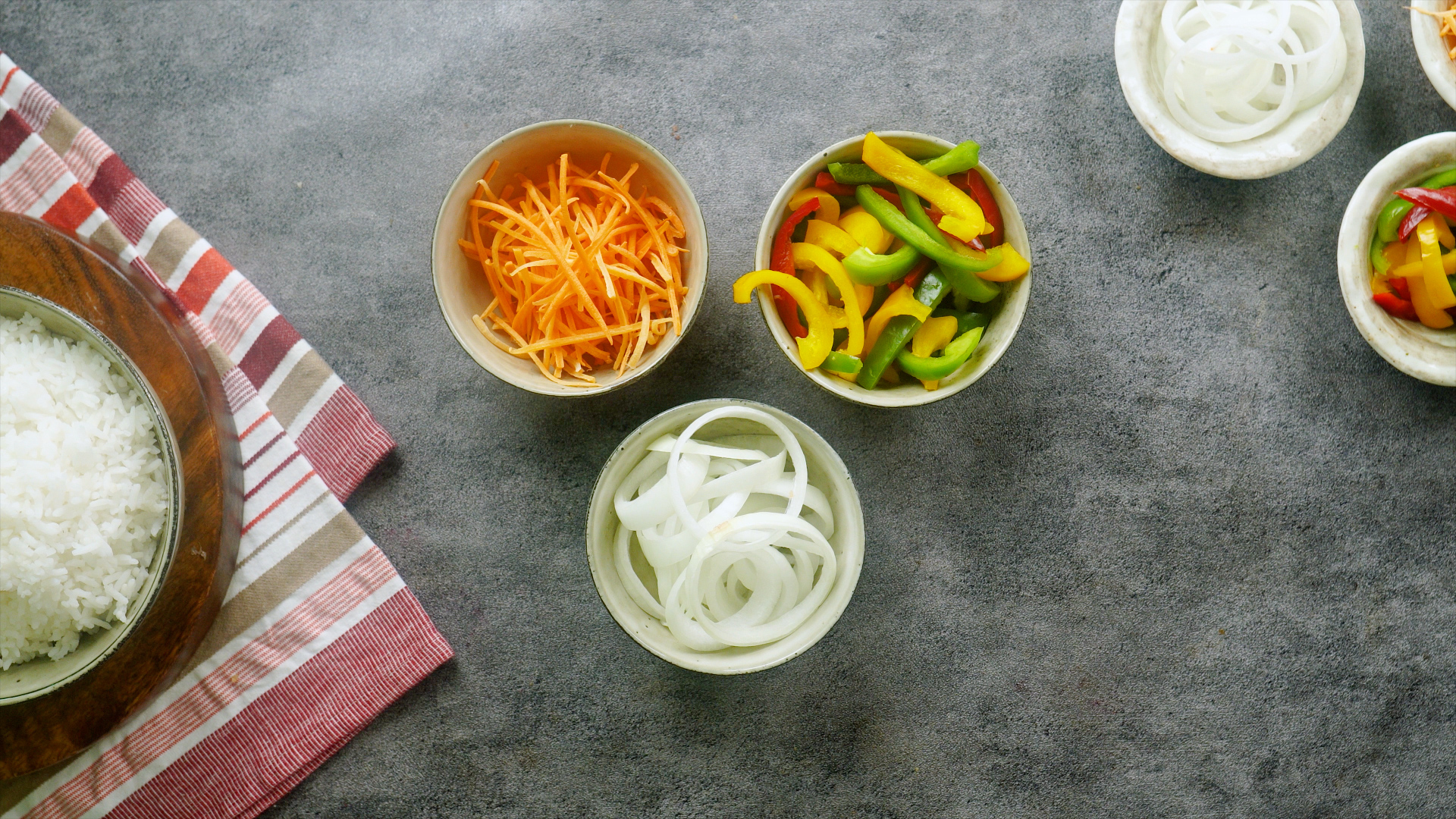
Fried rice moves quickly. Once the pan is hot, there is no peaceful pause for hunting garlic, opening soy sauce, or debating whether the carrots are “small enough.” Dice vegetables, beat the eggs, slice scallions, measure sauces, and place everything near the stove. This is called mise en place, which is French for “future you will be grateful.”
Step 4: Choose the Right Pan
A wok is excellent because it gives you high heat and room to toss. A large nonstick skillet or cast-iron pan also works well. The key is surface area. If the pan is too small, the rice crowds together and steams. For 3 cups of rice, use the largest skillet you have. If you are doubling the recipe, cook in batches.
Step 5: Heat the Pan Properly
Place the pan over medium-high to high heat and let it get hot before adding oil. A properly heated pan helps vegetables sear, eggs set quickly, and rice fry instead of stick. Add neutral oil and swirl to coat the surface. The oil should shimmer, not smoke dramatically like it is auditioning for a disaster movie.
Step 6: Scramble the Eggs First
Add the beaten eggs to the hot pan and scramble just until set. Remove them to a plate or bowl. Cooking eggs separately keeps them tender and prevents them from disappearing into tiny dry crumbs. You will add them back later, where they can look golden and important.
Step 7: Cook the Protein, If Using
If you are adding raw shrimp, chicken, pork, or tofu, cook it next in a little more oil until done, then remove it from the pan. If you are using cooked chicken, ham, bacon, or leftover steak, warm it briefly and set it aside. Cooking proteins separately prevents overcooking and keeps the final fried rice from turning watery.
Step 8: Stir-Fry the Aromatics
Add onion to the pan and cook for a minute or two until it begins to soften. Add garlic and ginger, stirring for 20 to 30 seconds until fragrant. Do not walk away here. Garlic can go from golden to bitter faster than a toddler denied a cookie.
Step 9: Add the Vegetables
Add firmer vegetables first, such as carrots, broccoli stems, cabbage, or bell pepper. Softer vegetables, like peas, corn, spinach, or bean sprouts, can go in later. Stir-fry until crisp-tender. The goal is color, crunch, and freshnessnot vegetables so tired they need a motivational poster.
Step 10: Add the Leftover Rice
Add the broken-up cold rice to the pan. Spread it into an even layer and let it sit undisturbed for 30 to 60 seconds. This brief pause helps the rice toast and lightly crisp. Then stir, toss, and press out any remaining clumps. Repeat the spread-and-stir process until the rice is hot and the grains look separate.
Step 11: Season Around the Edge of the Pan
Drizzle soy sauce around the hot edge of the pan instead of dumping it directly onto one spot of rice. The heat helps the sauce sizzle and smell deeper, giving the fried rice that savory takeout-style aroma. Start with 2 tablespoons, taste later, and add more only if needed.
Step 12: Return the Eggs and Protein
Add the scrambled eggs and cooked protein back to the pan. Toss everything together until evenly distributed. Break the eggs into bite-size pieces as you stir. At this point, your kitchen should smell like dinner has its life together.
Step 13: Finish With Sesame Oil and Scallions
Turn off the heat, then stir in toasted sesame oil and sliced scallions. Sesame oil is powerful, so a little goes a long way. Adding it at the end preserves its nutty aroma. Finish with black pepper or white pepper, and taste before adding extra salt.
Step 14: Serve Hot and Store Leftovers Correctly
Serve fried rice immediately while it is hot, glossy, and full of texture. If you have leftovers, cool them quickly and refrigerate them in a shallow airtight container. Reheat thoroughly before eating. Fried rice is best when fresh, but properly stored leftovers can still make a quick lunch the next day.
Common Fried Rice Mistakes and How to Fix Them
Mistake 1: Using Wet, Fresh Rice
Freshly cooked rice has too much moisture. If you use it straight from the pot, it may turn sticky and heavy. Fix it by spreading fresh rice on a baking sheet and cooling it before frying.
Mistake 2: Crowding the Pan
Too much rice in a small pan traps steam. Instead of frying, the rice becomes soft and clumpy. Cook in batches if needed. Your pan is a skillet, not a storage unit.
Mistake 3: Adding Too Much Sauce
Soy sauce adds flavor, but too much makes fried rice salty and wet. Start small. You can always add more, but you cannot politely remove soy sauce once it has moved in.
Mistake 4: Stirring Constantly
Some stirring is necessary, but nonstop stirring prevents browning. Let the rice sit briefly against the hot pan so it can toast. Browning equals flavor.
Mistake 5: Forgetting Texture
Great fried rice needs contrast. Add crisp vegetables, tender egg, chewy rice, and a fresh garnish. Even simple scallions can brighten the whole dish.
Flavor Variations for Leftover Rice Fried Rice
Classic Egg Fried Rice
Keep it simple with eggs, scallions, peas, carrots, soy sauce, and sesame oil. This version is fast, comforting, and perfect as a side dish or light meal.
Chicken Fried Rice
Add diced cooked chicken or quickly stir-fry small pieces of raw chicken before adding the rice. A touch of oyster sauce can deepen the savory flavor.
Shrimp Fried Rice
Shrimp cooks quickly, so remove it from the pan as soon as it turns pink and opaque. Add it back at the end to avoid rubbery shrimp, which nobody invited.
Kimchi Fried Rice
Chopped kimchi adds tang, spice, and instant personality. Squeeze out excess kimchi juice before adding it if you want a drier, crispier texture.
Vegetable Fried Rice
Use cabbage, mushrooms, carrots, peas, bell peppers, edamame, or broccoli. Cut everything small so it cooks quickly and blends well with the rice.
Breakfast Fried Rice
Add bacon, sausage, eggs, scallions, and a splash of soy sauce. Top with a fried egg if you believe breakfast should arrive wearing a crown.
Practical Experience: What Making Fried Rice Teaches You in a Real Kitchen
The first time many home cooks make fried rice, they discover two things. First, the recipe is easier than expected. Second, the pan somehow knows when you are unprepared. Fried rice is not technically difficult, but it rewards organization. When the garlic is chopped, the eggs are beaten, the vegetables are ready, and the sauce is measured, cooking feels smooth. When nothing is ready, the onion burns while you are still opening the freezer bag of peas. This is how fried rice gently teaches time management while smelling like dinner.
Another useful lesson is that leftovers are not second-class food. A container of rice from last night can become a full meal with eggs, vegetables, and a few tablespoons of sauce. That is especially helpful on busy weeknights when takeout sounds tempting but your wallet quietly coughs in the background. Fried rice turns odds and ends into something intentional. A spoonful of corn, half a carrot, leftover roast chicken, the final handful of spinach, or three mushrooms that were beginning to question their purpose can all join the party.
Texture is the experience that separates good fried rice from “warm rice with stuff.” Once you learn to let the rice sit in the pan for a moment, you start to understand browning. The tiny crisp edges bring a nutty flavor that cannot be poured from a bottle. This is also when you learn restraint. More sauce does not always mean more flavor. Sometimes it means soggy rice and regret. A balanced fried rice tastes savory, aromatic, lightly smoky, and fresh at the end.
Cooking fried rice also builds confidence because it is forgiving. If you do not have peas, use cabbage. If there is no chicken, use eggs. If you are out of scallions, finish with cilantro, sesame seeds, or even a squeeze of lime. The method matters more than the exact ingredient list. That flexibility is why fried rice belongs in every home cook’s rotation. It is a recipe, yes, but it is also a kitchen habit.
Finally, fried rice teaches the value of heat. Many beginner cooks are nervous about turning the stove high enough. But fried rice needs a hot pan to fry quickly. Once you hear the rice sizzle and see the grains separate, the whole dish makes sense. It becomes less about following instructions and more about watching, smelling, and adjusting. That is the real reward: a fast, affordable, satisfying meal that makes you feel like you rescued dinner from the refrigerator and gave it a promotion.
Conclusion
Easy fried rice using leftover rice is one of the smartest meals you can make at home. It saves food, saves money, cooks quickly, and welcomes almost any vegetable or protein you already have. The secret is simple: start with cold rice, prep everything before cooking, use a hot pan, cook ingredients in batches, season lightly, and finish with fresh aromatics. Follow these 14 steps and you will get fried rice that is fluffy, savory, lightly crisp, and far better than the emergency version made while staring into the fridge at 6:47 p.m.
Whether you make classic egg fried rice, chicken fried rice, shrimp fried rice, kimchi fried rice, or a fridge-cleanout masterpiece, the method stays reliable. Leftover rice is not boring. It is dinner waiting for a pan.














