
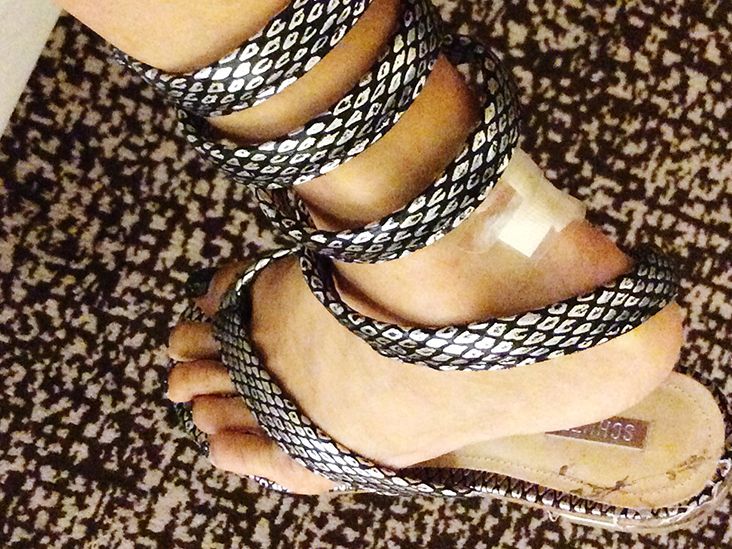
Friction blisters are tiny drama queens of the skin world. One minute you are breaking in new shoes, lifting weights, hiking a trail, gardening, or heroically carrying too many grocery bags at once. The next minute, your skin raises a shiny little bubble and says, “We need to talk.”
A friction blister is a fluid-filled pocket that forms when repeated rubbing, pressure, or shear separates the upper layers of the skin. The body fills that space with clear fluid as a protective cushion while the irritated tissue underneath heals. Most friction blisters are minor and heal at home, but they can become painful, infected, or more serious in people with diabetes, poor circulation, weakened immune systems, or nerve damage.
This guide explains what causes friction blisters, what they look and feel like, how to treat them safely, when to call a doctor, and how to stop them from gate-crashing your feet, hands, heels, toes, palms, and workouts.
What Is a Friction Blister?
A friction blister is a small pocket of fluid that develops after the skin repeatedly rubs against another surface. That surface may be a shoe, sock seam, glove, tool handle, backpack strap, sports equipment, or even another area of skin. The most common locations are the feet and hands because they do a lot of the heavy liftingliterally and socially.
When rubbing continues long enough, the top layer of skin begins to separate from the layers beneath it. Fluid collects in the gap, creating the raised bubble most people recognize as a blister. This fluid is usually clear or pale yellow. If tiny blood vessels are damaged, the blister may look red, purple, or dark and is often called a blood blister.
Although a blister can feel like a punishment from your sneakers, it is actually a protective response. The fluid cushions the damaged skin and gives the tender layer underneath a chance to repair itself. That is why popping a blister too soon can slow healing and increase the risk of infection.
Common Causes of Friction Blisters
Friction blisters happen when three troublemakers team up: rubbing, pressure, and moisture. Add heat or long activity, and your skin may start waving a little white flag.
1. Shoes That Do Not Fit Well
Foot blisters often start with shoes that are too tight, too loose, too stiff, or not shaped well for your feet. Shoes that are too tight squeeze the toes and heels. Shoes that are too loose allow the foot to slide back and forth. Both situations create repeated friction, especially during walking, running, hiking, or standing for long periods.
New shoes are classic blister villains because the material may be stiff before it softens. Dress shoes, hiking boots, work boots, cleats, skates, and high heels can all cause hot spots where the skin rubs again and again.
2. Moisture and Sweat
Moist skin is more vulnerable to friction damage. Sweat softens the outer layer of skin, making it easier for rubbing to separate skin layers. That is why blisters are common during hot-weather runs, long hikes, gym sessions, summer travel days, and any event where your socks become tiny foot saunas.
Cotton socks can make things worse because cotton absorbs moisture and holds it against the skin. Moisture-wicking socks made from synthetic fibers or wool blends are often better for blister prevention.
3. Repetitive Activity
Long walks, endurance runs, military training, cycling, rowing, weightlifting, tennis, baseball, golf, yard work, and manual labor can all lead to friction blisters. The issue is not always one hard rub. Often, it is thousands of small movements repeated over time. Your skin may tolerate the first mile, the first set, or the first hour. By hour three, it may decide to file a formal complaint.
4. Poor Sock or Glove Choice
Socks that bunch, slide, trap sweat, or have thick seams can rub against the skin. Gloves can do the same thing on the palms and fingers, especially during rowing, lifting, cycling, baseball, gardening, or construction work. Protective gear should reduce friction, not audition for the role of sandpaper.
5. Skin-on-Skin Rubbing
Blisters can also form where skin rubs against skin, especially in warm or humid conditions. This may happen between toes, under straps, along thighs, or near areas where clothing creates pressure.
6. Foot Structure and Movement Patterns
High arches, flat feet, bunions, hammertoes, heel spurs, calluses, and uneven gait can create pressure points. When one area of the foot takes more rubbing than it should, blisters may keep returning in the same spot. In these cases, better footwear, insoles, padding, or a podiatry evaluation may help.
Symptoms of Friction Blisters
Friction blisters usually announce themselves before they fully appear. The earliest warning sign is a “hot spot”a warm, tender, irritated area of skin that feels like something is rubbing. If you catch a hot spot early and reduce friction, you may prevent the blister from forming.
Common symptoms include:
- Redness or irritation before the blister appears
- A raised bubble filled with clear fluid
- Tenderness, stinging, burning, or pain
- Swelling around the blister
- Discomfort when walking, gripping, exercising, or wearing shoes
- Thicker or darker fluid if the blister contains blood
- Raw, sensitive skin if the blister breaks open
A small blister may be annoying but manageable. A larger blister on the heel, ball of the foot, toe, or palm can make normal movement surprisingly dramatic. Nothing humbles a person faster than trying to walk confidently with a blister the size of a lentil in the wrong place.
Friction Blister vs. Other Types of Blisters
Not every blister is caused by friction. Burns, sunburn, frostbite, allergic reactions, eczema, poison ivy, infections, autoimmune blistering diseases, and certain medications can also cause blisters. A friction blister usually appears in an area that has been rubbed repeatedly and is often linked to a clear trigger, such as new shoes, long activity, gloves, sports equipment, or tools.
You should be more cautious if blisters appear without an obvious reason, keep coming back, spread across large areas, are accompanied by fever, or appear with a rash, severe swelling, or intense pain. Those signs may point to something beyond a simple friction blister.
How to Treat a Friction Blister at Home
The main goals of friction blister treatment are simple: protect the blister, reduce rubbing, keep the area clean, manage pain, and prevent infection. Most small friction blisters heal on their own within a few days to two weeks, depending on their size and whether friction continues.
Step 1: Stop the Rubbing
First, remove the source of friction. Change shoes, loosen laces, switch socks, stop the activity, add padding, or cover the hot spot. Continuing to rub a blister is like continuing to roast marshmallows after they are already on fire. Technically possible, but not a great plan.
Step 2: Wash the Area Gently
Clean the skin with mild soap and water. Pat it dry with a clean towel. Avoid harsh scrubbing, alcohol, hydrogen peroxide, or aggressive cleaning products, which can irritate the skin and delay healing.
Step 3: Keep an Intact Blister Covered
If the blister is small and not too painful, leave it intact. The skin roof acts as a natural bandage. Cover it with a loose sterile bandage, blister pad, moleskin, or hydrocolloid dressing. A donut-shaped pad can help take pressure off the blister by cushioning the surrounding skin instead of pressing directly on the bubble.
Hydrocolloid blister bandages are popular because they cushion the area, reduce rubbing, and help maintain a moist healing environment. They can be especially useful on heels and toes, where regular bandages may peel off faster than a toddler’s sticker collection.
Step 4: Do Not Pop Small Blisters
For most small blisters, popping is not recommended. Opening the blister removes the protective barrier and gives bacteria a doorway. If the blister is intact, clean, and manageable, protect it and let your body do its repair work.
Step 5: Drain Only If Necessary
If a blister is large, very painful, or likely to burst because of its location, careful drainage may reduce discomfort. The safest option is to have a healthcare professional drain it, especially if you have diabetes, circulation problems, immune system issues, or a high risk of infection.
If you are otherwise healthy and choose to drain a painful blister at home, wash your hands, clean the blister with soap and water, sterilize a needle with rubbing alcohol, puncture the edge of the blister, gently press out the fluid, and leave the overlying skin in place. Apply petroleum jelly or an appropriate ointment, then cover it with a sterile bandage. Change the dressing daily or whenever it becomes wet or dirty.
Step 6: Care for a Broken Blister
If the blister opens on its own, do not peel off the remaining skin unless it is dirty, torn, or hanging loosely. Clean the area gently, apply petroleum jelly, and cover it with a sterile dressing. Replace the bandage daily. Keep the area protected until new skin forms and tenderness improves.
When to See a Doctor
Most friction blisters do not need medical care, but some do. Contact a healthcare professional if the blister shows signs of infection or if you are at higher risk for wound complications.
Seek medical advice if you notice:
- Increasing redness, warmth, swelling, or pain
- Pus, cloudy fluid, greenish drainage, or a bad smell
- Red streaks spreading from the blister
- Fever or chills
- A blister that keeps getting worse instead of better
- Multiple unexplained blisters
- A blister caused by a burn, frostbite, chemical exposure, or infection
- A blister on the foot if you have diabetes, poor circulation, neuropathy, or immune problems
People with diabetes should be especially careful with foot blisters. Nerve damage can make injuries harder to feel, and poor circulation can slow healing. A small blister can become a serious wound if ignored.
How to Prevent Friction Blisters
The best blister treatment is prevention. Once you understand where your skin rubs, you can outsmart the blister before it arrives with its tiny suitcase of misery.
Choose Shoes That Fit Properly
Your shoes should have enough room for your toes, a secure heel, and no sharp pressure points. Shoes should not pinch, slide, or rub. For running, hiking, or long walking days, test footwear before a big event. Breaking in new shoes on vacation day one is how feet learn betrayal.
Wear Moisture-Wicking Socks
Choose socks made from synthetic fibers, merino wool, or blends designed to move moisture away from the skin. Avoid thick cotton socks during sweaty activity. If one pair of socks does not prevent rubbing, some people benefit from a thin liner sock under a thicker outer sock.
Use Padding on Hot Spots
If you know your heel, toe, palm, or arch tends to blister, protect it before activity. Moleskin, athletic tape, blister pads, toe sleeves, gel cushions, and hydrocolloid bandages can reduce shear and pressure. Apply them to clean, dry skin so they stay in place.
Control Moisture
Keep feet as dry as possible. Change damp socks during long activity. Rotate shoes so they can dry between uses. Consider moisture-wicking insoles or breathable footwear. Some people use foot powders or antiperspirant products, though results vary and sensitive skin may react to certain products.
Wear Gloves for Repetitive Hand Work
For weightlifting, rowing, gardening, biking, construction, or yard work, gloves can reduce hand blisters when they fit well. Gloves that are too loose can bunch and create more friction, so choose carefully.
Build Up Activity Gradually
Skin adapts over time. Sudden increases in mileage, gym volume, hiking distance, or manual labor can overwhelm the skin before it has a chance to toughen. Increase activity gradually, especially before races, travel, military training, long shifts, or outdoor adventures.
What Not to Do
When treating friction blisters, avoid these common mistakes:
- Do not pop every blister “just because.”
- Do not peel off the skin roof from an intact blister.
- Do not keep wearing the same rubbing shoes without padding or adjustment.
- Do not use dirty needles or unwashed hands to drain a blister.
- Do not ignore pus, fever, spreading redness, or worsening pain.
- Do not assume recurring blisters are normal if they always appear in the same place.
Also, do not rely on calluses as magical blister armor. Thickened skin may reduce some irritation, but blisters can form under calluses and may be more painful when they do.
How Long Do Friction Blisters Take to Heal?
Small friction blisters may improve in a few days. Larger blisters, broken blisters, or blisters in high-pressure areas may take one to two weeks. Healing can take longer if the area keeps rubbing, gets infected, or is affected by medical conditions that slow wound repair.
During healing, keep the blister protected and reduce pressure. Once the fluid is reabsorbed or drained, the skin roof may dry and peel away naturally as new skin forms underneath. Let that process happen without picking at it. Your skin is renovating; do not wander onto the construction site with a crowbar.
Best Examples of Friction Blisters in Everyday Life
The New-Shoe Heel Blister
This is the celebrity of friction blisters. A stiff shoe rubs the back of the heel until a hot spot becomes a bubble. Prevention usually means better-fitting shoes, heel grips, moleskin, moisture-wicking socks, and breaking in shoes gradually.
The Runner’s Toe Blister
Long runs can cause toes to rub against shoes or each other. Toenails, toe shape, swelling, downhill running, and damp socks can make this worse. Roomier toe boxes, technical socks, toe sleeves, and lace adjustments may help.
The Palm Blister
Weightlifting, rowing, raking leaves, swinging a bat, or using tools can create blisters on the palms. Proper grip, gloves, chalk when appropriate, and gradual conditioning can reduce risk.
The Travel-Day Blister
Long airport walks, sightseeing, heat, and fashionable-but-merciless shoes can combine into one painful souvenir. Pack blister pads, wear proven shoes, and save brand-new footwear for shorter outings.
Real-Life Experience: What Friction Blisters Teach You the Hard Way
Anyone who has had a friction blister knows the lesson usually arrives after the mistake. You do not think about sock fabric until your heel starts burning halfway through a walk. You do not appreciate shoe fit until your big toe forms a tiny water balloon during a weekend hike. You do not understand the emotional power of moleskin until you are limping through a parking lot, bargaining with the universe for a bench.
One common experience is the “new shoes, big plans” scenario. A person buys a fresh pair of sneakers, boots, flats, or dress shoes and decides to wear them for a full day. At first, everything feels fine. Then a warm spot appears on the heel. The smart move would be to stop and cover it immediately, but optimism says, “It is probably nothing.” Optimism is frequently wearing bad shoes. By the end of the day, the skin has lifted into a blister, and every step feels like walking on a tiny soap bubble filled with regret.
Another familiar story comes from runners and walkers. The first miles feel smooth, but sweat builds up, socks shift, and feet swell slightly. A seam rubs a toe. The heel slides. The arch rubs against an insole. By the time the person gets home, the blister is already there. Many experienced runners learn to carry blister pads, change socks during long efforts, and treat hot spots before they become full blisters. That small habit can save an entire training week.
People who work with their hands have their own blister stories. A gardener spends Saturday trimming shrubs, pulling weeds, and raking leaves without gloves. A weightlifter adds extra volume after time off. A baseball player takes batting practice. A rower increases training. At first, the hands feel a little tender. Then the top layer of skin starts to separate. Palm blisters can be especially frustrating because hands are hard to rest. You still need to wash dishes, type, drive, cook, open doors, and pretend you are not emotionally wounded by a jar lid.
The biggest lesson from these experiences is that friction blisters rarely come out of nowhere. They usually send a warning: heat, rubbing, tenderness, or a strange “something is not right” feeling. Responding early is the trick. Stop, dry the area, change socks, adjust the shoe, add tape, apply padding, or take a break. A two-minute fix can prevent a one-week annoyance.
Another lesson is that prevention is personal. One person may need wide-toe shoes. Another may need liner socks. Someone else may need gloves, heel cups, orthotics, lace changes, or hydrocolloid dressings in their backpack. The best blister plan is the one that matches your activity, your skin, your footwear, and your known trouble spots.
Finally, friction blisters teach humility. They are small, but they can change your walk, your workout, your travel plans, and your mood. Treat them with respect, protect the skin, and do not try to “tough it out” when the fix is simple. Your feet and hands are doing unpaid labor all day. Give them decent socks, proper shoes, clean bandages, and the occasional thank-you.
Conclusion
Friction blisters are common, usually minor, and often preventable. They form when repeated rubbing, pressure, and moisture separate the upper skin layers and create a fluid-filled pocket. The best treatment is to reduce friction, keep the blister clean, cover it, and leave small intact blisters alone. If a blister is large or very painful, it may need careful drainage while keeping the skin roof in place.
Prevention comes down to smart basics: well-fitting shoes, moisture-wicking socks, gloves when needed, padding on hot spots, gradual activity increases, and early attention to warning signs. Most blisters heal with home care, but infection symptoms, unexplained blisters, fever, spreading redness, pus, diabetes, poor circulation, or immune problems deserve medical attention.
Note: This article is for educational purposes only and is not a substitute for professional medical advice, diagnosis, or treatment. For severe, infected, recurring, or high-risk blisters, consult a qualified healthcare professional.














