
Neck lines are the beauty plot twist nobody asked for. One day you are applying serum to your face like a responsible adult, and the next day your neck quietly announces, “Remember me?” The skin on the neck is thinner, more delicate, and often more neglected than facial skin, which makes horizontal lines, crepey texture, discoloration, and sagging show up sooner than many people expect.
The good news: you can improve the look of neck lines. The honest news: no cream can iron your neck like a linen shirt. Dermatologists typically recommend a mix of prevention, consistent skin care, smart lifestyle habits, and, when desired, professional treatments. The best plan depends on whether your neck lines are fine, deep, caused by sun damage, related to posture, or paired with loose skin.
This guide explains how to get rid of neck linesor at least make them much less dramaticusing expert-approved strategies that are realistic, safe, and worth your time.
What Are Neck Lines?
Neck lines are wrinkles, folds, or creases that appear across or down the neck. They can be shallow and fine, like soft paper creases, or deeper and more visible, like the neck equivalent of a permanent “do not fold” mark.
Common types of neck lines
- Horizontal neck lines: Often called “necklace lines,” these wrap around the neck and may become more obvious with age, genetics, and repeated bending of the neck.
- Crepey neck skin: Thin, finely wrinkled skin that looks slightly loose or papery, usually linked to collagen loss and sun damage.
- Vertical neck bands: These are related to the platysma muscle and tend to become more visible with aging and skin laxity.
- Texture and discoloration: Sun spots, roughness, and uneven tone can make neck wrinkles look deeper than they are.
Why Do Neck Lines Happen?
Neck lines happen for the same basic reasons facial wrinkles happen: collagen breaks down, elastin weakens, skin gets drier, and years of facial expressions, movement, and sun exposure leave their signatures. The neck, however, has a few disadvantages. It has thinner skin, fewer oil glands than the face, and is frequently skipped during sunscreen application. Rude, but true.
1. Natural aging
As we age, the skin gradually produces less collagen and elastin. Collagen gives skin firmness; elastin helps it bounce back. When both decline, the neck becomes more prone to wrinkles, sagging, and crepey texture.
2. Sun damage
Ultraviolet radiation is one of the biggest causes of premature skin aging. UV rays damage collagen and elastin, leading to wrinkles, pigmentation, rough texture, and laxity. The neck is often exposed while driving, walking, gardening, or sitting near windows, even when the face gets sunscreen and the neck gets nothing but hope.
3. Repeated posture and “tech neck”
Looking down at phones, laptops, and tablets can deepen horizontal folds over time. Posture alone does not create every neck wrinkle, but repeated bending may make existing lines more noticeable.
4. Genetics
Some people naturally develop neck lines earlier due to inherited skin structure, facial anatomy, or how their skin stores collagen and fat. If your family has early neck creases, you may see them sooner too.
5. Weight changes
Weight gain can stretch the skin, while weight loss may leave loose skin behind. This can make neck lines, folds, and sagging more visible.
6. Smoking and pollution
Smoking accelerates skin aging by increasing oxidative stress and reducing blood flow to the skin. Pollution can also contribute to free radical damage, which affects skin tone, texture, and firmness.
Can You Really Get Rid of Neck Lines?
You can soften neck lines, improve texture, support collagen, and prevent lines from getting worse. However, the word “remove” depends on the type and depth of the wrinkle. Fine lines may improve noticeably with daily sunscreen, retinoids, moisturizers, and gentle exfoliation. Deep folds, platysmal bands, or significant sagging usually need in-office treatments for visible correction.
Think of it this way: skin care is excellent for polishing, strengthening, and preventing. Professional treatments are better for remodeling, tightening, lifting, and filling. A smart plan may use both.
Expert-Approved Ways to Get Rid of Neck Lines
1. Wear Sunscreen on Your Neck Every Day
If you do only one thing for neck lines, make it sunscreen. Daily broad-spectrum sunscreen helps protect against UVA and UVB rays, both of which contribute to premature aging. Choose SPF 30 or higher for everyday use, and apply it to the front, sides, and back of the neck.
Do not stop at the jawline. The jawline is not a magic border where UV rays respectfully turn around. Apply sunscreen from your face down to your chest, and reapply every two hours when outdoors, sweating, or swimming.
Smart sunscreen tips for neck wrinkles
- Use a broad-spectrum SPF 30 or higher daily.
- Apply enough product; a tiny dot will not protect an entire neck.
- Use water-resistant sunscreen for outdoor activity.
- Try tinted mineral sunscreen if you also have discoloration or sun spots.
- Wear UPF clothing, hats, or scarves for extra protection.
2. Add a Retinoid Slowly
Retinoids are vitamin A derivatives widely used for fine lines, uneven texture, and photoaging. They help encourage skin cell turnover and support collagen production. Over-the-counter retinol may be enough for beginners, while prescription tretinoin may be recommended by a dermatologist for more advanced concerns.
The neck is more sensitive than the face, so start gently. Use a pea-sized amount for the entire neck two nights per week, followed by moisturizer. If your skin handles it, gradually increase frequency. If your neck becomes red, itchy, or flaky, slow down. Your neck should not feel like it joined a hot sauce challenge.
People who are pregnant, trying to become pregnant, or breastfeeding should avoid retinoids unless their clinician says otherwise.
3. Use Moisturizer Like It Has a Job
Moisturizer will not erase deep neck lines, but it can make fine lines look softer by improving hydration and supporting the skin barrier. Look for ingredients that attract and seal in moisture.
Best moisturizing ingredients for neck lines
- Hyaluronic acid: Helps draw water into the skin for a plumper appearance.
- Glycerin: A reliable humectant that supports hydration.
- Ceramides: Help strengthen the skin barrier.
- Squalane: Lightweight moisture support for dry or mature skin.
- Shea butter: Helpful for very dry neck skin, especially at night.
Apply moisturizer while the skin is slightly damp. This helps trap hydration and makes the neck look smoother almost immediately.
4. Try Antioxidants in the Morning
Antioxidants help defend the skin from environmental stressors. Vitamin C, niacinamide, vitamin E, ferulic acid, and green tea extract are common ingredients in anti-aging skin care. They are not a replacement for sunscreen, but they pair beautifully with it.
A morning routine with antioxidant serum, moisturizer, and sunscreen can help brighten uneven tone and support healthier-looking skin over time. If your neck is sensitive, niacinamide may be easier to tolerate than strong vitamin C formulas.
5. Consider Peptides for Firmness Support
Peptides are short chains of amino acids used in many firming creams and serums. While they are not as proven as prescription retinoids, they can be useful in a neck routine, especially for people who cannot tolerate stronger active ingredients.
Peptide creams work best when used consistently and combined with sunscreen, moisturizer, and healthy skin habits. They are the dependable supporting character, not the superhero with a cape.
6. Exfoliate GentlyVery Gently
Gentle exfoliation can improve rough texture and help skin look brighter. Ingredients like lactic acid, glycolic acid, or polyhydroxy acids may be helpful, but the neck can react quickly to over-exfoliation.
Start once weekly. Do not combine strong acids and retinoids on the same night unless a dermatologist recommends it. If your skin stings, burns, peels heavily, or looks shiny and irritated, you are doing too much. Neck skin prefers manners.
7. Improve Your Posture and Screen Habits
Posture changes will not erase existing neck lines, but they may help prevent horizontal creases from becoming more pronounced. Raise your phone to eye level, adjust your monitor, and take breaks from looking down.
Simple changes help:
- Hold your phone higher instead of dropping your chin.
- Use a laptop stand or external monitor.
- Stretch your neck and shoulders during long work sessions.
- Avoid sleeping with your neck sharply bent.
Bonus: your neck, shoulders, and future self will all send thank-you notes.
8. Do Not Forget the Chest
Neck care should extend to the chest, also called the décolletage. Sun damage and wrinkles often show up there too. Apply the same sunscreen, moisturizer, and antioxidant products from your face to your neck and chest unless the product is too strong for the area.
Best Skin Care Routine for Neck Lines
Morning routine
- Cleanse gently or rinse with lukewarm water.
- Apply antioxidant serum, such as vitamin C or niacinamide.
- Use a hydrating moisturizer with ceramides or hyaluronic acid.
- Apply broad-spectrum SPF 30 or higher to the neck and chest.
Night routine
- Cleanse gently to remove sunscreen and sweat.
- Apply retinol or retinoid two to three nights per week at first.
- Use moisturizer generously.
- On non-retinoid nights, use peptides or barrier-repair cream.
Consistency matters more than owning seventeen products. A simple routine done daily beats a luxury shelf collection that only gets used when Mercury is in retrograde.
Professional Treatments for Neck Lines
If topical products are not giving you the results you want, a board-certified dermatologist or plastic surgeon can recommend treatments based on your skin type, line depth, budget, and downtime tolerance.
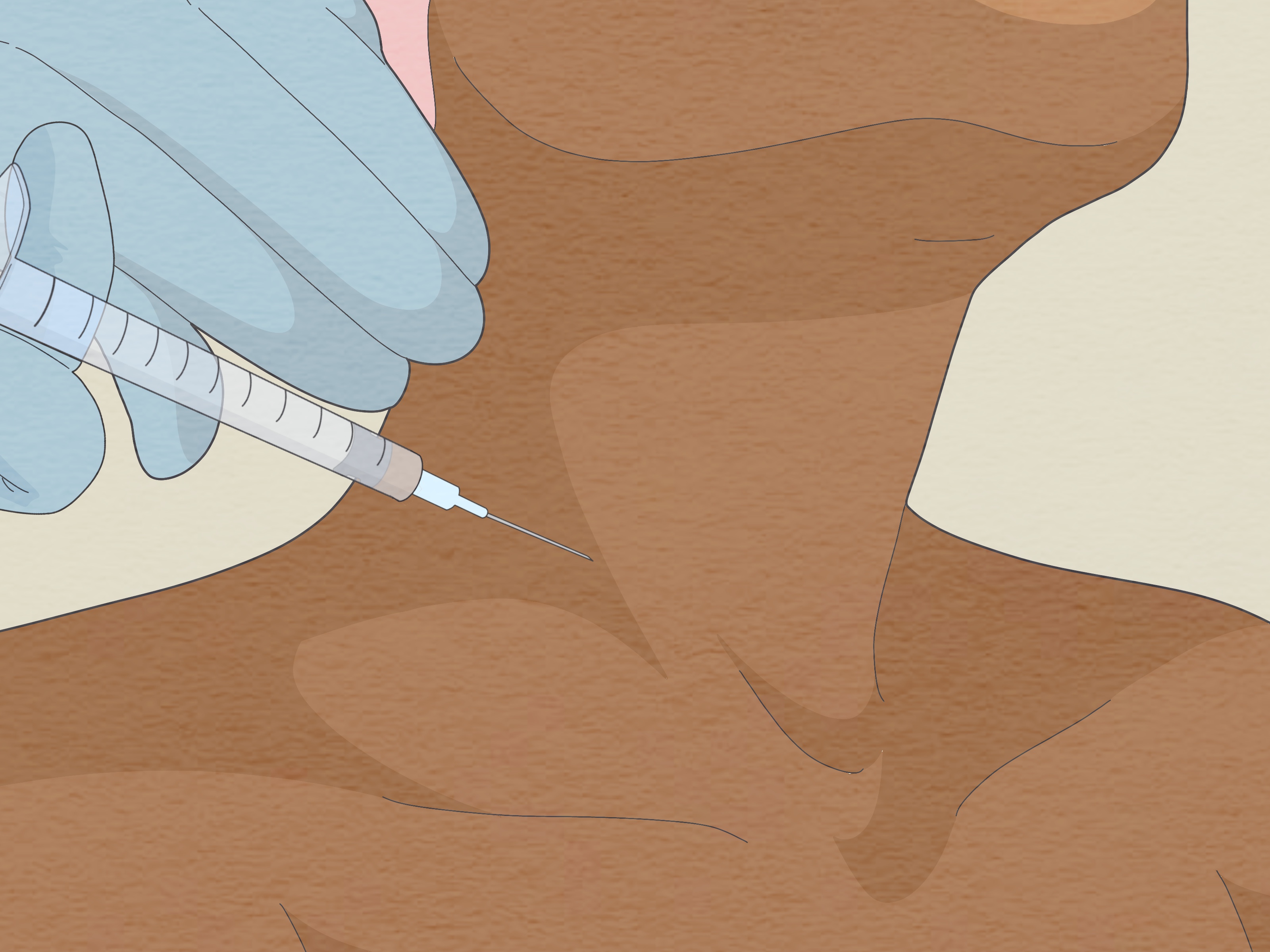
Botox or other neuromodulators
Neuromodulator injections can help soften vertical neck bands caused by platysma muscle movement. They may also be used in selected cases to improve jawline definition. Results are temporary and usually require maintenance.
Dermal fillers
Soft hyaluronic acid fillers may be used carefully for horizontal neck lines. This area requires advanced technique because the skin is thin and the anatomy is delicate. Choose an experienced injector, not someone whose main credential is “great lighting on Instagram.”
Laser resurfacing
Laser treatments can improve sun damage, texture, discoloration, and fine lines by stimulating collagen remodeling. Options include fractional lasers and other resurfacing devices. Downtime varies depending on the treatment strength.
Microneedling and radiofrequency microneedling
Microneedling creates controlled micro-injuries that encourage collagen production. Radiofrequency microneedling adds heat energy to target firmness and texture. These treatments may help crepey neck skin and mild laxity, often requiring a series of sessions.
Chemical peels
Light chemical peels can improve uneven tone and texture. Medium-depth peels may offer stronger results but carry more risk, especially for darker skin tones or sensitive skin. Professional guidance is important.
Ultrasound or radiofrequency tightening
Energy-based tightening treatments can help mild to moderate laxity by heating deeper layers of skin and encouraging collagen contraction and remodeling. Results are gradual and may be subtle compared with surgery.
Neck lift surgery
For significant sagging skin, deep folds, or prominent neck bands, a neck lift may provide the most dramatic and long-lasting improvement. This procedure can remove excess skin, tighten underlying muscles, and refine the jawline and neck contour. It is surgery, so it requires consultation, recovery time, and careful consideration.
What Not to Do for Neck Lines
- Do not use harsh scrubs: They can irritate thin neck skin and worsen texture.
- Do not apply strong face actives too aggressively: The neck may not tolerate what your cheeks can handle.
- Do not try DIY microneedling: At-home needling can cause infection, scarring, and pigmentation problems.
- Do not skip sunscreen after treatments: Many anti-aging treatments make skin more sun-sensitive.
- Do not expect overnight miracles: Most topical routines need at least three to six months of consistency.
Lifestyle Habits That Help Neck Skin Age Better
Skin care works better when your daily habits are not fighting it behind the scenes. To support smoother, firmer-looking neck skin, avoid smoking, prioritize sleep, eat enough protein, stay hydrated, and manage stress where possible. A balanced diet with colorful fruits, vegetables, healthy fats, and lean protein gives your body the nutrients it needs for normal skin repair.
Also, be mindful of rapid weight changes. While body weight is personal and complex, major fluctuations can affect skin elasticity, especially around the face and neck.
When to See a Dermatologist
See a dermatologist if your neck lines appeared suddenly, your skin is irritated, you have rough or scaly patches that do not heal, or you want stronger results than home care can provide. A professional can also help you avoid wasting money on products that promise “swan neck by Tuesday.” Lovely image, suspicious timeline.
A dermatologist can identify whether your main issue is collagen loss, sun damage, muscle banding, pigmentation, or loose skin. That diagnosis matters because each concern responds best to different treatments.
Real-Life Experience: What Actually Helps Neck Lines Over Time
One of the most common experiences people have with neck lines is realizing that the neck has been excluded from skin care for years. Many people use cleanser, serum, moisturizer, and sunscreen on the face, then stop at the jawline as if the neck signed a separate contract. After a few months of extending products downward, they often notice that the skin looks less dry, less dull, and slightly smoother. The lines may not vanish, but the whole area looks better cared for.
A realistic first month usually looks like this: sunscreen feels annoying, retinol feels intimidating, and the neck may be more sensitive than expected. Someone might apply a strong retinol three nights in a row and wake up with redness, tightness, and regret. The better approach is slower. Two nights a week, sandwiching retinol between moisturizer layers, often works better than rushing. Skin improvement is not a sprint; it is more like convincing a cat to enter a carrierpossible, but patience is required.
By month two or three, hydration tends to improve first. Fine lines may look softer because the skin barrier is healthier and less dehydrated. Antioxidants and niacinamide may help the tone look more even, especially for people with mild discoloration. This is when many people realize the goal is not to chase a perfectly smooth neck, but to make the skin look healthier and more balanced.
For deeper horizontal lines, home care alone often reaches a limit. This is where people who consult a dermatologist may learn about options like laser resurfacing, microneedling, radiofrequency treatments, or carefully placed filler. The most satisfying results usually come from matching the treatment to the problem. For example, crepey texture may respond better to collagen-stimulating treatments, while strong vertical bands may need neuromodulator injections. Loose skin may require tightening procedures or surgery for meaningful change.
Another practical lesson: posture changes help more than people expect, not because they erase wrinkles, but because they reduce repeated folding. Raising a phone to eye level, adjusting a laptop, and stretching the shoulders during work can make the neck feel better and may prevent lines from becoming more deeply etched. It is not glamorous, but neither is accidentally spending six hours a day shaped like a shrimp.
The biggest experience-based takeaway is consistency. People who see improvement usually do not follow a complicated routine. They use sunscreen every morning, moisturize daily, introduce retinoids gradually, and avoid irritating the skin. They also accept that professional treatments are not a failure of skin care; they are simply tools for concerns that creams cannot fully correct. A healthy, smoother-looking neck is built through small habits repeated oftennot through panic-buying every product with the word “firming” on the label.
Conclusion
Neck lines are normal, common, and often treatable. The best way to reduce their appearance is to combine daily sun protection, gentle retinoids, barrier-supporting moisturizers, antioxidants, smart posture habits, and professional treatments when needed. Fine lines and texture may improve with consistent skin care, while deeper folds, vertical bands, and sagging usually require help from a qualified dermatologist or plastic surgeon.
The neck deserves the same attention as the face. Bring your products down, protect the area from the sun, and be patient. Your neck may not become a wrinkle-free marble statue, but it can look smoother, healthier, and far less neglected.
Note: This article is for educational purposes only and does not replace personalized advice from a board-certified dermatologist or licensed medical professional.












