
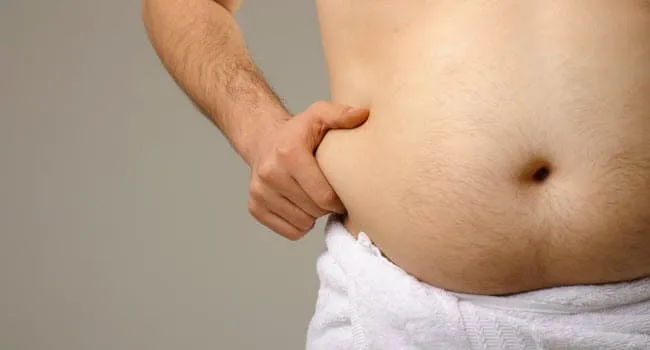
For years, belly fat has been treated like the villain in a superhero movie: ominous music, dramatic lighting, and everyone yelling, “Get rid of it!” But new research suggests the story is more interesting than “belly fat bad, six-pack good.” Exercise may not only help reduce harmful abdominal fat; it may also change the biology of certain belly fat, making it healthier, better organized, and less likely to cause metabolic chaos.
Yes, you read that correctly. Some belly fat may become “healthier” with regular exercise. Before anyone celebrates by naming their love handles and giving them tiny birthday hats, let’s clarify: this does not mean excess belly fat is suddenly a wellness accessory. It means that the body’s fat storage system is smarter than we often give it credit for, and exercise appears to train that system to behave more responsibly.
The key distinction is between subcutaneous belly fat, the softer fat under the skin that you can pinch, and visceral fat, the deeper fat packed around organs. Visceral fat is the more dangerous neighbor. It is linked with insulin resistance, inflammation, fatty liver disease, heart disease, and type 2 diabetes. Subcutaneous fat, while not harmless in excess, can act like a safer storage warehouse when it functions well. Exercise may help remodel that warehouse so it has better blood flow, less inflammation, and improved capacity to store fat away from organs.
What Does “Healthier Belly Fat” Actually Mean?
When scientists talk about healthier belly fat, they are not talking about flatter abs, tighter jeans, or looking good under fluorescent gym lighting, which nobody does. They are talking about the structure and function of adipose tissue. Adipose tissue is not just passive padding. It is a living, hormone-producing, immune-signaling, energy-storing organ. Think of it as a busy city, not a storage closet.
Healthy adipose tissue tends to have good blood vessel supply, flexible fat cells, lower inflammation, and better insulin sensitivity. Unhealthy adipose tissue often becomes enlarged, poorly oxygenated, inflamed, stiffened by fibrosis, and less able to safely store energy. When fat tissue stops working well, extra fat can spill into places it does not belong, such as the liver, muscles, heart, and around internal organs. That is when the metabolic drama begins.
Exercise seems to improve the “city planning” of subcutaneous abdominal fat. Regular physical activity may support more capillaries, better mitochondrial activity, less inflammatory immune cell activity, and reduced tissue stiffness. In plain English: exercise may help belly fat behave more like an organized pantry and less like a junk drawer after a holiday weekend.
The Study Behind the Buzz
A major reason this topic gained attention is research comparing adults with overweight or obesity who had exercised regularly for years with similar adults who did not exercise. The long-term exercisers had abdominal subcutaneous fat tissue that looked healthier under the microscope and behaved better in laboratory testing. Their fat tissue showed signs of improved blood flow, reduced inflammation, and better ability to store fat safely.
One especially interesting part of the research involved growing fat tissue in a lab from cells collected from participants. Cells from the exercisers developed into tissue that appeared better at storing fat. That matters because safer fat storage under the skin may reduce the likelihood that fat accumulates around organs or in the liver. It is not glamorous science, but it is powerful. Your fat cells may not be writing thank-you notes after your workouts, but they may be remodeling the place.
The study does not mean exercise magically turns all belly fat into health food. It also does not mean people should aim to gain subcutaneous belly fat. The better takeaway is this: regular exercise may improve metabolic health in ways that are not always visible on the scale. A person may not lose dramatic weight, yet their fat tissue, blood sugar control, inflammation levels, and cardiovascular risk may still improve.
Subcutaneous Fat vs. Visceral Fat: Why Location Matters
Body fat location matters. Two people can have the same body mass index and very different health risks depending on where fat is stored. Visceral fat is the deeper abdominal fat that surrounds organs. It is metabolically active, meaning it releases inflammatory chemicals and hormones that can interfere with insulin function, cholesterol levels, blood pressure, and liver health.
Subcutaneous fat sits below the skin. It is the fat you can pinch around your abdomen, thighs, hips, or arms. While too much body fat overall can raise health risks, subcutaneous fat is generally less dangerous than visceral fat. In fact, when subcutaneous fat can expand in a healthy way, it may protect the body by storing extra energy away from organs.
Why Visceral Fat Is the Bigger Problem
Visceral fat is not just sitting quietly inside the abdomen. It is more like a loud roommate who leaves dishes everywhere and invites inflammation over for dinner. Excess visceral fat is associated with higher risk of type 2 diabetes, cardiovascular disease, fatty liver disease, metabolic syndrome, and chronic low-grade inflammation.
One reason visceral fat is risky is its location near the portal vein, which carries blood from the intestines to the liver. Fatty acids and inflammatory signals from visceral fat can travel directly to the liver, contributing to insulin resistance and abnormal blood lipids. This is why waist size can sometimes say more about metabolic risk than weight alone.
Why Subcutaneous Fat Can Be Safer
Subcutaneous fat can serve as an energy buffer. When it is healthy, it stores extra calories in a way that keeps fat from building up in the liver, pancreas, heart, and skeletal muscle. This does not make extra subcutaneous fat ideal, but it does make the quality of fat tissue important.
Imagine your body has to store extra energy. A well-run storage unit with shelves, labels, and ventilation is safer than stuffing boxes into the furnace room. Healthy subcutaneous fat is more like the storage unit. Visceral and ectopic fat are more like the furnace room. Exercise helps the body become a better warehouse manager.
How Exercise May Remodel Belly Fat
Exercise affects fat tissue through several pathways. It increases energy demand, improves insulin sensitivity, changes hormone signaling, improves blood vessel function, and reduces chronic inflammation. Over time, these changes can reshape how fat cells grow, store energy, and communicate with the rest of the body.
1. Better Blood Flow
Fat tissue needs oxygen and nutrients just like other tissues. When fat expands too quickly or becomes poorly vascularized, parts of the tissue can become oxygen-starved. That can trigger inflammation and fibrosis. Regular endurance exercise may encourage better capillary density in abdominal subcutaneous fat, improving circulation and tissue health.
2. Less Inflammation
Unhealthy fat tissue often attracts inflammatory immune cells, especially certain macrophages. These immune cells can release cytokines that interfere with insulin signaling. Exercise is known to reduce chronic low-grade inflammation and may help shift fat tissue toward a less inflammatory state. Translation: your body stops acting like every meal is a tiny emergency.
3. Improved Mitochondrial Function
Mitochondria are the energy-producing structures inside cells. In healthier fat tissue, mitochondria tend to function better, supporting more flexible metabolism. Exercise improves mitochondrial health in muscles, and emerging research suggests fat tissue may benefit too.
4. Reduced Fibrosis
Fibrosis is the buildup of stiff, scar-like tissue. In adipose tissue, too much fibrosis can make fat less flexible and less able to expand safely. That may push fat storage toward more harmful areas. Long-term exercise appears to be associated with less fibrotic, more adaptable subcutaneous fat tissue.
5. Better Insulin Sensitivity
Exercise helps muscles absorb glucose from the bloodstream, often improving blood sugar control even before major weight loss occurs. Healthier fat tissue may also respond better to insulin, making it easier for the body to regulate energy storage and release.
Why the Scale Does Not Tell the Whole Story
If your only health metric is the bathroom scale, exercise can feel rude. You walk, lift, sweat, stretch, resist the seductive call of the couch, and then the scale shrugs like a bored teenager. But the scale cannot tell you whether visceral fat decreased, whether insulin sensitivity improved, whether blood pressure dropped, or whether fat tissue became less inflamed.
This is one reason researchers and clinicians increasingly focus on metabolic health, waist circumference, body composition, fitness level, and lab markers instead of weight alone. A person can lose visceral fat while seeing only modest weight change. Another person can gain muscle while losing fat, making the scale appear stubborn even as health improves.
Exercise is especially valuable because it improves health through multiple routes. It can reduce visceral fat, improve blood sugar control, lower triglycerides, raise cardiorespiratory fitness, support healthy blood pressure, improve sleep, preserve muscle, and reduce inflammation. Weight loss may happen, but it is not the only prize in the cereal box.
What Kind of Exercise Helps Belly Fat Become Healthier?
The best exercise plan is the one you can repeat consistently without developing a personal feud with your sneakers. Research supports both aerobic activity and resistance training for improving abdominal fat, insulin sensitivity, and cardiovascular health. The magic is not in one perfect workout. It is in regular movement, progressive challenge, and enough recovery to keep going.
Aerobic Exercise
Aerobic exercise includes brisk walking, jogging, cycling, swimming, rowing, dancing, hiking, and any activity that raises your heart rate for a sustained period. It is strongly associated with reductions in visceral fat and improvements in cardiovascular fitness. Brisk walking may sound humble, but humble things can be powerful. Beans, seat belts, and walking all deserve more respect.
A practical target is at least 150 minutes per week of moderate-intensity aerobic activity, such as 30 minutes a day, five days a week. People who can safely do more may gain additional benefits. Moderate intensity usually means you can talk but not sing. If you can belt out a full Broadway number during your workout, you may be strolling, not training.
Resistance Training
Strength training helps build and preserve muscle, and muscle is a major site for glucose disposal. More active muscle improves metabolic flexibility and supports long-term weight management. Resistance training can include free weights, machines, resistance bands, bodyweight exercises, Pilates-style strength work, or loaded carries.
Aim for two or more days per week of muscle-strengthening activities that train major muscle groups: legs, hips, back, chest, core, shoulders, and arms. Squats, deadlifts, rows, presses, lunges, step-ups, pushups, and carries are classic choices. You do not need to train like a superhero. You just need to give your muscles a reason to stay employed.
High-Intensity Intervals
High-intensity interval training, or HIIT, alternates short bursts of harder effort with easier recovery periods. HIIT can improve fitness and may help reduce visceral fat, but it is not mandatory. It is also not ideal for everyone, especially beginners, people with joint pain, or those with certain heart conditions. The best use of HIIT is as seasoning, not the whole meal.
For example, after building a base of walking or cycling, a person might add 30 seconds of faster effort followed by 90 seconds of easy movement, repeated several times. The goal is challenge, not punishment. Exercise should not feel like your body filed a complaint with management.
Can Crunches Burn Belly Fat?
Crunches can strengthen abdominal muscles, but they do not specifically burn belly fat. Spot reduction is one of fitness culture’s most persistent myths, right up there with “this detox tea will change your destiny.” Fat loss happens systemically. Your body decides where fat comes off first based on genetics, hormones, sex, age, sleep, stress, and overall energy balance.
Core exercises are still useful. A stronger core supports posture, balance, lifting mechanics, and back health. Planks, dead bugs, side planks, bird dogs, carries, and anti-rotation presses can all be part of a smart routine. Just do not expect them to send a formal eviction notice to belly fat by Friday.
Food Still Matters, but It Is Not a Crash-Diet Contest
Exercise is powerful, but nutrition matters too. A diet rich in fiber, lean protein, fruits, vegetables, whole grains, beans, nuts, seeds, and healthy fats supports better metabolic health. Highly processed foods, sugary drinks, frequent alcohol intake, and oversized portions can make visceral fat harder to manage.
The goal is not to eat like a monk who fears flavor. A realistic plate might include grilled chicken or tofu, brown rice, roasted vegetables, olive oil, and fruit. Breakfast might be Greek yogurt with berries and nuts, or eggs with vegetables and whole-grain toast. A snack might be an apple with peanut butter instead of a mystery pastry from the gas station that tastes like regret and frosting.
Protein helps maintain muscle. Fiber helps with fullness, gut health, and blood sugar control. Healthy fats support satiety and heart health. Consistency matters more than nutritional theatrics. A boring plan you follow beats a perfect plan you abandon after three days because it requires twelve powders and emotional support from a blender.
Sleep, Stress, and the Belly Fat Connection
Sleep and stress are major players in abdominal fat storage. Poor sleep can affect hunger hormones, insulin sensitivity, cravings, and energy levels. Chronic stress can raise cortisol, which may encourage fat storage around the midsection in some people. This does not mean stress alone causes belly fat, but it can make healthy habits harder to maintain.
Improving sleep may mean setting a regular bedtime, reducing evening screen exposure, limiting late caffeine, keeping the bedroom cool, and treating sleep apnea if symptoms are present. Stress management may include walking, breathing exercises, therapy, journaling, social support, prayer, meditation, or simply saying no to things that deserve a polite but firm “absolutely not.”
A Practical Weekly Plan for Healthier Belly Fat
Here is a simple example for someone cleared for exercise and starting from a moderate fitness level:
Monday
Brisk walk for 30 minutes plus 10 minutes of core work, such as planks, bird dogs, and dead bugs.
Tuesday
Full-body strength training: squats, rows, pushups, hip hinges, overhead presses, and loaded carries.
Wednesday
Easy cycling, swimming, or walking for 30 to 40 minutes. Keep it comfortable and conversational.
Thursday
Strength training again, using slightly different movements or rep ranges. Focus on form, not ego.
Friday
Brisk walk with short intervals: 1 minute faster, 2 minutes easier, repeated 6 to 8 times.
Saturday
Longer enjoyable movement: hiking, dancing, pickleball, yard work, or a bike ride. Bonus points if it does not feel like “exercise” but still makes your body work.
Sunday
Rest, gentle stretching, mobility work, or a relaxed walk. Recovery is part of training, not laziness wearing sweatpants.
Who Should Be Careful?
Most people benefit from more movement, but some should check with a healthcare professional before increasing intensity. This includes people with chest pain, uncontrolled high blood pressure, serious heart conditions, severe joint pain, dizziness with exertion, pregnancy complications, or chronic medical conditions that require monitoring.
Beginners should start gently. Walking 10 minutes after meals, using stairs, doing chair squats, or lifting light weights can be enough to begin. The body adapts when it receives a repeatable signal. You do not need to destroy yourself. You need to convince your body, week after week, that movement is part of normal life.
Specific Example: Two People, Same Weight, Different Metabolic Story
Imagine two people who weigh the same and have similar waist measurements. One exercises regularly: walks most days, lifts weights twice a week, sleeps well, and eats mostly whole foods. The other is mostly sedentary, sleeps poorly, and often eats ultra-processed meals. Their bathroom scales may show similar numbers, but their internal biology may be very different.
The active person may have less visceral fat, better insulin sensitivity, stronger muscles, healthier blood pressure, lower inflammation, and more functional subcutaneous fat tissue. The sedentary person may have more visceral fat and less flexible fat storage. Same weight, different story. The scale is not a medical autobiography; it is one short sentence.
Experience-Based Insights: What This Looks Like in Real Life
One of the most encouraging parts of this topic is that it matches what many consistent exercisers notice in real life. The first changes are not always dramatic mirror changes. Sometimes the earliest signs are quieter: better energy after meals, fewer afternoon crashes, easier stair climbing, improved sleep, looser waistbands, better mood, and a surprising willingness to park farther away from the store without acting like civilization has collapsed.
People often begin exercising with one goal: “I want to lose belly fat.” That goal is understandable, but it can become frustrating if the tape measure does not change quickly. A more useful mindset is: “I am training my metabolism.” This shift matters. When someone walks after dinner, lifts weights twice a week, or adds cycling on weekends, they are not merely burning calories. They are sending signals to muscle, liver, blood vessels, immune cells, and fat tissue. Those signals say: use glucose better, improve circulation, reduce inflammation, store energy more safely, and become more resilient.
Consider a common scenario. A busy office worker starts with 20-minute walks during lunch. At first, nothing seems to happen. No movie montage. No magical shrinking waistband. But after three weeks, they notice they are less sleepy at 3 p.m. After six weeks, their resting heart rate improves. After two months, they add two short strength sessions using dumbbells at home. Their weight drops only a few pounds, but their waist is smaller, their blood sugar looks better at a checkup, and climbing stairs no longer feels like negotiating with a mountain.
Another example is the person who has tried intense workout plans before and quit because the routine was too aggressive. For them, the winning formula may be boring consistency: walking five days a week, strength training Monday and Thursday, protein at breakfast, and a regular bedtime. Boring is underrated. Boring builds habits. Boring shows up when motivation is off somewhere eating chips.
Many people also discover that exercise changes their relationship with food. Not perfectly, of course. Exercise does not make broccoli taste like pizza. But regular movement often improves appetite awareness. A person may crave more protein, drink more water, or become less interested in foods that leave them sluggish. This creates a helpful loop: movement supports better choices, and better choices support more movement.
The most realistic experience is not linear. Some weeks are excellent. Some weeks involve travel, deadlines, family stress, or a mysterious knee complaint that appears after “sleeping wrong,” one of adulthood’s least glamorous injuries. The goal is not perfection. The goal is returning. Every walk, every workout, every meal with fiber and protein, every earlier bedtime is a vote for healthier metabolism.
That is why the idea of healthier belly fat is so motivating. It reminds us that exercise is not just cosmetic. It is cellular. It works below the surface, in places no mirror can see. Your body may be improving blood flow, calming inflammation, and making fat storage safer long before anyone else notices. In other words, your workouts may be doing impressive behind-the-scenes work, like a stage crew in sneakers.
Conclusion: Exercise Changes More Than Your Waistline
The idea that exercise may result in healthier types of belly fat adds a smarter layer to the conversation about weight, fitness, and metabolic health. Belly fat is not all the same. Visceral fat is strongly linked with health risks, while subcutaneous fat can be safer when it functions well. Regular exercise may improve the quality of subcutaneous abdominal fat by supporting better blood flow, lower inflammation, healthier fat storage, and improved insulin sensitivity.
This does not mean excess belly fat is harmless, and it does not mean exercise gives anyone a free pass to ignore nutrition, sleep, stress, or medical care. But it does mean that your workouts matter even when visible results are slow. The body is not just changing on the outside; it may be remodeling deep inside the tissue itself.
So the next time the scale refuses to applaud, remember this: your cells may already be clapping. Quietly, scientifically, and with much better rhythm than expected.
Note: This article is for educational purposes only and should not replace medical advice. People with health conditions, pain, or concerns about abdominal fat should consult a qualified healthcare professional before making major changes to exercise, diet, or treatment routines.














