
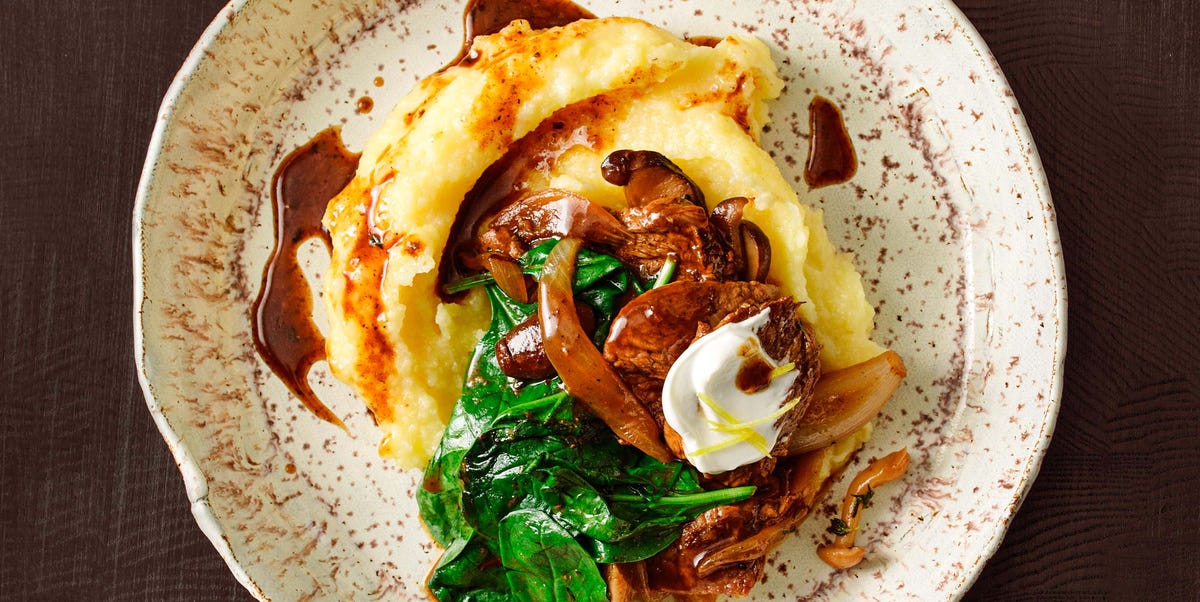
There are cozy dinners, and then there is wild mushroom and beef stroganoff: the kind of creamy, savory, fork-twirling meal that makes everyone at the table suddenly “just checking” whether there is more in the pan. This recipe takes the classic beef stroganoff formulatender strips of beef, browned mushrooms, onions, a rich pan sauce, and a tangy finish of sour creamand gives it a deeper, woodsy upgrade with a mix of wild-style mushrooms.
The secret is not complicated. Use good beef, brown it quickly, let the mushrooms actually caramelize, and add sour cream gently so the sauce turns silky instead of grainy. In other words, do not rush the mushrooms, do not boil the sour cream, and do not treat the beef like it owes you money. A light hand wins here.
This best wild mushroom and beef stroganoff recipe is designed for home cooks who want restaurant-level flavor without needing a culinary school diploma, a copper saucier, or an emotional support shallot. It is rich enough for Sunday dinner, quick enough for a weeknight, and flexible enough to serve over egg noodles, mashed potatoes, rice, or buttered pappardelle.
Why This Wild Mushroom and Beef Stroganoff Works
Classic beef stroganoff usually relies on mushrooms, onions, beef broth, mustard, Worcestershire sauce, and sour cream. This version keeps the familiar comfort-food soul but builds more flavor at every stage. Instead of using only white button mushrooms, it combines cremini mushrooms with wild mushroom varieties such as shiitake, oyster, maitake, or chanterelles. These mushrooms bring deeper umami, a slightly earthy aroma, and a more interesting texture.
The beef is sliced thinly across the grain so it cooks fast and stays tender. A very hot skillet gives it a quick sear, then it comes out of the pan before it overcooks. The mushrooms and onions go into the same pan, where they pick up all those browned bits. That is not stuck food; that is free flavor wearing a tiny brown jacket.
The sauce is finished with Dijon mustard and Worcestershire sauce for savory depth, then sour cream is stirred in at the end. This keeps the stroganoff creamy, tangy, and smooth without turning it into a heavy cream swamp. The final result is a balanced wild mushroom beef stroganoff with tender beef, a glossy sauce, and enough mushroom flavor to make the noodles feel important.
Ingredients for Wild Mushroom and Beef Stroganoff
Main Ingredients
- 1 1/2 pounds beef sirloin, ribeye, tenderloin tips, or flank steak, thinly sliced across the grain
- 12 ounces mixed mushrooms, such as cremini, shiitake, oyster, maitake, or chanterelles
- 1 medium yellow onion, thinly sliced
- 3 cloves garlic, minced
- 3 tablespoons unsalted butter, divided
- 1 tablespoon olive oil
- 2 tablespoons all-purpose flour
- 1/2 cup dry white wine, dry sherry, or extra beef broth
- 1 1/2 cups low-sodium beef broth
- 1 tablespoon Worcestershire sauce
- 2 teaspoons Dijon mustard
- 1/2 teaspoon smoked paprika or sweet paprika
- 3/4 cup full-fat sour cream, room temperature
- Kosher salt and freshly ground black pepper, to taste
- 12 ounces wide egg noodles, cooked and buttered
- Fresh parsley or chives, chopped, for garnish
Best Mushrooms to Use
For the best flavor, use a mix of cultivated and wild-style mushrooms. Cremini mushrooms provide a reliable, meaty base. Shiitake mushrooms add a deep savory note. Oyster mushrooms turn soft and delicate. Maitake mushrooms bring frilly edges that brown beautifully. Chanterelles, when available from a trusted source, add a golden color and gentle peppery flavor.
Important safety note: only cook with wild mushrooms purchased from a reputable market, specialty grocer, or trusted professional supplier. Do not use mushrooms you have foraged unless they have been positively identified by an expert. Cooking does not make poisonous mushrooms safe.
How to Make Wild Mushroom and Beef Stroganoff
Step 1: Prepare the Beef
Pat the beef dry with paper towels. This helps it sear instead of steam. Slice it thinly across the grain into bite-size strips. Season generously with salt, pepper, and paprika. If using flank steak, slicing across the grain is especially important because it shortens the muscle fibers and makes the meat easier to chew.
Step 2: Brown the Beef Quickly
Heat a large skillet over medium-high heat. Add the olive oil and 1 tablespoon butter. When the pan is hot, add the beef in a single layer. Cook for about 30 to 60 seconds per side, just until browned. Work in batches if necessary. Crowding the pan traps steam, and steam is the enemy of a good sear.
Transfer the browned beef to a plate. It does not need to be fully cooked yet because it will return to the sauce later. Overcooked beef is the fastest way to turn stroganoff from “luxury dinner” into “chewy office cafeteria memory.”
Step 3: Brown the Mushrooms and Onions
Add 2 tablespoons butter to the same skillet. Add the mushrooms and onions with a pinch of salt. Cook over medium-high heat for 8 to 10 minutes, stirring occasionally, until the mushrooms release their moisture and then begin to brown. Be patient here. At first the mushrooms may look crowded and watery, but give them time. Eventually the liquid evaporates, the edges caramelize, and the pan begins to smell like you know exactly what you are doing.
Add the garlic and cook for 30 seconds, just until fragrant. Garlic burns quickly, and burned garlic has the social skills of a smoke alarm.
Step 4: Build the Sauce
Sprinkle the flour over the mushrooms and onions. Stir for 1 minute to cook off the raw flour taste. Pour in the white wine or sherry, scraping the bottom of the pan to loosen the browned bits. Let it simmer for 1 to 2 minutes.
Add the beef broth, Worcestershire sauce, and Dijon mustard. Stir well and bring the sauce to a gentle simmer. Cook for 4 to 6 minutes, until slightly thickened. The sauce should coat the back of a spoon but still be loose enough to glide over noodles.
Step 5: Finish with Sour Cream
Lower the heat. In a small bowl, stir a few spoonfuls of warm sauce into the sour cream. This tempers it and reduces the chance of curdling. Add the sour cream mixture back to the skillet and stir until smooth. Do not boil the sauce after adding sour cream. Gentle heat is your friend.
Step 6: Return the Beef
Add the beef and any resting juices back to the skillet. Cook for 1 to 2 minutes, just until warmed through. Taste and adjust with salt, pepper, or a small extra spoonful of Dijon if the sauce needs more brightness.
Step 7: Serve
Spoon the wild mushroom and beef stroganoff over buttered egg noodles. Garnish with parsley or chives. Serve immediately while the sauce is creamy and the noodles are ready to catch every drop.
Chef Tips for the Best Beef Stroganoff
Use the Right Cut of Beef
Sirloin is a great balance of flavor, tenderness, and price. Ribeye makes the dish richer. Beef tenderloin is luxurious and very tender, but it is not required. Flank steak works well if sliced thinly across the grain and cooked quickly. Avoid simmering lean steak strips for a long time, because they can become tough.
Brown the Mushrooms Properly
Mushrooms contain a lot of water. If you stop cooking them too soon, they taste soft but not especially flavorful. Let them release moisture, then keep cooking until they brown. That browning is where the wild mushroom flavor becomes deep, savory, and slightly nutty.
Add Sour Cream Off Heat
Sour cream gives stroganoff its signature tang, but high heat can make it split. Temper it with warm sauce first, then stir it in over low heat. The sauce should be warm and velvety, not bubbling like a tiny dairy volcano.
What to Serve with Wild Mushroom Beef Stroganoff
Wide egg noodles are the classic choice because they hold the creamy sauce beautifully. Butter them lightly before serving so they do not clump. Mashed potatoes are another excellent option, especially if you want full comfort-food drama. Rice, polenta, or roasted cauliflower can also work.
Because stroganoff is rich, simple sides are best. Try a crisp green salad, roasted green beans, sautéed spinach, steamed broccolini, or pickled cucumbers. The goal is contrast. You want something fresh enough to balance the creamy sauce, not another heavy side dish that turns dinner into a nap appointment.
Storage and Reheating
Store leftover stroganoff in an airtight container in the refrigerator for up to 3 to 4 days. For the best texture, store noodles separately from the sauce when possible. Reheat gently in a skillet over low heat with a splash of beef broth or water to loosen the sauce. Avoid boiling, because the sour cream can separate.
Freezing is possible, but creamy sauces can become grainy after thawing. If you plan to freeze it, consider freezing the beef and mushroom sauce before adding sour cream, then stirring in fresh sour cream after reheating.
Recipe Variations
Extra Mushroom Stroganoff
Use 16 ounces of mushrooms and reduce the beef to 1 pound. This makes the dish more mushroom-forward while still keeping the satisfying beef flavor.
No-Wine Version
Replace the wine or sherry with extra low-sodium beef broth. Add a teaspoon of lemon juice at the end if the sauce needs brightness.
Herby Stroganoff
Add fresh thyme while the mushrooms cook, then finish with parsley or chives. Thyme pairs especially well with wild mushrooms and gives the sauce a cozy, woodsy aroma.
Common Mistakes to Avoid
The first mistake is overcrowding the pan. If the beef or mushrooms are piled on top of each other, they steam instead of brown. Cook in batches and let the pan do its job.
The second mistake is using too much flour. Stroganoff should be creamy, not paste-like. Two tablespoons are enough to thicken the sauce without making it heavy.
The third mistake is boiling the sour cream. Once sour cream goes in, keep the heat gentle. If the sauce gets too hot, it can curdle. It will still taste fine, but it will not have that glossy, smooth finish.
The fourth mistake is using unsafe mushrooms. “Wild mushroom” in a recipe should mean carefully sourced edible mushrooms, not mystery fungi from the backyard. When in doubt, leave it out.
Personal Experience: Why This Recipe Belongs in the Comfort Food Hall of Fame
The first time I made wild mushroom and beef stroganoff, I was convinced it would be one of those “simple” recipes that somehow uses every pan in the kitchen and leaves the cook staring into the sink like a person who has made poor life choices. But stroganoff surprised me. It is not fussy. It simply rewards attention. Give the beef a hot pan, give the mushrooms time, and the sauce practically builds itself.
What makes this version memorable is the mushroom mix. Regular beef stroganoff is already comforting, but wild-style mushrooms make it feel special. Shiitakes add a savory punch, oyster mushrooms turn soft and silky, and maitakes crisp around the edges in the most satisfying way. Even a small handful of these mushrooms can make the sauce taste like it simmered longer than it did. That is the kind of kitchen trick everyone should keep in their back pocket, right next to “save pasta water” and “never trust a recipe that says onions caramelize in five minutes.”
This is also the recipe I like for guests who say they are “not mushroom people.” Usually, that means they have only met sad, rubbery mushrooms from a poorly handled pizza. In stroganoff, mushrooms are browned in butter, seasoned properly, and surrounded by beef, garlic, mustard, and sour cream. That is less of an introduction and more of a public relations campaign. By the end of dinner, the mushroom skeptics are often the ones chasing the last spoonful of sauce around the serving dish.
Another reason this dish works so well is that it feels generous without being complicated. A skillet of stroganoff looks impressive on the table, especially with glossy noodles and a sprinkle of herbs, but the process is straightforward. You sear, sauté, deglaze, simmer, and stir. The steps make sense. There is no pastry to chill, no dough to knead, and no moment where you have to whisper encouragement to a soufflé.
My favorite way to serve it is over wide egg noodles with a small green salad on the side. The noodles catch the sauce, the salad cuts the richness, and everyone gets the kind of dinner that makes conversation slow down in the best possible way. People take a bite, nod quietly, and suddenly the table has entered its cozy era.
Leftovers are another bonus. Stroganoff reheats well if you treat it gently. A splash of broth brings the sauce back to life, and low heat keeps the sour cream from separating. It is especially good the next day for lunch, when the mushrooms have had more time to share their flavor with the sauce. Office leftovers may cause jealousy, so pack accordingly.
In the end, the best wild mushroom and beef stroganoff recipe is not about making the fanciest version possible. It is about balance: tender beef, deeply browned mushrooms, a sauce that is creamy but not dull, and enough tang to keep every bite interesting. It is classic comfort food with better mushrooms and better manners. And honestly, that is the kind of upgrade dinner deserves.
Conclusion
Wild mushroom and beef stroganoff is the perfect recipe when you want something creamy, savory, comforting, and just a little bit elegant. The key is building flavor in layers: sear the beef quickly, brown the mushrooms thoroughly, deglaze the pan, simmer the sauce gently, and stir in sour cream at the end. With the right technique, this dish tastes rich and restaurant-worthy while staying completely achievable at home.
Serve it over buttered egg noodles for the classic experience, or spoon it over mashed potatoes, rice, or polenta for a cozy twist. However you plate it, this wild mushroom beef stroganoff delivers big flavor, satisfying texture, and the kind of dinner-table silence that only happens when everyone is too busy eating.
Note: Use only edible mushrooms from trusted markets or verified professional suppliers. Never cook or eat unidentified wild mushrooms.












