
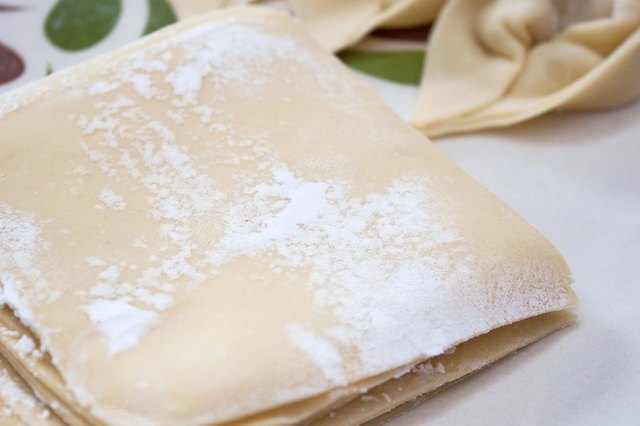
Homemade wonton wrappers sound like the kind of thing only grandmothers, restaurant pros, and people with suspiciously clean countertops can pull off. Good news: that is not true. If you have flour, water, salt, and a little patience, you can make tender, thin, flexible wonton skins right in your own kitchen. No secret handshake required.
Learning how to make your own wonton wrappers is one of those small kitchen skills that feels wildly satisfying. Store-bought wrappers are convenient, of course, but homemade wonton wrappers give you control over thickness, texture, freshness, and size. You can roll them paper-thin for silky wonton soup, slightly sturdier for pan-fried wontons, or square and neat enough to make your dumpling tray look like it has a tiny real estate development plan.
This guide walks you through the full process: ingredients, dough texture, kneading, resting, rolling, cutting, dusting, storing, freezing, troubleshooting, and using the wrappers in your favorite recipes. By the end, you will know exactly how to make wonton wrappers from scratch without turning your kitchen into a flour-powered snow globe.
What Are Wonton Wrappers?
Wonton wrappers, also called wonton skins, are thin sheets of wheat-based dough used to wrap small portions of filling. They are most often square, usually around 3 to 4 inches wide, and are commonly used for wonton soup, fried wontons, crab rangoon, chili oil wontons, and creative recipes like wonton ravioli.
Traditional wonton wrappers are made from wheat flour, water, salt, and sometimes egg. The egg version tends to be richer, slightly more elastic, and a little yellow in color. Egg-free wonton wrappers can be beautifully simple, especially when made with bread flour or high-gluten flour, which gives the dough strength and chew.
The main difference between wonton wrappers and dumpling wrappers is shape and thickness. Wonton wrappers are usually square and thinner, while many dumpling wrappers are round and slightly thicker, especially those used for potstickers or boiled dumplings. Think of wonton wrappers as the delicate silk scarves of the dumpling world. They look fancy, but they are still here to hold snacks.
Why Make Homemade Wonton Wrappers?
Making wonton wrappers at home is not just a culinary flex, though yes, it is a little bit of a flex. The biggest advantage is freshness. Fresh dough has a soft, pliable feel that makes folding easier. It also cooks with a smoother texture and a better bite.
Homemade wonton skins are also useful when you cannot find wrappers at your local grocery store. Many supermarkets carry them in the refrigerated section, but availability can be unpredictable. One week they are there, the next week the shelf is empty and your wonton soup dreams are staring into the middle distance.
Another reason to make your own is customization. Want thicker wrappers for frying? Roll them a little less thin. Want delicate wrappers for soup? Roll them thinner. Need larger squares for generous fillings? Cut them bigger. Want egg-free wrappers? Skip the egg and adjust the water. Homemade dough gives you choices, and choices are delicious.
Ingredients for Homemade Wonton Wrappers
You only need a few basic ingredients to make a reliable wonton wrapper recipe. The version below uses egg for richness and flexibility, but an egg-free variation is included later.
Basic Ingredients
- 2 cups all-purpose flour, plus more for rolling
- 1 large egg
- 1/2 teaspoon salt
- 1/3 to 1/2 cup water, added gradually
- Cornstarch, for dusting and stacking
All-purpose flour works well for a classic homemade wonton wrapper. Bread flour can also be used if you want more chew and elasticity. Cornstarch is important for dusting because it prevents the wrappers from sticking together without making the dough gummy. Flour works in a pinch, but cornstarch is the better teammate here.
Egg-Free Wonton Wrapper Option
For egg-free wonton wrappers, use 2 cups bread flour, 1/2 teaspoon salt, and about 3/4 cup water, adding the water slowly. The dough should feel firm but not crumbly. Bread flour helps create structure without the egg, making the wrappers easier to roll thin.
Step-by-Step: How to Make Wonton Wrappers
Step 1: Mix the Dry Ingredients
Add the flour and salt to a large mixing bowl. Stir them together so the salt is evenly distributed. This may seem tiny, but it matters. Nobody wants one salty corner and three bland corners. Wonton wrappers should be peaceful little squares.
Step 2: Add the Egg and Water
Beat the egg lightly in a small bowl, then add it to the flour. Pour in 1/3 cup water and begin mixing with chopsticks, a fork, or your hand. Add more water only a teaspoon at a time. The dough should look shaggy at first, not smooth and soft like bread dough.
This is where many beginners panic. Do not panic. Wonton wrapper dough often starts out looking dry and stubborn, like it has no interest in participating. That is normal. Resting will hydrate the flour and make the dough easier to knead.
Step 3: Knead the Dough
Transfer the dough to a clean counter and knead for 8 to 10 minutes. Push the dough away with the heel of your hand, fold it back, rotate, and repeat. The dough should become smoother, firmer, and more elastic. If dry bits refuse to join the party, lightly dampen your hands and keep kneading.
A good wonton dough should be firm, not sticky. If it sticks to your hands, dust with a little flour. If it cracks badly and will not come together, add a few drops of water. The goal is a smooth but sturdy dough ball.
Step 4: Rest the Dough
Wrap the dough tightly in plastic wrap or place it in a covered bowl. Let it rest for at least 30 minutes. For even better texture, rest it for 45 to 60 minutes.
Resting is not optional. During this time, the flour hydrates and the gluten relaxes. That means the dough rolls out more easily and is less likely to snap back like a tiny edible rubber band.
Step 5: Divide the Dough
Cut the dough into two or four pieces. Keep the pieces you are not using covered so they do not dry out. Dry dough edges are the enemy of smooth wrappers, and they arrive faster than you think.
Step 6: Roll the Dough Thin
Dust your work surface lightly with cornstarch. Roll one piece of dough into a thin sheet. Aim for about 1/16 inch thick, or thin enough that you can almost see light through it. If you have a pasta machine, use it. Start on the widest setting and gradually move thinner.
When rolling by hand, work from the center outward. Rotate the dough often to prevent sticking and keep the thickness even. If the dough shrinks back, cover it and let it rest for another 10 minutes. This is not failure; this is dough negotiation.
Step 7: Cut Into Squares
Use a ruler or straight edge if you want precise wrappers. Cut the dough into 3-inch or 3 1/2-inch squares for standard wontons. For larger wontons or ravioli-style recipes, cut 4-inch squares.
A pizza cutter works beautifully here. A sharp knife also works. If your squares are not perfect, do not worry. Once they are folded around filling, nobody will know. Dumplings are very forgiving, which is one of their finest personality traits.
Step 8: Dust and Stack
Dust each wrapper lightly with cornstarch before stacking. Do not skip this step. Fresh wrappers love each other a little too much and will stick together without a barrier. Stack them neatly and cover with a slightly damp towel while you continue rolling and cutting.
How Thin Should Wonton Wrappers Be?
The ideal thickness depends on how you plan to cook them. For wonton soup, wrappers should be very thin so they become silky and tender in broth. For deep-fried wontons, a slightly thicker wrapper can hold up better and turn crisp without tearing. For pan-fried wontons, aim for something in between: thin enough to cook quickly, strong enough to survive the flip.
If you are unsure, roll one small test wrapper, fill it, seal it, and cook it. A test wonton tells the truth. If the wrapper is chewy or doughy, roll thinner. If it tears too easily, roll slightly thicker or let the dough rest longer.
How to Fill and Seal Homemade Wonton Wrappers
Place a small spoonful of filling in the center of each wrapper. One to two teaspoons is usually enough. Overfilling is the fastest way to create a wonton explosion, which sounds dramatic because it is. The wrapper needs enough empty edge to seal securely.
Dip your finger in water and lightly moisten the edges. Fold the wrapper into a triangle, rectangle, purse shape, or classic wonton fold. Press firmly to seal and push out trapped air. Air pockets can expand during cooking and cause wontons to burst.
Simple Triangle Fold
Place the wrapper like a diamond, add filling to the center, moisten the edges, and fold the bottom corner up to meet the top corner. Press the edges closed. This is the easiest fold and great for beginners.
Classic Wonton Fold
Fold the wrapper into a rectangle or triangle, seal the edges, then bring two opposite corners together and press them with a dab of water. The finished shape looks a little like a tiny hat, which is adorable and delicious.
Best Ways to Cook Homemade Wontons
Boiling
Boiling is ideal for wonton soup or chili oil wontons. Bring water or broth to a gentle boil, add the wontons, and stir carefully so they do not stick to the bottom. Fresh wontons usually cook in 3 to 5 minutes, depending on size and filling.
Frying
For crispy wontons, fry them in hot oil until golden brown and crunchy. Do not overcrowd the pan, and drain the cooked wontons on a rack or paper towel. Fried wontons are excellent with sweet chili sauce, soy dipping sauce, or whatever sauce mysteriously disappears fastest at your table.
Pan-Frying
Pan-fried wontons get a crisp bottom and tender top. Add oil to a skillet, arrange the wontons in a single layer, and cook until the bottoms brown. Add a splash of water, cover, and steam until cooked through. Remove the lid and let the bottoms crisp again.
How to Store Homemade Wonton Wrappers
Fresh wonton wrappers can be refrigerated for about 1 to 2 days. Stack them with cornstarch between each wrapper, wrap tightly in plastic, and place them in an airtight bag or container. Keep them from drying out, because dry wrappers crack when folded.
For longer storage, freeze them. Stack the wrappers with plenty of cornstarch, wrap tightly, and place in a freezer-safe bag. Freeze flat. When ready to use, thaw overnight in the refrigerator and keep covered while working.
You can also freeze assembled wontons. Place them on a parchment-lined baking sheet in a single layer and freeze until solid. Then transfer them to a freezer bag. Cook frozen wontons directly from frozen; do not thaw first, or the wrappers may become sticky.
Common Mistakes and How to Fix Them
The Dough Is Too Dry
If the dough crumbles and will not come together, add water a few drops at a time. Avoid dumping in too much water at once. Wonton dough should be firm, so patience is better than panic.
The Dough Is Too Sticky
If the dough sticks to your hands or counter, dust lightly with flour while kneading. During rolling and stacking, use cornstarch to prevent sticking.
The Wrappers Tear
Tearing can happen if the dough is too dry, rolled unevenly, or not rested long enough. Let the dough rest longer, keep unused portions covered, and roll with steady pressure.
The Wrappers Are Chewy
Chewy wrappers are usually too thick. Roll the dough thinner next time, especially for wonton soup. A pasta machine can help achieve consistent thinness.
The Wontons Burst While Cooking
Use less filling, seal the edges firmly, and press out air before closing. Also avoid a violent boil. Wontons prefer a gentle simmer, not a hot tub with anger issues.
Easy Recipe Ideas for Homemade Wonton Wrappers
Once you have a batch of homemade wonton wrappers, you can use them in classic and creative ways. Try pork and shrimp wontons in broth, chicken wontons with ginger and scallions, mushroom and tofu wontons, crab rangoon, crispy cheese wontons, or Sichuan-style wontons tossed in chili oil and vinegar.
For a weeknight shortcut, fill wrappers with cooked vegetables, leftover shredded chicken, or a simple cream cheese and scallion mixture. Homemade wrappers turn basic ingredients into something that feels special. It is kitchen magic, but with more flour on your shirt.
Experience Notes: What Making Wonton Wrappers Teaches You
The first time you make your own wonton wrappers, you may wonder why the dough looks so rough at the beginning. That is part of the process. Wonton dough is not meant to be soft and fluffy like pizza dough. It starts firm because it needs strength. After resting, it relaxes into something smoother and easier to roll. That transformation is one of the most satisfying parts of the recipe.
One practical lesson is that resting time solves more problems than extra water does. Beginners often add too much water because the dough looks dry. Then the dough becomes sticky, difficult to roll, and hard to cut cleanly. A better approach is to mix the dough until it barely comes together, knead it firmly, then let time do its quiet little kitchen miracle.
Another experience-based tip is to roll smaller pieces of dough instead of attacking the whole ball at once. A giant sheet looks efficient, but it can fight back. Smaller sections are easier to control, especially if you are using a standard rolling pin. Keep the rest covered while you work, and the dough will stay flexible.
Cornstarch also makes a bigger difference than expected. When wrappers stick together, it can feel like peeling apart wet paper. Dusting each wrapper lightly with cornstarch keeps the stack separated and saves your mood. Do not use too much, though. A heavy layer can make sealing harder. Light, even dusting is the sweet spot.
If you are rolling by hand, your wrappers may not all be perfectly square. That is fine. Homemade wontons are allowed to have personality. A slightly uneven wrapper can still fold and cook beautifully. The important things are thinness, flexibility, and a good seal. Symmetry is nice, but dinner does not require geometry class.
Making wonton wrappers also teaches you to respect filling size. A teaspoon of filling can look tiny on the wrapper, but once folded, it is usually enough. Overfilled wontons may look generous, but they are more likely to burst. A smaller, well-sealed wonton is better than a jumbo one that opens in the pot and releases its filling like a dramatic soap opera character.
The best part of the process is how quickly homemade wrappers improve with practice. The first few may look rustic. By the tenth, your hands understand the dough better. By the twentieth, you may start casually saying things like, “I make my own wonton skins,” which is dangerous because people will expect snacks.
Homemade wonton wrappers are not about perfection. They are about freshness, control, and the joy of turning simple ingredients into something memorable. Once you taste a silky homemade wrapper in hot broth or bite into a crispy fried wonton made from your own dough, the effort makes sense. It is not hard; it is hands-on. And sometimes hands-on food is exactly what makes cooking fun again.
Conclusion
Making your own wonton wrappers is a simple, rewarding kitchen skill that starts with basic ingredients and ends with endless meal possibilities. With flour, egg, salt, water, and cornstarch, you can create fresh wonton skins that are tender, flexible, and perfect for soup, frying, steaming, or pan-frying.
The key is understanding the dough. Keep it firm, knead it well, rest it long enough, roll it thin, and dust each wrapper so it does not stick. Once you learn the rhythm, homemade wonton wrappers become less intimidating and much more enjoyable. They may not all look factory-perfect, but they will taste fresh, delicate, and proudly homemade.
Whether you are preparing classic wonton soup, crispy appetizers, or creative dumpling night experiments, homemade wrappers give you a better foundation. Plus, you get the quiet satisfaction of knowing you made the whole thing from scratch. That satisfaction pairs beautifully with chili oil.














