
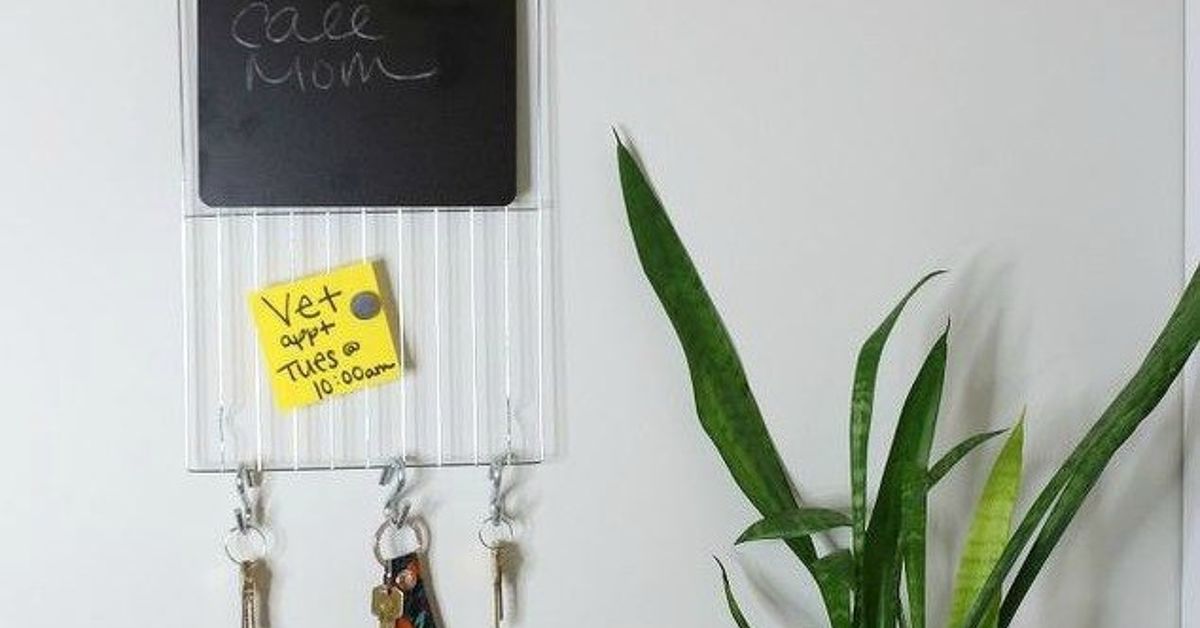
Cooling racks are the quiet overachievers of the kitchen. Most of the time, they sit politely in a drawer waiting for cookies, muffins, or a heroic batch of chicken nuggets. But here is the good news: those simple wire grids can do much more than cool brownies. With a few zip ties, hooks, baskets, or dollar-store bins, a cooling rack can become one of the cheapest home organization tools you own.
The beauty of organizing with cooling racks is that they are flat, lightweight, sturdy, easy to clean, and full of built-in slots. Translation: they are basically tiny metal command centers pretending to be bakeware. Whether you need to tame plastic lids, corral bathroom products, display jewelry, organize craft supplies, or create extra vertical storage, a cooling rack can help without requiring a major shopping trip or a suspiciously expensive “custom storage solution.”
Below are 11 cheap and easy ideas to organize with cooling racks, plus practical tips, examples, and real-life experience to help you make each hack work in your own home.
Why Cooling Racks Work So Well for Home Organization
A cooling rack has three organization superpowers: visibility, airflow, and separation. The open grid lets you see what you own, which is half the battle when clutter starts multiplying like socks in a laundry basket. The wire structure also allows air to circulate, making it helpful for drying items, storing damp cleaning tools, or keeping produce lifted off a flat surface. Finally, the grid naturally creates sections, slots, and hanging points.
Before using a cooling rack for storage, choose the right type. A standard rectangular wire rack works best for cabinets, drawers, walls, and doors. A stackable cooling rack can create extra shelf space. A smaller rack is handy for bathrooms, desks, and craft corners. If you plan to use it near moisture, pick stainless steel or a coated rack that resists rust. If the rack will hold heavier items, test it first. Cooling racks are clever, not magical. Please do not ask one tiny rack to hold a cast-iron skillet and your hopes for a clutter-free life.
11 Cheap and Easy Ideas to Organize with Cooling Racks
1. Make a Plastic Container Lid Organizer
Plastic food storage containers are useful until their lids begin living separate lives. One is behind the coffee filters. One is under a mixing bowl. One has vanished into the same universe as missing pens. A cooling rack can help restore peace.
Place a cooling rack inside a shallow plastic bin, basket, or drawer. Stand container lids upright between the wires. The grid keeps the lids separated, visible, and easy to grab. This works especially well for rectangular lids, silicone lids, and lightweight cutting mats.
For best results, sort lids by size before sliding them into the rack. Keep small lids at the front and larger lids at the back. If the rack shifts around, secure it to the bin with zip ties or adhesive mounting dots. This simple cooling rack storage hack turns a messy cabinet into a grab-and-go system.
2. Turn a Cooling Rack into a Cabinet Door Organizer
The inside of a cabinet door is prime storage real estate. It is also one of the most underused spaces in the kitchen. Attach a cooling rack to the inside of a cabinet door using removable hooks, small screws, or adhesive strips rated for the weight you plan to store.
Once mounted, the rack becomes a mini grid wall. Add S-hooks or binder clips to hold measuring spoons, pot holders, lightweight utensils, small brushes, reusable bag clips, or cleaning gloves. You can also clip recipe cards or weekly meal plans to it.
This idea is especially helpful in small kitchens because it moves small items off shelves and counters. Just make sure the door still closes fully before you load it up. A cabinet that refuses to close is not organized; it is just arguing with you.
3. Create an Under-Sink Cleaning Supply Station
The under-sink cabinet often becomes a mysterious cave of half-used sprays, sponges, scrubbers, and one bottle of cleaner nobody remembers buying. A cooling rack can bring order to the chaos.
Mount a cooling rack vertically on the inside wall or door of the under-sink cabinet. Use hooks or clips to hang rubber gloves, scrub brushes, microfiber cloths, and small dusters. You can also attach small baskets to the rack with zip ties to hold sponges, dishwasher tablets, or trash bags.
This cooling rack organizer keeps damp items off the cabinet floor, improves airflow, and makes cleaning supplies easier to see. It also helps prevent the classic under-sink problem: buying more sponges because you forgot you already had seven.
4. Build a Vertical Bakeware and Cutting Board Divider
Flat kitchen items are annoying because they love to stack. Baking sheets, muffin tins, cutting boards, cooling racks, and serving trays often end up in a leaning tower that threatens to collapse every time you want one cookie sheet.
Use one or two cooling racks as vertical dividers inside a cabinet or deep drawer. Secure them upright with adhesive hooks, tension rods, zip ties, or a sturdy bin. Then slide cutting boards, pans, trays, and lids between the spaces.
The goal is to store items vertically instead of stacking them. Vertical storage saves time because you can pull out one item without performing a full kitchen excavation. It also reduces scratches and makes your cabinet look calmer, which is a small but meaningful victory.
5. Use Cooling Racks as Pantry Packet Holders
Small pantry packets are expert escape artists. Taco seasoning, yeast packets, hot cocoa, instant oatmeal, soup mixes, and snack packs can disappear behind jars and boxes. A cooling rack can turn those slippery little packets into an organized display.
Mount a cooling rack on a pantry wall, cabinet door, or the side of a shelf. Use binder clips, clothespins, or small hooks to hang packets by category. Put breakfast packets in one section, seasoning mixes in another, and baking packets in a third.
This setup keeps small items visible and prevents overbuying. It is also renter-friendly if you use removable adhesive hooks. For a cleaner look, label each section with small tags. The result feels like a tiny pantry boutique, except everything costs less and no one tries to sell you a $14 jar of artisan salt.
6. Make a Jewelry and Earring Display
A cooling rack is basically a jewelry organizer wearing kitchen clothing. The grid is perfect for hanging earrings, necklaces, bracelets, hair clips, and sunglasses.
Place the rack inside a picture frame for a prettier look, or hang it directly on the wall with small hooks. Earrings can slip through the grid. Necklaces can hang from S-hooks. Hair clips can clamp directly onto the wires. For extra style, spray-paint the rack in a color that matches your bedroom or closet decor.
This is a great option for teens, dorm rooms, small apartments, and anyone who wants jewelry storage without digging through a tangled drawer. It also turns your accessories into decor. Suddenly, those earrings you forgot you owned are not clutter. They are a gallery wall. Very fancy.
7. Organize Craft Supplies on a Cooling Rack Grid
If you love crafts, you know supplies can take over fast. Ribbon, washi tape, stickers, scissors, paintbrushes, thread, and small tools all seem innocent until they form a glittery landslide.
Hang a cooling rack above a desk or craft table and use it as a mini pegboard. Add hooks for scissors and rulers. Clip small bags of beads, buttons, or stickers to the grid. Tie ribbon spools to the rack with string or thin dowels. Attach small cups or baskets with zip ties for markers and glue sticks.
This DIY cooling rack organizer is cheap, flexible, and easy to rearrange. It works especially well for supplies you use often because everything stays in sight. The trick is not to overload it. A cooling rack can organize craft supplies, but it cannot emotionally process a drawer full of mystery glitter.
8. Add Extra Fridge or Pantry Shelf Space
A cooling rack can act as a temporary shelf inside the refrigerator, pantry, or cabinet. Use a stackable rack to create a second level for lightweight items like yogurt cups, small containers, snack bags, herbs, or wrapped produce.
In the fridge, this works well when you need to separate foods by meal or category. For example, you can place lunch containers underneath the rack and fruit cups on top. In the pantry, use a rack to lift snacks above canned goods or to create a small shelf for tea boxes.
Make sure the rack is stable and food-safe. Avoid balancing breakable jars or heavy containers on a flimsy rack. Think of it as a bonus shelf for lightweight items, not a second-story apartment for a gallon of milk.
9. Create a Mail, Paper, and Homework Command Center
Paper clutter is sneaky. One school form becomes three coupons, a receipt, two appointment cards, and a mystery envelope that somehow feels important. A cooling rack can help you build a simple paper command center.
Mount a cooling rack near the entryway, kitchen desk, or homework station. Use clips to hold permission slips, bills, invitations, coupons, weekly schedules, or shopping lists. Add a small hanging basket for pens, sticky notes, and stamps.
To keep it from becoming a wall-mounted pile, create categories such as “To Sign,” “To Pay,” “To File,” and “This Week.” Review it once a week. The cooling rack gives paper a place to land, but your weekly reset keeps it from becoming a museum of old pizza coupons.
10. Turn Cooling Racks into Closet Accessory Storage
Closets need flexible storage, especially for accessories that do not fold neatly. A cooling rack can organize belts, scarves, ties, hats, small bags, and even lightweight sandals.
Hang the rack on the inside of a closet door or on an empty wall. Use S-hooks for belts and bags. Loop scarves through the grid. Clip hats with clothespins. For a dorm room or small bedroom, mount the rack with removable hooks to avoid wall damage.
This idea works because it uses vertical space and makes accessories visible. When you can see what you own, you are more likely to wear it. Your closet stops being a fabric swamp and starts acting like a functional wardrobe. Miracles do happen.
11. Make a Bathroom Organizer for Small Essentials
Bathrooms are full of tiny things: hair ties, razors, face cloths, toothbrushes, cotton rounds, travel bottles, and skin-care products with names longer than a grocery receipt. A cooling rack can help organize those items without taking over the counter.
Mount a cooling rack on a bathroom wall, vanity door, or linen closet door. Add small baskets for hair accessories, hooks for washcloths, and clips for travel-size products. You can also hang lightweight toiletry bags from the rack.
Because bathrooms are humid, choose a rust-resistant rack and avoid placing it where it will be soaked daily. Wipe it down regularly. This cooling rack bathroom organizer is ideal for shared bathrooms because each person can have a section. No more asking who used the last hair tie. The rack knows.
How to Make Cooling Rack Organization Look Less “Random Kitchen Tool on the Wall”
Cooling rack organization can look stylish if you give it a little polish. First, match the finish to the room. Black, white, brass, or stainless steel can look intentional. Spray paint can help, but use paint appropriate for metal and let it cure fully before use.
Second, use matching hooks, clips, or baskets. Random accessories can make the rack look messy even when it is organized. Third, leave breathing room. A cooling rack packed from edge to edge will look cluttered. Negative space is your friend. It is also free, which is everyone’s favorite price.
Finally, label categories when helpful. Labels are not just for people with perfect pantries and suspiciously neat handwriting. They help everyone return items to the right place, especially in shared kitchens, family bathrooms, and craft spaces.
Safety and Setup Tips Before You Start
Before turning a cooling rack into a storage system, check its strength and finish. Thin racks are best for lightweight items. Heavy-duty racks can handle more, but wall hardware matters too. Use screws or anchors for heavier storage and removable hooks only for lightweight items.
Keep sharp objects, breakables, and cleaning chemicals away from children and pets. If you use a rack inside a cabinet door, test door clearance before attaching baskets. If you use one in the fridge, make sure it sits flat and does not block vents. If you use it in a bathroom or under the sink, watch for rust and moisture buildup.
The best organizing systems are easy to maintain. If a cooling rack setup requires too many steps, you will stop using it. Keep the system simple, visible, and practical. Organization should make your day easier, not audition for a home makeover show.
Extra Experience: What Actually Works When Organizing with Cooling Racks
After trying cooling rack organization in different spaces, one lesson becomes obvious: the rack works best when it solves one specific problem. It is tempting to hang a cooling rack and immediately attach every clip, basket, hook, and random accessory in the house. That creates visual noise. Instead, start with one pain point. Maybe your container lids are sliding everywhere. Maybe your cleaning gloves never dry. Maybe your craft scissors keep disappearing. Give the rack a single job first.
The container lid organizer is usually the easiest win. A shallow bin plus a cooling rack can change a cabinet in five minutes. The lids stand upright, and you can finally see which ones match your containers. The key is editing before organizing. If you have lids with no containers or containers with no lids, let them go. A cooling rack cannot fix a relationship that ended three leftovers ago.
The second most useful setup is the cabinet door organizer. It works beautifully for measuring spoons, reusable bag clips, pot holders, and small cleaning tools. However, weight matters. Lightweight items are great. Heavy glass bottles are not. A rack on a cabinet door should feel smooth when the door opens and closes. If it bangs, scrapes, or makes the door feel heavy, remove a few items.
For bathrooms, the best cooling rack system uses small baskets rather than hanging every little thing individually. Hair ties, cotton rounds, floss, and travel bottles look neater when grouped. Hooks are better for washcloths, headbands, or small toiletry bags. In humid spaces, choose a rack that is easy to wipe. If you see rust, replace it or move the setup to a dry area.
For craft rooms, cooling racks are fantastic because they behave like budget pegboards. The grid makes it easy to clip supplies where you can see them. But the most successful craft setup is the one that keeps daily-use tools within reach and stores extras elsewhere. Put scissors, tape, ribbon, and current project supplies on the rack. Keep bulk supplies in bins or drawers. Otherwise, the rack becomes a craft porcupine.
One surprisingly helpful use is a paper command center. A cooling rack near the door can hold school forms, coupons, appointment cards, and notes. But paper organization only works if you review it regularly. Add a small weekly habit: clear the rack every Sunday evening or before grocery shopping. Toss expired coupons, file important papers, and move action items to your calendar. The rack creates the landing zone; the routine keeps it from becoming a paper jungle.
Another practical tip is to use matching accessories. Even an inexpensive cooling rack looks better when paired with the same style of clips or baskets. Black binder clips, clear adhesive hooks, white baskets, or simple metal S-hooks can make the whole thing look intentional. This matters because visible organization has to be pleasant enough that you do not get tired of looking at it.
Finally, remember that cheap organization should still fit your habits. If you hate clipping things, use baskets. If you never put items back behind a cabinet door, mount the rack somewhere more visible. If you like a clean countertop, use the rack inside a cabinet. The best cooling rack organization idea is not the cutest one online. It is the one you will actually use on a Tuesday night when dinner is late, the sink is full, and the container lids are trying to start a rebellion.
Conclusion
Cooling racks are affordable, easy to find, and surprisingly useful outside the baking drawer. With a little creativity, they can organize container lids, cabinet doors, cleaning supplies, pantry packets, jewelry, crafts, fridge items, paperwork, closet accessories, and bathroom essentials. The trick is to match the rack to the problem, keep the setup simple, and avoid overloading it.
If your home needs more order but your budget says “please be gentle,” organizing with cooling racks is a smart place to start. They are cheap, flexible, renter-friendly, and easy to customize. Best of all, they turn clutter into something visible and manageable. That is the real magic: not perfection, just fewer tiny household disasters before breakfast.
Note: This article is written in original American English and synthesizes practical home organization concepts, cooling rack repurposing ideas, and real-world storage experience for web publishing.














