
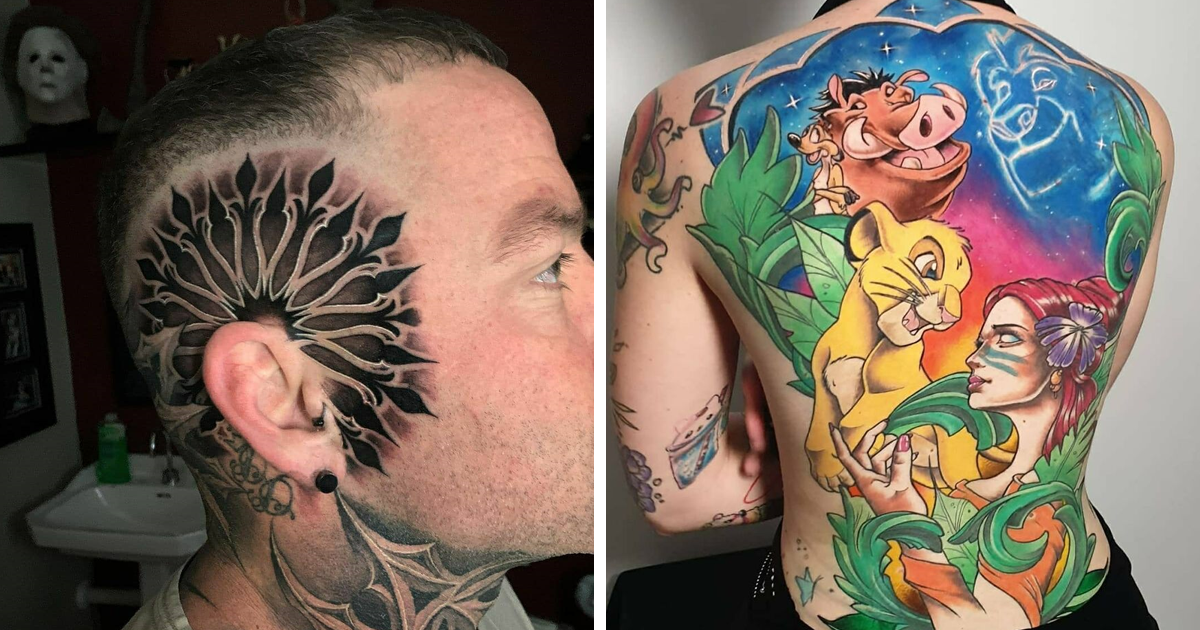
Some tattoos whisper. Some tattoos shout. And then there are the breathtaking tattoos that walk into the room before their owners do, politely shake everyone’s hand, and leave the rest of us wondering, “How on earth did a human hand make that?”
The best tattoos are not just drawings on skin. They are miniature engineering projects, moving canvases, optical illusions, emotional souvenirs, and occasionally, proof that someone sat very still while their artist performed what can only be described as wizardry with a needle. From hyper-realistic portraits to tiny fine-line designs, from full-sleeve Japanese compositions to geometric pieces so precise they make a ruler nervous, truly skillful tattooing requires planning, anatomy knowledge, color theory, patience, and a brave respect for skin as a living surface.
This article celebrates 30 tattoo ideas and styles that require immense technical ability to execute beautifully. These are not random “cool ink” concepts tossed into a list like fries into a paper bag. Each example shows why tattoo artists deserve serious credit as visual artists, craftspeople, problem-solvers, and sometimes low-key therapists with better lighting.
Why Some Tattoos Require Extraordinary Skill
A simple tattoo can still be meaningful, but the most breathtaking tattoos usually demand mastery in several areas at once. The artist must understand line weight, shading, skin tone, placement, healing behavior, and how the design will age. Skin stretches, bends, sweats, flakes, and lives a full-time job as the body’s protective jacket. Paper never does that. Paper is lazy.
Highly skilled tattoo work also depends on restraint. A great artist knows when to add detail and when to leave breathing room. They know that a photorealistic eye needs catchlights, but not so many that it looks like it is staring into four suns. They know that a watercolor tattoo should look spontaneous while secretly being planned with the seriousness of a moon landing.
30 Breathtaking Tattoos That Show True Artistic Mastery
1. Hyper-Realistic Portrait Tattoos
Portrait tattoos are among the most unforgiving forms of body art. One tiny mistake in the eyes, lips, or facial proportions can turn a beloved grandmother into someone who looks like she has just heard suspicious news. A perfect portrait requires smooth shading, soft transitions, accurate contrast, and emotional expression.
2. Micro-Realism Tattoos
Micro-realism takes detailed imagery and shrinks it into a small space. A tiny pet portrait, miniature statue, or thumb-sized landscape can look magical when done well. The challenge is making the design readable without overloading the skin with details that may blur over time.
3. Fine-Line Botanical Tattoos
Fine-line floral tattoos look delicate, but they are not easy. A single shaky line can interrupt the elegance of a rose stem or fern leaf. Artists must control depth, spacing, and line consistency while keeping the design light enough to feel graceful.
4. Full-Color Wildlife Tattoos
A roaring tiger, glowing fox, or hummingbird mid-flight can become jaw-dropping when color gradients and fur or feather textures are handled well. Wildlife tattoos require anatomy knowledge, movement, and the ability to make the animal feel alive rather than sticker-flat.
5. Black-and-Gray Lion Tattoos
Lion tattoos are popular for a reason: they symbolize strength, courage, and “please do not bother me before coffee.” A skilled black-and-gray lion tattoo depends on rich contrast, realistic mane texture, and a powerful gaze that does not turn muddy after healing.
6. Geometric Sleeve Tattoos
Geometric tattoos can look clean and futuristic, but they expose every flaw. Lines must align across curved body parts, patterns must flow with muscles, and symmetry must survive the reality that human bodies are not built like printer paper.
7. Mandala Tattoos
Mandalas require patience, balance, and precision. The repeated shapes must feel even, centered, and intentional. A beautiful mandala can look peaceful, but behind that calm is an artist mentally wrestling with circles, petals, spacing, and the cruel truth that elbows are complicated.
8. Watercolor Tattoos
Watercolor tattoos imitate soft paint washes, splashes, and flowing pigments. The best ones look effortless, but the artist must plan color placement carefully. Too much blending can become messy; too little can look unfinished. It is controlled chaos, which is also a good description of group projects.
9. Japanese Dragon Back Pieces
Large Japanese-inspired dragon tattoos demand composition on a grand scale. The dragon must twist naturally across the back, shoulders, or ribs while clouds, waves, flames, and scales work together. This kind of tattoo can take multiple sessions and serious design planning.
10. Realistic Snake Tattoos
Snake tattoos require smooth movement and convincing scale patterns. The body must coil naturally around limbs or across the torso. A skilled artist uses highlights and shadows to make the snake look dimensional without turning the design into visual spaghetti.
11. 3D Optical Illusion Tattoos
Some tattoos appear to lift off the skin, sink into it, or create impossible shapes. These require strong understanding of shadow, perspective, and placement. A 3D tattoo done well makes people do a double take. A 3D tattoo done badly makes people do a polite nod.
12. Realistic Eye Tattoos
An eye tattoo is a tiny drama. The iris needs depth, the pupil must be centered, and the reflections have to look natural. When done perfectly, the result can feel almost alive, as if the tattoo is silently judging your snack choices.
13. Architectural Tattoos
Cathedrals, city skylines, bridges, and historic buildings require clean lines and strong perspective. Architectural tattoos are especially difficult because viewers can easily spot when a window, arch, or roofline is off. Buildings may not have feelings, but they absolutely have angles.
14. Script and Lettering Tattoos
Lettering looks simple until you realize every curve, spacing choice, and baseline matters. A meaningful quote, name, or phrase must be readable and balanced. Great script tattoos require calligraphy skill and the discipline not to cram too much text into too little skin.
15. Single-Needle Tattoos
Single-needle tattooing can create soft, detailed, elegant designs. It is often used for small portraits, delicate symbols, and subtle shading. Because the technique is so refined, the artist must control pressure and movement with extreme care.
16. Biomechanical Tattoos
Biomechanical tattoos combine body parts with machinery, cables, pistons, and science-fiction textures. The best versions look like the skin has opened to reveal a secret robot underneath. They require anatomy, imagination, and shading powerful enough to sell the illusion.
17. Galaxy and Space Tattoos
Galaxy tattoos can include planets, stars, nebulae, astronauts, and cosmic clouds. The challenge is creating depth and glow without turning the design into a purple-blue blur. A great space tattoo feels vast, even when it fits on a forearm.
18. Pet Memorial Tattoos
Pet tattoos are emotionally loaded and technically demanding. A realistic dog, cat, rabbit, or bird must capture personality, not just appearance. The ears, eyes, and expression matter because people know their pets better than they know most celebrities.
19. Realistic Flower Tattoos
A realistic peony, rose, lotus, or orchid requires layered petals, soft shadows, and natural flow. The artist must avoid making the flower look stiff. Beautiful floral realism feels fresh, dimensional, and almost fragrant, minus the sneezing.
20. Ornamental Chest Pieces
Ornamental chest tattoos require symmetry, strong placement, and sensitivity to body shape. The design must sit well across the sternum, collarbones, and shoulders. When executed perfectly, it can look like jewelry built directly into the skin.
21. Surrealist Tattoos
Surreal tattoos blend dreamlike imagery: melting clocks, floating faces, impossible landscapes, or animals made of stars. These tattoos require creativity and technical skill because the design must feel strange but still visually coherent.
22. Blackwork Tattoos
Blackwork tattoos use bold black ink, negative space, patterns, and contrast. Large areas must be packed smoothly, and the edges must remain crisp. It looks simple only to people who have never tried coloring inside the lines for five hours.
23. Dotwork Tattoos
Dotwork relies on thousands of tiny dots to create gradients, patterns, and dimension. It can be meditative to look at and extremely labor-intensive to make. The artist needs rhythm, patience, and a hand steadier than a surgeon assembling a sandwich.
24. Realistic Skull Tattoos
Skull tattoos are classic, but realism makes them challenging. The bone structure, shadows, cracks, and teeth must look natural. The best skull tattoos feel dramatic without becoming cartoonish or overly crowded.
25. Mythological Tattoos
Greek gods, phoenixes, mermaids, Norse symbols, and legendary creatures require both storytelling and design control. A mythological tattoo must feel epic while fitting the body. It should say “ancient power,” not “confused sticker collection.”
26. Full-Sleeve Story Tattoos
A sleeve tattoo is not just several tattoos standing near each other. A breathtaking sleeve has flow, transitions, focal points, and balance. The artist must plan how each section connects so the final piece looks intentional from wrist to shoulder.
27. Cover-Up Tattoos
Cover-ups require a special kind of tattoo intelligence. The artist must hide or transform an old design using shape, color, contrast, and placement. A great cover-up does not just erase a mistake; it gives the skin a comeback story.
28. Minimalist Tattoos With Perfect Placement
Minimalist tattoos may have fewer lines, but that does not make them easy. When a design is tiny, every millimeter matters. A small moon, wave, heart, or symbol can look elegant when placed perfectly and awkward when rushed.
29. Color Realism Tattoos
Color realism requires advanced shading, layering, and understanding of how pigments heal in skin. Whether the subject is a movie character, fruit, flower, or animal, the tattoo must maintain depth and clarity without becoming oversaturated.
30. Cultural and Traditional Tattoos Done With Respect
Traditional tattooing can carry deep cultural meaning. Designs inspired by Polynesian, Indigenous, Japanese, or other heritage-based traditions should be approached with research, humility, and respect. The most impressive work is not only technically strong but also culturally thoughtful.
What Makes a Tattoo Look “Perfect”?
A perfect tattoo is not necessarily flawless in a cold, machine-made way. Skin is human, and human skin has texture, movement, and personality. A perfect tattoo is one that fits the person, heals well, holds its shape, and communicates its idea clearly.
Placement matters more than many people realize. A design that looks stunning on a flat tablet screen may not work on a curved shoulder, wrist, ribcage, or calf. Skilled artists adjust designs so they move with the body rather than fighting against it. That is why a great tattoo often looks like it belongs there, as if the person was born with a secret art department.
Another sign of high-level tattooing is contrast. Tattoos need enough dark and light areas to remain readable as they age. Too many tiny details packed too closely together can blur. Experienced artists know how to simplify without weakening the design.
How Artists Create Breathtaking Tattoo Results
They Start With a Strong Consultation
Before the needle touches skin, the best tattoo artists ask questions. They want to know the meaning, preferred style, size, placement, skin concerns, and long-term expectations. This is where good ideas become workable designs.
They Design for the Body, Not Just the Image
A tattoo must work with muscles, joints, and natural movement. Sleeves wrap. Chest pieces expand. Rib tattoos curve. A skilled artist treats the body like a landscape, not a bulletin board.
They Respect Healing
A fresh tattoo may look sharp immediately, but the real test comes after healing. Artists must use techniques that allow the tattoo to settle cleanly into the skin. Clients also play a role by following aftercare instructions and protecting the tattoo from unnecessary irritation.
Tattoo Safety: Beauty Should Not Come With Regret
Skill is not only about art. It is also about hygiene and professionalism. A reputable tattoo studio should use sterile equipment, safe procedures, clean workstations, and proper aftercare guidance. Anyone considering a tattoo should check local age laws, studio licensing rules, and health standards before booking.
Aftercare is part of the artwork. Keep the tattoo clean, follow the artist’s instructions, avoid picking at scabs, and watch for signs that healing is not going normally. Redness, swelling, unusual pain, pus, fever, or spreading irritation should be taken seriously. When in doubt, contact a health professional instead of asking the internet, where every answer is delivered with suspicious confidence.
Experience Section: What It Feels Like To See, Choose, And Live With A Skillful Tattoo
There is a special moment when someone shows you a truly breathtaking tattoo. At first, you notice the image. Then you notice the details. Then you lean closer, probably too close, and start seeing the technical decisions hiding inside the beauty: the tiny highlights, the clean edges, the smooth gradients, the clever use of blank skin. A great tattoo rewards attention.
People often think choosing a tattoo is only about picking a design, but the experience is bigger than that. It begins with taste, memory, and trust. Maybe someone wants a portrait of a parent, a flower connected to childhood, a dragon that represents resilience, or a geometric pattern because symmetry makes their brain feel pleasantly organized. The idea may start emotionally, but the final result depends heavily on choosing the right artist for the style.
Seeing a specialist matters. A brilliant traditional artist may not be the best choice for micro-realism. A fine-line expert may not be the right person for a huge blackwork sleeve. This is not an insult; it is the same reason you would not ask a pastry chef to fix your car, even if the pastry chef has excellent vibes. Tattooing has specialties, and breathtaking results usually happen when the client’s idea meets the artist’s strongest skill set.
The appointment itself can feel surprisingly collaborative. The artist may resize the stencil, shift the placement, simplify a detail, or explain why a certain part of the design needs more space. Good artists are not trying to ruin the dream. They are trying to make sure the dream still looks good five years from now. That kind of honesty is valuable, even when it means the tiny 12-word quote you wanted on one finger becomes a polite “please reconsider.”
Living with a skillful tattoo can also change how people relate to their bodies. A well-placed tattoo may make someone feel more confident, more connected to a memory, or simply more like themselves. It can turn a scar into a design, a blank arm into a gallery, or a private story into something visible only when the person chooses to share it.
There is also the funny social side. A breathtaking tattoo becomes a conversation magnet. Strangers may ask who made it. Friends may want to inspect it. Someone in line for coffee may compliment it with the intensity of an art critic who has been waiting all morning for culture. That attention can be fun, but it also reminds us that tattoos are personal. Compliments are great; grabbing someone’s arm to look closer is not. Admire with your eyes, not with surprise octopus hands.
The best experience comes from patience. Great tattoos are planned, not panic-bought. They require research, saving money, checking portfolios, reading studio policies, and allowing enough healing time. A tattoo may be permanent, but rushing is optional. The most breathtaking pieces often happen when both artist and client treat the process with respect.
Conclusion
Breathtaking tattoos are more than pretty pictures. They are the result of skill, planning, trust, and technique. Whether it is a realistic portrait, a geometric sleeve, a watercolor flower, or a full-back dragon, the most impressive tattoos show what happens when art meets discipline on a living canvas.
The 30 tattoo ideas above prove that perfection in tattooing is not about copying a trend. It is about making smart design choices, respecting the body, understanding the limits of skin, and choosing an artist who can bring the concept to life. A great tattoo does not just decorate the body. It tells a story, holds a memory, and occasionally makes everyone nearby say, “Okay, that is ridiculously good.”














