Cold weather has a funny way of acting innocent right up until your fingers forget they belong to you. One minute you are “just running outside for a second,” and the next minute your nose feels like a frozen French fry. Staying warm is not only about comfort. It is also about preventing real health problems like hypothermia, frostbite, falls, breathing trouble, and even heart strain. In other words, winter is not the season for wishful thinking and thin hoodies.
The good news is that most cold-related problems are preventable. A few smart habits can keep your body warmer, your home safer, and your outdoor plans from turning into a medical plot twist. In this guide, you will learn how to stay warm indoors and outdoors, how to dress for cold weather, what warning signs to watch for, and when to see a doctor. Whether you are walking the dog, shoveling snow, working outside, or simply trying to survive a drafty house without becoming one with your blanket, these cold weather safety tips can help.
Why Staying Warm Matters More Than You Think
Your body works hard to keep its core temperature steady. When the air gets colder, especially if it is windy or wet, your body loses heat faster than it can replace it. That can lead to hypothermia, a dangerous drop in body temperature, or frostbite, which damages skin and underlying tissue. Cold weather can also put extra strain on the heart and lungs, and it increases the risk of falls, especially for older adults.
Cold exposure is not just a problem in dramatic blizzards. You can get too cold in chilly rain, in wet clothes, after sweating outdoors, or even inside a house that is not heated well enough. That last one surprises people. Many imagine hypothermia as a mountaintop emergency, not something that can happen in a cool apartment while binge-watching TV under a blanket that is doing its best.
How to Stay Warm Outdoors
1. Dress in layers, not in blind optimism
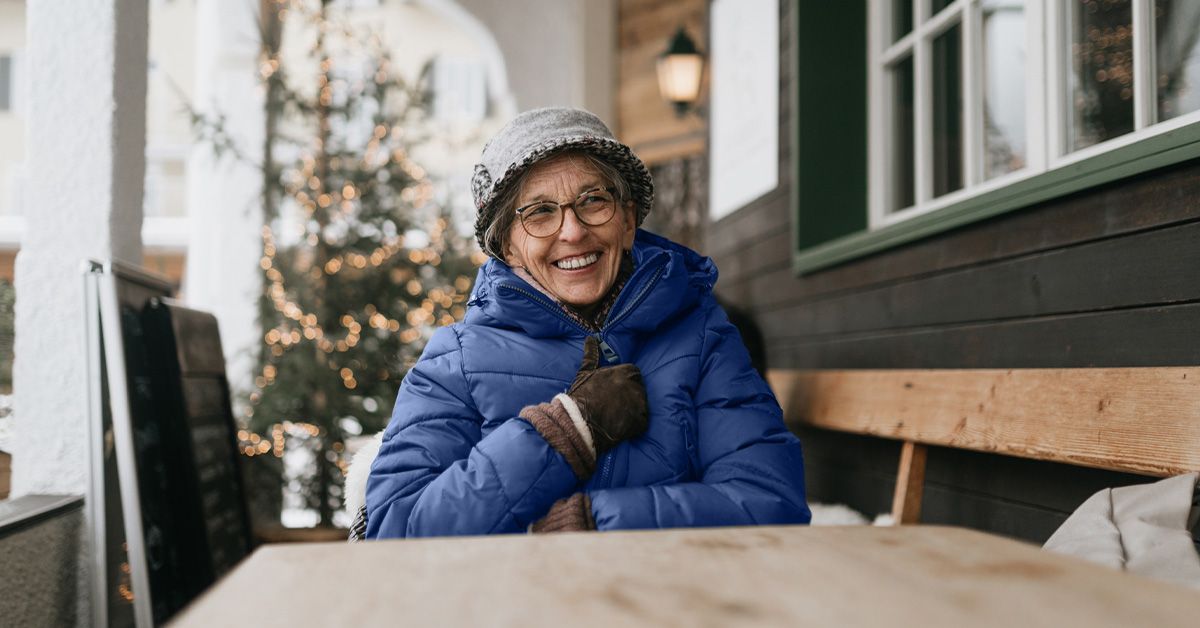
If you remember one clothing rule, make it this: layers win. A good cold-weather outfit usually has three jobs. The base layer moves moisture away from your skin. The middle layer keeps heat in. The outer layer blocks wind and moisture. Cotton is not ideal when you are active because it holds moisture. Fabrics that wick sweat and insulating layers like wool or fleece tend to do a better job.
Loose, layered clothing is often warmer than one bulky item because it traps insulating air. A wind-resistant, water-resistant outer layer matters more than people think. A freezing breeze can make a “not too bad” day feel downright rude.
2. Cover the heat-leaking body parts
Wear a hat, scarf, or face covering, and protect your ears, hands, and feet. Mittens are often warmer than gloves because fingers share heat. Waterproof insulated boots and warm socks matter, especially if you are walking through snow, slush, or cold rain. If your socks get wet, change them. Wet feet are basically tiny heat-loss machines.
3. Stay dry
Cold plus wet is a terrible combo. Rain, melted snow, sweat, and damp socks can pull heat from the body quickly. If your clothes get wet, get into dry clothing as soon as you can. This is especially important after exercise, snow play, or outdoor work.
4. Avoid overexertion
Heavy activity in cold weather can be tricky. Working too hard makes you sweat, and then that moisture cools you down. Pace yourself, especially if you are shoveling snow, hiking, chopping wood, or doing outdoor labor. Take breaks indoors or in a sheltered place. Your body is not a pickup truck. It cannot just “push through it” forever.
5. Know the weather and the wind chill
Temperature alone does not tell the whole story. Wind can speed heat loss and increase the risk of frostbite. Plan shorter trips outdoors on very cold, windy, or damp days. If conditions are harsh, it is completely acceptable to reschedule your heroic outdoor ambitions.
6. Keep an emergency backup plan
If you are driving or spending time outside, bring extra gloves, socks, a hat, blankets, water, and a fully charged phone. For workers and hikers, carrying chemical hand warmers, spare clothing, and a basic first-aid kit is a smart move. Avoid touching cold metal with bare skin, because it can injure tissue fast.
How to Stay Warm Indoors
1. Keep your home warm enough
Many people focus so much on outdoor cold that they forget indoor cold can also be risky. Older adults are particularly vulnerable. If your home is chilly, raise the heat, seal drafts, and use curtains or blinds to reduce heat loss. If your heating system struggles, close off unused rooms and concentrate warmth where people actually spend time.
For older adults, experts often recommend keeping the heat at at least 68°F. That may sound cozy-but-boring, yet it is far better than discovering your living room has quietly become a low-budget ice cave.
2. Dress warmly even inside
Warm socks, slippers, long sleeves, and layers indoors can make a big difference. You do not have to dress like you are crossing Antarctica, but you also do not need to prove toughness to your thermostat.
3. Eat and drink regularly
Your body needs fuel to make heat. Warm meals and warm nonalcoholic drinks can help you feel more comfortable and support your body’s efforts to stay warm. Alcohol is not your friend here. It can make you feel warmer while actually increasing heat loss and lowering your ability to notice danger.
4. Check on people at higher risk
Older adults, babies, people with memory issues, people experiencing homelessness, and anyone with limited mobility may have trouble staying warm or recognizing that they are getting dangerously cold. If you have a neighbor, relative, or friend in one of these groups, a quick check-in during cold snaps can matter more than you realize.
Who Is Most at Risk in Cold Weather?
Anyone can get too cold, but some people face a higher risk of hypothermia or frostbite:
- Older adults
- Infants and young children
- People with diabetes, thyroid disease, poor circulation, arthritis, or Parkinson’s disease
- People taking medicines that affect temperature regulation or alertness
- People who drink alcohol or use drugs
- Outdoor workers, hikers, hunters, runners, and winter sports enthusiasts
- People living in poorly heated homes or spending long periods outside
Cold weather can also be harder on people with heart or lung disease. Shoveling snow is a classic example. It combines exertion, cold air, and sometimes bad judgment in one tidy package. If you have a heart condition or are not used to intense activity, talk with your doctor about what is safe before launching into driveway combat.
Early Warning Signs: Know the Difference Between “Cold” and “This Is Bad”
Signs of hypothermia
Hypothermia symptoms can include shivering, exhaustion, confusion, slurred speech, clumsiness, memory problems, drowsiness, and slow or shallow breathing. In infants, warning signs may include very low energy and bright red, cold skin. Severe hypothermia can lead to loss of consciousness and can be life-threatening.
Signs of frostbite
Frostbite signs often affect the fingers, toes, nose, ears, cheeks, or chin. Watch for redness or pain at first, then numbness, skin that looks white, grayish-yellow, blue, or black, skin that feels firm or waxy, and later swelling or blisters. People may not realize they have frostbite because the area becomes numb.
A good rule: if body parts are painful, pale, numb, waxy, or oddly hard, do not shrug and keep going. That is not your skin being “dramatic.” That is your skin filing a complaint.
What to Do Right Away if Someone Is Too Cold
If you suspect hypothermia
- Move the person to a warm, dry place.
- Remove wet clothing.
- Warm the center of the body first: chest, neck, head, and groin.
- Use blankets, dry clothing, or skin-to-skin contact under loose layers.
- Offer warm nonalcoholic drinks only if the person is awake and able to swallow.
- Handle the person gently.
- Get medical help immediately.
If the person is unconscious, not breathing normally, or seems to have no pulse, call 911 right away and start CPR if you are trained. Severe hypothermia is a medical emergency.
If you suspect frostbite
- Get indoors or into a warm shelter.
- Remove wet clothing and constricting jewelry.
- Do not rub, massage, or apply snow to the area.
- Do not use a heating pad, fireplace, stove, or very hot water.
- Rewarm gently with warm, not hot, water if medical care is not immediately available and there are no signs of hypothermia.
- Avoid walking on frostbitten feet unless absolutely necessary.
One crucial detail: do not rewarm frostbitten tissue if there is a chance it will freeze again. Freeze-thaw-refreeze is the sort of sequel nobody wants, especially your skin.
When to See a Doctor
Call 911 or go to the emergency room right away if:
- You suspect hypothermia
- The person is confused, very drowsy, difficult to wake, or unconscious
- There is slurred speech, shallow breathing, or loss of coordination
- Shivering stops and the person still seems very cold
- Skin is gray, blue, white, black, or waxy and sensation does not return
- There are blisters or signs of severe frostbite
- Chest pain, severe shortness of breath, or symptoms of a heart attack happen during cold exposure or snow shoveling
Call a doctor promptly or seek urgent care if:
- You think frostbite may have occurred, even if it seems mild
- A numb or pale area does not improve after gentle warming
- Pain, swelling, or skin color changes worsen
- You are not sure whether symptoms are frostnip or frostbite
- You have a chronic condition like diabetes or poor circulation and develop cold injury symptoms
You may be able to manage at home if:
- You feel chilled but warm up quickly once indoors
- You have no confusion, breathing issues, or severe fatigue
- You have mild redness or tingling that fully resolves with warming
Still, if symptoms do not improve, or you are uncertain, call a healthcare professional. With cold injuries, “maybe it is fine” is not always a winning strategy.
Special Cold Weather Tips for Everyday Life
For kids
Children lose heat faster than adults and may not recognize when they need to come inside. Dress them in one more layer than an adult would wear in the same conditions. Bring them indoors if they start shivering. Babies should not sleep in cold rooms.
For older adults
Cold sensitivity often increases with age, and some medical conditions or medicines can make staying warm harder. Keep the house warm, dress in layers indoors, and ask for help if heating bills or home heating are a challenge.
For people with heart or lung conditions
Cold air and sudden exertion can be tough on the body. Cover your mouth and nose with a scarf when outside, warm up gradually, and avoid intense activity in freezing conditions unless your doctor says it is safe. Snow shoveling is a particularly common troublemaker.
For workers and outdoor exercisers
Take warm-up breaks, change out of wet clothing, use the buddy system when possible, and watch each other for clumsiness, poor judgment, or unusual fatigue. In cold-weather safety, your coworker saying, “You do not look so good,” is not an insult. It may be a public service.
Conclusion
Learning how to stay warm is not about wrapping yourself in mystery and becoming a winter burrito, though that does sound comfortable. It is about understanding how quickly cold can affect the body and taking simple steps before trouble starts. Dress in layers, stay dry, protect your hands, feet, face, and head, pace yourself outdoors, keep your home warm, and pay attention to early warning signs.
Most importantly, know when cold exposure crosses the line from uncomfortable to dangerous. Hypothermia and frostbite are not conditions to tough out. If symptoms suggest either one, especially confusion, extreme drowsiness, numb waxy skin, severe discoloration, blisters, or breathing problems, get medical help right away. Winter can be beautiful, but it does not hand out bonus points for suffering.
Real-Life Experiences and Lessons From Cold Weather
Cold weather safety advice often sounds obvious until real life gets involved. Consider the person who steps outside to scrape ice off the windshield “for just two minutes” without gloves. Ten minutes later, their fingers are stiff, painful, and numb, and suddenly that quick errand has turned into an awkward indoor rewarming session with a mug of tea and some regret. One of the biggest lessons people learn is that short exposure can still matter, especially when wind, moisture, and bare skin are part of the equation.
Another common experience happens during winter exercise. A brisk walk starts off feeling great. A runner or dog walker heads out bundled up, then begins sweating after the first mile. That sweat soaks the base layer, the wind picks up, and the trip home feels much colder than the trip out. People often think the problem was not wearing enough clothes. Sometimes the real issue was wearing the wrong clothes or pushing too hard too fast. Once people switch to moisture-wicking layers and start carrying an extra dry layer, the whole outing becomes safer and more comfortable.
Many families learn cold weather lessons through children. Kids love snow and have a remarkable ability to ignore discomfort until they are suddenly miserable. Parents often notice the warning signs first: red cheeks, wet mittens, icy boots, and the classic “I’m not cold” statement delivered by a child whose hands feel like frozen strawberries. Families who build in routine warm-up breaks usually have fewer problems. A twenty-minute hot chocolate intermission can prevent a much less charming evening.
Older adults often face a different challenge. Some keep the house cooler to save money or because they do not realize how cold it feels indoors. Then they start feeling tired, chilled, or stiff and assume that is just part of aging. In reality, a cool indoor environment can be risky, especially for people with medical conditions. Many caregivers say one of the best practical steps is checking the actual room temperature instead of relying on guesswork. The thermostat can be more honest than pride.
Snow shoveling creates its own category of experience, usually titled I thought I was helping. Someone heads outside, starts fast, gets sweaty, breathes in freezing air, and then develops chest tightness, dizziness, or severe shortness of breath. The lesson here is that staying warm is not only about piling on layers. It is also about respecting physical strain. Cold weather asks more from the heart and lungs, so pacing matters. Breaks matter. Stopping when your body says stop definitely matters.
Workers who spend hours outside often become experts in the details that casual winter visitors overlook. They know dry socks can feel like a miracle. They know numb hands make simple tasks harder and more dangerous. They know hunger and dehydration make cold harder to tolerate. Many say the buddy system is underrated because the first signs of cold stress are not always obvious to the person experiencing them. Confusion, clumsiness, and poor judgment can sneak in before someone realizes they are in trouble.
Then there are the people who learn the hard way that cold injuries do not always look dramatic at first. Frostbite can start with tingling, pale skin, or numbness that seems minor. Hypothermia can begin with shivering and fatigue that feel like ordinary discomfort. The most useful real-world lesson is this: if warming up does not quickly improve things, do not keep guessing. Get evaluated. Cold weather is one of those situations where early action is much better than late bravery.
In the end, the lived experience of winter usually teaches the same message as the medical advice. Preparation beats panic. Layers beat stubbornness. Dry socks deserve more respect than they get. And if your body starts sending warning signals, listen the first time. Winter may be picturesque, but it is also extremely persuasive when it wants your attention.