
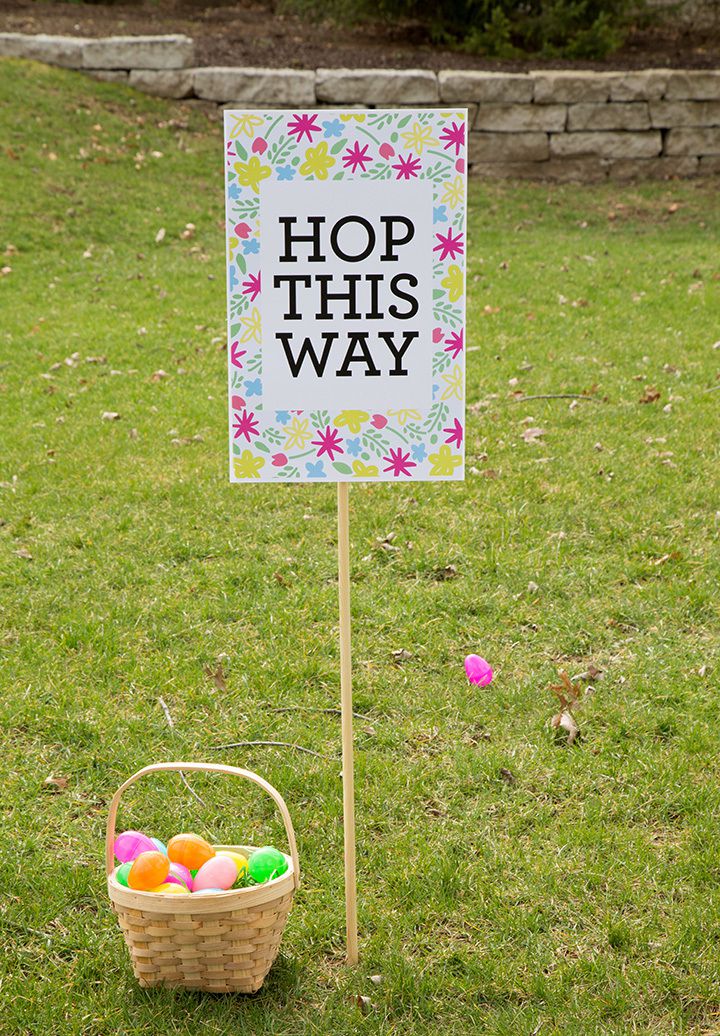
Planning an Easter egg hunt sounds adorable in theory. In reality, it can drift into chaos faster than a jellybean rolls under the couch. One minute you are picturing pastel baskets and smiling kids. The next, you are counting plastic eggs at midnight and wondering why you thought hiding 87 of them was “fun.”
The good news is that organizing an Easter egg hunt does not have to feel like managing a tiny holiday-themed obstacle course. With the right plan, you can create an event that is easy to run, age-appropriate, safe, and genuinely memorable. Whether you are hosting in a backyard, living room, church lawn, school gym, or local park, the basics are the same: know your crowd, prep smart, hide strategically, and run the event with clear rules.
This guide breaks the process into four simple steps so you can pull off an Easter egg hunt that feels festive instead of frantic. Along the way, you will also find Easter egg hunt ideas, practical planning tips, and a few sanity-saving reminders from people who have clearly hidden one too many eggs in tall grass.
Step 1: Make a Simple Plan That Fits Your Crowd
The best Easter egg hunt starts long before the eggs hit the ground. First, decide who the hunt is for. A hunt for toddlers should look very different from one for older kids, tweens, or mixed-age families. If you skip this part, you risk creating a game that is too easy for big kids, too hard for little ones, or somehow both at once.
Decide who is hunting
Ask yourself three questions:
- How old are the participants?
- How many kids will be there?
- Will adults be helping, watching, or joining in?
For toddlers and preschoolers, keep the hunt short, visible, and low to the ground. Eggs should be easy to spot and placed in safe, open spaces. For elementary-age kids, you can add a bit more challenge with trickier hiding places, clue-based eggs, or color-coded zones. For older kids, consider a scavenger-hunt style event with riddles, maps, puzzles, or a “golden egg” grand prize.
If your guest list includes a wide age range, split the hunt into age groups. This one move solves a shocking number of Easter morning meltdowns. Tiny kids are not trampled by older, faster hunters, and bigger kids do not have to pretend they are thrilled to find an egg sitting in the middle of the sidewalk like it parked there on purpose.
Pick the location and a backup plan
Your location shapes everything. A backyard hunt feels classic and easy. A local park gives you room to spread out. An indoor Easter egg hunt works beautifully if weather is unpredictable or you simply do not want your event ruined by mud, wind, or that one mysterious spring drizzle that appears exactly when guests arrive.
Choose a space with clear boundaries. Kids should know where the hunt begins and where it ends. If you are outdoors, walk the space first and check for hazards like thorny bushes, ant hills, puddles, pet areas, unstable steps, or places where eggs could roll into traffic, water, or landscaping you would rather not explain to your neighbors.
Always have a rain plan. A hallway, basement, rec room, classroom, or garage can save the day. A good host plans for weather. A great host plans for weather and remembers where they stored the tape, baskets, and extra candy.
Set the format
Before you buy supplies, choose the style of hunt you want to run:
- Classic free-for-all hunt: Fast, simple, and perfect for younger kids if the area is divided fairly.
- Color-coded hunt: Each child finds only certain egg colors, which keeps things balanced.
- Golden egg hunt: One special egg leads to a bonus prize.
- Clue hunt: Kids solve simple riddles that lead from one egg to the next.
- Team hunt: Great for classrooms, cousins, or neighborhood groups.
Once you know the format, you can set a realistic egg count, estimate supplies, and keep the event from turning into an Easter-themed episode of survival television.
Step 2: Prep Your Eggs, Fillers, and Supplies Ahead of Time
This is where the magic happens, or at least where the plastic eggs stop living in a giant store bag and become an actual plan. A well-prepped hunt feels smooth because all the decisions are made in advance.
Choose the right kind of eggs
Plastic eggs are the easiest choice for most families. They are reusable, easy to fill, and simple to sort by color or prize level. They also work well for indoor Easter egg hunt ideas, since you can tuck them into shoes, bookshelves, baskets, coat pockets, and other clever hiding spots.
Real dyed eggs can look beautiful, but they are more work and come with extra food-safety concerns. If you use real eggs for decorating, treat them as décor for the event rather than the main prize system. For most hosts, plastic eggs are the less stressful choice by a country mile.
Pick fillers that match the age group
Candy is traditional, but it is not your only option. In fact, a great Easter egg hunt often includes a mix of treats, toys, and non-food surprises. This is especially helpful if children in your group have food allergies, dietary restrictions, or parents who do not want their kids bouncing off the walls before brunch.
Good Easter egg fillers include:
- Stickers
- Temporary tattoos
- Coins
- Puzzle pieces
- Crayons
- Mini erasers
- Bracelets
- Coupons for prizes or privileges
- Small notes with jokes or clues
For toddlers, skip tiny items that could be swallowed. Use jumbo eggs with larger, age-appropriate fillers or trade-in tokens that can be exchanged for a prize afterward. That way, everyone gets the fun of hunting without turning the event into an emergency-room-worthy episode titled The Great Jellybean Incident.
Create a simple host checklist
To organize an Easter egg hunt without last-minute panic, gather everything the day before:
- Eggs and fillers
- Baskets or bags
- Signs or boundary markers
- A master count of how many eggs are hidden
- Wet wipes or hand sanitizer
- Water and simple snacks
- Prize basket for golden eggs or clue winners
- Backup indoor hiding spots if needed
It also helps to make a quick chart for yourself: how many eggs each child can collect, which colors belong to which age group, and whether any eggs contain special prizes. Trust me, your future self will appreciate this more than any chocolate bunny ever could.
Step 3: Hide the Eggs Smarter, Not Harder
Hiding eggs is the fun part, but it is also where a lot of Easter egg hunt plans go off the rails. The goal is not to create an impossible puzzle worthy of a game show. The goal is to create delight.
Use zones and levels of difficulty
A smart host hides eggs in layers. Put easy-to-find eggs in open spaces for younger hunters. Place medium-difficulty eggs behind flower pots, under benches, or near trees for older kids. Save the really tricky hiding spots for clue hunts, team games, or the final golden egg.
If you are hosting a mixed-age event, divide the space into zones. For example:
- Zone 1: Toddlers and preschoolers in a small, open area
- Zone 2: Elementary-age kids in the larger yard
- Zone 3: Tweens in a clue-based or challenge area
This makes the event feel fair and keeps the little ones from discovering that an eight-year-old can move like a caffeinated gazelle when prizes are involved.
Think visible, safe, and fun
Hide eggs where kids can reach them safely. Avoid roads, water features, thorny bushes, pet areas, grills, sheds with tools, and anywhere that would require climbing, pushing, or crawling into tight spaces. This is a holiday game, not a boot camp.
A helpful rule is this: if the hiding spot would make you say, “Please do not look there,” then do not hide an egg there in the first place.
Add one twist to make it memorable
You do not need 47 Pinterest-level ideas to make your event special. One twist is enough. Try one of these:
- Golden egg: One egg wins a larger prize.
- Puzzle hunt: Each egg contains one puzzle piece; together they reveal a final message.
- Riddle trail: Every found egg contains the clue for the next location.
- Trade-up game: Kids turn in eggs for prizes based on color or symbol.
- Glow hunt: For older kids, place glow sticks in eggs for an evening hunt.
These Easter egg hunt ideas add excitement without making the event difficult to manage. The secret is to choose one theme and do it well, instead of trying to reinvent spring itself.
Step 4: Run the Hunt Like a Pro
Once guests arrive, your job shifts from planner to ringmaster. This is where a little structure makes everything easier.
Explain the rules before anyone starts
Gather everyone and give a short, cheerful explanation. Keep it under a minute. Cover the basics:
- Where the hunting area begins and ends
- Which eggs each child can collect
- How many eggs each person may take, if there is a limit
- No pushing, grabbing, or opening eggs until the hunt ends
- What to do with special eggs or clue eggs
Then repeat the most important rule one more time. Children have a remarkable ability to forget instructions the instant they see a shiny plastic egg in the grass.
Keep the event moving
Start on time. Younger kids especially lose interest quickly if there is too much waiting. If you are outdoors, keep water nearby and use a shaded area for gathering, photos, and prize sorting. If it is warm out, shorter is better. An Easter egg hunt should feel lively and joyful, not like a marathon in pastel outfits.
Assign a few adults to help supervise boundaries, restock if needed, and guide younger kids. One adult can even act as the official “golden egg judge,” which sounds delightfully important and gives someone a reason to wear bunny ears with authority.
Finish with a satisfying ending
When the hunt ends, bring everyone together. Count eggs, hand out prizes, let kids open them at the same time, or direct them to a prize exchange table. If some children found fewer eggs, quietly even things out. Good hosts know that fairness matters more than strict competition when the participants are wearing rabbit socks.
Take a group photo, offer a snack, and transition to a follow-up activity like egg decorating, brunch, a craft table, or simple yard games. That makes the event feel complete instead of abrupt.
Mistakes to Avoid When You Organize an Easter Egg Hunt
- Hiding too many eggs and forgetting where they are
- Mixing toddlers and big kids in one free-for-all zone
- Using fillers that are too tiny for the age group
- Making clues too hard for early readers
- Waiting until the last second to fill eggs
- Skipping a weather backup plan
- Assuming all candy works for every child
A little planning prevents the classic post-hunt moment when a parent discovers three melted chocolates in the flower bed and one mystery egg behind the sofa in July.
Extra Easter Egg Hunt Ideas for a More Creative Event
If you want your hunt to feel extra festive, try adding one or two details that boost the experience without complicating it:
- Create bunny-footprint signs leading to the start line
- Use color-coded baskets for different age groups
- Set up an “egg counting station” after the hunt
- Hide joke eggs with silly dares or funny messages
- Turn one section into an indoor clue hunt if weather changes
- Use prize coupons instead of loading every egg with candy
- Make a photo corner with bunny ears and spring décor
The best Easter party planning is not about doing the most. It is about creating a moment that feels thoughtful, smooth, and fun for the people who show up.
Experiences and Lessons From Hosting Easter Egg Hunts
If you host enough Easter egg hunts, you learn quickly that the event is never just about eggs. It is about energy, timing, and tiny human personalities colliding in one patch of grass. On paper, a hunt seems simple. In real life, one child wants to sprint, one wants to inspect every flower, one forgets the basket entirely, and one decides the real treasure is the snack table.
One of the biggest lessons people learn is that younger children do not need a lot of eggs to have a great time. Adults often assume more is better, so they hide dozens and dozens of eggs. But toddlers are usually thrilled by a short hunt with obvious hiding spots and lots of praise. They do not need an elaborate challenge. They need a win. Seeing a small child light up because they spotted a bright egg under a chair is a reminder that simple really does work.
Older kids, on the other hand, usually enjoy a little strategy. That is where clue hunts, color-coded rules, or a golden egg can make the experience feel more exciting. In many families, the happiest middle ground is a layered hunt: quick success for little kids, a challenge for big kids, and enough structure that nobody feels steamrolled. Hosts who figure this out early tend to look calm and organized. Hosts who do not figure it out usually spend the morning saying, “Everybody please share,” in a voice that suggests they are one jellybean away from losing it.
Another common experience is learning that the setting matters more than people expect. A backyard with clear boundaries often works better than a huge open space because children know where to look and adults can supervise more easily. Indoor hunts can also be surprisingly magical. A staircase, entryway, bookshelf, or row of rain boots by the door can turn into perfect hiding spots. What matters most is not size. It is flow. Guests should understand where to go, where not to go, and what happens after the hunt ends.
Hosts also discover that prizes do not need to be expensive to feel exciting. Children love mystery, color, and tiny surprises. A sticker, joke note, coin, or “pick a prize later” coupon can be just as thrilling as candy. In fact, many families say the best hunts are the ones where kids can open eggs together, compare what they found, and laugh over silly little surprises. The memory comes from the experience, not the retail value of the contents.
Perhaps the most important lesson is that perfection is wildly overrated. A memorable Easter egg hunt does not require magazine-level décor, handmade signage, or a bunny-shaped charcuterie board that took three hours to assemble. Kids remember the feeling: the countdown, the excitement, the race to the first egg, the laughter when someone finds the golden one, and the happy chaos afterward. If the hunt feels warm, fair, and festive, you did it right.
In the end, organizing an Easter egg hunt is really about making room for joy. A little structure gives you freedom to enjoy the moment instead of managing mini-disasters. And that may be the best Easter miracle of all.
Final Thoughts
If you want to organize an Easter egg hunt in a way that feels easy, focus on four things: plan for your group, prep the supplies early, hide eggs with intention, and run the event with simple rules. That is it. You do not need a huge budget or a social-media-worthy setup. You need a smart plan, a cheerful tone, and enough eggs that nobody leaves suspiciously empty-basketed.
Done well, an Easter egg hunt becomes one of those family traditions people actually look forward to every year. It feels playful, a little silly, and just structured enough to keep the magic from turning into mayhem. Which, frankly, is the dream for most holiday events.














