
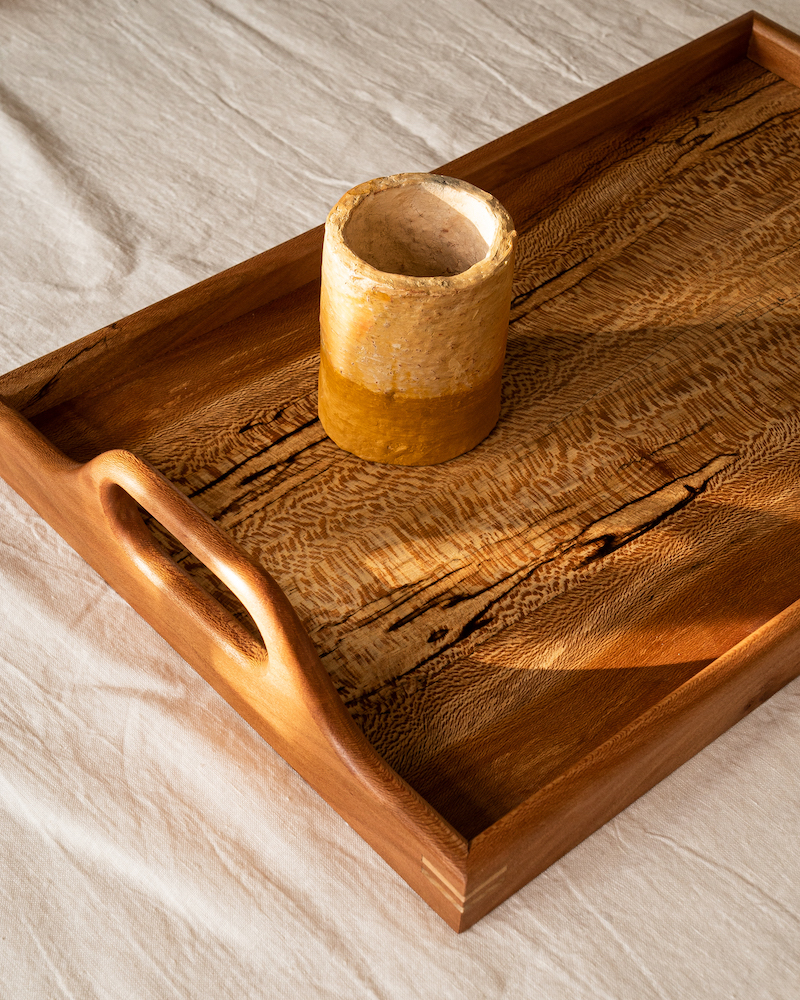
Some home objects are useful. Some are beautiful. And then there are the rare overachievers that somehow manage to be practical, gorgeous, and morally satisfying at the same time. A wooden tray made from fallen trees belongs in that elite category. It is the design-world equivalent of someone who brings dessert, remembers your birthday, and helps stack the chairs after the party.
At first glance, it is “just” a tray. But look closer and it becomes something much more interesting: a small piece of functional design with a backstory. Instead of starting life as anonymous lumber, it begins with a tree that has already lived a full chapter outdoors, then fallen because of age, storm damage, disease, or necessary removal. Rather than getting chipped, burned, or hauled off as waste, that wood gets another life indoors as an object you actually want to touch, use, and leave out in plain sight.
That transformation is exactly what makes this kind of tray so compelling. It is sustainable without wearing a giant “I am sustainable” nametag. It is rustic, but not costume-rustic. It feels warm, grounded, and one-of-a-kind in a marketplace crowded with glossy things that all seem to have graduated from the same beige factory.
Why This Wooden Tray Feels Different
A wooden tray made from fallen trees has something many mass-produced decor pieces can’t fake: character. Not “distressed” character applied by a machine in a warehouse, but the real kind. The kind that shows up in unexpected grain, tiny knots, mineral streaks, spalting, tonal variation, and subtle edge details that remind you this material once stood in wind and weather instead of sitting on a loading dock under fluorescent lights.
That natural variation matters. A tray cut from salvaged wood often feels more alive than one made from generic new stock because its visual story is less predictable. A maple tray may look clean and bright, almost quietly elegant. A walnut version can lean moodier and richer, like the tray equivalent of a really good espresso. Oak brings visible grain and texture. Cherry has a softer, warmer look that tends to deepen beautifully over time. In other words, the wood itself does half the decorating before you even add a candle, glass, or bowl of lemons.
And unlike decor that only exists to sit there and be admired, a tray earns its keep. It can hold coffee mugs in the morning, organize your coffee table in the afternoon, carry cocktails at night, and still make the whole room look more intentional. That balance of beauty and usefulness is why trays have become such a staple in stylish homes. They create order without feeling fussy, and they make everyday clutter look almost curated. Almost.
From Fallen Tree to Covetable Home Object
The phrase “made from fallen trees” sounds poetic, but the process behind it is practical. Across the United States, urban and community wood programs have pushed the idea that trees removed from neighborhoods, parks, streets, and private properties should be seen as material resources instead of automatic waste. A tree may come down after a storm, because of disease, because roots have become hazardous, or because it has simply reached the end of its safe life in a developed area. That does not mean the wood has stopped being valuable.
In fact, some of the most interesting boards come from precisely these circumstances. Urban wood can contain unusual figure, dramatic grain, and dense growth patterns that make it attractive for furniture, millwork, and smaller handcrafted pieces like trays. Makers who work with this material often select sections that are sound, millable, and visually expressive, then cut, dry, and shape them into something durable and functional.
This is where the story gets good. A tree that might otherwise have become mulch or landfill-bound debris instead becomes a lasting household object. That is not just better design theater; it is a smarter material story. Reusing salvaged wood can reduce demand for newly harvested timber, keep useful material in circulation longer, and support a more circular approach to home goods. Put simply, the tray is not saving the planet by itself. But it is a pretty charming ambassador for the idea that less waste and better design can, in fact, flirt successfully.
Why the Sustainability Angle Actually Matters
Sustainability gets tossed around so often in home decor that it sometimes starts to sound like decorative parsley. Nice garnish, questionable substance. But in this case, the sustainability angle is real enough to matter.
Wood is already a renewable material when responsibly sourced, but salvaged wood adds another layer of value because it extends the life of material that already exists. Instead of demanding fresh extraction, processing, shipping, and manufacturing for new raw stock, a tray made from fallen trees begins with wood that is already in the system. That is part of what makes reclaimed and urban wood so appealing: it turns a removal problem into a design opportunity.
There is also a local-economy story here. Fallen and removed trees are often highly local resources. When they are milled and crafted nearby, the finished object can carry a sense of place that imported goods simply do not have. You are not just buying a tray. You may be buying a tray made from a storm-felled ash tree from a nearby town, or from a neighborhood maple that once shaded somebody’s sidewalk. Suddenly the piece has provenance, and provenance is catnip for anyone who wants their home to feel personal rather than algorithmically assembled.
What Makes a Great Wooden Tray
Not every pretty slab of wood deserves to become a tray. A truly good one has to perform as well as it photographs. That means the maker has to get a few essentials right.
1. Stable, properly dried wood
Fallen-tree wood can be beautiful, but it still has to be properly milled and dried. If it is not, the tray may warp, crack, or twist later. Good makers respect the boring-but-critical part of the craft: letting the wood reach a stable moisture level before building with it. Exciting? No. Necessary? Absolutely.
2. Comfortable proportions
A tray should feel balanced in the hand. Too heavy, and it becomes decorative guilt. Too flimsy, and it feels like it might surrender halfway through carrying iced tea. The best designs strike a happy medium: substantial enough to feel real, light enough to use without summoning a spotter.
3. Smart edge and handle design
Some trays rely on cutout handles, some on raised sides, and others on sculpted edges that make lifting easy without interrupting the form. These little details are where craftsmanship shows up. Good design whispers. Bad design usually pinches your fingers.
4. A finish that suits real life
If the tray will be used for serving snacks, drinks, bread, or cheese, the finish matters. Many makers prefer simple oil-and-wax systems or other finishes intended for food-adjacent utility pieces, and properly cured finishes are especially important. Either way, the goal is the same: protection without turning the surface into something plasticky and sad.
The Beauty of Imperfection
Part of the appeal of a wooden tray made from fallen trees is that it often does not look perfect in the conventional sense. And that is exactly why it is so beautiful. A little asymmetry in the grain, a dark line running across the surface, a patch of figure you would never find in a big-box tray, a tiny filled check near one cornerthese details make the piece memorable.
In a home full of machine-finished sameness, imperfection reads as luxury. Not because it is rough or careless, but because it is specific. It feels edited by nature first and the maker second. That combination creates the kind of object people notice without necessarily being able to explain why. They just know it has presence.
That presence also makes the tray unusually adaptable. It can live in a minimalist room and add warmth. It can sit in a traditional home and look timeless. It can soften a modern kitchen, sharpen a bohemian coffee table, or give a neutral room one tactile, grounding element. The tray becomes a bridge between style categories because wood, at its best, is a material almost everyone agrees with.
How to Use It Without Saving It for “Good”
The danger with a beautiful object is that you start treating it like museum property. Resist that urge. A great wooden tray should be used, not merely admired from a respectful distance like a celebrity in sunglasses.
On the coffee table
Use it to corral remotes, coasters, candles, and one or two decorative items. Instantly, the table looks intentional instead of like it lost a small argument with daily life.
In the kitchen
It can hold oils, salt, and pepper on the counter, gather mugs near a coffee station, or carry weekend pastries to the table. This is where the tray becomes especially satisfying: it turns routine movement into a tiny ceremony.
At the entryway
Keys, sunglasses, mail, earbuds, and wallet suddenly have a home. The tray says, “Place your chaos here, please,” in a very elegant accent.
For entertaining
Serve cocktails, a cheese spread, sliced bread, cookies, or after-dinner coffee. Wood has a natural hospitality to it. It makes even store-bought snacks look like you planned ahead and own linen napkins on purpose.
In the bedroom or bath
A tray can hold perfume, hand cream, jewelry, or a carafe of water. It adds order, but more importantly, it adds atmosphere. And atmosphere is just another word for “your room finally has its life together.”
What to Look for Before You Buy One
If you are shopping for a wooden tray made from fallen trees, pay attention to more than the headline romance.
- Ask where the wood came from. A good maker is usually happy to tell you whether the wood was storm-felled, reclaimed from urban tree removal, or salvaged from a specific species and location.
- Check the finish. If you plan to serve food directly on it, make sure the finish is appropriate for that kind of use and properly cured.
- Feel the weight. The tray should feel substantial, not exhausting.
- Inspect the details. Smooth sanding, neat joinery, secure handles, and a flat resting surface matter more than a dramatic product description.
- Embrace natural variation. Tiny differences in tone, grain, and figure are not flaws. They are the entire point.
How to Care for a Wooden Tray
The good news is that wood does not require a royal maintenance schedule. The less good news is that it does expect basic respect.
Wipe the tray clean with a damp cloth rather than soaking it. Do not leave standing water on the surface. If it has an oil-and-wax finish, refresh it from time to time according to the maker’s instructions. Avoid extreme heat, the dishwasher, and the general attitude that all kitchenware is secretly a submarine.
With simple care, a well-made tray can age beautifully. That is one more reason it feels special: it is not disposable. It gets better as it accumulates use, memory, and a softer sheen from handling. In a culture obsessed with the new, that kind of longevity feels almost rebellious.
Why It Becomes an “Object of Desire”
The phrase “object of desire” can sound a little dramatic for a tray, but in this case it fits. Not because the tray is flashy, but because it satisfies several different cravings at once.
We want our homes to feel warmer. We want things that are useful but still beautiful. We want materials with integrity. We want purchases that feel less disposable and more meaningful. And, if we are being honest, we also want at least one item guests will pick up and say, “Wait, where did you get this?”
A wooden tray made from fallen trees checks every one of those boxes. It is tactile. It is grounded. It carries a story. It makes everyday rituals feel slightly richer. It proves that sustainability does not have to look austere, and that craftsmanship still has the power to turn a simple household object into something quietly magnetic.
That is the magic of good design. It does not need to shout. Sometimes it just sits there on the table, holding a stack of napkins and a bowl of citrus, looking annoyingly perfect.
Experiences with a Wooden Tray Made from Fallen Trees
Living with a tray like this changes the way you think about small moments at home. That sounds suspiciously sentimental, but it is true. The first thing you notice is the feel of it. A real wooden tray has presence in your hands. It is cool in the morning, warmer by late afternoon, and never quite identical from one edge to the next. You run your fingers over the grain while waiting for coffee to brew, and suddenly your brainusually busy speed-running through the day’s disastersslows down for a second.
Then there is the effect it has on routine. A tray made from fallen trees has a strange talent for making ordinary stuff look intentional. Set a mug, a small vase, and yesterday’s book on it, and the arrangement somehow graduates from “objects I forgot to put away” to “effortlessly styled vignette.” It is one of the few decor items that can make you look more organized than you actually are. Frankly, that alone deserves applause.
It also changes entertaining in subtle ways. When guests come over, carrying drinks on a tray like this feels different from using something generic. People notice it. They ask about it. They touch it. The conversation rarely starts with technical woodworking terms; it usually begins with, “This is beautiful,” followed by, “Wait, this was made from a fallen tree?” And that second sentence is where the object becomes more than a serving piece. It becomes a story prompt. Suddenly you are talking about craftsmanship, local materials, storms, neighborhoods, trees, reuse, memory, and why certain objects feel worth keeping.
There is also a quieter experience that happens when no one else is around. A wooden tray made from salvaged wood has a way of grounding a room. It does not sparkle or beep or demand attention. It just sits there with calm confidence, making everything around it feel a little more resolved. On a hectic day, that kind of visual steadiness is more comforting than it has any right to be.
Over time, the tray starts absorbing life in the best possible way. It becomes the place where Saturday croissants land, where candles gather in winter, where peaches sit in summer, where keys collect after work, where you absentmindedly rest your hand while talking on the phone. You begin to associate it with routines, seasons, and moods. It is no longer “the tray.” It is your tray, with its own tiny biography forming around it.
That sense of attachment is what mass-market decor often misses. Plenty of things look good on day one. Fewer things become more meaningful with use. A tray made from fallen trees does, because it already arrived with a past. Its first life was outdoors. Its second life is with you. That layered history gives the object emotional depth, even if you are not the sort of person who usually talks about emotional depth while carrying appetizers.
And maybe that is the real experience this kind of piece offers: not just function, not just beauty, but a low-key reminder that good design can rescue materials, enrich routines, and make a home feel more human. Which is a lot to ask of a tray, sure. But this one is clearly an overachiever.
Conclusion
A wooden tray made from fallen trees is proof that the best home objects do more than fill space. They carry a material story, perform a daily function, and bring warmth that synthetic decor can only imitate. It is part serving piece, part sculpture, part sustainability lesson, and part humble household hero. Whether you use it to style a coffee table, serve cocktails, organize your entryway, or simply make your kitchen look less chaotic, it delivers something rare: usefulness with soul.
In a world full of fast decor and forgettable objects, this is the kind of piece that quietly earns affection. Not because it tries too hard, but because it doesn’t have to. The wood has already lived one life. Now it gets to become something worth keeping.














