
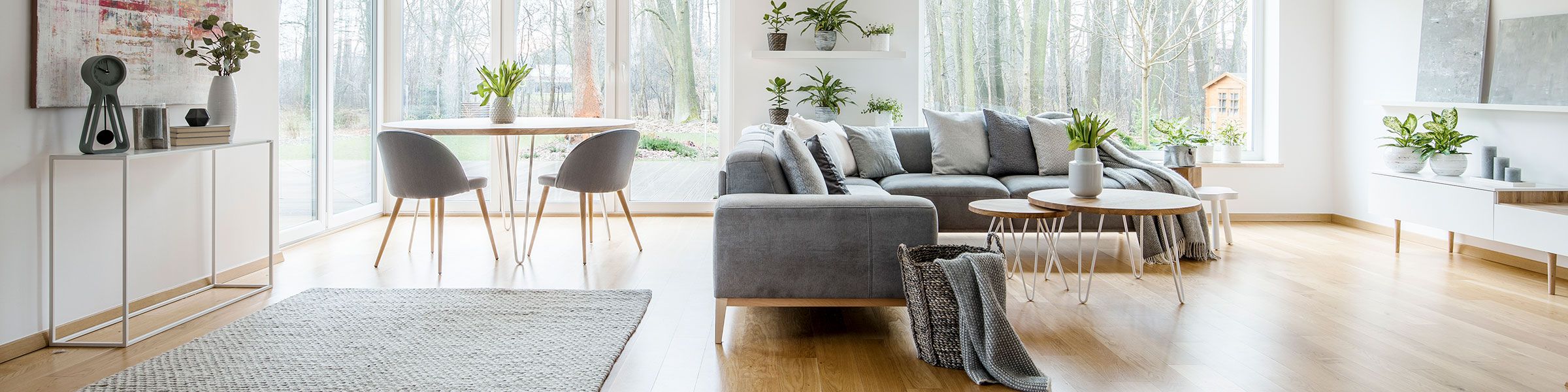
If you’ve ever watched a home makeover show and thought, “That could never be my house,” I have good news: it absolutely can. You don’t need a TV crew, a six-figure budget, or a dramatic commercial break. What you do need is a plan, a realistic budget, and a little design courage. That’s exactly the sweet spot where the Better Homes & Gardens style of home makeovers livespractical, pretty, and doable in real life.
From mini refreshes that transform a room in a weekend to full-scale renovations that touch every surface, home makeovers today are more flexible than ever. You can phase projects over time, focus on one “high-impact” zone at a time, or give the entire house a cohesive new look without burning through your savings.
What Exactly Counts as a “Home Makeover”?
“Home makeover” is a broad term, and that’s part of its magic. It can mean:
- A quick cosmetic refresh – new paint, updated hardware, fresh textiles.
- A room-by-room update – like a living room facelift or a kitchen mini-remodel.
- A whole-house transformation – where layout, finishes, and even exteriors change.
Better Homes & Gardens-style makeovers typically emphasize smart, layered updates rather than gut-job drama. Think: keeping a charming original fireplace but surrounding it with fresh tile and paint, or leaving the kitchen layout but swapping cabinets, lighting, and countertops for a brighter, more functional space.
Step One: Create a Vision (Before You Pick Up a Paintbrush)
Every successful makeover starts with a vision that goes beyond “I just want it to look nicer.” Before you buy anything, get crystal clear on:
1. How You Actually Live in the Space
Are you hosting big family dinners, or eating solo on the sofa? Do you work from home at the kitchen island, or desperately need a separate office nook? Design is not just about pretty photosit’s about function. Walk through each room and list what’s working, what isn’t, and what drives you completely up the wall (looking at you, awkward corner cabinet).
2. Your Style and Mood
Collect images that make you happy: BHG room makeovers, Pinterest boards, Instagram saves, pages ripped from magazines. Instead of copying one room exactly, look for patterns: Do you keep pinning light, airy spaces? Dark, moody walls? Lots of plants? Those clues help narrow your choices and keep you from impulse-buying a neon orange sofa “just because it was on sale.”
3. Your Non-Negotiables
Maybe it’s a big sink, wood floors, a reading nook, or more storage. List your must-haves and your nice-to-haves. This is budgeting gold later on, because you can prioritize the big-impact items and avoid getting distracted by small things that don’t move the needle.
Budgeting for a Home Makeover Without Losing Your Mind
Here’s the truth: the phrase “home renovation” can make your wallet flinch. But a makeover doesn’t have to be expensive to be effective. Many designers and builders recommend tackling budget in three main buckets: essentials, upgrades, and surprises.
Essentials: The “Must Fix” List
Essentials are things that affect safety, structure, or basic function: wiring, plumbing, roofing, HVAC, major water damage, or rotted flooring. These aren’t glamorous, but they protect your investment. If your roof leaks, no amount of wallpaper is going to save you.
Upgrades: The “This Is Why We’re Doing This” List
Upgrades are your visible winsnew cabinets, paint, flooring, lighting, fixtures. These are the changes that make you walk into a room and say, “Okay, this was worth it.” Focus on upgrades that offer big visual impact for relatively modest cost: paint, hardware, lighting, and textiles top that list in almost every makeover guide.
Surprises: The “We Knew This Was Coming” Fund
Most renovation pros advise setting aside 10–20% of your budget as a contingency. Hidden issues behind walls, permit fees, shipping delays, or that one splurge light fixture you fall in love withall of that feels less stressful when you’ve planned for it.
Mini-but-Mighty Makeovers: Big Impact, Small Projects
If you’re not ready for a full remodel, mini makeovers are your best friend. Better Homes & Gardens and other home improvement experts love these smaller projects because they can often be done in a weekend and don’t require permits.
1. Paint: The MVP of Home Makeovers
A fresh coat of paint is still the fastest way to transform a room. Warm whites and soft neutrals can brighten a dark space; deep blues or rich greens can make a room feel cozy and sophisticated. Don’t forget doors and trimpainting just your interior doors a contrasting color can instantly modernize your home.
2. Lighting Upgrades
Outdated builder-grade “boob lights” (you know the ones) can make an otherwise nice room feel tired. Swapping overhead fixtures, adding sconces, or bringing in layered lamps changes how your space looks and feels. Aim for three layers: ambient (overhead), task (desk or under-cabinet), and accent (sconces, picture lights).
3. Hardware, Fixtures, and Small Details
Cabinet pulls, door handles, switch plates, and faucets are like jewelry for your home. Mixing finishes thoughtfullysuch as matte black with brushed brasscan add depth and interest. These swaps are often doable with basic tools and a bit of patience.
4. Textiles and Styling
New throw pillows, rugs, curtains, and bedding can give a room “instant makeover energy.” If you’re renting or working with a tight budget, textiles might be your main makeover tools. They’re easy to change seasonally and don’t require demo dust.
Room-by-Room Home Makeover Ideas
Living Room: From “Drop Zone” to Gathering Place
The living room tends to collect everything: toys, laptops, snack bowls, mail, and the dog’s favorite squeaky toy. To give it a Better Homes & Gardens–style makeover, focus on three things: layout, focal point, and storage.
- Layout: Pull furniture away from the walls and create conversation zones.
- Focal point: Style the fireplace, TV wall, or main window with art, built-ins, or a well-arranged console.
- Storage: Baskets, ottomans with hidden compartments, and media units keep clutter in check.
Kitchen: High-Impact, Lower-Cost Moves
Kitchen renovations can be pricey, but kitchen makeovers don’t have to be. Designers often suggest starting with paint, hardware, and lighting before committing to new cabinets or appliances. Swapping cabinet doors, painting existing boxes, adding a tile backsplash, and installing under-cabinet lighting can create a “new kitchen” vibe without a full gut job.
If the budget allows, consider upgrading just a few key elements: a statement range hood, a deep sink, or quartz counters on the main run while keeping more affordable surfaces on secondary areas like a pantry.
Bedroom: Your Personal Retreat
Home makeovers often overlook bedrooms because “no one sees them.” But you do. Daily. Focus on creating a calm, comfortable retreat:
- Invest in a supportive mattress and good pillows.
- Use layered lighting (bedside lamps, sconces, or pendants).
- Choose a cohesive color palette and minimize visual clutter.
- Add texturequilts, throws, rugs, and upholstered headboards make the room feel finished.
Bathrooms: Spa Feel on a Real-World Budget
Even small bathrooms can feel special. Consider swapping a basic mirror for a framed version, installing updated vanity lights, and changing faucets or showerheads. Peel-and-stick floor tile or wall tile can provide a dramatic update with less commitment, especially for renters.
Exteriors and Curb Appeal
Outdoor makeovers are often overlooked, but they’re incredibly powerful. A fresh front door color, updated house numbers, new exterior lighting, cleaned-up landscaping, and a few planters can shift your home’s entire vibe from “tired” to “welcoming.” Many BHG-style before-and-after exteriors prove that simple changes like repainting brick, adding shutters, or defining the entry path can dramatically improve curb appeal.
Renter-Friendly and Low-Commitment Home Makeovers
You don’t have to own your home to enjoy a makeover. Renter-friendly upgrades are having a moment, and they’re perfect for anyone who wants change without permanent alterations.
- Peel-and-stick products: Wallpaper, tiles, and even trim that can be removed later.
- Freestanding storage and furniture: Bookcases, cabinets, and wardrobes add function where built-ins are lacking.
- DIY furniture flips: Thrifted pieces can be painted, re-stained, or reupholstered for a custom look.
- Removable wall treatments: Fabric panels, tension-rod curtains, and large-scale art can hide less-than-lovely walls.
Designers and DIY experts consistently recommend these techniques for renters because they offer major style points while staying within lease rules.
Planning a Larger or Multi-Phase Home Makeover
Maybe you’re dreaming bigger: new floors throughout, an opened-up kitchen, a finished basement, and updated baths. That level of makeover takes more planningbut it’s still doable if you phase it smartly.
1. Build a Master Plan
Instead of jumping from room to room reacting to whatever bothers you most that day, outline a long-term vision. Decide which walls might move, where electrical or plumbing will be needed, and how future phases will connect. A master plan keeps you from undoing work later (like installing floors you later cut through to move plumbing).
2. Prioritize by Function and Disruption
Start with the areas that affect daily life or require the most invasive work: structural changes, major systems, kitchens, and the only bathroom in the house. Less disruptive projects (like guest rooms or decor tweaks) can happen later.
3. Phase Your Budget
Many homeowners spread a big makeover over several years. You might finish the kitchen and main bath in year one, flooring and paint in year two, and exterior upgrades in year three. This approach reduces financial strain and decision fatigue.
Common Home Makeover Mistakes (and How to Avoid Them)
- Skipping the plan: Making choices on the fly often leads to mismatched finishes or layouts that don’t quite work.
- Underestimating costs: Forgetting permits, disposal fees, trim, or “little” items like caulk and hardware adds up fast.
- Chasing every trend: Bold, trendy choices can be fantastic as accents, but they’re risky for big-ticket items like cabinetry or flooring.
- Ignoring lighting: Even a beautifully designed room falls flat when it’s lit like a parking garage.
- Not thinking about resale at all: You don’t have to design for a hypothetical future buyer, but extremely specific, permanent choices can hurt your home’s value.
The Better Homes & Gardens approach is usually about balance: personal, livable, and timeless with a few fun, current touches layered on top.
of Real-Life Home Makeover Experience
Ask anyone who has lived through a home makeover, and they’ll tell you: the process is just as important as the final photo. The glossy “after” shot you see online represents hours of decisions, a few missteps, and at least one late-night, “Did we choose the wrong color?” moment.
One common experience is underestimating how much mental energy a makeover requires. Deciding on a paint color seems simpleuntil you realize it connects to trim color, floor tone, cabinet finish, countertop material, and even the temperature of your light bulbs. Many homeowners find it helpful to create a small “materials kit” for each project: paint swatches, flooring samples, fabric snippets, and hardware finishes that can all be viewed together. Keep this kit in a basket or box and carry it from room to room to see how choices look in different light.
Another shared lesson: living in a construction zone feels different than imagining one. Dust finds its way into rooms you swore were sealed off. Your usual routinesmorning coffee spot, work-from-home setup, kids’ play areamay be disrupted. People who have survived larger makeovers often say that setting up a “safe zone” is crucial. This might be one finished room where nothing messy is happening, a temporary mini-kitchen with a microwave and electric kettle, or even a super-cozy bedroom retreat where you can close the door on the chaos.
It’s also surprisingly emotional to see your old spaces disappear. Even if you disliked the outdated kitchen or the dark paneling, there can be a moment of, “Whoa, there goes the house I knew.” Many homeowners report feeling a mix of excitement and grief during demo day. A helpful strategy is to document the process: take before photos, progress shots, and little notes about what you’re changing and why. Later, when you’re standing in your finished space, those images turn into a satisfying “story of how we got here.”
Budget-wise, people almost universally say they’re glad they invested in quality where it counts. That might mean splurging on durable flooring in a high-traffic area, choosing a comfortable sofa instead of the cheapest one, or opting for solid, well-made hardware that feels good to use every day. On the flip side, lots of homeowners wish they’d saved money on things that are easy to swap outfancy cabinet knobs that could have been upgraded later, overly specific light fixtures, or ultra-trendy tiles that feel dated faster than expected.
Communication with contractors or helpers is another big learning curve. Folks who’ve been through it recommend writing everything down: what’s included in the quote, which materials you’re providing, who’s responsible for cleanup, and what the timeline looks like. Even for DIY-heavy projects, making a simple checklist for each weekend“patch holes, sand walls, first coat of paint”keeps you moving forward and makes the work feel less overwhelming.
Finally, nearly everyone who has completed a home makeover talks about the joy of using the finished space. It’s in the small moments: making pancakes on a Sunday in the new kitchen, reading by the window seat you added, or watching guests walk in and say, “Wait, is this the same house?” Those everyday experiences are the real payoff. The Better Homes & Gardens approach leans into that feeling: a home that doesn’t just look good in pictures, but supports the life you want to live inside it.
So whether you’re rolling on a new coat of paint this weekend or planning a full multi-year renovation, remember that a home makeover isn’t about perfection. It’s about progress, comfort, and creating spaces that make you smile when you walk through the door.














