
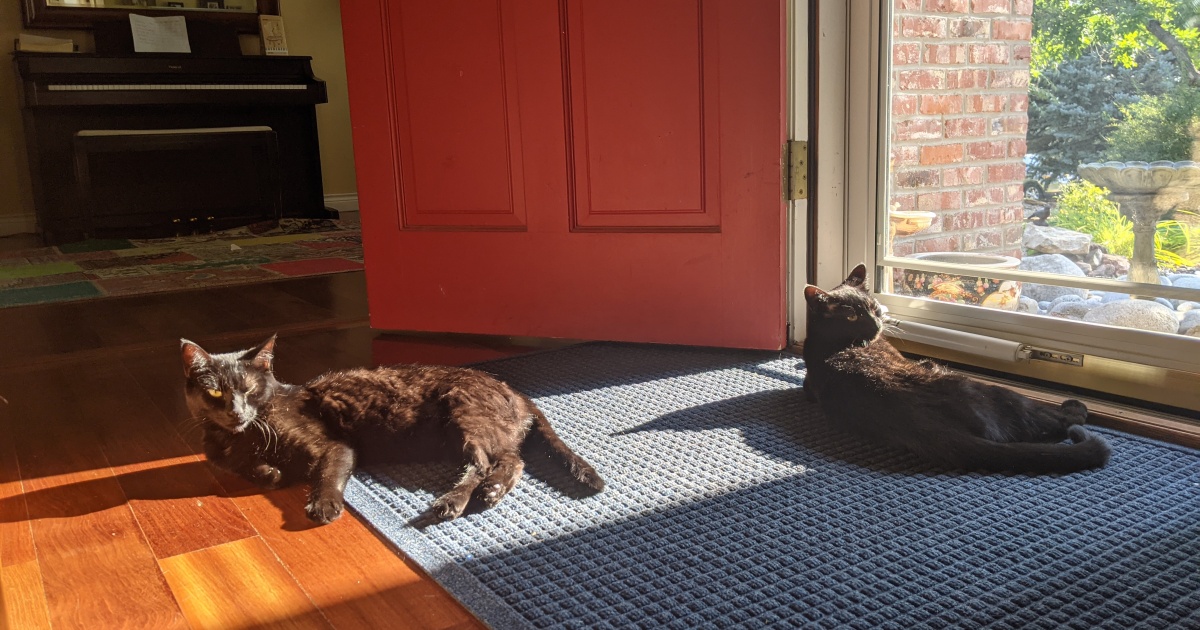
Some headlines are born to be clicked, and “Hey Pandas, Photoshop This Picture Of My Kitties” is one of them. It has everything the internet loves in one tidy little package: cats, comedy, chaos, and the irresistible invitation to make something even sillier than it already is. Put a camera in front of two cats and you might get elegance, judgment, sleep, or what appears to be a furry tax audit. Add Photoshop to the mix, and suddenly those same cats become astronauts, Victorian nobles, courtroom drama stars, or tiny supervisors who look deeply disappointed in your spreadsheet.
That is exactly why this kind of content works. It is visual, shareable, funny, and flexible. A single photo can inspire dozens of wildly different edits, and every edit tells a new joke. Better yet, cat photos already come with built-in personality. Dogs often look eager. Cats look like they know something. That mysterious energy is internet fuel.
But the best version of this idea is not just random editing for random laughs. A truly strong post starts with a great original photo, respects the comfort of the cats, and uses editing to enhance the humor instead of burying it under digital confetti. So if you want an article-worthy breakdown of why “Photoshop my kitties” content is such a crowd-pleaser, and how to make it better, fluffier, and smarter, pull up a chair. The cats probably already took the good one.
Why This Kind Of Cat Content Hooks Readers So Fast
The title works because it feels interactive. It is not just “look at my pets.” It is “join the joke.” That changes everything. Readers are no longer passive scrollers; they become participants. The post becomes a mini challenge, and challenges naturally invite comments, shares, edits, and repeat visits.
There is also a visual storytelling advantage. Cats are naturally expressive without trying very hard. A tilted head can look confused. A loaf pose can look regal. A mid-yawn shot can look like an opera performance from a tiny diva who missed brunch. Because their expressions feel human-adjacent without actually being human, viewers instantly start assigning roles and scenarios to them. That is the secret sauce of a good Photoshop prompt: the original image gives people just enough to imagine a bigger scene.
In SEO terms, this type of post can perform well because it sits at the intersection of several popular search interests: funny cat pictures, Photoshop cat edits, pet photo ideas, cat photography tips, and viral pet content. It is entertainment content with practical value. Readers arrive for the laughs, then stay for the ideas.
Start With A Better Kitty Photo, Not A Miracle
If the original photo is muddy, dark, cluttered, or taken from the ceiling like you were documenting a kitchen spill, the edit has to work much harder. A stronger base image gives every joke more punch. The good news is that you do not need a studio setup, a giant lens, or a degree in cinematic cat studies.
Use soft natural light
Natural light is your best friend when photographing cats. It makes fur texture look richer, keeps the eyes more expressive, and avoids the harsh, spooky look that flash can create. A spot near a window usually works beautifully. You want the light to flatter the cat, not turn your kitty into a fuzzy witness protection silhouette.
Shoot at cat level
Eye-level photos feel more intimate and more dramatic. They make the cat look like the main character, which, to be fair, the cat already believes. Shooting from above can still work for certain funny poses, but if you want a photo people will want to edit, eye-level often creates the strongest connection.
Keep the background simple
If the background includes a pile of laundry, three charging cables, one lonely sock, and the haunting emotional presence of an empty cereal bowl, your viewers will spend half their time decoding the room instead of admiring the cats. Clean backgrounds help the subject stand out and make editing easier.
Take many shots
Cats are not contractually obligated to cooperate. The perfect expression might appear for one glorious second and then vanish into a tail flick. Take lots of photos. Try different angles, distances, and orientations. The internet loves spontaneity, and cats specialize in unplanned comedy.
Cat Comfort Comes First, Always
Here is the rule that matters most: do not stress the cats for the sake of a funny edit. A great “Photoshop this picture” post should begin with a comfortable animal, not a forced pose. If your kitty looks tense, flattened, overwhelmed, or annoyed enough to file paperwork, it is time to stop.
Common signs of stress in cats include ears flattened back or sideways, a crouched posture, a tail held tight to the body, big dilated pupils, and a generally rigid or defensive look. A relaxed cat usually looks looser, calmer, and less like it is planning your downfall. Reading those cues is not just good pet etiquette. It also leads to better photos, because relaxed cats photograph better than irritated ones. The camera can absolutely pick up “I hate this meeting.”
Patience helps. Let the cat stay where it already feels comfortable. Bring the camera to the cat instead of relocating the cat for your artistic vision. If the cat walks away, that is the end of the photoshoot. Not a setback. Not a betrayal. Just a very normal cat editorial decision.
What Makes A Cat Photo Perfect For Photoshop
Not every cat photo needs editing, but some practically beg for it. The best candidates usually have three things: a clear subject, a readable expression, and visual space around the cat that makes compositing easier.
Great pose
A strong pose creates instant possibilities. A cat sitting upright can become a king, judge, professor, or CEO. A sprawled-out cat can become a dramatic fainting patient, a beach tourist, or a crime-scene diva. A startled face can become a rocket launch passenger with exactly zero informed consent.
Clean edges
If the cat is clearly separated from the background, editors have a much easier time isolating the subject. That means smoother cutouts, cleaner composites, and less time zooming in on individual whiskers while questioning every life choice that led to that moment.
Open space
Negative space around the kitties gives editors room to play. That empty area can become outer space, a throne room, a boardroom, or the deck of a pirate ship. The more compositional breathing room you have, the more directions the joke can go.
Funny Edit Ideas That Actually Work
The strongest Photoshop cat edits usually keep one paw in reality and the other paw in nonsense. In other words, the joke works because the cat still feels believable inside the absurd scene.
The tiny boss edit
Place your kitties behind a boardroom table, add a miniature laptop, and suddenly they are senior management. One cat looks stern, the other looks bored, and together they appear ready to reject your vacation request.
The fantasy royalty edit
Add velvet drapes, an ornate chair, and a dramatic painted background. A sleepy cat becomes a monarch. A fluffy cat becomes a warlord. A kitten becomes the youngest ruler in history, governing entirely by nap schedule.
The action-movie edit
This works best with wide eyes, dramatic fur, or a mid-stride pose. Think exploding skyline, tiny sunglasses, and a title like Mission: Im-paw-sible. It is silly, yes, but that is the point. A good Photoshop prompt gives people room to be ridiculous on purpose.
The everyday absurdity edit
Sometimes the funniest option is the simplest one: put the cats in a grocery checkout line, on a commuter train, or supervising a home renovation. The humor lands because the cats look as though they absolutely belong there and are mildly disappointed that you asked.
Editing Tips That Make The Joke Better, Not Messier
Editing should support the image, not smother it. Good pet-photo editing often starts with basic improvements: crop the frame, brighten the image, clean up distractions, correct pet-eye issues, and help the fur details show up clearly. Even a funny meme-style image benefits from a polished base.
Then comes the creative part. If you are placing cats into a new scene, pay attention to scale, shadows, and direction of light. If the original light hits from the left but your new background is lit from the right, the image can feel off. Viewers may not know why it looks strange, but they will feel it. Comedy still needs visual logic.
Another smart move is restraint. You do not need twenty effects, six fonts, and a rainbow laser tornado behind the cats. One strong concept usually beats ten competing ones. Let the cats stay the stars. They have union rules about this.
Common Mistakes That Weaken Kitty Photoshop Posts
Overediting the fur: Cats already come pre-installed with texture. If the fur gets too smoothed, too sharpened, or too glow-y, the image starts to look less “funny cat edit” and more “luxury pillow with trust issues.”
Ignoring mood: A relaxed loaf cat can sell a regal edit. A stressed cat should not be turned into comedy content. The original mood matters.
Using a weak source image: A blurry, badly lit picture can still be cute, but it is not ideal for collaborative editing.
Forgetting the caption: The title and caption help carry the joke. “Photoshop this picture of my kitties” works because it is open-ended, playful, and inviting.
Why Readers Share This Kind Of Content
People share cat Photoshop content for one simple reason: it makes them feel like they are in on the joke. It is participatory humor. It invites creativity from the audience and rewards even casual viewers with a quick laugh. It is also emotionally safe content. No heavy drama, no complicated learning curve, no stressful commitment. Just two cats and the possibility that one of them might become a Renaissance duke by lunchtime.
It also taps into something broader about pet culture online. Readers do not just want adorable animal photos anymore. They want personality, context, and story. They want to believe your cat is plotting, judging, celebrating, commuting, negotiating, and occasionally running a secret kingdom from under the couch. Photoshop lets them visualize that fantasy.
How To Turn The Title Into A Strong Publishable Article
If you are publishing around the phrase “Hey Pandas, Photoshop This Picture Of My Kitties”, the smartest angle is to blend entertainment with useful takeaways. That means giving readers humor, examples, and practical advice on photographing cats, understanding cat comfort, and creating edits that look intentional instead of accidental. This approach broadens keyword reach while still honoring the fun of the headline.
The title may sound whimsical, but the content behind it can still be thoughtful. In fact, that contrast is part of what makes it work. Readers arrive expecting fluff and leave with better photography instincts, stronger editing ideas, and a new respect for the emotional authority of a cat staring into the middle distance.
Experiences Related To “Hey Pandas, Photoshop This Picture Of My Kitties”
One of the funniest things about kitty Photoshop prompts is how wildly different people respond to the same photo. Give ten editors one image of two cats on a couch, and you will end up with ten different universes. Someone turns them into astronauts floating over Saturn. Someone else makes them nightclub bouncers. Another person turns the exact same pair into tired office workers surviving a Monday meeting with one shared brain cell. That variety is the charm. The original photo stays the same, but the audience reveals its own humor through the edits.
People who have tried posting these challenges often notice something interesting: the best results usually come from photos that were never trying too hard in the first place. A spontaneous look, an accidental side-eye, a weird loaf, or a dramatic stretch tends to outperform a carefully staged setup. Cats are naturally expressive when left alone, and viewers can tell when the moment is authentic. That authenticity gives editors more to work with. It feels like a real personality stepped into the frame, not a prop placed there for internet points.
Another common experience is realizing that the photo session itself becomes part of the story. Anyone who has photographed cats knows the process rarely goes in a straight line. You kneel by the window. The cat walks away. You shake treats. The cat returns only to present its tail directly to the lens like a diva refusing to give you the front angle without negotiated terms. You finally get one perfect frame, and it turns out to be the shot everyone loves. There is something comforting about that. Great cat content often comes from patience, not control.
There is also a surprisingly emotional side to these edits. While the prompt sounds goofy, many pet owners end up loving the transformed images because they highlight the cat’s personality in a memorable way. A timid cat becomes a gentle wizard. A bold tabby becomes a pirate captain. A sleepy senior cat becomes a queen draped in velvet. The humor is what pulls people in, but the affection is what makes them keep the image, print it, or send it to every relative they have ever met. It is not just a joke at that point. It is a tribute with better lighting.
Communities built around this kind of content also tend to be unusually generous. People enjoy showing off clever edits, but they also like celebrating the original cats. Compliments pile up fast: the whiskers, the paws, the suspicious face, the majestic fluff, the tiny expression that says, “I am not angry, I am simply disappointed in the curtains.” Even when the edits are ridiculous, the tone is usually affectionate. The cats are never the butt of the joke. They are the stars of it.
For creators, bloggers, and pet lovers, that makes “Hey Pandas, Photoshop This Picture Of My Kitties” more than a gimmick. It becomes a content format with staying power. It combines visual humor, audience participation, and emotional attachment in one neat package. That is hard to beat on the modern web. A post like this can attract casual readers who came for a laugh, photography fans looking for tips, pet owners searching for inspiration, and editors who just want an excuse to put a tabby on a throne.
In the end, the experience around these kitty Photoshop prompts is always a mix of chaos and delight. The cats rarely cooperate on schedule. The best frames are often accidental. The funniest edits come from unexpected directions. And somehow, that is exactly why the idea keeps working. Cat content does not need to be overengineered. It just needs personality, a good photo, and enough imagination to ask the internet one simple question: what ridiculous thing should these kitties do next?
Conclusion
“Hey Pandas, Photoshop This Picture Of My Kitties” succeeds because it takes something people already love, cat photos, and turns it into a creative invitation. The winning formula is simple: start with a well-lit, low-stress, personality-filled photo; keep the cats comfortable; and use editing to build a joke people instantly understand. When done well, the result is more than meme bait. It is shareable storytelling with whiskers.
If you are building content around this theme, think beyond the headline. Give readers laughs, yes, but also give them useful advice, practical editing ideas, and a reminder that the best pet content starts with respect for the animal. The internet may love nonsense, but it loves charming, believable nonsense most of all. And nobody delivers charming, believable nonsense quite like cats.
Note: Body-only HTML, publish-ready, with source links intentionally omitted as requested.














