A relaxing backyard is not about copying a magazine spread so perfectly that nobody dares sit down. It is about creating an outdoor space that lowers your blood pressure before you even find the chair. The best backyard retreat feels easy, personal, and a little bit magical at dusk. It gives you shade when the sun is dramatic, privacy when the neighbors are curious, and enough comfort that “I’ll just stay out here for five minutes” somehow becomes an entire evening.
If your current yard feels more like a patch of grass with commitment issues, do not panic. You do not need a resort-style pool, a celebrity landscape budget, or a small army of throw pillows. You need a smart plan. A relaxing backyard usually comes down to a few essentials done well: layout, shade, privacy, comfortable seating, layered lighting, soft planting, and low-maintenance choices that do not turn your weekend retreat into a full-time job.
Here is how to create a relaxing backyard that looks beautiful, feels welcoming, and actually gets used.
Start With a Purpose, Not a Shopping Cart
Before buying a single lantern, planter, or suspiciously expensive outdoor egg chair, decide how you want your backyard to feel. Relaxing means different things to different people. For one homeowner, it is a quiet morning coffee corner. For another, it is a shady space for reading, grilling, and letting the dog patrol like a tiny security officer.
Ask yourself a few useful questions
- Do you want a solo retreat, a family hangout, or a space for entertaining?
- Will you use the yard more in the morning, afternoon, or evening?
- Do you want lush and garden-like, modern and minimal, or cozy and layered?
- How much maintenance are you honestly willing to do?
Those answers shape everything else. A backyard designed for quiet evenings will not be arranged the same way as one built for weekend dinners with friends. When you know the purpose, every decision becomes easier, and you are less likely to fill the yard with random objects that looked charming online but now glare at you from the patio.
Create Simple Zones So the Yard Feels Intentional
One of the fastest ways to make a backyard feel calm is to divide it into usable zones. That sounds fancy, but it really means giving each area a job. Instead of one big open space, create a few smaller destinations. This makes the yard feel organized, cozy, and much more inviting.
Common relaxing backyard zones
- A lounge zone: for reading, chatting, or staring thoughtfully at the sky
- A dining zone: for meals, snacks, and “just one more drink” conversations
- A garden zone: with planters, flowers, herbs, or screening shrubs
- A quiet corner: a tucked-away bench, hammock, or bistro set
You can define zones with an outdoor rug, planters, gravel, pavers, a pergola, or simply the placement of furniture. Even in a small backyard, two thoughtfully arranged zones feel more relaxing than one scattered setup. It gives the eye a place to land and the body a place to settle.
Shade Is Not Optional if You Want to Actually Relax
A backyard without shade is basically a polite invitation to sweat. If you want people to linger outdoors, you need relief from direct sun. Shade also makes the yard feel more finished and comfortable, especially during the hottest part of the day.
Best shade ideas for a relaxing backyard
- Pergolas: great for defining a seating area and adding architectural interest
- Umbrellas: affordable, flexible, and ideal for dining tables or small patios
- Shade sails: modern-looking and useful when there is no built-in cover
- Gazebos or covered patios: excellent for full protection and all-day comfort
- Outdoor curtains: soft, breezy, and surprisingly effective
If you already have a pergola, make it work harder. Add climbing vines, fabric panels, or retractable shade for extra coverage. If your budget is modest, start with a sturdy umbrella and upgrade later. Relaxation does not care whether the shade came from a designer pergola or a very determined umbrella stand.
Privacy Makes a Backyard Feel Like an Escape
Nothing breaks a peaceful mood faster than feeling like you are relaxing in someone else’s line of sight. Privacy is one of the biggest ingredients in a backyard oasis because it helps the space feel sheltered, intimate, and separate from the rest of the world.
Easy ways to add backyard privacy
- Tall fencing or wood panels
- Outdoor curtains around a pergola or patio
- Trellises with vines
- Large planters with ornamental grasses or evergreen shrubs
- Layered landscaping that blocks awkward views
The secret is layering. A fence alone can feel hard and flat. A fence plus shrubs, potted plants, and soft lighting feels intentional and serene. If you have a small backyard, a privacy screen behind a bench or lounge chair can create a cozy nook without making the whole space feel boxed in.
Choose Seating That Invites People to Stay
Relaxing backyards are built around comfort. If your chairs look amazing but feel like punishment, the design has failed. Outdoor seating should be supportive, weather-friendly, and easy to gather around.
What works best
- Deep lounge chairs with cushions
- A small outdoor sofa and coffee table
- Adirondack chairs around a fire pit
- A bench tucked into a garden edge
- A hammock or hanging chair for a softer, slower vibe
Arrange seats so people can face one another without shouting across the yard. A coffee table or side table in the middle instantly makes the space feel like an outdoor living room. Add weather-resistant pillows and a throw blanket for evenings, and suddenly your backyard becomes the room everyone mysteriously gravitates toward.
Use Plants to Soften the Space and Calm the Mood
Plants do a lot of heavy lifting in a relaxing backyard. They soften hard edges, add movement, create privacy, and make the whole space feel more alive. The trick is choosing plants that support the mood without creating a maintenance crisis.
Smart plant choices for a calming backyard
- Fragrant herbs and flowers: lavender, thyme, chamomile, lemon balm, basil
- Ornamental grasses: for motion, texture, and a soft screen effect
- Evergreen shrubs: for year-round structure and privacy
- Native or climate-appropriate plants: for lower water use and easier care
- Container plant groupings: for flexibility on patios and decks
Think beyond how plants look and consider how they feel. A truly relaxing backyard often engages the senses. Fragrant herbs by a path, grasses that move in the breeze, and leafy plants near a seating area help create an environment that feels immersive rather than decorative. A sensory garden does not have to be complicated. Sometimes a few pots of rosemary, lavender, and mint near a chair do more for the mood than an elaborate planting plan.
Layer the Lighting for Evenings That Feel Special
Lighting is where a decent backyard becomes a dreamy one. Good outdoor lighting extends the use of the yard, improves safety, and creates atmosphere after sunset. The key word is layered. One bright overhead light is not relaxing. It is interrogation-adjacent.
Use three types of outdoor lighting
- Ambient lighting: string lights, lanterns, candles, or pendants for glow
- Task lighting: brighter light over dining or grilling areas
- Path lighting: low lights along walkways and steps for safety
String lights are popular for a reason. They soften the space and visually tie different zones together. Path lights help guests move around safely. Lanterns add a cozy flicker near seating areas. If you have a tree, pergola, or fence line, that is prime real estate for lighting that feels warm rather than harsh.
One simple rule: the more relaxing the mood you want, the less you should rely on a single overly bright fixture. Think glow, not stadium.
Add Sound and Movement for a True Backyard Retreat
Relaxation is not just visual. Sound matters too. If traffic, nearby conversations, or neighborhood chaos keep invading your peace, add elements that soften or mask noise.
Ways to create a calmer sensory experience
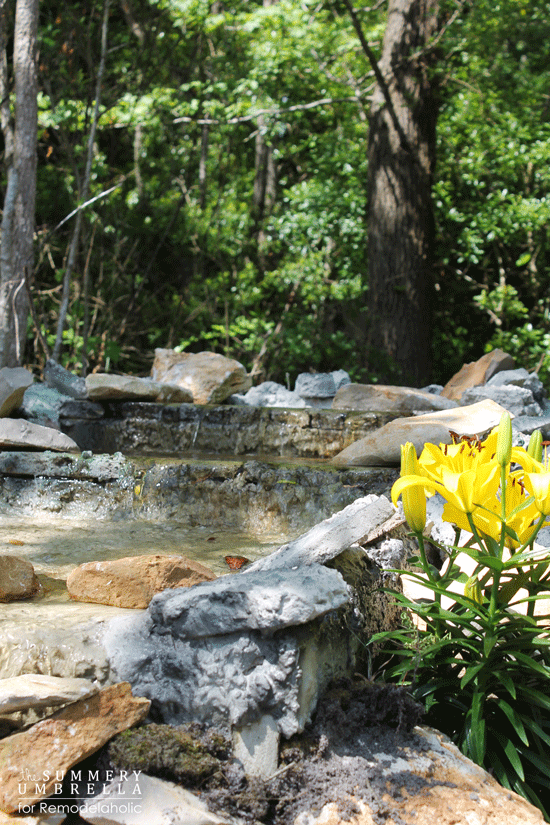
- A small fountain or bubbling water feature
- Birdbaths that attract gentle backyard activity
- Ornamental grasses or bamboo-style screens that rustle in the breeze
- Outdoor curtains that move softly and reduce harsh edges
A simple fountain can make a huge difference. You do not need a grand waterfall worthy of a luxury resort brochure. Even a compact plug-in fountain can add the kind of sound that makes the entire space feel more peaceful. It is the backyard equivalent of lowering your voice in a library.
Keep the Color Palette Easy on the Eyes
If you want your backyard to feel restful, lean into colors that do not fight for attention. Natural wood, soft greens, warm whites, muted blues, sand tones, charcoal, and terracotta all work beautifully. These shades pair well with greenery and help the space feel grounded.
That does not mean your backyard must look like a neutral paint sample card. A few accent colors are great, especially in pillows, pottery, or flowers. But if every cushion is shouting and every planter is trying to become famous, the yard can start to feel busy instead of calming.
Choose Low-Maintenance Upgrades So Relaxation Lasts
A relaxing backyard should not require a weekly emotional support spreadsheet. One of the smartest ways to build an outdoor retreat is to make it easier to maintain from the start.
Low-maintenance backyard ideas that work
- Use native and adaptive plants where possible
- Group plants with similar water needs
- Install drip irrigation or water containers by hand instead of overwatering the whole yard
- Reduce unnecessary lawn area with beds, gravel, or pavers
- Choose durable outdoor fabrics and furniture materials
- Keep water features clean and avoid standing water that attracts mosquitoes
This is where design becomes practical. A backyard is far more relaxing when the plants suit your climate, the watering makes sense, and the furniture does not need constant rescue after every storm. Low maintenance is not boring. It is freedom in landscaping form.
Three Easy Backyard Formulas You Can Copy
1. The Small-Patio Escape
Add a cantilever umbrella, two cushioned chairs, an outdoor rug, one privacy screen, string lights, and a cluster of fragrant pots. Small space, big exhale.
2. The Family-Friendly Calm Zone
Create one lounge area and one dining area. Add a pergola, washable textiles, durable planters, and soft path lighting. Keep plants tough, seating generous, and storage nearby.
3. The Quiet Garden Retreat
Tuck a bench or loveseat under partial shade, surround it with layered planting, add a fountain, and keep the palette simple. This setup is ideal for reading, morning coffee, or pretending not to hear your phone.
Final Thoughts
Creating a relaxing backyard is less about perfection and more about atmosphere. The most inviting outdoor spaces are thoughtful, shaded, comfortable, and personal. They offer privacy without feeling closed in, beauty without being fussy, and enough softness that you want to slow down the moment you step outside.
Start with the basics: define the layout, add shade, create privacy, choose comfortable seating, layer your lighting, and plant with intention. Then edit ruthlessly. If something does not make the space more comfortable, calming, or useful, it probably does not need to stay.
In the end, a relaxing backyard is really a permission slip. It tells you to sit down, stay a while, and let the day be a little less noisy. And honestly, your backyard has been waiting for this glow-up.
Real-Life Experiences: What a Relaxing Backyard Feels Like Day to Day
A truly relaxing backyard changes the rhythm of ordinary life in small but meaningful ways. The first sign you got it right is that you begin using the yard without making a formal event out of it. You stop thinking, We should go outside sometime, and start stepping out with your coffee almost automatically. The backyard becomes less of a project and more of a habit.
In the morning, the experience is usually quiet and simple. A chair that faces the garden, a little shade, and a place to set a mug can make the whole start of the day feel different. The air is cooler, the light is softer, and the yard feels like a buffer between you and whatever nonsense is waiting in your inbox. Even ten minutes outdoors can make home feel larger and calmer.
In the afternoon, comfort matters more. This is when shade earns its salary. Without it, most backyards become decorative at best. With it, the space stays useful. You can read, nap, or watch kids play without feeling like a marshmallow near a campfire. A pergola, umbrella, or leafy corner turns the yard into a place where people actually linger. It becomes the preferred spot for a phone call, a snack, or a suspiciously long break from chores.
Evenings are where a relaxing backyard really shows off. When the lights come on and the sky starts to dim, the space feels different from the rest of the house. String lights blur the edges. Lanterns make everything a little softer. A fountain or rustling grass covers the leftover noise from the street. Suddenly the backyard feels like a destination, even though it is only a few steps from the kitchen.
Relaxing backyards also improve the social side of home life. People gather more naturally outdoors because the space feels less formal. Conversations stretch out longer. Friends pull up a chair instead of hovering awkwardly near the door. A small table with drinks, a cozy seating group, and decent lighting can do more for entertaining than a giant renovation. The best part is that nobody expects perfection outside. A slightly mismatched setup can still feel wonderful if the mood is right.
There is also something satisfying about how a calm backyard supports quiet hobbies. Gardening becomes more enjoyable when there is a comfortable place to sit nearby. Reading outdoors feels like a mini vacation. Even watering pots in the evening can become a ritual instead of a task. The space encourages slower habits, which may be the most valuable upgrade of all.
And then there are the tiny details you do not anticipate. The smell of herbs after rain. The sound of a chair cushion settling in when you sit down. The way a privacy screen makes the yard feel protected without feeling closed off. The fact that your family starts drifting outside after dinner because the space simply feels better than the couch for a while. Those experiences are what transform a backyard from a nice-looking area into a true retreat.
That is why the best relaxing backyard design is not just about aesthetics. It is about behavior. It changes how you use your home. It gives you more reasons to pause, more comfort at the end of a long day, and more moments that feel unhurried. Once that happens, the backyard stops being extra space. It becomes one of the most valuable rooms you have, just with more birds and fewer charging cables.