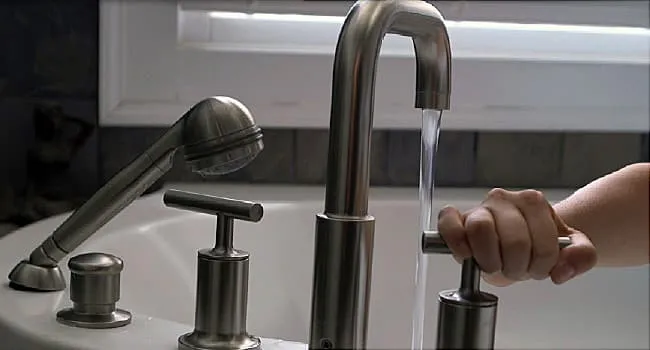
Bath time should feel like a reset button, not a tiny domestic obstacle course. When you live with psoriasis, however, a shower or soak can either calm your skin or leave it feeling tighter, itchier, and dramatically unimpressed. The good news? With the right preparation, bath time can become one of the most useful parts of a psoriasis skin care routine.
Psoriasis is a chronic inflammatory skin condition that can cause plaques, scales, itching, dryness, soreness, and flare-ups that seem to arrive with the timing of a bad sitcom guest star. While bathing does not cure psoriasis, it can help soften scales, reduce discomfort, remove irritants, and prepare the skin for moisturizers or prescribed topical treatments. The key is knowing how to bathe without accidentally stripping the skin barrier.
This guide explains how to prepare for bath time with psoriasis, what products to choose, what habits to avoid, and how to build a soothing after-bath routine that supports healthier-feeling skin.
Why Bath Time Matters When You Have Psoriasis
For many people, bathing is automatic: turn on water, apply soap, rinse, towel off, carry on. With psoriasis, the skin often needs more strategy. Psoriasis plaques can become dry, thick, scaly, and itchy. Bathing in lukewarm water can soften built-up scale and make the skin feel more comfortable. But long, hot baths or harsh scrubbing can remove natural oils, irritate plaques, and sometimes make itching worse.
Think of bath time as a three-part routine: prepare, cleanse gently, and seal in moisture. Skipping the third step is where many people go wrong. Water hydrates the outer skin briefly, but that moisture can evaporate quickly unless you trap it with a cream, ointment, or lotion soon after bathing. That is why dermatology guidance often emphasizes moisturizing while the skin is still slightly damp.
The Goal Is Comfort, Not “Squeaky Clean”
Skin with psoriasis does not need to be scrubbed into submission. In fact, “squeaky clean” usually means “stripped,” and stripped skin tends to complain. Your goal is to remove sweat, dirt, and irritants while keeping the skin barrier as calm and hydrated as possible.
Before the Bath: Set Up Your Psoriasis-Friendly Station
Preparing before you turn on the faucet can make the entire process easier. Nobody wants to stand in a towel searching for moisturizer while their skin dries out like a forgotten houseplant.
Gather Your Essentials
Place everything you need within arm’s reach before bathing. A simple bath-time setup may include a fragrance-free cleanser, a soft towel, prescribed topical medication if your dermatologist has recommended one, and a thick moisturizer such as an ointment or cream. If your skin is very dry, ointments may feel heavier, but they usually lock in moisture better than lightweight lotions.
Check the Water Temperature
Use lukewarm water rather than hot water. Hot water may feel wonderful for about thirty seconds, like a spa day sponsored by poor decisions, but it can strip oils from the skin and worsen dryness. Lukewarm water is less dramatic and much more skin-friendly.
Keep Timing Reasonable
A short bath or shower is usually better than a marathon soak. Many people with psoriasis do well with a brief shower or a 10- to 15-minute soak. Staying in the water too long can leave the skin feeling dry or tight afterward, especially if the water is hot or the cleanser is harsh.
Choosing Bath Products for Psoriasis
The best bath products for psoriasis are usually boring in the best possible way. Fragrance-free, dye-free, gentle, and simple formulas are your friends. The bottle does not need to smell like tropical rain, vanilla cupcake, or “midnight glacier breeze.” Your skin is not asking for a vacation brochure. It is asking for less irritation.
Use a Mild, Fragrance-Free Cleanser
Choose a gentle cleanser instead of a deodorant soap or heavily scented body wash. Harsh soaps can dry the skin, and fragrance can trigger irritation for some people. If you have plaques in sensitive areas, consider cleansing around them carefully rather than rubbing directly over inflamed skin.
Consider Oatmeal Baths
Colloidal oatmeal baths may help soothe itching and soften dry skin. Oatmeal is not a magic wand, but it can be a gentle comfort tool for some people. Use a product designed for bathing or finely ground colloidal oatmeal. Avoid chunky breakfast oats unless you want your bathtub to look like it lost a fight with a cereal bowl.
Ask About Bath Oils or Epsom Salts
Some people find bath oils or Epsom salts helpful for softening scale and easing discomfort. However, bath oils can make the tub slippery, so use caution. Epsom salts may not be right for everyone, especially if the skin is cracked or stinging. If you are unsure, ask your dermatologist before adding new bath ingredients.
Avoid Harsh Exfoliants
Rough scrubs, stiff brushes, loofahs, and aggressive exfoliating tools can irritate plaques and create tiny skin injuries. For some people with psoriasis, skin trauma may contribute to new lesions in the affected area. Gentle is not optional; it is the whole plot.
How to Bathe With Psoriasis: A Step-by-Step Routine
A consistent psoriasis bath routine helps reduce guesswork. Once you find a method that works, repeat it. Your skin often appreciates predictability more than novelty.
Step 1: Start With Lukewarm Water
Turn the water to a comfortable lukewarm temperature. If your bathroom mirror instantly fogs like a mystery movie, the water is probably too hot. A lower temperature helps protect the skin from unnecessary dryness.
Step 2: Cleanse Only Where Needed
Apply cleanser mainly to areas that sweat or collect odor, such as underarms, feet, and skin folds. You do not need to soap every square inch with military precision. Rinse thoroughly so no cleanser remains on the skin.
Step 3: Do Not Scrub Plaques
Let water soften scales naturally. If loose scale comes away with gentle washing, that is fine. But do not pick, scratch, or scrub plaques. Removing scale by force can cause bleeding, soreness, irritation, or more inflammation.
Step 4: Pat, Do Not Rub
After bathing, gently pat your skin with a soft towel. Leave the skin slightly damp. Rubbing hard with a towel can irritate plaques and make itching worse. Your towel should be a supporting character, not a sandpaper audition.
Step 5: Apply Treatment if Directed
If your dermatologist has prescribed a topical medication, follow the instructions carefully. Some treatments are applied before moisturizer, while others may have specific timing rules. Do not change prescription use without medical guidance.
Step 6: Moisturize Quickly
Apply moisturizer within a few minutes after bathing. A thick, fragrance-free cream or ointment helps seal water into the skin. Cover both affected and unaffected areas because psoriasis-prone skin often benefits from full-body barrier support.
Best Moisturizing Habits After Bath Time
Moisturizing is one of the simplest and most important steps in psoriasis skin care. It can help reduce dryness, soften scale, calm tightness, and make the skin feel more comfortable. The best moisturizer is the one your skin tolerates and you are willing to use consistently.
Choose Creams or Ointments for Dry Skin
Lotions are lighter and easier to spread, but creams and ointments usually provide stronger moisture protection. Ointments can feel greasy, but they are useful for very dry plaques, elbows, knees, hands, and feet. You can use a lighter product during the day and a heavier one at night.
Look for Skin-Barrier Ingredients
Helpful ingredients may include petrolatum, mineral oil, glycerin, ceramides, hyaluronic acid, dimethicone, and colloidal oatmeal. Some psoriasis products also contain salicylic acid or urea to help soften scale, but these may sting on cracked skin. Patch testing a new product on a small area can help you avoid a full-body surprise party.
Moisturize More Than Once Daily
After-bath moisturizing is essential, but many people need additional applications during the day. Hands, feet, elbows, and knees often dry out quickly. Keep a small tube of fragrance-free moisturizer near your sink, desk, or bedside table to make reapplication easier.
What to Avoid During Psoriasis Bath Time
Sometimes the most helpful routine is less about adding fancy products and more about removing the usual troublemakers.
Avoid Hot Water
Hot water can worsen dryness and itching. If your skin feels tight, flushed, or itchy after bathing, lower the temperature next time.
Avoid Fragranced Products
Fragrance is a common irritant for sensitive skin. Even products labeled “natural” or “botanical” can cause problems. Lavender may sound peaceful, but your plaques may vote no.
Avoid Over-Bathing
Bathing too often can dry the skin, especially with soap or hot water. Many people do best with one daily bath or shower, followed by moisturizer. If you exercise, sweat heavily, or need extra rinsing, keep the second wash brief and gentle.
Avoid Picking at Scales
Picking can lead to bleeding, soreness, infection risk, and more irritation. If scales feel thick or uncomfortable, ask your dermatologist about safe scale-softening options.
Special Bath-Time Tips for Common Psoriasis Areas
Scalp Psoriasis
Scalp psoriasis may need medicated shampoos, such as products containing salicylic acid, coal tar, or other dermatologist-recommended ingredients. Let medicated shampoo sit for the recommended time before rinsing. Avoid scratching with fingernails. Use fingertips gently, and be patient with scale removal.
Hand and Foot Psoriasis
Hands and feet can become cracked and painful because they work hard all day. After bathing, apply a thick moisturizer and consider cotton gloves or socks at night if your clinician says it is appropriate. This helps keep the moisturizer in place instead of transferring it to your sheets, phone, doorknobs, and the entire known universe.
Inverse Psoriasis
Inverse psoriasis appears in skin folds, such as under the breasts, underarms, groin, or buttocks. These areas can be sensitive and may not tolerate heavy ointments well. Keep folds clean and dry after bathing, and ask your dermatologist which products are safest because irritation and yeast overgrowth can complicate symptoms.
Facial Psoriasis
The face needs extra caution. Use a very gentle cleanser, avoid scrubs, and choose moisturizers made for sensitive skin. Do not use strong medicated products on the face unless your dermatologist tells you to do so.
When Bath Time Burns, Stings, or Makes Psoriasis Worse
If bathing regularly causes burning, stinging, or worsening redness, your routine may need adjustment. Possible culprits include hot water, fragrance, harsh cleansers, over-exfoliation, or active cracks in the skin. Try simplifying the routine: lukewarm water, minimal cleanser, soft towel, and plain fragrance-free moisturizer.
You should contact a healthcare professional if plaques become very painful, ooze, bleed frequently, show signs of infection, or spread quickly. Also seek guidance if psoriasis affects sleep, movement, mood, or daily comfort. Bath routines can support treatment, but moderate to severe psoriasis often needs medical management.
Building a Calm Bathroom Environment
Psoriasis is not only a skin condition; it can affect confidence, routines, clothing choices, sleep, and stress. Making bath time calmer can help you stick with skin care without turning it into a nightly negotiation.
Keep the Room Warm, Not Steamy
A cold bathroom can make moisturizing feel unpleasant, while a steamy bathroom may tempt you into hotter water. Aim for comfortable warmth. Place your towel and moisturizer nearby so the transition from bath to skin care is quick.
Use Soft Fabrics
Choose soft towels and loose, breathable clothing after bathing. Tight waistbands, scratchy fabrics, and wool can irritate psoriasis-prone skin. Cotton or smooth moisture-wicking fabrics are often easier to tolerate.
Make It Routine, Not a Production
Your bath routine does not need twenty-seven steps and a shelf that looks like a laboratory married a beauty influencer. A simple, repeatable plan is usually better: lukewarm water, gentle cleanse, pat dry, treat if directed, moisturize generously.
Practical Examples: Psoriasis Bath-Time Routines
The Quick Shower Routine
This routine works well for busy mornings. Take a short lukewarm shower, use fragrance-free cleanser only where needed, rinse thoroughly, pat dry, apply prescribed treatment if directed, then moisturize from neck to toes. Put on soft clothing and reapply moisturizer later to stubborn dry spots.
The Evening Soak Routine
For thicker plaques or itchy days, try a lukewarm 10- to 15-minute soak with colloidal oatmeal or a dermatologist-approved bath additive. Avoid scrubbing. After the bath, pat dry and apply a heavier cream or ointment. This routine can be especially helpful before bed because heavier products have time to absorb while you sleep.
The Flare-Day Minimalist Routine
During a flare, less may be more. Use lukewarm water, skip unnecessary cleansers, avoid exfoliation, pat dry gently, and apply a bland moisturizer. Wear loose clothing. If flares are frequent or severe, contact your dermatologist instead of trying to outsmart inflammation with random products from the back of the cabinet.
Bath Time and Psoriasis Triggers
Bathing is only one part of psoriasis care. Triggers vary from person to person, but common ones may include stress, skin injury, infections, certain medications, cold dry weather, smoking, and heavy alcohol use. A bath routine cannot control every trigger, but it can reduce dryness and irritation, which are two very practical wins.
Consider keeping a simple skin diary. Note water temperature, products used, bath length, moisturizer, symptoms, sleep, stress, and weather. Over time, patterns may appear. Maybe your skin dislikes a certain cleanser. Maybe winter demands heavier moisturizer. Maybe hot showers are the villain wearing a fluffy robe. Small observations can lead to useful changes.
Extra Experiences and Real-Life Lessons About Preparing for Bath Time With Psoriasis
Living with psoriasis often teaches people that bath time is not just about getting clean. It is about timing, temperature, product choices, patience, and sometimes accepting that your skin has a personality strong enough to deserve its own calendar invite. The experience can feel different from day to day. One evening, a lukewarm bath may feel soothing and help loosen uncomfortable scale. Another day, the same routine may feel like too much because the skin is cracked, tender, or extra itchy.
One common experience is learning the hard way that hot water is not a long-term friend. Many people enjoy a steaming shower because it briefly quiets itching or relaxes sore muscles. But afterward, the skin may feel tight and dry, and plaques may look angrier. Switching to lukewarm water can feel disappointing at first, like ordering soup and receiving a weather report, but the skin often responds better. The goal is not instant luxury; it is less irritation after the towel comes off.
Another lesson is that preparation prevents panic. When moisturizer is across the room, the skin dries while you search for it. When the towel is rough, every pat feels like a personal insult. When the cleanser is scented, the bathroom smells lovely while the plaques file a formal complaint. Setting up products before bathing makes the routine smoother. A pump bottle of fragrance-free moisturizer near the tub, a soft towel on the rack, and clean loose clothing ready afterward can turn a frustrating process into something manageable.
People with psoriasis also often discover that “gentle” means more than product labels. It means using fingertips instead of nails on the scalp. It means letting scale soften instead of scraping it. It means resisting the urge to test five new products in one week because one online review said, “This changed my life.” Skin with psoriasis usually prefers slow experiments. Try one new product at a time, use it consistently, and stop if it burns or worsens irritation.
There is also an emotional side to bathing with psoriasis. Plaques can be more visible when clothes come off, and that can bring frustration, embarrassment, or sadness. A helpful routine is not only about skin comfort; it can also support confidence. Using a calm, predictable bath routine can make the body feel cared for rather than criticized. That matters. Psoriasis can be stubborn, but your routine can still be kind.
Finally, many people learn that the after-bath step is where the magic quietly happens. The bath may soften and cleanse, but moisturizer seals the deal. Applying a thick cream or ointment while the skin is still damp can reduce that tight, itchy feeling that often appears later. It may not make plaques disappear overnight, but it can make the skin feel less like it is sending emergency emails. Over time, those small daily choices can make bath time less stressful and more supportive.
Conclusion: Make Bath Time Work for Your Skin
Preparing for bath time with psoriasis is about protecting the skin barrier, reducing irritation, and building habits that are realistic enough to repeat. Use lukewarm water, keep baths and showers brief, choose fragrance-free products, avoid scrubbing, pat skin dry, and moisturize while the skin is still damp. If you use prescription treatments, follow your dermatologist’s instructions and ask questions when something stings, fails, or feels confusing.
Psoriasis may be unpredictable, but your bath routine does not have to be. With the right setup, bath time can become less of a gamble and more of a gentle daily reset. Your skin may never write you a thank-you note, but fewer itchy, tight, irritated moments are a pretty good review.
Note: This article is for educational purposes only and does not replace medical advice. People with moderate, severe, painful, infected, or rapidly worsening psoriasis should consult a board-certified dermatologist or qualified healthcare professional.