Note: This article is written for web publishing and synthesizes practical cooking guidance from reputable American recipe and food-safety sources, without inserting source links.
No-flip French toast is the breakfast equivalent of finding money in last winter’s coat pocket: surprisingly easy, deeply satisfying, and slightly magical. Instead of standing at the stove like a spatula-wielding security guard, you arrange thick slices of bread in a baking dish, pour over a cinnamon-vanilla custard, let the oven do the work, and end up with golden, custardy French toast that feeds a crowd without one single dramatic flip.
This best no-flip French toast recipe is designed for people who love classic French toast but do not love cooking it slice by slice while everyone else drinks coffee and asks, “Is mine ready yet?” The method borrows the best parts of baked French toast, overnight French toast casserole, and traditional diner-style French toast: rich egg custard, sturdy bread, warm spices, buttery edges, and a lightly crisp top.
The result is a no-flip baked French toast that tastes special enough for brunch but is simple enough for a lazy Saturday morning. You can assemble it right before baking, or prep it the night before and wake up feeling like a breakfast genius.
What Is No-Flip French Toast?
No-flip French toast is French toast baked in the oven instead of cooked on a griddle or skillet. Traditional French toast requires dipping slices of bread into an egg-and-milk mixture, placing them in a buttered pan, cooking one side, flipping carefully, and hoping the second side browns before the middle turns rubbery. Delicious? Absolutely. Slightly needy? Also yes.
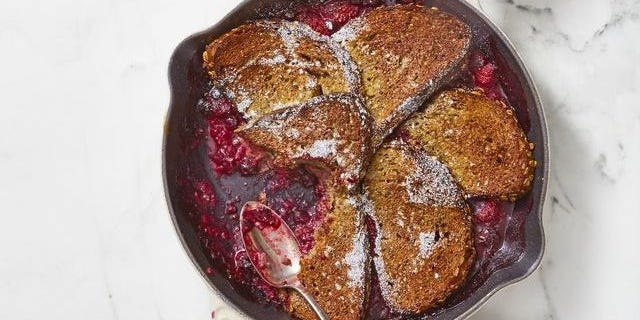
With the no-flip method, the bread goes into a buttered baking dish, the custard is poured over the top, and everything bakes until puffed, golden, and set. It is similar to a French toast casserole, but this version keeps the bread in attractive slices instead of cubes, so it still feels like classic French toast on the plate.
The biggest advantage is consistency. The oven surrounds the dish with steady heat, allowing the custard to soak into the bread and cook evenly. The top becomes lightly crisp, the bottom gets buttery and tender, and the center stays soft without being soggy. Basically, it is French toast that has learned time management.
Why This Is the Best No-Flip French Toast Recipe
It Feeds a Crowd Without Stove Duty
If you have ever made French toast for six people, you already know the problem: the first slices get cold before the last slices are done. No-flip French toast solves that by baking everything at once. One pan, one oven, one happy table.
It Has a Custardy Center and Golden Top
The best French toast should be rich and soft inside, not dry like toast wearing an egg costume. This recipe uses the right ratio of eggs, milk, cream, sugar, vanilla, cinnamon, and salt to create a balanced custard. The bread absorbs flavor without collapsing into pudding.
It Works for Make-Ahead Breakfasts
You can assemble this dish the night before, cover it, refrigerate it, and bake it in the morning. Overnight soaking gives the bread more time to absorb the custard, creating a deeper, bread-pudding-like texture. If you are hosting brunch, this is the kind of recipe that lets you look relaxed on purpose.
Best Bread for No-Flip French Toast
The bread is not a supporting actor here. It is the star wearing a cinnamon-sugar cape. For the best texture, choose a sturdy loaf that can absorb custard without falling apart.
Top Bread Choices
- Brioche: Rich, buttery, and soft, ideal for a dessert-like French toast.
- Challah: Tender but sturdy, with a beautiful golden color and mild sweetness.
- French bread: Slightly chewy and excellent for overnight soaking.
- Texas toast: Thick, easy to find, and great for a classic diner-style result.
- Pullman or white sandwich loaf: Simple, soft, and family-friendly when sliced thick.
Day-old bread works best because it is slightly dry, which helps it soak up the custard without turning mushy. If your bread is fresh, do not panic. Cut it into thick slices and let it sit uncovered for a few hours, or toast the slices briefly in a low oven until slightly dry but not browned.
Ingredients for No-Flip French Toast
This recipe serves 8 generous portions.
For the French Toast
- 1 tablespoon unsalted butter, softened, for greasing the baking dish
- 1 loaf brioche, challah, or French bread, cut into 1-inch-thick slices
- 8 large eggs
- 2 cups whole milk
- 1 cup heavy cream or half-and-half
- 1/2 cup packed light brown sugar
- 2 tablespoons granulated sugar
- 2 teaspoons pure vanilla extract
- 1 1/2 teaspoons ground cinnamon
- 1/4 teaspoon ground nutmeg
- 1/2 teaspoon kosher salt
- 2 tablespoons melted butter, for drizzling
Optional Toppings
- Maple syrup
- Powdered sugar
- Fresh berries
- Sliced bananas
- Toasted pecans or almonds
- Whipped cream
- Warm fruit compote
How to Make No-Flip French Toast
Step 1: Prepare the Baking Dish
Grease a 9-by-13-inch baking dish with softened butter. Be generous, because butter helps prevent sticking and adds flavor to the bottom of the French toast. Nobody has ever said, “This breakfast has too much buttery charm.”
Step 2: Arrange the Bread
Place the bread slices in the dish, overlapping them slightly like shingles on a very delicious roof. If your slices are large, arrange them in a single layer with slight overlap. If they are smaller, tuck them in snugly so every piece has contact with the custard.
Step 3: Make the Custard
In a large bowl, whisk the eggs until smooth. Add the milk, cream, brown sugar, granulated sugar, vanilla, cinnamon, nutmeg, and salt. Whisk until the mixture is fully combined and the sugar begins to dissolve.
The salt is important. It does not make the dish salty; it wakes up the vanilla, cinnamon, butter, and maple flavors. Think of it as the tiny breakfast coach yelling, “Let’s go, team!”
Step 4: Pour and Soak
Slowly pour the custard over the bread, making sure every slice gets attention. Press the bread gently with a spatula or clean hands so it begins absorbing the mixture. Let it sit for at least 20 minutes before baking.
For the best make-ahead version, cover the dish and refrigerate it for 4 hours or overnight. The longer soak creates a richer, more even texture. In the morning, let the dish sit at room temperature for about 20 to 30 minutes while the oven preheats.
Step 5: Bake Until Golden
Preheat the oven to 350°F. Drizzle the top of the soaked bread with melted butter. Cover the baking dish loosely with foil and bake for 25 minutes. Remove the foil and bake for another 20 to 30 minutes, or until the top is golden brown and the custard is set.
The center should no longer look wet or runny. For best food safety, egg-based dishes should reach 160°F in the center. If the top browns too quickly before the center is set, loosely tent the dish with foil again and continue baking.
Step 6: Rest, Slice, and Serve
Let the baked French toast rest for 10 minutes before serving. This short rest helps the custard settle and makes the slices easier to lift from the pan. Serve warm with maple syrup, powdered sugar, berries, or whatever toppings make your brunch table feel like it has its life together.
Pro Tips for Perfect No-Flip French Toast
Use Thick Slices
Thin bread slices can become too soft and fragile. Aim for slices about 1 inch thick. Thick bread absorbs custard slowly and bakes into a creamy interior with a lightly crisp surface.
Do Not Skip the Resting Time
Even a 20-minute soak makes a difference. If you pour custard on bread and immediately shove it into the oven, the outside may taste rich while the center stays plain. Give the bread time to drink. It has had a long week too.
Balance Milk and Cream
Whole milk keeps the custard light enough for breakfast, while cream or half-and-half adds richness. Using only heavy cream can make the dish too heavy, while using only low-fat milk can produce a thinner texture. The combination gives you the sweet spot.
Cover First, Uncover Later
Baking covered at first helps the custard cook through without drying out the top. Removing the foil later allows the surface to brown. This two-stage baking method is one of the secrets to no-flip French toast that is tender, not tough.
No-Flip French Toast Variations
Blueberry Lemon No-Flip French Toast
Add 1 cup of fresh or frozen blueberries between the bread slices and stir 1 teaspoon of lemon zest into the custard. The berries burst as they bake, creating bright pockets of flavor.
Apple Cinnamon No-Flip French Toast
Tuck thin apple slices between the bread and add an extra 1/2 teaspoon of cinnamon. For a cozy fall version, sprinkle chopped pecans over the top during the last 15 minutes of baking.
Chocolate Chip No-Flip French Toast
Scatter 1/2 cup of mini chocolate chips over the bread before adding the custard. This version is dangerously popular with kids and adults who claim they are “just having a small piece.”
Savory No-Flip French Toast
Skip the sugars, cinnamon, nutmeg, and vanilla. Add black pepper, a pinch of dry mustard, shredded Gruyère or cheddar, and cooked bacon or sautéed mushrooms. Serve with a green salad for brunch that feels fancy but still wears slippers.
What to Serve With No-Flip French Toast
No-flip French toast is rich and comforting, so pair it with sides that bring freshness, crunch, or protein. Fresh berries, orange slices, fruit salad, or sliced melon help balance the sweetness. Crispy bacon, breakfast sausage, or turkey sausage make it more filling. Greek yogurt with honey adds tang and creaminess. For drinks, coffee, cold brew, orange juice, or a simple brunch mocktail all work beautifully.
If you are serving this for a holiday breakfast, add a bowl of whipped cream, warm maple syrup, toasted nuts, and fresh fruit so guests can customize their plates. A topping bar turns one baking dish into an event, which is helpful when you want brunch to look planned without requiring a clipboard.
How to Store and Reheat Leftovers
Cool leftovers completely, then store them in an airtight container in the refrigerator for up to 4 days. To reheat a single serving, microwave it for 30 to 60 seconds, then place it in a toaster oven or regular oven for a few minutes if you want the top crisp again.
To reheat a larger portion, cover the baking dish with foil and warm it in a 325°F oven until heated through. Remove the foil for the last few minutes to refresh the top. You can also freeze individual portions. Wrap them tightly, place them in a freezer-safe bag or container, and freeze for up to 2 months. Thaw overnight in the refrigerator before reheating.
Common Mistakes to Avoid
Using Bread That Is Too Soft
Very soft sandwich bread can collapse under the custard. If that is all you have, lightly toast it first or reduce the soaking time.
Adding Too Much Sugar
The custard should be lightly sweet, not cupcake-level sweet. Remember, maple syrup and toppings add more sweetness at the table.
Underbaking the Center
If the middle looks shiny, wet, or loose, it needs more time. A golden top does not always mean the custard is fully set. Use a thermometer if you want the most reliable result.
Serving Immediately From the Oven
Freshly baked no-flip French toast needs a few minutes to settle. Cutting too soon can make it seem softer than it really is. Ten minutes of patience pays off.
Experience Notes: What Makes This Recipe Work in Real Life
The first time I made no-flip French toast, it was not because I was trying to be clever. It was because I was tired. Traditional French toast is wonderful, but it has a way of turning a peaceful morning into a tiny breakfast assembly line. One person wants extra cinnamon, another wants the edges crispier, someone else asks if there is more syrup, and meanwhile the cook is trapped at the stove flipping bread like a short-order chef in pajamas.
The oven-baked method changes the entire mood of breakfast. Once the pan goes into the oven, you are free. You can set the table, make coffee, slice fruit, or stand quietly in the kitchen pretending to be busy while actually enjoying a moment of peace. That is the hidden beauty of this recipe: it gives the cook back to the room. Instead of serving everyone in shifts, you serve one hot dish at the same time.
Another real-life advantage is that this recipe is forgiving. If the bread is a little stale, that is actually good news. If the slices are uneven, they still bake beautifully. If you forget to soak it overnight, a shorter rest still works. If the top browns too fast, foil saves the day. This is not one of those fragile recipes that collapses emotionally because you measured cinnamon with your heart.
For family breakfasts, no-flip French toast is especially useful because it feels festive without requiring complicated ingredients. Most of what you need is probably already in the kitchen: eggs, milk, sugar, cinnamon, vanilla, bread, and butter. With a good loaf of brioche or challah, it becomes brunch-worthy. With thick white bread, it becomes nostalgic and cozy. With leftover French bread, it becomes practical and slightly smug in the best way.
The texture is what wins people over. The top edges become lightly crisp and golden, while the inside stays soft and custardy. It has the comfort of bread pudding but still feels like French toast. That balance matters. Too dry, and it tastes like toast that wandered through an egg mixture. Too wet, and it feels unfinished. The covered-then-uncovered baking method helps avoid both problems.
This recipe is also great for holidays because it reduces morning chaos. On Thanksgiving, Christmas, Easter, Mother’s Day, or any weekend when guests are sleeping in the living room and someone is always asking where the mugs are, make-ahead breakfasts are priceless. Assemble the dish the night before, refrigerate it, and bake it in the morning. The smell of cinnamon, vanilla, butter, and warm bread does more for household morale than any scented candle ever could.
My favorite way to serve it is with warm maple syrup, fresh berries, and a little powdered sugar. The berries add brightness, the syrup adds classic sweetness, and the powdered sugar makes the whole dish look like it came from a brunch café where the chairs do not wobble. For a more indulgent version, add toasted pecans and sliced bananas. For kids, mini chocolate chips are always a hit, though they may turn breakfast into dessert wearing a cardigan.
The biggest lesson from making no-flip French toast is simple: breakfast does not have to be fussy to feel special. Sometimes the best recipe is not the one with the most steps, but the one that lets people gather around the table at the same time. This dish does exactly that. It is warm, easy, generous, and just fancy enough to make an ordinary morning feel like an occasion.
Conclusion
The best no-flip French toast recipe is all about smart simplicity. By baking thick slices of bread in a rich cinnamon-vanilla custard, you get the flavor of classic French toast without the skillet work, the flipping stress, or the sad problem of serving breakfast in batches. Choose sturdy bread, give it time to soak, bake it covered first and uncovered later, and let it rest before serving.
Whether you call it no-flip French toast, oven-baked French toast, or sliced French toast casserole, this recipe deserves a permanent spot in your brunch rotation. It is cozy enough for family mornings, polished enough for guests, and easy enough that you might actually enjoy making breakfast before your second cup of coffee. That, friends, is a small domestic miracle.