
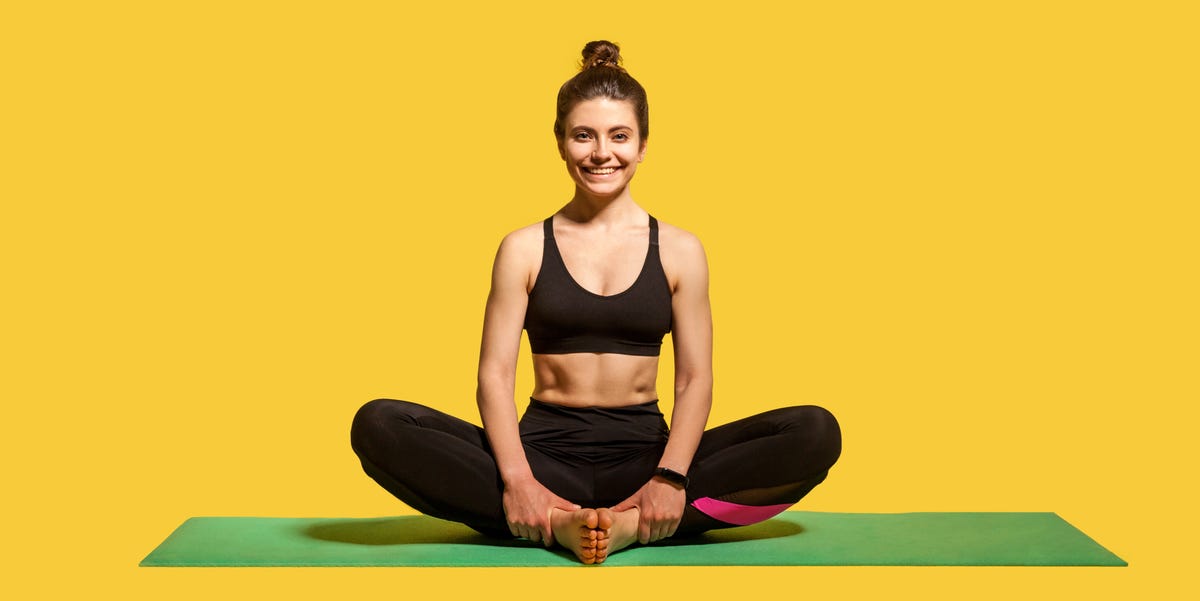
If you have ever looked at a yoga class and thought, “That seems relaxing, but also why is that person folded like a lawn chair?” welcome. Yoga can look intimidating from the outside, especially when social media is packed with handstands, dramatic backbends, and people who somehow appear to have been born flexible. The good news is that beginner yoga is not a circus audition. It is a practical, approachable way to move your body, calm your mind, and build strength, balance, and mobility without trying to impress your hamstrings.
At its core, yoga combines physical poses, breathing, and mindful attention. That simple combination is exactly why so many beginners fall in love with it. You do not need fancy gear, elite athletic ability, or the spiritual patience of a mountain monk. You need a little space, a bit of curiosity, and a willingness to wobble now and then. Wobbling, by the way, is not failure. In yoga, wobbling is just your body’s way of saying, “Hello, I am learning.”
What Is Yoga, Really?
Yoga is a mind-body practice that blends movement, breathing, and focus. For beginners, that usually means learning a handful of foundational poses, moving with control, and paying attention to how your body feels rather than chasing perfection. That last part matters. Yoga is not about forcing yourself into the deepest stretch in the room. It is about building awareness, improving function, and creating a little more ease in your body and your day.
That is also why yoga appeals to such a wide range of people. Some come for stress relief. Others want to improve flexibility, posture, or balance. Some want a low-impact workout that still challenges muscles they forgot existed. And many beginners simply want an exercise option that does not involve loud machines, crowded gyms, or the emotional drama of burpees.
Benefits of Yoga for Beginners
One of the best things about yoga for beginners is that the benefits start showing up in ordinary life, not just on the mat. You may notice that your shoulders are not living up by your ears anymore. You may sleep better. You may stop making that dramatic groaning sound every time you stand up from the couch. Progress comes in glamorous forms.
1. Better flexibility and mobility
Yoga gently moves joints and muscles through a fuller range of motion. For beginners, this can mean less stiffness in the back, hips, chest, and hamstrings. You do not have to be flexible to start yoga. Starting yoga is how you become more flexible.
2. Improved balance and coordination
Poses like Tree, Mountain, and Chair teach your body how to stabilize. Better balance is useful in class, but it is also useful when stepping off a curb, carrying groceries, or trying not to trip over your own confidence.
3. More strength than you expect
Yoga may look calm, but it quietly builds strength in the legs, core, glutes, back, and shoulders. Holding simple poses with good alignment can be surprisingly challenging. Translation: yes, your arms may shake, and yes, that is completely normal.
4. Stress relief and mental reset
Breathing exercises and mindful movement can help your nervous system shift out of constant go-go-go mode. Many beginners say yoga feels like a reset button for the brain, especially after a busy workday.
5. Better posture and body awareness
Yoga teaches you where your body is in space and how to line it up more efficiently. Over time, that awareness can help with posture, movement quality, and everyday comfort.
6. Sleep and mood support
A gentle yoga routine, especially in the evening, may help some people unwind and sleep more comfortably. It can also leave you feeling calmer, more focused, and a little less likely to argue with your inbox.
Best Types of Yoga for Beginners
Not every yoga class is ideal for a first-timer. Some styles are slow and instructional, while others move quickly enough to make you wonder whether you accidentally signed up for choreography.
Hatha yoga
Hatha is one of the best starting points for beginners. Classes usually move at a manageable pace and focus on basic poses, breathing, and body awareness. If you are brand-new, this is a strong place to begin.
Iyengar yoga
Iyengar emphasizes alignment and often uses props like blocks, straps, blankets, and chairs. That is excellent news for beginners because props are not a sign of weakness. They are tools that make poses safer, clearer, and more comfortable.
Restorative yoga
This style is slow, supported, and deeply relaxing. It is especially appealing if your goal is stress relief, recovery, or a softer entry into yoga practice.
Slow flow or beginner Vinyasa
If you like movement, a beginner or slow-flow class can be a great fit. Just make sure the class is clearly labeled for beginners. Standard fast-paced flow classes can feel like learning a new language while doing lunges.
As a beginner, it is usually smart to skip advanced, intense, or heated classes at first. Hot yoga, power yoga, and very fast Vinyasa can be more demanding and less forgiving when you are still learning the basics.
Easy Yoga Poses for Beginners
These beginner yoga poses are simple, accessible, and genuinely useful. Think of them as your starter pack.
Mountain Pose
Stand tall with feet hip-width apart, arms by your sides, chest open, and gaze forward. This pose teaches alignment, posture, and grounding. It looks easy until you realize standing well is an actual skill.
Cat-Cow
Start on hands and knees. As you inhale, lift your chest and tailbone. As you exhale, round your spine and tuck your chin. Cat-Cow improves spinal mobility and helps release tension, especially if your back has spent the day negotiating with a desk chair.
Child’s Pose
Kneel, bring your hips back toward your heels, and stretch your arms forward or rest them by your sides. Child’s Pose is a classic resting position that gently stretches the back and hips while encouraging calm breathing.
Downward-Facing Dog
From hands and knees, lift your hips up and back to form an inverted V shape. Keep a soft bend in the knees if your hamstrings are tight. This pose stretches the back body and builds upper-body and core strength.
Bridge Pose
Lie on your back with knees bent and feet flat on the floor. Lift your hips gently while pressing through your feet. Bridge strengthens the glutes and core while opening the front of the body.
Tree Pose
Stand tall and place one foot on the opposite ankle or calf, avoiding the knee joint. Bring hands together at the chest. Tree improves balance and concentration. It also teaches humility, because even confident people wobble in Tree.
Chair Pose
Stand with feet about hip-width apart, bend the knees, and sit the hips back as if lowering into an invisible chair. Lift the arms if comfortable. Chair builds lower-body strength and stability.
Seated Forward Fold
Sit with legs extended and hinge forward from the hips, keeping the spine long. Bend the knees if needed. This is a helpful pose for the hamstrings and lower back, but it should feel steady, not punishing.
Beginner Yoga Tips That Actually Help
Use props without apology
Blocks, straps, cushions, folded towels, and even a sturdy chair can make yoga more accessible. Props help bring the floor closer, reduce strain, and improve alignment. They are smart, not embarrassing.
Move slowly
There is no prize for rushing into a pose. Slow movement helps you notice alignment, breathe better, and avoid the classic beginner mistake of turning “gentle stretch” into “why did I do that?”
Focus on breath
A simple rule works well: inhale to create length or lift, exhale to soften or fold. If your breathing becomes strained, back off a little. Breath is not decoration in yoga; it is the operating system.
Do not chase the deepest version
The best version of any pose is the one you can do with steady breath and no pain. Yoga is not improved by gritting your teeth and pretending everything is fine.
Practice consistently, not perfectly
Ten to fifteen minutes a few times a week is more helpful than one heroic class followed by twelve days of dramatic recovery. Consistency builds comfort and skill.
Safety Tips and Common Mistakes
Yoga is generally safe for most healthy adults, but beginner safety still matters. Pain is your cue to stop, adjust, or skip a pose. Stretching discomfort can happen. Sharp, pinchy, or radiating pain is not part of the plan.
- Warm up gently before deeper stretching.
- Keep a slight bend in the knees or elbows when needed.
- Do not force range of motion.
- Tell your instructor about injuries, pregnancy, high blood pressure, glaucoma, sciatica, arthritis, recent surgery, or balance concerns.
- Choose beginner-friendly or slower classes first.
- Be extra cautious with hot yoga if you are new, heat-sensitive, pregnant, or prone to dehydration.
A common mistake among beginners is assuming every pose should look exactly like the instructor’s pose. Bodies are different. Limb length, mobility, injuries, strength, and structure all matter. Your pose should work for your body, not for a screenshot.
How to Start a Beginner Yoga Routine at Home
If the idea of a studio feels intimidating, home practice is a perfectly good starting point. In fact, it can be ideal because you can learn at your own pace, pause when needed, and avoid the mysterious pressure of figuring out where to put your shoes.
A simple 15-minute beginner plan
- 2 minutes of quiet breathing in a comfortable seated position
- 2 minutes of Cat-Cow
- 1 minute of Child’s Pose
- 2 minutes of Downward-Facing Dog with breaks as needed
- 2 minutes of Chair Pose and Mountain Pose transitions
- 2 minutes of Tree Pose, both sides
- 2 minutes of Bridge Pose
- 2 minutes resting on your back with slow breathing
This kind of short routine is enough to build a habit. Over time, you can extend your sessions, explore new poses, or mix in a beginner class online or in person.
What to Expect in Your First Few Weeks
The first week may feel awkward. That is normal. You are learning new shapes, new breathing patterns, and new ways of paying attention. The second week may feel slightly less awkward, which in yoga counts as major character development.
Within a few weeks of steady practice, many beginners notice better mobility, easier breathing during movement, improved posture, and less day-to-day tension. You may also start recognizing which styles you enjoy most. Some people love slow, quiet classes. Others prefer gentle flow. The best kind of yoga is the kind you will actually return to.
Beginner Experiences: What Yoga Often Feels Like in Real Life
For many beginners, the first yoga session is a surprising mix of calm and confusion. You might walk in expecting a glorified stretching class and leave realizing your legs, core, and attention span all got recruited. A lot of newcomers are shocked by how challenging slow movement can feel. Holding a simple Chair Pose for a few breaths may not sound dramatic, but your thighs will absolutely have opinions.
Another common early experience is discovering how distracted the mind can be. A beginner may start class intending to become serene and enlightened, then spend half the session thinking about emails, dinner, laundry, or whether everyone else knows what “hinge from the hips” means. That is not a sign you are bad at yoga. That wandering mind is exactly why the practice is helpful. Each time you come back to your breath, you are practicing focus.
Physical tightness tends to show up quickly and honestly. Beginners often notice stiff hips, tight hamstrings, rounded shoulders, or an unexpectedly grumpy lower back. But they also notice small wins that feel huge. Reaching the floor becomes easier. Standing taller feels more natural. Getting out of bed in the morning feels less like unfolding a camping chair.
Many people also describe a shift in how they relate to exercise. If they have spent years thinking workouts must be punishing to “count,” yoga can feel refreshingly different. It still builds strength and body awareness, but without the all-or-nothing pressure. Instead of trying to dominate the workout, beginners learn to listen to their bodies. That can be a brand-new skill, and honestly, a life skill.
There is often an emotional side, too. Some beginners feel noticeably calmer after class, even if they cannot explain why. Others sleep better on yoga days. Some realize that ten minutes of gentle stretching and breathing does more for their evening stress than another hour of doom-scrolling. Yoga will not magically erase life’s chaos, but it can make you feel more equipped to handle it.
Perhaps the most encouraging beginner experience is this: progress rarely arrives as one grand cinematic moment. It sneaks in. You balance a little longer. You breathe a little deeper. You stop bracing your shoulders all day. You recover from stress a little faster. Then one day you notice that yoga no longer feels like something you are trying to survive. It feels like something that supports you. And that is when beginner yoga starts becoming a real practice instead of just another good intention in workout clothes.
Conclusion
Yoga for beginners does not require extreme flexibility, expensive equipment, or a perfect routine. It asks for something much simpler: patience, curiosity, and a willingness to start where you are. With a few basic poses, a manageable pace, and consistent practice, yoga can help improve strength, flexibility, balance, posture, stress levels, and overall well-being.
So if you have been waiting for a sign to begin, this is it. Roll out a mat, grab a towel if needed, breathe like you mean it, and try a few easy poses. Your first session does not have to be impressive. It just has to happen.














