CBD isolate sounds like something a scientist might keep in a tiny glass vial next to a microscope and a suspiciously large cup of coffee. In everyday language, though, it is simply a highly refined form of cannabidiol, or CBD, that is designed to contain CBD without THC, the compound in cannabis most associated with feeling “high.” For people who are curious about CBD but want to avoid THC, CBD isolate often looks like the neat-and-tidy option on the wellness shelf.
But neat and tidy does not mean magical. CBD isolate is not a cure-all, a guaranteed sleep button, or a tiny white powder that makes stress pack its bags and move to another zip code. What it may offer is a THC-free way to explore CBD’s potential effects, including relaxation, discomfort support, and general wellness routines. The key word is potential. Research is still developing, product quality varies, and CBD can cause side effects or interact with medications.
This guide explains what CBD isolate is, how it differs from full-spectrum and broad-spectrum CBD, what people commonly use it for, what effects to expect, possible benefits, safety concerns, and real-life-style experiences that can help readers understand how CBD isolate fits into everyday wellness decisions.
What is CBD isolate?
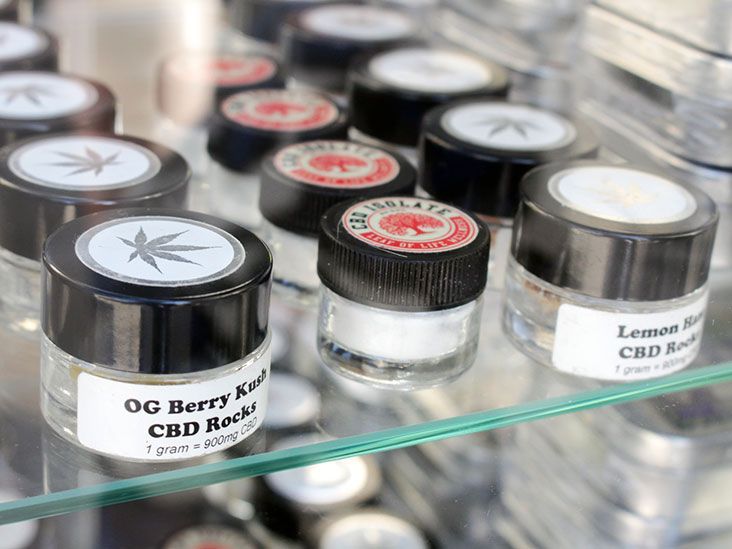
CBD isolate is a purified form of cannabidiol. In most cases, manufacturers extract CBD from hemp and then refine it until the final ingredient contains CBD with other plant compounds removed. The result is often a crystalline powder or fine white powder, though it can also be infused into oils, capsules, gummies, topicals, or other CBD products.
The main appeal is simple: CBD isolate is intended to contain no THC. That matters to people who do not want intoxicating effects, are sensitive to THC, or prefer a more controlled CBD-only product. While hemp and marijuana both come from cannabis plants, hemp is legally distinguished in the United States by its low THC concentration. Still, the laws and product rules around hemp-derived cannabinoids can be complicated and may vary by state.
CBD isolate differs from other CBD extracts in one big way: it removes the botanical entourage. Full-spectrum CBD includes CBD plus other cannabinoids, terpenes, flavonoids, and up to trace amounts of THC. Broad-spectrum CBD includes CBD and other hemp compounds but is typically processed to remove THC. CBD isolate strips things down to CBD alone. Think of full-spectrum as the whole band, broad-spectrum as the band without the lead guitarist, and isolate as the solo acoustic performance.
CBD isolate vs. full-spectrum vs. broad-spectrum CBD
CBD isolate
CBD isolate is the most refined option. It is designed for people who want CBD without THC or other hemp compounds. It may be easier to measure in a formula because the product focuses on one primary active ingredient. However, because it lacks other cannabinoids and terpenes, some users feel it is less “rounded” than full-spectrum or broad-spectrum products.
Full-spectrum CBD
Full-spectrum CBD contains CBD along with other naturally occurring compounds from hemp, including trace THC within legal limits when derived from compliant hemp. Supporters often talk about the “entourage effect,” the idea that cannabinoids and terpenes may work better together than alone. Research is still ongoing, but many users report preferring full-spectrum products for body discomfort or sleep routines. The drawback is that trace THC may be unwanted or risky for people who avoid THC completely.
Broad-spectrum CBD
Broad-spectrum CBD sits in the middle. It usually contains CBD plus other hemp compounds, but the THC is removed or reduced to non-detectable levels. It may appeal to people who want a wider hemp profile without intentionally consuming THC. However, as with all CBD products, third-party testing matters because labels are not always perfect.
How does CBD isolate work in the body?
CBD interacts with the body’s endocannabinoid system, a signaling network involved in processes such as mood, sleep, appetite, pain perception, inflammation, and stress response. Unlike THC, CBD does not strongly bind to the same cannabinoid receptors in a way that produces intoxication. Instead, it appears to influence several receptor systems and chemical pathways indirectly.
This indirect action is one reason CBD is so widely studied and, honestly, one reason it is so widely misunderstood. CBD is not a switch that turns anxiety off or sleep on. It is more like a quiet backstage crew member that may help adjust the lighting, move a few props, and encourage the nervous system to stop playing dramatic violin music at 2 a.m.
Because CBD isolate contains only CBD, its effects may depend heavily on dose, product quality, delivery method, body chemistry, and the reason someone is using it. A person using a topical CBD isolate cream for a sore knee may have a very different experience than someone taking a CBD isolate oil before bed.
Common uses of CBD isolate
1. General relaxation
Many people use CBD isolate as part of a relaxation routine. This may include taking CBD oil in the evening, using a CBD capsule after a busy day, or choosing CBD isolate gummies as a THC-free wellness product. Some users report feeling calmer or less physically tense. However, CBD should not replace evidence-based treatment for anxiety disorders or other mental health conditions.
2. Sleep support
CBD isolate is sometimes used by people who have trouble winding down at night. The idea is not that CBD knocks a person out like a cartoon frying pan. Instead, some users say it helps them feel more settled, making it easier to follow a bedtime routine. Sleep problems can have many causes, including stress, pain, caffeine, screen use, sleep apnea, medications, and medical conditions, so persistent insomnia deserves professional evaluation.
3. Discomfort and recovery routines
CBD isolate may be used by people dealing with exercise-related soreness, joint discomfort, or general body tension. Some choose topical products because they can be applied directly to a specific area. Others prefer oils or capsules for whole-body wellness. Research into CBD and pain is active, but results vary, and CBD is not approved as a general pain treatment.
4. THC-free wellness products
For people who want to avoid THC, CBD isolate is often the preferred category. This can include professionals who are cautious about workplace policies, people who dislike the effects of THC, or consumers who simply want the simplest CBD formula possible. That said, “THC-free” should always be backed by a recent certificate of analysis from an independent lab.
5. Skincare and topical use
CBD isolate may appear in creams, balms, serums, and lotions. Some skincare brands market CBD for calming the skin or supporting a balanced-looking complexion. While CBD has been studied for anti-inflammatory properties, cosmetic claims should be read carefully. If a label sounds like it was written by a wizard with a marketing budget, pause and look for lab testing, ingredient transparency, and realistic claims.
Potential benefits of CBD isolate
It is designed to be THC-free
The biggest benefit of CBD isolate is that it offers a CBD-only option. For people who want to avoid THC for personal, professional, or sensitivity reasons, isolate may be more appealing than full-spectrum products. It is also less likely to have the hemp-like flavor that some users describe as “freshly mowed lawn wearing perfume.”
It may be easier to dose consistently
Because CBD isolate focuses on one cannabinoid, it can be easier for manufacturers to formulate products with a specific amount of CBD per serving. Consumers still need to read labels carefully, but a well-tested isolate product may provide a straightforward way to track intake.
It has flexible product forms
CBD isolate can be used in oils, gummies, capsules, powders, beverages, and topicals. Oils may act faster than edibles for some people because they can be held under the tongue before swallowing. Gummies and capsules are convenient but may take longer because they pass through digestion. Topicals are used on the skin and are generally chosen for targeted application.
It avoids the taste of full hemp extract
Full-spectrum CBD oils can taste earthy, bitter, or grassy. CBD isolate is often flavorless or easier to flavor, which makes it popular in gummies, drinks, and mild-tasting oils. For people who gag at anything that tastes like a garden center, this is not a small advantage.
It may fit cautious wellness routines
Some people want to try CBD without committing to a complex hemp extract. CBD isolate gives them a simpler starting point. It can be useful for tracking how CBD alone feels before comparing it with broad-spectrum or full-spectrum products later.
Possible side effects of CBD isolate
CBD is often described as well tolerated, but “well tolerated” does not mean “impossible to annoy your body.” Potential side effects may include fatigue, diarrhea, changes in appetite, stomach discomfort, sleepiness, dry mouth, and changes in mood or alertness. Some people feel nothing at all. Others feel too drowsy. A few discover their stomach has opinions and is ready to publish them loudly.
CBD can also interact with medications. This is especially important for people taking seizure medications, blood thinners, sedatives, antidepressants, immune-suppressing drugs, heart medications, or any medicine with a grapefruit warning. CBD may affect liver enzymes involved in drug metabolism, which can change how the body processes certain prescriptions.
People who are pregnant, breastfeeding, trying to conceive, managing liver disease, taking multiple medications, or caring for children should be especially cautious. The safest move is to talk with a qualified healthcare professional before using CBD isolate, particularly at higher doses or on a daily basis.
CBD isolate and FDA approval: what consumers should know
The FDA has approved one prescription cannabidiol medication for seizures associated with specific rare conditions, including Lennox-Gastaut syndrome, Dravet syndrome, and tuberous sclerosis complex. That does not mean over-the-counter CBD isolate products are FDA-approved for anxiety, sleep, pain, inflammation, or any other general wellness claim.
This distinction matters. Prescription cannabidiol is manufactured under strict drug standards, prescribed for specific conditions, and monitored by clinicians. Store-bought CBD isolate products live in a more uneven marketplace. Some brands are careful, transparent, and quality-focused. Others behave like they labeled a bottle during a power outage.
Consumers should be skeptical of CBD products that claim to cure cancer, reverse Alzheimer’s disease, eliminate chronic pain, treat COVID-19, or replace prescribed medicine. Strong disease-treatment claims are a red flag. If a CBD product sounds too good to be true, it may be wearing tap shoes and dancing directly around the truth.
How to choose a CBD isolate product
Look for third-party lab testing
A quality CBD isolate product should have a certificate of analysis, often called a COA. This lab report should confirm the amount of CBD in the product and show whether THC is detected. It should also test for contaminants such as pesticides, heavy metals, residual solvents, mold, and microbes.
Check the batch number
The COA should match the batch number on the product. A random lab report from three years ago is not helpful. That is like showing a baby picture when someone asks for your current passport photo.
Review the ingredient list
CBD isolate products may include carrier oils, sweeteners, flavors, preservatives, or botanical ingredients. People with allergies or sensitive stomachs should read the full label. Gummies, in particular, may contain sugar alcohols or additives that can cause digestive discomfort.
Avoid unrealistic health claims
Choose companies that use measured language. “May support relaxation” is more realistic than “destroys stress forever.” Responsible brands avoid promising medical miracles.
Start low and pay attention
Many adults who try CBD begin with a low serving and observe how they feel over several days. Taking more does not always mean better results. With CBD, the goal is not to win a dosage trophy. The goal is to find whether a product is useful, tolerable, and appropriate.
How long does CBD isolate take to work?
The timing depends on the product form. CBD isolate oil taken under the tongue may be felt sooner than an edible because some of it can absorb through tissues in the mouth. Gummies and capsules may take longer because digestion slows the process. Topicals vary because they are applied to the skin and are not usually chosen for whole-body effects.
Some people notice effects within an hour. Others need several days of consistent use to judge whether CBD isolate is doing anything meaningful. Some notice no benefit at all, which is not a personal failure. Bodies are weird. That is why one person can drink espresso after dinner and sleep like a golden retriever, while another person smells coffee at noon and sees tomorrow.
Is CBD isolate better than full-spectrum CBD?
CBD isolate is not automatically better or worse than full-spectrum CBD. It depends on the user’s goals. Choose CBD isolate if avoiding THC is the top priority, if you want a cleaner flavor, or if you prefer a CBD-only product. Consider broad-spectrum or full-spectrum CBD if you are interested in additional hemp compounds and are comfortable with the product’s THC profile and testing.
The important thing is to match the product to the person, not the other way around. A wellness product should not require you to become a part-time chemist, detective, and legal scholar. Still, a little label-reading goes a long way.
Who may want to avoid CBD isolate?
CBD isolate may not be appropriate for everyone. People taking medications should talk with a healthcare professional first. People with liver disease or a history of abnormal liver tests should be cautious. Pregnant and breastfeeding individuals are generally advised to avoid CBD unless specifically directed by a clinician. Anyone who experiences severe drowsiness, allergic symptoms, mood changes, or digestive problems should stop using the product and seek medical guidance.
CBD isolate should also not be used as a replacement for emergency care, prescribed medication, therapy, physical rehabilitation, or medical treatment. It may belong in a wellness routine, but it should not be asked to do the job of a doctor, a pharmacist, and a superhero cape.
Practical examples of CBD isolate use
Imagine someone who wants a THC-free product to help them unwind after long workdays. They might choose a CBD isolate oil with a low serving size, use it on evenings when they are not driving, and track sleep quality, next-day grogginess, and mood. If they notice no improvement after a reasonable trial, they may decide CBD is not worth the cost.
Another person may use a CBD isolate topical after workouts. They apply it to a specific area, such as calves or shoulders, and compare it with ordinary stretching, hydration, rest, and over-the-counter topical products. In this case, the CBD product is one part of a recovery routine, not the star of a one-person medical parade.
A third person may choose CBD isolate gummies because they dislike the taste of hemp oil. Gummies are convenient, but they can be slower to take effect and easier to overuse because they taste like candy. A smart approach is to follow the label, store them away from children and pets, and resist the very human urge to think, “It has been 20 minutes, better take another.”
Real-world experiences with CBD isolate
Experiences with CBD isolate vary widely, and that variety is one of the most honest things anyone can say about CBD. Some users describe it as subtle, like turning down the volume on background tension. Others say they expected fireworks and got a polite candle. Both experiences are possible.
One common experience is using CBD isolate in the evening. A person may take a CBD isolate oil after dinner, not because they expect instant sleep, but because it becomes part of a wind-down ritual. They dim the lights, put the phone away, make tea, and take CBD at the same time each night. In this situation, it can be hard to separate the CBD from the routine itself. Maybe the CBD helps. Maybe the consistent bedtime habit helps. Maybe the real hero is finally not scrolling through emails while lying in bed like a stressed raccoon. The practical takeaway is that CBD isolate often works best when paired with sensible habits.
Another common experience involves people who are sensitive to THC. These users may have tried full-spectrum CBD and felt uncomfortable, foggy, or anxious, even from small amounts of THC. CBD isolate can feel more predictable for them. They may appreciate knowing that the product is intended to contain only CBD. Still, this confidence should come from lab testing, not just marketing language. A bottle can say “THC-free” in friendly letters, but the COA is where the grown-up conversation happens.
Some people report using CBD isolate for body discomfort after exercise, desk work, or everyday stiffness. Their experience is often practical rather than dramatic. They may say a topical feels soothing, or an oil helps them relax enough to stretch, rest, or sleep better. That does not prove CBD isolate treats the underlying cause of pain. It simply reflects how some consumers use it as a support tool. The best results usually come when CBD is not expected to replace movement, physical therapy, ergonomics, medical care, or the ancient healing art of not sitting like a folded lawn chair for eight hours.
There are also users who try CBD isolate and feel nothing. This is normal. Not every wellness product works for every person. Body weight, metabolism, product quality, dose, timing, diet, health conditions, and expectations can all influence the experience. Some people need a different CBD format. Some may respond better to broad-spectrum products. Others may conclude CBD is not useful for them and spend the money on better pillows, supportive shoes, or snacks with fewer promises.
A realistic CBD isolate experience usually includes experimentation, patience, and note-taking. A simple journal can help: product name, serving size, time used, reason for use, effects noticed, side effects, and next-day feeling. This prevents the classic wellness mistake of vaguely remembering that “something helped once” and then buying three more bottles during a sale. Tracking turns guesses into useful observations.
The most positive experiences tend to come from people who choose tested products, start with modest servings, avoid mixing CBD with alcohol or sedatives, and talk with a clinician when medications are involved. The least positive experiences often involve poor-quality products, too much too soon, unrealistic expectations, or ignoring side effects. CBD isolate is not a personality upgrade in a dropper bottle. It is a compound that may help some people in specific ways, when used carefully.
Conclusion
CBD isolate is a purified, THC-free form of cannabidiol that appeals to people who want a simple CBD product without the broader hemp profile of full-spectrum or broad-spectrum extracts. Its potential uses include relaxation, sleep support, body discomfort routines, topical application, and THC-free wellness experimentation. Its possible benefits include flexible formats, easier flavoring, more controlled formulas, and reduced concern about THC exposure.
At the same time, CBD isolate is not risk-free. It can cause side effects, interact with medications, and vary in quality from one product to another. The smartest approach is to choose third-party-tested products, review certificates of analysis, avoid exaggerated health claims, start low, and involve a healthcare professional when medical conditions or prescriptions are part of the picture.
In short, CBD isolate may be useful for some people, under the right circumstances, with realistic expectations. Treat it like a wellness tool, not a miracle wand. Miracle wands, sadly, still do not come with batch-specific lab reports.