
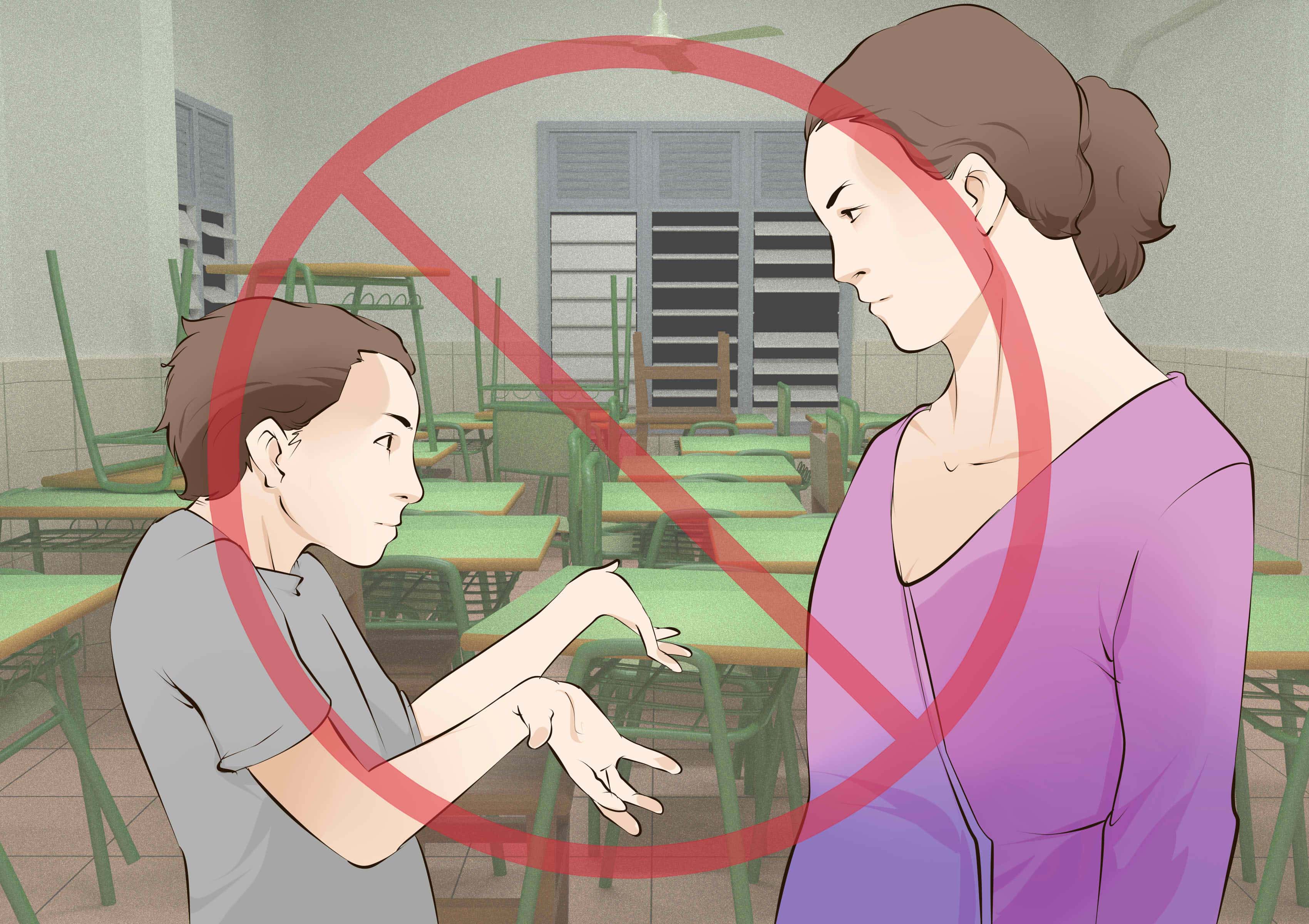
Let’s be honest: almost every student has had that stomach-dropping moment when the teacher says, “Please turn in your homework,” and your backpack suddenly feels like a crime scene. Maybe the worksheet is half-finished. Maybe the essay exists only as a dramatic title in your Google Doc. Maybe the assignment is still sitting on the kitchen table, looking lonely next to yesterday’s cereal bowl.
So, how do you make up a good excuse for your homework not being finished? The smartest answer is probably not the one you expected: don’t invent a fake story. A truly “good excuse” is not a wild tale about printer explosions, heroic pet rescues, or your little brother mistaking your algebra packet for modern art. A good excuse is honest, short, respectful, and paired with a plan to fix the problem.
This article explains how to handle unfinished homework without damaging your credibility, your grade, or your relationship with your teacher. You’ll learn what makes an explanation believable, how to ask for an extension, what not to say, and how to avoid becoming a repeat guest star in the “I forgot my homework” show.
What Makes a Homework Excuse “Good”?
A good homework excuse is not the most dramatic one. It is the one that helps your teacher understand what happened and what you are going to do next. Teachers hear excuses all the time, and many can spot a made-up story faster than a student can close a game tab when an adult walks by.
The best explanations usually have four qualities:
1. It Is Honest
If you forgot, say you forgot. If you misunderstood the assignment, say that. If you had a family emergency, explain only what you feel comfortable sharing. Honesty does not mean telling your teacher every detail of your life. It means not creating a false story to escape responsibility.
2. It Is Brief
A long, overdecorated excuse can sound suspicious. “I didn’t finish because I had a rough evening and didn’t manage my time well” is stronger than a five-minute speech involving three relatives, a missing charger, a thunderstorm, and a suspiciously talented dog.
3. It Takes Responsibility
Teachers are more likely to respond well when students own their part of the problem. Saying “I should have started earlier” or “I should have checked the instructions” shows maturity. It also proves you are not simply trying to escape consequences.
4. It Includes a Recovery Plan
The magic sentence is: “Can I turn it in by ___?” A specific plan turns an excuse into a solution. Instead of leaving the teacher with a problem, you offer a reasonable path forward.
Why Students Don’t Finish Homework
Unfinished homework does not always happen because a student is lazy. In fact, many students who care about school still fall behind. The reasons can be surprisingly human.
Procrastination
Procrastination is the classic villain. You tell yourself, “I’ll do it later,” and somehow “later” becomes 11:47 p.m., your pencil is missing, and your brain has transformed into mashed potatoes. Students often procrastinate because an assignment feels boring, overwhelming, confusing, or stressful.
Poor Time Management
Some students underestimate how long homework will take. A “quick paragraph” becomes a two-hour research mission. A math worksheet that looked harmless suddenly contains word problems with the emotional energy of a courtroom drama.
Executive Function Challenges
Executive function skills help people plan, organize, remember tasks, manage time, and follow through. When these skills are still developing, students may lose assignments, forget deadlines, struggle to start, or freeze when a task has too many steps.
Stress, Anxiety, and Burnout
Homework becomes harder when students are anxious, exhausted, or overwhelmed. Stress can make it difficult to focus, remember directions, or even begin a task. A student may avoid the assignment not because they don’t care, but because thinking about it feels like opening a door marked “panic.”
Sleep Problems
Students need sleep to think clearly, remember information, and stay emotionally balanced. When homework, activities, screens, and early school mornings collide, sleep can suffer. Tired students are more likely to forget, rush, or give up halfway through.
How to Explain Unfinished Homework Without Lying
The goal is not to perform a courtroom defense. The goal is to communicate clearly. Here are practical, honest ways to explain what happened.
If You Forgot the Assignment
Try this:
“I forgot to write down the assignment, and I should have checked with a classmate or the online portal. Can I complete it tonight and turn it in tomorrow?”
This works because it admits the mistake, avoids blaming others, and offers a clear solution.
If You Ran Out of Time
Try this:
“I didn’t manage my time well yesterday and wasn’t able to finish. I’ve completed part of it, and I can turn in the rest by tomorrow morning.”
This is much better than saying, “I was busy.” Everyone is busy. Teachers are busy. Your backpack is busy collecting crumbs. Be specific enough to sound accountable.
If You Didn’t Understand the Work
Try this:
“I started the assignment, but I got stuck on the second section and didn’t know how to continue. Could I ask a question after class and turn it in after I correct it?”
This tells the teacher you made an effort. It also turns the conversation toward learning, which is the whole point of homework in the first place.
If Something Personal Happened
Try this:
“Something came up at home last night, and I wasn’t able to finish. I’d rather not go into detail, but I can complete it by Friday.”
You are allowed to keep private matters private. You do not need to share every detail to be honest.
If Technology Failed
Try this:
“My internet stopped working while I was finishing the assignment. I should have planned ahead and saved a backup. I can send what I have now and complete the rest tonight.”
Technology problems happen, but they are also one of the most overused excuses. If you use this explanation, be ready to show what you completed.
What Not to Say When Homework Is Not Finished
Some excuses are so famous they deserve retirement. They may be funny, but they rarely help.
“My Dog Ate It”
Unless your dog has a documented history of paper-based crime, avoid this one. It is the ancient fossil of homework excuses.
“I Didn’t Know We Had Homework”
This might be true, but it sounds weak if the assignment was written on the board, posted online, announced in class, and repeated three times while everyone packed up. If you truly missed it, take responsibility for checking next time.
“The Printer Broke”
Printer problems are believable only when you have a backup plan. Email the file, bring a handwritten version, or show the document on your device. Otherwise, the printer becomes a suspiciously convenient villain.
“I Was Too Busy”
This can sound dismissive. Instead, explain what you will do differently: “I had practice and family responsibilities, but I should have started earlier. I can finish it tonight.”
Blaming Someone Else
Blaming your sibling, parent, classmate, computer, or the entire educational system usually makes you sound less responsible. Even when someone else contributed to the problem, focus on what you can do now.
How to Ask for an Extension the Right Way
Asking for an extension is a skill. Adults use it too, though they usually call it “moving the deadline” and drink coffee while doing it.
Ask Early When Possible
If you know you will not finish, contact the teacher before the assignment is due. A message the night before is better than silence the next day. A message three minutes before class is not ideal, but it is still better than pretending your homework entered another dimension.
Be Specific
Instead of saying, “Can I have more time?” say, “Can I turn this in by Thursday at 3 p.m.?” Specific requests are easier to approve.
Show Progress
If you completed part of the assignment, bring it. Teachers are often more flexible when they can see effort. Half-finished work is not perfect, but it is better than invisible work with a dramatic backstory.
Accept the Consequence
Sometimes the teacher may still take points off. That does not mean asking was pointless. It means you handled the situation honestly and protected your reputation for next time.
Sample Messages for Unfinished Homework
Here are simple examples students can adapt. Keep them honest and respectful.
Email Example
Subject: Homework Extension Request
Hi Mr. Johnson, I’m sorry, but I wasn’t able to finish tonight’s homework. I started it but got stuck on several problems and should have asked for help sooner. Could I ask a question before class and turn it in tomorrow? Thank you for understanding.
In-Person Example
“I wanted to let you know before class starts that my homework isn’t finished. I mismanaged my time, and that’s on me. Can I turn it in tomorrow for partial credit?”
Parent-Supported Example
“I had a family situation last night and couldn’t complete the assignment. My parent knows about it. I can finish it tonight and turn it in tomorrow.”
How Teachers Usually View Homework Excuses
Most teachers are not looking for perfection. They are looking for effort, honesty, and progress. Teachers know students have complicated lives. They also know the difference between a one-time problem and a pattern.
If you usually complete your work, one unfinished assignment may not be a big deal. If you regularly arrive with no homework and a fresh excuse, the teacher may become less flexible. Trust is like a pencil eraser: useful, but it gets smaller when you keep rubbing it against the same mistake.
How to Prevent Unfinished Homework Next Time
The best excuse is the one you never need. Here are practical habits that can prevent homework panic.
Use a Homework Tracker
Write down every assignment in one place: a planner, phone app, calendar, notebook, or sticky note system. The tool matters less than using it consistently.
Break Assignments Into Smaller Steps
Instead of writing “finish history project,” write:
- Choose topic
- Find three sources
- Write outline
- Draft introduction
- Create slides
Smaller steps are less scary. Your brain is more likely to start when the task does not look like a mountain wearing sunglasses.
Start With Five Minutes
Promise yourself you only have to work for five minutes. Starting is often the hardest part. Once you begin, continuing becomes easier.
Create a Homework Routine
Do homework at the same time and place when possible. A routine reduces the number of decisions you need to make. Your brain learns, “This is where work happens,” instead of “This is where I stare at my pencil and reconsider my life choices.”
Remove Distractions
Put your phone across the room, block distracting websites, and keep only the materials you need nearby. If your phone is next to you, it will whisper, “Just check one thing.” That one thing may become 47 minutes of videos about raccoons opening doors.
Ask for Help Earlier
If you are confused, ask the teacher, a classmate, a tutor, or a parent before the deadline. Confusion grows when ignored. It is like laundry, but with more fractions.
When Homework Problems Keep Happening
If unfinished homework becomes a pattern, the issue may be bigger than one assignment. You may need better systems, academic support, or help managing stress. Talk to a teacher, counselor, parent, or trusted adult. Repeated homework problems can come from anxiety, attention challenges, learning differences, family responsibilities, health issues, or simply an overloaded schedule.
There is no shame in needing support. The goal is not to become a homework robot. The goal is to build skills that help you keep promises to yourself and others.
of Real-Life Experience: What Students Learn From Homework Excuses
Most students learn the hard way that a homework excuse is not just about one missing assignment. It is about trust. The first time you forget your homework, you may feel embarrassed. The second time, you may feel nervous. By the fifth time, you may start preparing your explanation before you even check whether the assignment is done. That is when the excuse becomes a habit, and habits are harder to erase than pencil marks on cheap paper.
One common experience is the “almost finished” situation. A student completes most of the work but leaves the hardest part for later. Later becomes bedtime. Bedtime becomes morning. Morning becomes a frantic backpack search. In that moment, the student has a choice: hide the truth or say, “I finished most of it, but I got stuck and didn’t leave enough time.” The honest version may still come with a penalty, but it also gives the teacher useful information. Maybe the student needs help with the last section. Maybe the assignment was too long. Maybe the student needs a better plan for multi-step work.
Another familiar experience is the group project disaster. Everyone says they will do their part. Then one person disappears, one person writes two sentences, and one person suddenly becomes “really busy.” If your part is unfinished, it is tempting to blame the group. But teachers respond better when you separate your responsibility from everyone else’s. For example: “Our group had trouble coordinating, but I should have finished my section earlier. Here is what I completed, and here is what I can finish today.” That sounds mature. It also prevents you from looking like you are throwing classmates under the school bus.
Many students also experience the technology trap. The laptop dies. The file disappears. The Wi-Fi collapses at the worst possible moment, as if it personally dislikes education. Technology problems are real, but they become more believable when you have proof or a backup. Saving work in the cloud, emailing drafts to yourself, taking screenshots, or writing answers on paper can save you from looking unprepared.
The biggest lesson students learn is that teachers remember patterns. If you are usually responsible, an occasional missed assignment may be treated with patience. If you regularly arrive empty-handed, even a true explanation may sound questionable. That is why protecting your credibility matters. Your reputation is built in small moments: turning work in, asking questions, admitting mistakes, and following through when you promise to fix something.
In the end, the best homework excuse is not a performance. It is a pause, a breath, and a responsible sentence: “I didn’t finish, and here is how I will make it right.” That may not sound exciting, but it works better than claiming your goldfish deleted your essay. Also, your goldfish has suffered enough.
Conclusion: A Good Excuse Is Really a Good Explanation
Knowing how to make up a good excuse for your homework not being finished does not mean learning how to lie better. It means learning how to communicate honestly, take responsibility, and recover from a mistake. Everyone misses a deadline sometimes. What matters is how you handle it.
A strong homework explanation is truthful, brief, respectful, and solution-focused. It tells the teacher what happened without turning the conversation into a theatrical production. It also includes a realistic plan for finishing the work. That approach protects your grade, your integrity, and your relationship with your teacher.
So the next time your homework is not finished, skip the fake drama. Admit the problem, ask for a fair chance to fix it, and then actually finish the assignment. It is not the easiest path, but it is the one that keeps your credibility intact. And credibility, unlike a missing worksheet, is something you really do not want to lose.














