Some fabric collections whisper. The Ra Collection by Katie Leede does not. It glides into a room wearing Belgian linen, carrying a little ancient history, and acting like it absolutely belongs there. The result is a line of textiles that feels layered, worldly, and surprisingly easy to live with. That is the trick, really. These patterns nod to museums, travel, craftsmanship, and decorative history, but they never feel like a history lecture wrapped around a sofa cushion.
For anyone who loves interiors with personality, the Ra Collection hits a sweet spot. It is rich without being fussy, artistic without becoming chaotic, and tailored enough to work in polished spaces that still want a pulse. In Los Angeles, where rooms often juggle sunlight, indoor-outdoor living, and a constant temptation to go too neutral, that balance feels especially useful. A good linen print can keep a room breezy. A great one can keep it breezy and unforgettable.
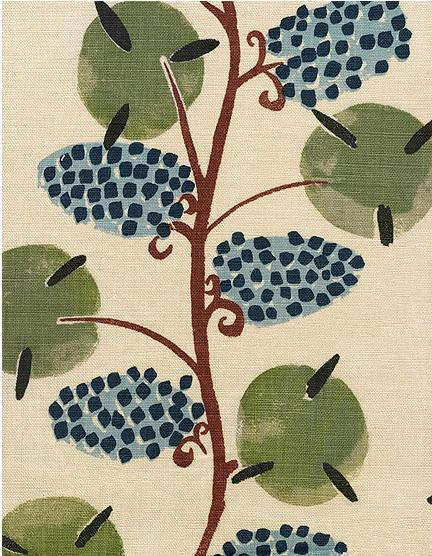
Katie Leede’s Ra Collection has long appealed to designers and design lovers who want more than plain solids and safe stripes. The line offers motifs inspired by ancient Egyptian imagery, softened through earthy color palettes and tactile linen grounds. Think papyrus reeds, birds, vines, stripes, and ornamental forms that look just as comfortable in a California living room as they would in a collected townhouse full of antiques. It is the decorative equivalent of serving a perfect cocktail in a sun-faded caftan: elegant, relaxed, and just dramatic enough.
Who Is Katie Leede, and Why Does Los Angeles Matter Here?
Katie Leede built her reputation around interiors that feel collected, comfortable, and artful. Her broader design story matters because the Ra Collection does not appear out of thin air. It grows out of a designer’s eye for travel, art history, texture, and rooms that feel lived in rather than staged within an inch of their molding. Early in her career, Leede established her design firm in Los Angeles and worked on homes in neighborhoods such as Bel Air, Brentwood, Santa Monica, and Santa Barbara. That Southern California chapter helps explain the collection’s special ease: even with its historical references, the fabrics never feel heavy-handed.
Los Angeles is also relevant in a practical sense. The collection has had real footing in the city’s design world, and the brand currently maintains a Los Angeles presence through a showroom at the Pacific Design Center in West Hollywood. That is not a random detail. The PDC is one of the major design-resource hubs in the country, a place where fabrics, wallcoverings, furniture, and materials are treated less like products and more like characters in an ongoing interiors drama. In other words, the Ra Collection is not merely admired from afar. It lives in the same ecosystem as serious design decision-making.
What Makes the Ra Collection Stand Out?
1. Ancient inspiration without the costume-party effect
Plenty of collections borrow from history. Fewer do it with this much charm. The Ra Collection draws from ancient Egyptian motifs, but it avoids feeling literal or gimmicky. That is a big win. Nobody wants their guest room to look like an underfunded movie set about pharaohs. Instead, the line transforms references from museum-worthy imagery into patterns that feel edited, decorative, and alive.
The appeal lies in restraint. The historical roots are there, but the designs are filtered through line, rhythm, scale, and a modern decorator’s instinct for how people actually use fabric. That gives the collection depth. You can appreciate the backstory if you want to, but you do not need an art history degree to know the fabrics are beautiful. They simply read as smart, soulful prints with a strong point of view.
2. Linen that brings texture, softness, and character
Linen is a big part of the magic. The Ra Collection uses Belgian linen across many of its standout patterns, and that matters because linen changes how a print feels in a room. On paper, a motif can look flat. On linen, it gains breath, movement, and the kind of texture that makes a room feel more human. Linen also ages well stylistically. It softens over time, wears in rather than wearing out, and gives even formal patterns a casual confidence.
That makes the collection especially compatible with Los Angeles interiors. Linen has an ease that suits bright light, open plans, and houses where the door to the terrace is rarely closed. It can look polished on drapery, relaxed on pillows, tailored on a headboard, and quietly luxurious on a chair. If fabric had a personality test, linen would score high in “well-traveled but not annoying about it.”
3. Earthy palettes that feel collected, not loud
Another reason the Ra Collection works is color. The palette leans earthy, mineral, botanical, and warm rather than shouty. That allows the patterns to have presence without turning every room into a shouting match. In practice, this means the collection can coexist with wood tones, vintage rugs, plaster walls, stone floors, rattan, bronze, and all the other materials designers love when they want depth instead of gloss.
This earthy sensibility also keeps the collection versatile. You can steer it rustic, bohemian, traditional, or even quietly modern depending on what surrounds it. In a world where some fabrics scream for attention like they are trying to win a reality show, the Ra Collection has enough confidence to speak in a lower register.
Notable Patterns in the Collection
One of the pleasures of the Ra Collection is that it is not a one-note story. The line includes patterns with different moods, scales, and applications, which makes it easier to build a layered room instead of a matchy one.
Papyrus
Papyrus is one of the collection’s best-known designs, and for good reason. It takes inspiration from marshy scenes associated with ancient wall paintings, but the result feels graphic and decorative rather than overly thematic. On full drapery panels, it has movement and elegance. On pillows, it reads as a punchy accent with an old-world wink. This is the sort of pattern that can wake up a neutral sofa faster than a double espresso.
Thebes
Thebes turns floral and botanical influence into something more structured. It works beautifully for window treatments and pillows because it has enough rhythm to hold a large surface but enough openness to avoid visual fatigue. In a Los Angeles room with soft white walls and natural light, Thebes can become that one textile everyone notices without quite realizing why the room suddenly feels better dressed.
Osiris and Isis
Osiris and Isis reveal the collection’s more narrative side. Osiris borrows from the decorative detail of an ancient garment, proving once again that style references are never truly new, just renamed and reintroduced with better marketing. Isis, with its bird imagery, feels more elaborate and painterly. These are the patterns to choose when you want a room to feel slightly more romantic and a little more storied.
Cairo Stripe and Amun Stripe
Stripes are the great peacemakers of interior design, and these versions have more personality than the average boarding-school stripe. Cairo Stripe gives classic ticking a more imaginative twist, while Amun Stripe works as a smart supporting player on bedding, curtains, and even wall upholstery. They are ideal for people who say they love pattern but then panic when confronted by too much pattern.
Menna and Bacchus
Menna feels more playful and fluid, a pattern that suggests movement and abundance. Bacchus leans into vine imagery and expressive forms, yet still lands in a surprisingly usable place. Both are excellent reminders that decorative fabric should not be boring just because it has to function in the real world.
How to Use the Ra Collection in a Los Angeles Home
Let one hero print lead the room
A smart way to decorate with the Ra Collection is to pick one lead pattern and let the rest of the room support it. For example, Papyrus or Thebes on drapery can anchor a living room, while quieter textures in solid linen, wool, or washed cotton keep things balanced. This approach works particularly well in Los Angeles homes where sunlight already adds plenty of visual activity.
Mix scale instead of matching everything
Pattern mixing is where many good intentions go to die. Fortunately, the solution is simple: vary the scale. A larger botanical or narrative print can pair beautifully with a smaller stripe or a subtle woven fabric. That is one reason the Ra Collection is so useful. It includes designs that can play lead and designs that can play backup singer, and every good room needs both.
Use linen prints where touch matters
The Ra Collection shines in places where fabric is both seen and felt. Headboards, pillows, lounge chairs, bench cushions, and lined drapery all make sense. A pattern like Menna on a headboard can add softness and wit to a bedroom without requiring an entire room to commit to maximalism. A stripe on curtains can bring architecture to a casual room. A bird or vine print on pillows can make a plain sofa suddenly feel curated.
Try decorative restraint, not decorative fear
There is a difference between restraint and fear. Restraint says, “I will use one glorious fabric and give it room to breathe.” Fear says, “I bought beige because commitment is hard.” The Ra Collection rewards restraint. It looks strongest when allowed to punctuate a room instead of drowning it. That said, if you are more adventurous, these fabrics can absolutely support layered pattern play, especially when the palette stays cohesive.
Why the Collection Still Feels Relevant
The most enduring textile lines tend to do two things well: they carry a distinct identity, and they remain flexible in evolving interiors. The Ra Collection succeeds on both counts. Its references are historical, but its mood aligns neatly with what many designers still want now: handcraft, texture, pattern used with intention, and historic motifs reinterpreted for modern rooms.
In today’s design climate, that is a strong position to occupy. Pattern is back in a big way, but not always in a loud or chaotic form. Many of the most appealing rooms today use pattern almost like a neutral, adding depth through repetition, subtle contrast, and tactile variation. The Ra Collection fits that conversation naturally. It has enough artistry to stand out and enough discipline to live gracefully with other materials.
Experiences With the Ra Collection in Los Angeles
Imagine walking into a West Hollywood living room at four-thirty in the afternoon, when the sunlight has shifted from bright to buttery and every textile in the room suddenly looks one shade richer. The sofa is simple. The walls are quiet. But the drapery, done in a Ra Collection print, steals the scene without behaving like a diva. From across the room, you notice the pattern first as movement. Up close, you notice the hand, the weave, and the way the print sits on the linen instead of shouting off it. That is the sort of experience these fabrics create. They reward both distance and intimacy.
In Los Angeles, where so many rooms rely on air, light, and material contrast, that quality matters. A heavily polished fabric can feel out of place in a house that opens to a garden. The Ra Collection does the opposite. It seems to enjoy sunshine. It likes imperfect plaster, old wood, limestone, antique brass, and the occasional wildly specific object collected on a trip that nobody else understands but everybody compliments. The fabrics help a room feel traveled, not themed.
There is also something emotional about using a collection with this kind of backstory. You are not just choosing a print because it matches the throw blanket. You are choosing a fabric that feels connected to museum visits, decorative memory, old civilizations, and the enduring appeal of pattern on cloth. Yet the experience never turns academic. Once the fabric is in the room, it becomes part of daily life. Morning coffee happens beside it. The dog naps under it. Guests lean against the pillows and ask where you found them. That is when a good textile stops being a design decision and starts becoming part of the atmosphere.
Bedrooms may be where the Ra Collection feels most seductive. A headboard in Menna or Thebes can transform an ordinary space into something more layered and personal, especially when paired with crisp white bedding, a faded rug, and one antique bedside table that looks as though it has seen things. It feels luxurious, but not in the cold, showroom way. It feels like someone with great taste actually sleeps there, misplaces books there, and occasionally drinks tea in bed while promising not to spill.
In a dining room, a striped pattern from the line can bring welcome structure. In a reading nook, a bird-inspired print can make the corner feel gently enchanted without tipping into fantasy. Even a few pillows can shift the tone of an entire room. That may sound dramatic, but fabric often does the emotional heavy lifting in interiors. Paint sets the stage. Furniture handles the logistics. Fabric is what makes the room flirt a little.
Perhaps the most memorable experience of all is how versatile the collection feels across styles. In a Spanish Colonial home, it can underscore history. In a soft contemporary house, it adds warmth and narrative. In a bohemian room, it looks as though it has always belonged. In a more classic setting, it reads refined and decorative. Few collections move that easily between moods. That flexibility is what keeps the Ra Collection interesting year after year. It is not trendy in the disposable sense. It is expressive in the lasting sense.
Final Thoughts
The Ra Collection by Katie Leede remains compelling because it offers more than pretty surface decoration. It brings together story, craftsmanship, linen texture, and a decorator’s understanding of how rooms really work. Its ancient references never overwhelm its practical charm. Its patterns feel special, but usable. Its Los Angeles ties make perfect sense, because this is the kind of fabric that knows how to handle sunshine, style, and a little cinematic flair.
For designers and homeowners alike, the collection proves that historic inspiration does not have to feel dusty, and patterned linen does not have to feel intimidating. Done well, it can make a room feel wiser, warmer, and more alive. And honestly, that is a lot to ask from fabric by the yard. The Ra Collection manages it anyway.