
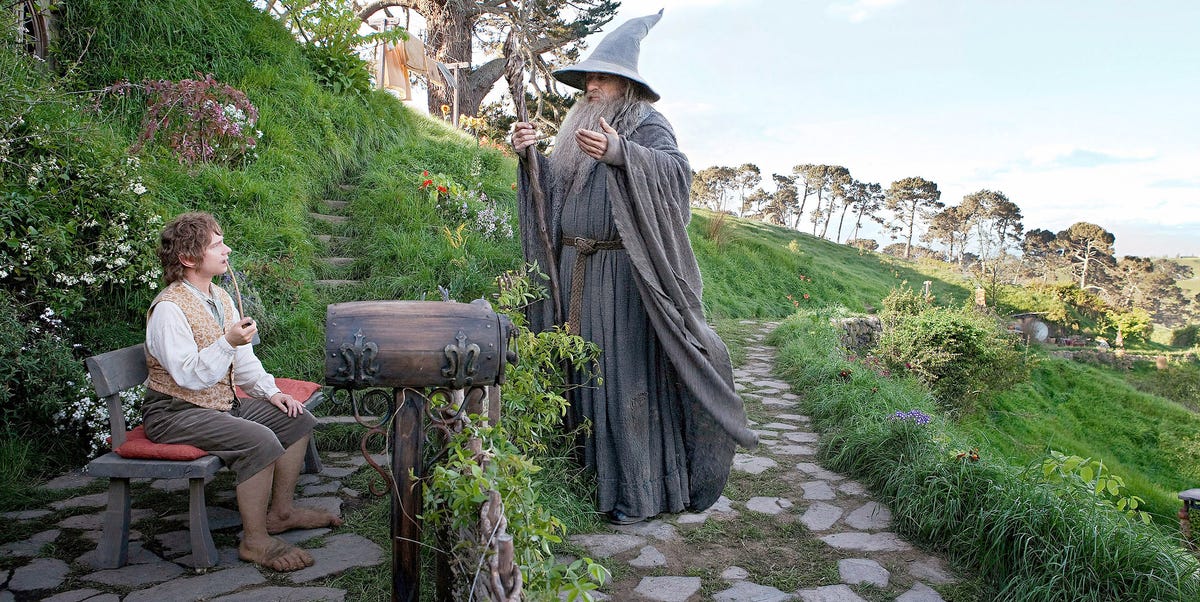
If you are trying to watch the Lord of the Rings movies in order, congratulations: you have already taken the first step toward becoming the person in your friend group who says, “Actually, in the timeline…” while everyone else is just trying to pass the popcorn. The good news is that Middle-earth is not as confusing as it looks from the outside. The bad news is that there are multiple perfectly valid ways to watch it, and each one changes the experience.
Most viewers are choosing between two main paths: release order and chronological order. Release order means watching the films the way audiences first saw them in theaters, beginning with Peter Jackson’s monumental The Lord of the Rings trilogy. Chronological order means following the timeline inside Middle-earth, beginning with events that happen long before Frodo ever receives the One Ring. Both routes work. Both have passionate defenders. And both may cause you to say “just one more movie” at 11:47 p.m., which is how many people accidentally discover sunrise.
This guide breaks down every major Middle-earth film, explains the best order for first-time viewers, and includes a practical marathon plan for people who love fantasy, friendship, heroic speeches, and snacks shaped vaguely like lembas bread.
Quick Answer: The Best Order for First-Time Viewers
For most first-time viewers, the best way to watch the Lord of the Rings and Hobbit movies in order is by release date. That means starting with The Lord of the Rings: The Fellowship of the Ring, then continuing through The Two Towers and The Return of the King before moving into The Hobbit trilogy.
Why? Because release order preserves the emotional mystery of the story. You meet Frodo, Gandalf, Aragorn, Sam, Gollum, and the One Ring in the same dramatic rhythm that made the films cultural landmarks. Then, once you already care about Middle-earth, The Hobbit movies become a backstory-rich return trip rather than a very long prologue with dwarves singing in a dining room.
Lord of the Rings Movies in Release Order
Release order is the cleanest and most widely recommended viewing path, especially for newcomers. It follows how the modern Middle-earth film franchise unfolded in theaters.
1. The Lord of the Rings: The Fellowship of the Ring (2001)
This is where the cinematic journey begins. Frodo Baggins inherits the One Ring from Bilbo and learns that the tiny gold object is not a harmless family keepsake, but the ultimate dark-lord tracking device. The film introduces the Shire, Rivendell, Mordor, the Fellowship, and the emotional heart of the entire saga: ordinary people carrying impossible burdens.
The Fellowship of the Ring is the best starting point because it teaches viewers the rules of Middle-earth without overwhelming them. It has adventure, dread, humor, beauty, and just enough Council of Elrond energy to make everyone in the room pick which fantasy race they secretly identify with.
2. The Lord of the Rings: The Two Towers (2002)
The second film expands the world dramatically. Frodo and Sam continue toward Mordor with Gollum as their dangerous guide, while Aragorn, Legolas, and Gimli become involved in the defense of Rohan. This is also the movie that gave the world Helm’s Deep, one of the most famous battle sequences in modern fantasy cinema.
In release order, The Two Towers works beautifully because it raises the stakes without resolving everything. The Fellowship is broken, the war is spreading, and everyone looks like they could use a nap, a bath, and several therapy sessions.
3. The Lord of the Rings: The Return of the King (2003)
The trilogy concludes with The Return of the King, a sweeping finale that brings together the Battle of the Pelennor Fields, Aragorn’s destiny, Frodo and Sam’s final climb toward Mount Doom, and approximately seven emotional endings. Yes, people joke about the number of endings. No, most fans would not remove them. Middle-earth earned its goodbye.
This film completes the main arc of the One Ring and gives release-order viewers the full payoff before they go backward into earlier stories. It is the grand banquet after two movies of heroic suffering. Bring tissues. Bring extra tissues for Sam.
4. The Hobbit: An Unexpected Journey (2012)
After finishing The Lord of the Rings, release order jumps back in time with The Hobbit trilogy. An Unexpected Journey follows a younger Bilbo Baggins as he leaves the Shire with Gandalf and a company of dwarves led by Thorin Oakenshield. Their goal is to reclaim the Lonely Mountain from the dragon Smaug.
Compared with The Lord of the Rings, this film has a lighter adventure tone, though it still connects to the larger mythology. Most importantly, it shows how Bilbo first encounters Gollum and obtains the Ring, an event that quietly changes the fate of Middle-earth.
5. The Hobbit: The Desolation of Smaug (2013)
The second Hobbit film pushes the company closer to the Lonely Mountain and introduces Smaug in all his gold-hoarding, voice-rumbling glory. This is the point where Bilbo’s cleverness becomes essential, and the adventure begins to darken. The Ring’s influence is also more noticeable, which adds tension for viewers who already know where that little circle of trouble is headed.
As a middle chapter, The Desolation of Smaug is brisker and more action-heavy than the first Hobbit film. It also makes one thing very clear: if a dragon invites you into conversation, he is not networking.
6. The Hobbit: The Battle of the Five Armies (2014)
The Hobbit trilogy concludes with a large-scale battle over the Lonely Mountain, Thorin’s tragic obsession with treasure, and the consequences of greed, loyalty, and war. While the story is smaller than the War of the Ring, it sets up emotional and historical connections that lead toward the original trilogy.
When watched after The Lord of the Rings, this movie feels like an expanded appendix: not always necessary for understanding Frodo’s journey, but useful for appreciating Bilbo, the dwarves, the elves, and the political tensions that shape Middle-earth.
7. The Lord of the Rings: The War of the Rohirrim (2024)
The War of the Rohirrim is an animated prequel connected to the world of Rohan. It is set long before the events of Peter Jackson’s original trilogy and explores the story of Helm Hammerhand, the legendary king whose name is tied to Helm’s Deep.
Because it arrived after both the Lord of the Rings and Hobbit trilogies, many viewers will prefer watching it last in release order. That way, its Rohan lore feels like a deeper return to familiar territory rather than a first introduction to Middle-earth.
Lord of the Rings Movies in Chronological Order
If you want to follow the internal timeline of Middle-earth, chronological order is the way to go. This approach begins with the earliest movie events and moves forward toward Frodo’s quest.
- The Lord of the Rings: The War of the Rohirrim (2024)
- The Hobbit: An Unexpected Journey (2012)
- The Hobbit: The Desolation of Smaug (2013)
- The Hobbit: The Battle of the Five Armies (2014)
- The Lord of the Rings: The Fellowship of the Ring (2001)
- The Lord of the Rings: The Two Towers (2002)
- The Lord of the Rings: The Return of the King (2003)
Chronological order is appealing because it turns the saga into one long historical flow. You see the old legends of Rohan, then Bilbo’s adventure, then the rise of the final struggle against Sauron. This can make the world feel bigger and older, like you are walking through a museum where every exhibit contains swords and unresolved trauma.
However, chronological order is not always the best choice for first-time viewers. The Hobbit films were made after The Lord of the Rings and often assume that audiences already recognize certain places, characters, and dramatic echoes. Watching them first is still understandable, but it changes the storytelling rhythm.
Release Order vs. Chronological Order: Which Is Better?
Choose release order if you are new to Middle-earth
Release order gives you the strongest dramatic introduction. The original trilogy was designed to stand on its own, and it does. You do not need to know Bilbo’s entire backstory before understanding Frodo. In fact, some mystery helps. Gollum is more frightening when you first meet him as a tragic, shadowy figure instead of immediately knowing every step that brought him there.
Choose chronological order if you are rewatching
Chronological order is great for returning fans. Once you know the main story, the prequels become more rewarding because you can spot connections, foreshadowing, family histories, locations, weapons, and themes. It is a little like reading the footnotes after finishing the novel, except the footnotes have giant spiders.
Choose a hybrid order for the smoothest marathon
If you want the best balance, try this hybrid: watch the original Lord of the Rings trilogy first, then The Hobbit trilogy, then The War of the Rohirrim. This preserves the emotional power of the main story while still letting you explore the wider timeline afterward.
Where Does The Hunt for Gollum Fit?
The Lord of the Rings: The Hunt for Gollum is planned as a future live-action Middle-earth movie directed by Andy Serkis, who is also known for playing Gollum. It is scheduled for a 2027 theatrical release. Since the film has not yet been released, it should not be included in a finished movie marathon order yet.
Based on current reporting, the story is expected to take place before or around the early events of The Fellowship of the Ring. Once it arrives, it will likely fit chronologically after The Hobbit trilogy and before the main events of Frodo’s journey. For now, treat it as a future chapter, not required homework. Middle-earth already assigns enough reading.
Should You Watch the Extended Editions?
For casual viewers, the theatrical editions are perfectly fine. They are tighter, faster, and easier to schedule if you do not want your weekend to disappear into a fog of orcs and snack crumbs.
For fans, the extended editions are absolutely worth watching. The extended Lord of the Rings films add character moments, lore, humor, and emotional texture. They do not simply make the movies longer; they make Middle-earth feel more lived-in. You get more time with Boromir, Faramir, Éowyn, Merry, Pippin, Saruman, and several scenes that fans now consider essential.
The only warning is time. Watching all extended editions is a serious commitment. This is not “I’ll put something on while folding laundry” viewing. This is “I have prepared provisions and informed my loved ones” viewing.
What About The Rings of Power?
The Lord of the Rings: The Rings of Power is a television series, not a movie, so it is not part of the main film order. It is set far earlier in Middle-earth’s history, during the Second Age, long before Bilbo and Frodo. Viewers who want every screen adaptation experience can watch it before the films in a broad chronological timeline, but it is not necessary for understanding the movies.
If your goal is simply to watch the Lord of the Rings movies in order, you can safely leave the show aside. Think of it as an extra course at the Middle-earth banquet. Interesting, large, and shiny, but not required before dessert.
Optional Classic Animated Middle-earth Movies
Before Peter Jackson’s films, there were animated adaptations, including The Hobbit from 1977, The Lord of the Rings from 1978, and The Return of the King from 1980. These are not part of the modern live-action continuity, but they are worth knowing about if you enjoy animation history or want to see how earlier filmmakers approached Tolkien’s world.
For a standard modern marathon, you can skip them. For a completist marathon, add them as a separate bonus section rather than mixing them into the Peter Jackson and Warner Bros. film timeline.
A Practical Middle-earth Marathon Plan
One-weekend release-order marathon
If you have one weekend, watch the original trilogy first. Start The Fellowship of the Ring on Friday night, continue with The Two Towers on Saturday, and finish The Return of the King on Sunday. This gives the story room to breathe and gives you time to emotionally recover from “I can’t carry it for you, but I can carry you.”
Two-weekend complete marathon
For a fuller experience, use two weekends. Watch the Lord of the Rings trilogy on the first weekend. Watch the Hobbit trilogy and The War of the Rohirrim on the second. This avoids fantasy fatigue, which is a real condition marked by confusing Gondor with Rohan and calling every tall person “Aragorn.”
Chronological deep-dive marathon
If you already know the saga, begin with The War of the Rohirrim, then watch the Hobbit trilogy, then finish with the Lord of the Rings trilogy. This turns the experience into a long march through Middle-earth history, from old Rohan legends to Bilbo’s adventure to the destruction of the One Ring.
Extra Viewing Experience: What It Feels Like to Watch the Saga in Order
Watching the Lord of the Rings movies chronologically feels very different from watching them by release. Chronological order gives you a sense of historical build-up. You see kingdoms, grudges, alliances, and old wounds before Frodo’s story begins. By the time the Fellowship forms, Middle-earth feels ancient, layered, and heavy with memory. That can be incredibly satisfying for viewers who love lore.
But release order has a special magic. Starting with The Fellowship of the Ring feels like opening a door. You enter the Shire with Frodo, not as a scholar with a timeline chart, but as a traveler. You learn about the Ring, Mordor, elves, dwarves, men, wizards, and the old wars as the characters do. That shared discovery is a big reason the original trilogy still works so well.
There is also a tonal difference. The Lord of the Rings trilogy has urgency from the beginning. The Ring must be destroyed. Sauron is rising. The free peoples of Middle-earth are in danger. Even peaceful scenes carry a shadow. The Hobbit trilogy, by contrast, begins more like a fairy-tale adventure: a reluctant hero, unexpected guests, songs, maps, trolls, treasure, and a dragon. Watching The Hobbit first gives you a gentler entrance, but it may delay the emotional intensity that made the franchise legendary.
For group viewing, release order is usually better. It hooks new viewers quickly and avoids long explanations. Nobody has to pause every 20 minutes to clarify why an elf looks familiar or whether a certain sword matters. For solo viewing, chronological order can be wonderful because you can take your time, look up lore, and fully enjoy the connections.
The extended editions create another experience altogether. They make the story feel less like a movie series and more like a long stay in another world. You spend more time in quiet conversations, political tensions, character doubts, and small acts of courage. The pacing is slower, but the emotional reward is deeper. If the theatrical editions are a heroic road trip, the extended editions are moving into Middle-earth and learning where everyone keeps the tea.
The most enjoyable approach is to match the order to your mood. If you want the most powerful story, watch release order. If you want the fullest timeline, watch chronological order. If you want pure comfort viewing, pick your favorite and do not let anyone on the internet scold you. Tolkien fandom is big enough for careful timeline keepers, casual movie-night fans, and people who mainly show up because Viggo Mortensen opened a door very dramatically.
Final Verdict: The Best Lord of the Rings Watch Order
The best Lord of the Rings movie order for beginners is release order: The Fellowship of the Ring, The Two Towers, The Return of the King, then the Hobbit trilogy, followed by The War of the Rohirrim. This order delivers the strongest emotional experience and mirrors how the modern franchise became a fantasy milestone.
Chronological order is best for returning fans who want to experience Middle-earth as a timeline, starting with older legends and moving toward the War of the Ring. Neither method is wrong. The only truly wrong way to watch these movies is on a tiny phone screen with one earbud missing and someone asking, “Which one is Dumbledore?”
Whether you begin in the Shire, Rohan, or the Lonely Mountain, the journey is worth taking. After all, not all those who wander are lost. Some are simply deciding whether to watch the extended edition.














