
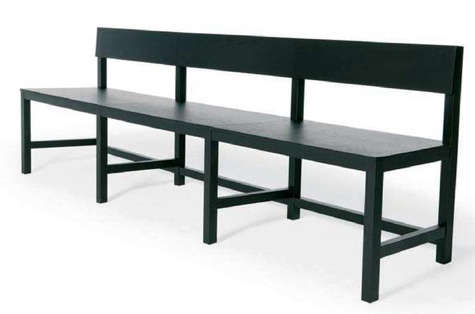
The Three-seat AVL Bench is the kind of furniture piece that quietly walks into a room, refuses to shout, and somehow becomes the most interesting object there. It does not depend on upholstery drama, carved flourishes, or “look at me” curves. Instead, it leans into discipline: a long, clean silhouette, strong wood construction, practical seating, and a design language rooted in the honest beauty of Shaker-inspired furniture.
Often associated with the AVL Shaker line by Dutch artist and designer Joep van Lieshout and Atelier Van Lieshout, the bench sits at a fascinating intersection of art, utility, and modern interior design. It feels simple at first glance, but that simplicity is doing a lot of heavy lifting. Like a perfectly tailored white shirt or a cast-iron skillet that outlives three trends and two kitchens, the Three-seat AVL Bench proves that useful objects can have real personality.
Whether used as a dining bench, hallway seat, gallery-like accent, mudroom perch, or minimalist statement piece, this bench offers more than a place to sit. It introduces order, restraint, and a slightly rebellious design attitude into the home. Yes, a bench can have attitude. This one just happens to express it politely.
What Is the Three-seat AVL Bench?
The Three-seat AVL Bench is best understood as part of a design family influenced by Shaker furniture principles: simplicity, utility, careful proportions, and clean construction. “AVL” refers to Atelier Van Lieshout, the Rotterdam-based studio founded by Joep van Lieshout. The broader AVL Shaker series has been connected with names such as Moooi and Lensvelt in the design world, and pieces from the line are known for their minimal forms, bold color options, and practical geometry.
As the name suggests, the three-seat version is sized to accommodate three people comfortably. It is typically discussed as a long wooden bench with a spare, architectural profile. Instead of padding, tufting, or decorative excess, the bench focuses on proportion, material presence, and function. It looks equally comfortable beside a modern dining table, against a white wall, or in a creative studio where every object is expected to earn its keep.
The Design Story: Shaker Roots, Dutch Edge
To understand the Three-seat AVL Bench, it helps to understand the Shaker design tradition. Shaker furniture, developed by the Shaker religious communities in America, is famous for being practical, durable, and visually calm. The Shakers believed that objects should serve their purpose honestly. That philosophy created furniture with clean lines, balanced forms, and very little ornamentation.
The AVL interpretation does not copy Shaker furniture like a museum reproduction. Instead, it translates the spirit of Shaker design into a contemporary design object. The result is less farmhouse nostalgia and more modern utility. You get the straightforward usefulness of a traditional bench, but with the crisp presence of a design-gallery piece.
That mix is what makes the bench interesting. It is humble, but not boring. Plain, but not forgettable. Functional, but not anonymous. In a world where some furniture seems designed mainly to photograph well for twelve seconds on social media, the Three-seat AVL Bench feels like it was built to stay in the room long after the trend has left.
Key Features of the Three-seat AVL Bench
1. A Clean Three-seat Silhouette
The most obvious feature is its length. A three-seat bench offers generous seating without the visual bulk of three separate chairs. In a dining room, that can make the space feel more open. In an entryway, it creates a practical landing zone. In a living room, it can act as flexible extra seating without interrupting the layout.
2. Minimalist Wood Construction
The Three-seat AVL Bench is commonly associated with solid wood construction and a straightforward frame. Wood gives the bench warmth, but the clean shape prevents it from feeling rustic in a heavy-handed way. Depending on finish and color, it can read as Scandinavian, industrial, modern farmhouse, gallery minimal, or playful Dutch design.
3. Shaker-inspired Utility
This bench does not hide its purpose. It is a bench. It wants you to sit on it. It wants your guests to stop awkwardly hovering near the dining table. It wants your hallway to stop being a shoe battlefield. That clarity of purpose is a major part of its charm.
4. Flexible Color Possibilities
Older listings and design references have connected the AVL bench line with multiple finishes, including black, white, natural wood tones, and brighter colors. This matters because the same simple form can behave very differently depending on color. A black version feels graphic and architectural. A natural wood version feels warmer and quieter. A bright red or orange version becomes a confident accent piece.
5. Compact Visual Footprint
Compared with three dining chairs, a bench creates a cleaner horizontal line. This can make small spaces feel less crowded. It also allows the bench to slide neatly under many tables, depending on height and proportion. For apartments, breakfast nooks, and narrow dining areas, that can be a very real advantage.
Why the Three-seat AVL Bench Works in Modern Homes
Modern interiors often need furniture to do more than one job. A dining bench may become a laptop station during the day, a homework zone after school, extra party seating on Friday, and a place to drop tote bags on Saturday. The Three-seat AVL Bench is well suited to that kind of flexible living because it is simple, sturdy, and visually adaptable.
Its design also fits today’s preference for rooms that feel curated rather than crowded. Instead of filling a space with decorative noise, the bench gives structure. It creates a clear line. It anchors a table. It softens a hallway. It adds a useful pause in a room without demanding a spotlight.
There is also a sustainability-minded argument for furniture like this. While availability can vary and some AVL pieces may be found through vintage, resale, or design-market channels, the design itself reflects the idea that a useful, well-made object can remain relevant for years. A bench that still looks good after trends change is a bench doing its job with quiet confidence.
Best Places to Use a Three-seat AVL Bench
Dining Room
The dining room is the most natural home for a three-seat bench. Pair it with a rectangular table and use chairs on the opposite side for balance. This creates a relaxed, communal feeling without making the room look overly casual. A bench also makes it easier to seat children, guests, or that one friend who always shows up “just for a quick bite” and somehow stays through dessert.
Entryway or Hallway
In an entryway, the Three-seat AVL Bench becomes a practical command center. It gives people a place to sit while putting on shoes, setting down bags, or pretending they are not checking whether they forgot their keys again. Add wall hooks, a slim shelf, or baskets underneath, and suddenly your entryway looks intentional instead of mildly panicked.
Bedroom
Placed at the foot of a bed, the bench adds function without visual clutter. It can hold folded blankets, a tray, books, or tomorrow’s outfit. The clean lines work especially well in bedrooms with modern, Scandinavian, or minimalist styling.
Living Room
A bench can be used behind a sofa, along a wall, or beneath a large artwork. In open-plan homes, it can help define zones without blocking sightlines. Unlike a bulky armchair, a slim bench keeps the room breathable.
Office or Studio
Because the AVL design language has an art-studio quality, the bench feels natural in creative spaces. It can hold books, samples, bags, or visitors. It also brings a touch of gallery discipline to rooms where paper piles and coffee cups are trying to become permanent residents.
How to Style the Three-seat AVL Bench
Keep It Bare for Maximum Impact
The easiest styling method is to do almost nothing. Let the bench’s silhouette show. This works especially well if the finish is bold, dark, or graphic. A clean bench against a clean wall can look surprisingly sophisticated.
Add a Cushion Carefully
If comfort is a priority, a slim cushion can help. Choose one that respects the bench’s simple form. Avoid overly fluffy cushions that make the bench look like it is wearing a winter coat indoors. Linen, wool, cotton canvas, or leather can work beautifully.
Use Repetition
Repeat the bench’s color elsewhere in the room. A black bench can connect with black pendant lights or window frames. A natural wood bench can echo wood flooring or open shelves. A white bench can support a bright, airy palette.
Pair with Contrasting Chairs
At a dining table, combine the bench with chairs that contrast slightly in shape or material. For example, pair a simple AVL-style bench with molded chairs, spindle-back chairs, or metal-framed seating. The contrast keeps the arrangement from feeling too matched, which is usually a good thing. Furniture sets that match too perfectly can sometimes feel like they are waiting for a showroom manager to appear.
Buying Considerations Before Choosing a Three-seat AVL Bench
Measure the Space First
Before falling in love with any three-seat bench, measure carefully. Check the total length, seat height, depth, and clearance around the table or wall. For dining use, make sure there is enough space to slide the bench in and out comfortably.
Think About Seat Height
Dining benches generally need to coordinate with table height. A bench that is too low makes dinner feel like a children’s craft project. A bench that is too high makes guests hover over their plates like suspicious birds. Comfort depends on proportion.
Consider Finish and Maintenance
Painted finishes can look crisp but may show chips over time. Natural wood can develop character with age but may need occasional care. If the bench will live in a busy family kitchen, choose a finish that can handle daily use, spills, and the mysterious sticky spot that no one admits creating.
Check Authenticity and Condition
If shopping vintage or secondhand, review the seller’s details carefully. Look for designer attribution, manufacturer information, condition notes, dimensions, finish descriptions, and clear photos. Minor wear may be acceptable, especially on a design object with age, but structural problems are another story.
Care and Maintenance Tips
A bench like this rewards simple care. Dust it regularly with a soft cloth. Wipe spills quickly. Avoid harsh cleaners unless the manufacturer or seller specifically recommends them. Use felt pads if the bench is placed on delicate flooring. If it has a painted finish, treat chips and scratches as either maintenance issues or honest signs of use, depending on your personality and tolerance for “character.”
For dining areas, consider placemats, table spacing, and practical traffic flow. A bench constantly dragged across tile or wood will age faster. Teaching people to lift rather than scrape is ideal, though admittedly this may require more family meetings than anyone expected from a piece of furniture.
Design Analysis: Why Simplicity Feels So Strong
The Three-seat AVL Bench shows how restraint can create presence. Many furniture pieces try to impress with complexity. This bench does the opposite. Its power comes from editing. Remove the unnecessary detail. Keep the line. Keep the function. Keep the material honest.
That restraint gives the bench flexibility. It can disappear into a quiet room or become a focal point in a bold color. It can feel utilitarian in a mudroom or refined in a dining space. It can support rustic textures, modern architecture, or even eclectic rooms filled with books, art, and suspiciously many ceramic bowls.
In SEO terms, people searching for a Three-seat AVL Bench, AVL Shaker Bench, minimalist wooden bench, or designer dining bench are often looking for the same thing: a piece that combines function with long-term design value. The bench satisfies that search intent because it is not merely seating. It is a design decision.
of Real-life Experience and Practical Impressions
Living with a bench like the Three-seat AVL Bench changes how a room behaves. At first, you may think of it as simply “the long seat.” Then, slowly, it becomes the place where life collects. In a dining room, it invites people to sit closer together. That can be charming during breakfast, slightly chaotic during taco night, and unexpectedly useful when extra guests arrive. Three chairs create three separate spots; a three-seat bench creates one shared zone.
In daily use, the biggest advantage is flexibility. When no one is sitting on it, the bench does not look empty in the way a row of chairs can. It becomes part of the architecture of the room. You can tuck it under a table, line it against a wall, or move it temporarily when the room needs to transform. During gatherings, it becomes overflow seating. During quiet mornings, it becomes a place to sip coffee. During cleaning day, it becomes the official headquarters for everything that has no obvious home.
The experience is especially strong in small spaces. A three-seat bench can make a narrow dining area feel less crowded because it has a lower visual profile than chair backs. If you live in an apartment or a compact home, this matters. The room feels cleaner and more open, even when the seating capacity is the same. It is one of those design tricks that feels obvious only after you try it.
Comfort depends on expectations. A minimalist wooden bench is not a cloud. It will not hug you, recline, or whisper spa music into the room. But for meals, entryway use, short conversations, and flexible seating, it performs well. Add a thin cushion if you want softness, but the best experience often comes from respecting the bench’s honest nature. It is firm, practical, and direct. In furniture terms, it has excellent posture.
Styling also becomes easier over time. The bench pairs well with woven baskets, simple ceramics, black metal accents, linen textiles, or a large framed print above it. In an entryway, it encourages tidiness because it creates a clear landing zone. In a bedroom, it makes the room feel finished, as if someone with excellent taste came by and quietly solved the foot-of-bed problem.
The one thing to watch is clutter. Because the bench is useful, people will use it. Bags, jackets, books, packages, and laundry may all attempt to colonize it. The solution is not to blame the bench. The solution is to give nearby items a better home: hooks, baskets, trays, or shelves. Once the surrounding system works, the bench returns to being what it should be: calm, useful, and quietly handsome.
Overall, the Three-seat AVL Bench delivers the rare combination of everyday practicality and design intelligence. It is not flashy. It does not need to be. Its best quality is that it gets better the more naturally it becomes part of a room. That is the mark of good furniture: not just how it looks in a photo, but how well it supports actual life.
Conclusion
The Three-seat AVL Bench is a strong example of how minimalist furniture can feel warm, useful, and memorable. With roots in Shaker-inspired utility and a contemporary design sensibility connected to Joep van Lieshout and Atelier Van Lieshout, it offers more than a place to sit. It brings order, flexibility, and quiet character into modern interiors.
For homeowners, decorators, collectors, and design lovers, this bench works because it refuses to overcomplicate the obvious. It seats people. It structures a room. It complements many styles. And it does all of that with the calm confidence of an object that knows exactly why it exists.
Note: This article is written for web publication and synthesizes real design, furniture, and Shaker-style context without inserting source links or unnecessary citation placeholders.












