Families are full of memorable one-liners. Some become beloved inside jokes, such as a dad asking his proudly bald adult child for a comb. Others land with the emotional grace of a bowling ball dropped from a second-story window.
That is why a simple online question about the strangest, most upsetting, or downright confusing things parents have said struck such a nerve. People did not just share odd family moments. They shared the kinds of sentences that make you pause mid-conversation, look around the room, and wonder whether everyone else heard the same thing.
Reader note: The 30 entries below are original editorial retellings inspired by common themes in public conversations about shocking parent comments. They are not presented as verbatim quotes or as a transcript of any one discussion.
Why Certain Parent Comments Stay With Us Forever
Parents are often the first people who teach children how love, conflict, safety, humor, and respect are supposed to sound. That does not mean parents are flawless. Every parent has a tired, stressed, “I have said too much before coffee” moment. Parenting is hard, and children can be impressively talented at discovering chaos before 8 a.m.
Still, there is a difference between an imperfect comment and a pattern of cruelty, humiliation, threats, manipulation, or emotional dismissal. A weird family joke may become a funny story later. A comment that makes a child feel unsafe, unwanted, responsible for an adult’s emotions, or ashamed of existing can linger much longer.
That is why these stories range from bizarrely funny to deeply uncomfortable. Some are comedy gold. Others are reminders that respect should not be a one-way street simply because one person pays the mortgage and knows where the spare batteries are hidden.
30 Things Parents Said That Made People Think, “What the Hell?”
-
The Bald Child and the Comb
A father walked into his adult child’s room, saw a completely shaved head, and asked to borrow a comb. After a short pause, both of them started laughing. This was not emotional damage. This was elite-level dad comedy.
-
The Extremely Incorrect Biology Lesson
One person recalled being given wildly inaccurate information about where babies come from. The misunderstanding lasted for years and ended in a painfully awkward health-class moment. Parents: mystery is fun. Medical misinformation is less fun.
-
“I Don’t Have to Respect You”
An adult child tried to explain that basic respect should exist in both directions. The parent replied that respect only flows upward because “you are my child.” That is not a family value. That is a monarchy with snacks.
-
The Emotional Confession That Became a Scream Fest
A child explained that they struggled to open up because they did not feel emotionally safe. Instead of listening, the parent exploded in anger. Nothing proves a concern quite like turning it into a live demonstration.
-
The Parent Who Said They Regretted Having Children
Some comments are too heavy to disguise as “just being honest.” Telling a child that they are a regret can make them feel like a burden rather than a person. Frustration is human. Making a child carry it is not.
-
The Adult Problem Assigned to a Kid
A parent asked their child to keep secrets about money, relationships, or family conflict. The child suddenly became a tiny unpaid therapist with no training, no paycheck, and absolutely no ability to book a vacation.
-
The “Pick a Side” Speech
During a family dispute, a parent demanded that the child choose between adults. Children should not be drafted into emotional warfare. They are not referees, lawyers, or tiny diplomats sent to negotiate a peace treaty.
-
The Parent Who Kept Score
“After everything I have spent on you” is a sentence many people remember. Providing food, housing, school supplies, and care is not a loyalty program where children eventually redeem points for guilt.
-
The Body Critique at the Dinner Table
A child reached for another serving and heard a joke about weight, appearance, or eating habits. Family meals should not feel like a live audition for a cruel reality show.
-
The Parent Who Mocked Tears
Some people recalled crying after being hurt, only to hear, “Stop being dramatic,” or “You are too sensitive.” Emotions are not a courtroom objection. They are information about what a person is experiencing.
-
The Forced Forgiveness Request
A parent hurt their child, skipped the apology, and demanded that everyone “move on.” Forgiveness can be meaningful, but it is not a magic eraser handed out before anyone admits what happened.
-
The Parent Who Shared Private News With Everyone
A child confided something personal, then discovered that relatives, neighbors, and possibly the cashier at the grocery store had heard the details. Privacy should not disappear because someone shares your last name.
-
The “You Ruined the Family” Line
Some adult children were blamed for setting boundaries, leaving a harmful relationship, or refusing to participate in old family patterns. Boundaries may make a system uncomfortable, but discomfort is not destruction.
-
The Competition With Their Own Child
One unsettling theme involved parents acting jealous when a child received praise, attention, or affection. A child should never have to dim their light so an adult can feel like the brightest bulb in the room.
-
The “You Owe Me Grandchildren” Demand
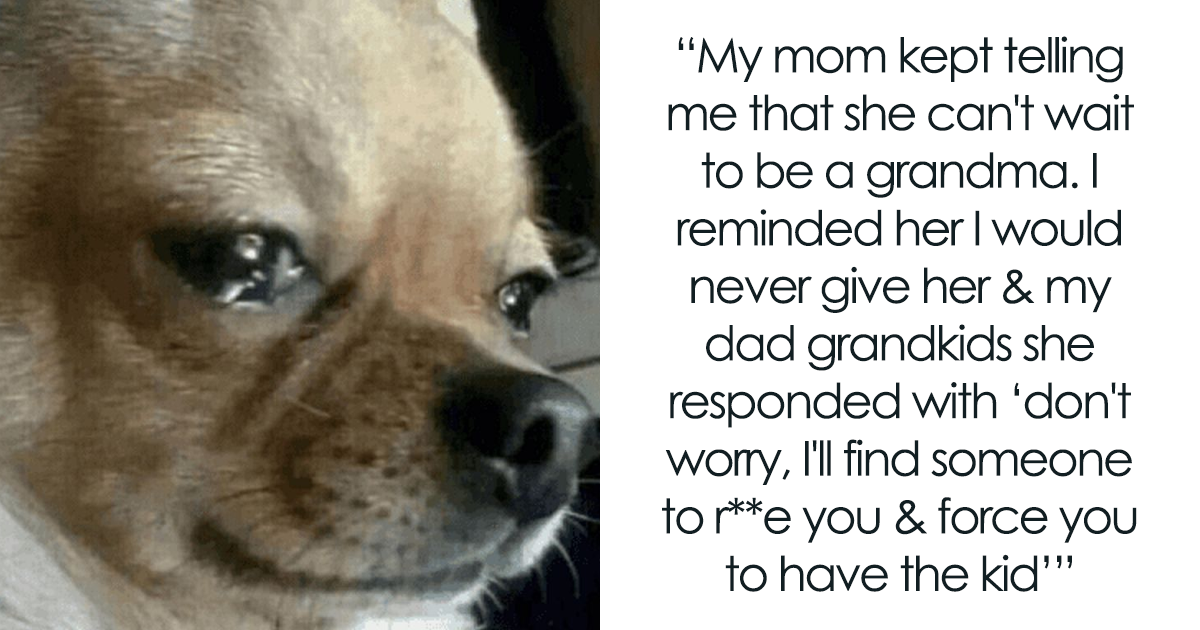
Some parents treat their adult child’s future like a family expansion project. Relationships, marriage, and parenthood are personal decisions, not a sequel that must be approved by the original producers.
-
The Threat Disguised as Discipline
“I will throw you out,” “I will hurt you,” or “You will be sorry” may be said in anger, but threats can make a home feel unpredictable. Discipline should teach. Fear should not be the curriculum.
-
The Parent Who Used Therapy Language as a Weapon
Some people described parents calling every disagreement “disrespect,” every boundary “selfishness,” or every independent opinion “manipulation.” Therapy terms are supposed to improve communication, not become fancy new ammunition.
-
The “Your Sibling Is the Favorite” Announcement
Parents sometimes think comparisons motivate children. Usually, they create resentment, anxiety, and a sibling relationship that feels like a competition nobody entered voluntarily.
-
The Parent Who Denied Reality
A child remembered being told that an upsetting event “never happened” or that they were imagining it. Memory can be complicated, but repeatedly dismissing someone’s lived experience can make them question their own judgment.
-
The Joke That Was Not Actually a Joke
“I was kidding” often appears after a cruel comment gets a bad reaction. Humor should leave people laughing together, not leave one person staring at the floor while everyone else waits for the mood to recover.
-
The Parent Who Made Love Conditional
Some people recalled hearing that affection, support, or approval depended on obedience, grades, appearance, religion, dating choices, or career plans. Love with a checklist can feel less like love and more like an annual performance review.
-
The Public Embarrassment Routine
A parent made a cutting remark in front of friends, teachers, or relatives, then acted surprised when the child withdrew. Public humiliation does not build character. It mostly builds a strong desire to leave the room.
-
The Parent Who Expected a Child to Fix Their Mood
Children are not responsible for making a parent happy, calming their rage, repairing their marriage, or absorbing their loneliness. That is a lot of emotional luggage for someone who still needs permission to go on a field trip.
-
The “You Are Just Like Your Other Parent” Attack
During an argument, some parents use the child as a target for anger toward an ex-partner. A child is not a revenge postcard from a failed relationship.
-
The Dismissal of a Health Concern
Some people were told they were lazy, faking, dramatic, or attention-seeking when they expressed pain, anxiety, or exhaustion. A parent does not need every answer immediately, but curiosity is usually kinder than contempt.
-
The Parent Who Wanted Gratitude for the Bare Minimum
“You should thank me for not being worse” is not the powerful parenting argument some people think it is. Children deserve care because they are children, not because they successfully avoided a worse household.
-
The “Nobody Else Will Love You” Comment
This statement can make a child feel trapped and unworthy of healthy relationships. It is not tough love. It is a deeply damaging message that can follow someone long after they leave home.
-
The Parent Who Turned Identity Into a Debate
Some people described being mocked or rejected over their identity, relationships, beliefs, or self-expression. Disagreement is one thing. Making a child feel fundamentally unacceptable is another.
-
The Impossible Standard
A child brought home a high grade, won an award, or worked hard on something important, only to hear, “Why was it not better?” Achievement without acknowledgment can make success feel strangely empty.
-
The Parent Who Never Said Sorry
Many people did not remember one spectacularly awful statement. They remembered the absence of repair afterward. A sincere apology cannot rewrite the past, but it can tell a child, “Your feelings matter, and I am willing to learn.”
When Is It a Strange Family Story, and When Is It a Real Problem?
Not every bizarre parent comment signals a toxic family dynamic. Parents can be awkward, uninformed, stressed, blunt, or accidentally hilarious. A truly strange childhood story may eventually become the one everyone tells at Thanksgiving while someone drops a dinner roll.
But it is worth taking a comment seriously when it becomes part of a repeated pattern of threats, shaming, manipulation, intimidation, isolation, emotional cruelty, or pressure to keep unsafe secrets. The issue is not whether a parent had one bad day. The issue is whether the child is expected to absorb the emotional consequences of an adult’s behavior again and again.
If a person feels unsafe at home, fears violence, is being threatened, or is experiencing abuse, reaching out to a trusted adult, counselor, medical professional, local child-protection service, or emergency resource may be important. Personal safety comes before preserving the appearance of family harmony.
What Better Parent-Child Communication Can Sound Like
Healthy communication does not require parents to agree with every choice their child makes. It does require them to listen, stay curious, set clear limits without humiliation, and avoid treating emotions as inconvenient clutter.
A more helpful response can be surprisingly simple: “I can see that you are upset.” “Help me understand what happened.” “I do not agree with that choice, but I still love you.” “I lost my temper, and I am sorry.” None of these sentences require a parent to surrender authority. They simply show that authority and respect can live in the same house.
For adult children, boundaries can also be practical. That may mean ending a conversation when shouting starts, refusing to discuss private information with certain relatives, limiting contact, or choosing not to argue about a decision that has already been made. Boundaries are not punishments. They are instructions for how people can remain in your life without repeatedly hurting you.
Final Thoughts: The Sentence Is Not Always the Whole Story
The internet loves a jaw-dropping family quote because it gives strangers a chance to say, “Absolutely not,” on your behalf. Sometimes that reaction is funny. Sometimes it is validating. And sometimes it helps people realize that what they were taught to normalize was not normal at all.
The best family stories are the ones where everyone can laugh safely. The harder stories deserve something more than a laugh: honesty, boundaries, support, and, when possible, repair.
Additional Experiences: Why People Remember These Comments for Years
Most people do not remember every ordinary conversation they had with a parent. Nobody keeps a detailed scrapbook of “Please put your shoes away” or “Did you finish your homework?” Those sentences disappear into the background of family life, where they belong.
But one strange, cruel, or confusing comment can stay sharp for decades. It becomes a tiny scene preserved in high definition: the kitchen light, the car ride home, the exact look on someone’s face, the silence that came afterward. Years later, a person may not remember what they ate that day, but they remember the sentence that changed how safe they felt around someone.
Sometimes the memory is funny. A parent says something so wildly out of touch that it becomes family legend. Maybe they confuse a social-media trend with a national emergency. Maybe they insist that Wi-Fi is “stored in the walls.” Maybe they ask a bald child for a comb and accidentally create the funniest story in the family archive.
Those moments are harmless because everyone is in on the joke. The child is not being shamed. Nobody is afraid. The laughter feels shared rather than weaponized.
The painful memories are different. They often happen when a child takes a risk by being honest. They admit they are scared, sad, sick, overwhelmed, in love, unsure of their future, or hurt by something a parent did. Instead of receiving curiosity or care, they receive ridicule, anger, denial, or a lecture that somehow turns the child into the villain of the story.
That reaction can teach a powerful lesson: keep your feelings hidden. Do not ask for help. Do not expect understanding. Handle everything alone. The problem is that these lessons do not stay neatly inside childhood. They can follow people into friendships, work, dating, marriage, and parenting.
Still, an upsetting comment does not have to define an entire life. People can learn healthier ways to communicate. They can build friendships where they are heard. They can work with counselors, create boundaries, become more emotionally honest, or parent differently than they were parented.
In many cases, healing starts with a small but important realization: “That was not okay, and I was not wrong for being hurt by it.” It is not dramatic to want respect. It is not selfish to protect your peace. And it is not disloyal to stop carrying words that never should have been handed to you in the first place.