
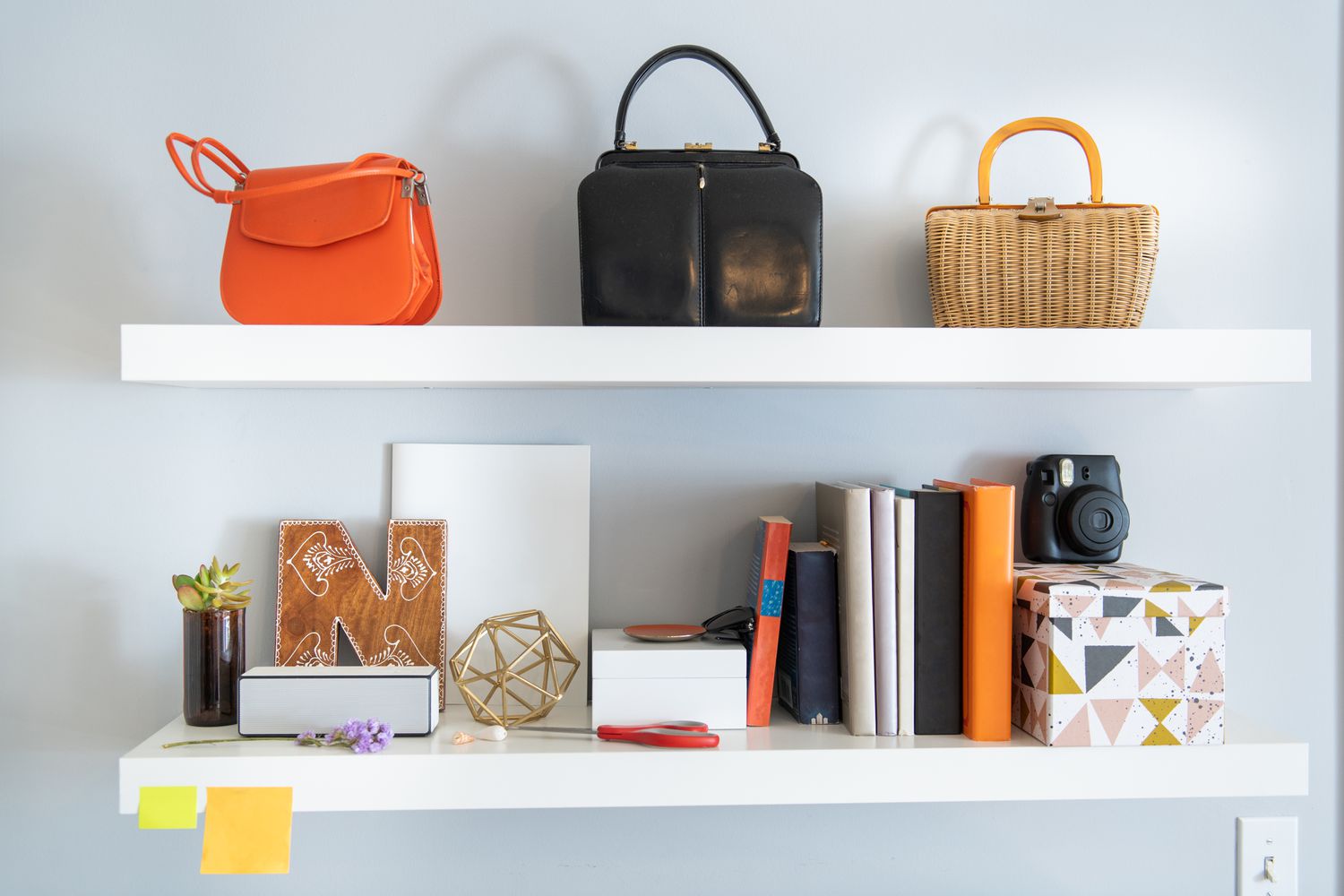
Walk into a true minimalist’s home and you’ll notice something immediately: the space feels calm without feeling empty, polished without trying too hard, and functional without looking like a furniture catalog had a nervous breakdown. Minimalism is often misunderstood as a cold lifestyle built on owning one spoon, two white shirts, and a suspiciously expensive floor lamp. In reality, it is less about living with nothing and more about living with intention.
That is why the most interesting question is not what minimalists buy. It is what they refuse to keep. Their homes usually do not become peaceful by accident. They become peaceful because certain categories of clutter never get a long-term lease. The goal is not perfection. The goal is to make daily life easier, cleaner, and a whole lot less visually noisy.
If you have ever opened a drawer and found batteries, soy sauce packets, birthday candles, three dead pens, and a key to a door that probably no longer exists, congratulations: you are very normal. But you are also exactly the audience for this guide. Here are nine things you will almost never find in a minimalist’s home, plus why they matter and what usually shows up instead.
What a Minimalist Home Really Looks Like
A minimalist home is not a personality test in beige. It is simply a home where every item earns its keep. Some things are useful. Some things are beautiful. The best items are both. Minimalists tend to avoid anything that creates visual clutter, demands constant maintenance, duplicates another object, or stays around only because guilt has better attendance than logic.
That means the minimalist mindset is practical, not punishing. It makes room for favorite books, meaningful art, a great sofa, heirlooms with real emotional value, and tools used often. What it does not make room for is random accumulation. Minimalists are not anti-stuff. They are anti-stuff-that-does-nothing.
1. Duplicate Items They Forgot They Already Owned
Minimalists rarely keep five versions of the same thing unless there is a clear reason. They do not have four nearly identical black T-shirts they do not love, seven spatulas battling for cabinet dominance, or enough reusable tote bags to open a small grocery store.
Duplicate items create hidden clutter because they often live in separate zones. One pair of scissors is in the office, one is in the kitchen, one is in the junk drawer, and somehow nobody can find any of them when a package arrives. Minimalists prefer a curated number of well-chosen essentials, which means fewer extras to store, clean, replace, and mentally track.
What they keep instead
A smaller number of reliable favorites. One excellent chef’s knife beats a graveyard of mediocre kitchen tools. Two or three mugs you actually love beat a cabinet full of promotional freebies and “World’s Best Aunt” ceramics from 2014.
2. “Just in Case” Purchases for a Fantasy Life
This is the clutter category with the best public relations team. “Just in case” sounds responsible, prepared, even heroic. In practice, it often means storing items for versions of ourselves who may never appear. The bread maker for the future sourdough era. The party platters for entertaining that never happens. The extra office chair for guests who somehow all decide to work remotely from your dining room at the same time.
Minimalists are usually ruthless with these someday items because they understand a simple truth: space has value too. A home packed with backup plans starts to feel like a storage unit with nicer lighting. Instead of keeping every possible solution on hand, minimalists often trust that many low-cost, easy-to-replace items can be borrowed, rented, or repurchased if genuinely needed later.
What they keep instead
Items that support their real life right now. Not the imaginary life where they suddenly become a candle-maker, pasta expert, and scrapbook artist all in the same month.
3. Broken Things Waiting for a Miraculous Repair
A minimalist’s home is not where broken lamps, chipped plates, limp umbrellas, or mystery chargers go to “rest.” If something can be repaired and there is a real plan to do it soon, great. If it has been sitting in a corner for six months like a defeated robot, it is probably clutter wearing a disguise.
Broken items create more than physical mess. They create mental drag. Every time you see them, they whisper, “Remember me? You still have not dealt with this.” Enough objects doing that and your house starts sounding like an unpaid to-do list.
What they keep instead
Working items, repairable items with deadlines, and fewer possessions overall. Minimalists tend to prefer quality over quantity partly because durable things are less likely to become decorative guilt.
4. Piles of Paper, Mail, and Random Printouts
Paper clutter is sneaky because each individual piece seems harmless. One receipt. One school form. One takeout menu. One warranty booklet you will absolutely never read but somehow feel morally obligated to keep. Then suddenly the kitchen counter looks like a low-budget law office.
Minimalists usually create systems to stop paper from breeding. They digitize what matters, recycle junk mail fast, file important documents in one place, and avoid using counters as temporary paper parking lots. The result is not just a cleaner home. It is a cleaner visual field, which makes a room feel lighter almost instantly.
What they keep instead
A slim file system for truly important paperwork, plus the habit of dealing with paper when it enters the house instead of letting it form a paper mountain range.
5. Tiny Decorative Tchotchkes Everywhere
Minimalists are not allergic to decor. They just tend to avoid the kind that multiplies like rabbits on every flat surface. Too many tiny objects create visual noise, make dusting annoying, and turn shelves into museum exhibits dedicated to indecision.
When every table has candles, figurines, mini frames, decorative boxes, beads, little bowls, and one lonely fake pear, the eye has nowhere to rest. Minimalists often skip excessive small decor in favor of a few stronger pieces with shape, texture, or personal meaning. One sculptural vase can do the job of fifteen random trinkets, and it asks much less of your Saturday cleaning routine.
What they keep instead
Intentional statement pieces, natural materials, artwork they genuinely love, and open space around objects so the room can breathe. Yes, empty space is doing part of the decorating job.
6. Disposable, Single-Use Clutter
Single-use items may seem convenient, but they often create bulk before and after use. Cases of disposable water bottles, stacks of paper plates, plastic cutlery, takeout condiment packets, and random packaging can fill cabinets with things that deliver very little long-term value.
Minimalists often avoid these not only for environmental reasons, but also because disposable products create a cycle of constant restocking and waste. Reusable alternatives streamline the home. A few durable water bottles, good food containers, cloth napkins, and actual plates tend to make daily life look less temporary and feel more intentional.
What they keep instead
Reusable basics that are easy to wash, store, and reach for every day. Convenience is nice, but convenience that does not clutter the pantry is nicer.
7. Furniture Without a Real Job
Minimalists usually do not fill rooms just because the room looks lonely. They skip extra benches, awkward accent tables, oversized entertainment centers, and decorative chairs that no one sits in because they are apparently reserved for ghosts.
Furniture is one of the biggest drivers of visual weight in a home. A room with too many pieces feels cramped even when nothing is technically messy. Minimalists tend to choose fewer, better-sized items that serve clear functions. This improves traffic flow, cleaning, and the overall sense of calm.
What they keep instead
Furniture that earns floor space. A storage bench near the entry. A dining table used every day. A sofa that is comfortable enough for actual human life, not just for looking expensive in photos.
8. Kitchen Gadgets That Do Only One Weird Thing
The minimalist kitchen is not gadget-free, but it is usually gadget-skeptical. If a tool only slices bananas into symmetrical moons or hard-boils one egg while singing to itself, it may not survive the cut. Many minimalist homes avoid drawers stuffed with specialty tools, mismatched food containers, spare lids that fit nothing, and appliances used once every leap year.
The kitchen becomes easier to maintain when tools are versatile, storage is limited, and cabinets are not hiding six identical travel mugs and three blenders acquired through optimism. Minimalists know that a functional kitchen is about access, not abundance.
What they keep instead
Multi-purpose tools, matching containers that stack well, and a small group of everyday workhorses. The kind of tools that show up repeatedly, not just when you are trying a recipe from social media at 11:40 p.m.
9. Expired Products and Forgotten Cabinet Stock
Minimalists tend to be quick about removing things that are past their useful life. Expired spices, stale snacks, dried-up nail polish, old sunscreen, mystery medicine, and skincare products from two trends ago do not usually get permanent residency.
This matters because expired products take up storage space while quietly reducing trust in the items around them. When your pantry, bathroom, and medicine cabinet are full of old products, it becomes harder to see what you actually have and use. A minimalist home functions better because the inventory is current, visible, and manageable.
What they keep instead
Fresh essentials, fewer backups, and a habit of reviewing cabinets regularly. In a minimalist home, the back of the shelf is not where things go to disappear forever.
Why These Nine Categories Matter More Than You Think
Each of these clutter categories steals something different. Duplicate items steal storage. Broken items steal attention. Paper steals flat surfaces. Decorative overload steals visual calm. Extra furniture steals movement. Expired products steal usefulness. Taken together, they do more than crowd a room. They crowd your routine.
That is why minimalist homes often feel easier to clean and easier to live in. There is less to move, sort, dust, organize, replace, and mentally manage. A simplified home does not automatically solve stress, of course. It does, however, remove a surprising number of tiny daily frictions. And those frictions add up.
How to Use This List Without Turning Into a Decluttering Maniac
The smart way to apply minimalist ideas is not to grab a trash bag and start making dramatic speeches at your toaster. Start by spotting the categories that cause the most frustration in your own home. Maybe it is paper. Maybe it is mugs. Maybe it is the decorative basket filled with smaller decorative baskets for reasons no one can explain.
- Pick one category at a time.
- Remove obvious trash, expired items, and broken pieces first.
- Keep the best, most useful versions of what remains.
- Create limits, such as one shelf, one drawer, or one bin per category.
- Focus on habits, not just one-time cleanouts.
Minimalism works best when it becomes a filter, not a stunt. The real magic is not in getting rid of everything. It is in getting rid of what keeps getting in the way.
Real-Life Experiences: What Changes When These Things Are Gone
One of the most relatable experiences people describe after removing these nine categories is that their homes stop feeling loud. Not noisy in the literal sense, but mentally loud. When the counters are not crowded with mail, random gadgets, and bottles, your brain does not have to process as much visual information every time you walk into the room. It is a subtle shift, but a powerful one. The kitchen starts to feel like a place to cook, not a place to negotiate with clutter.
Morning routines often get easier first. When closets are not jammed with duplicates and “someday” clothes, getting dressed takes less time. When the bathroom cabinet is not stuffed with expired products and backup items, it becomes much easier to find what you actually use. People often say they feel calmer before work, which is impressive considering mornings are usually powered by caffeine and minor panic.
Another common experience is that cleaning no longer turns into a half-day event. A minimalist home is not magically self-cleaning, sadly. No lamp has evolved that far. But when shelves are not covered in tiny decor and the floor is not crowded with unnecessary furniture, vacuuming, dusting, and wiping surfaces become much faster. Many people realize they did not hate cleaning itself. They hated cleaning around too much stuff.
There is also a strong financial experience attached to minimalist habits. Once you start noticing duplicates, disposable purchases, and niche gadgets that barely earn their space, shopping changes. You become slower to buy and quicker to ask useful questions. Do I already own something that does this? Where will it live? Will I still want it in six months? That pause can save money, reduce impulse purchases, and make the home feel more consistent over time.
Families often notice a difference in shared spaces. Entryways become easier to maintain when shoes, bags, keys, and papers have limits. Living rooms feel more restful when they stop functioning as backup storage for unrelated items. Even children can adapt surprisingly well when systems are simple and visible. A toy rotation, a set art drawer, or a one-bin rule for certain categories can make tidying feel more manageable rather than endless.
Sentimental clutter is usually the hardest emotional hurdle, and the experience there tends to be more nuanced. People often fear that decluttering meaningful items will feel cold or regretful. In reality, many report the opposite. When they keep a smaller number of truly important things, those items become more visible and more special. A framed family photo on a clear shelf gets noticed. A handwritten note in an organized memory box gets appreciated. Meaning has more room to breathe when it is not buried under twenty less meaningful objects.
Perhaps the biggest experience of all is this: home starts to feel supportive instead of demanding. You are not constantly managing inventory, moving piles, or promising to deal with things later. Your environment starts helping you rather than interrupting you. That does not require a perfect house, a giant budget, or a strict lifestyle label. It just requires a willingness to stop giving space to items that make daily life harder.
And that is the real appeal of the minimalist home. It is not about owning less so you can brag about owning less. It is about making room for comfort, function, clarity, and the people who actually live there. Which is a lot more satisfying than storing five broken phone chargers and a banana slicer you never trusted in the first place.
Conclusion
The things you will never find in a minimalist’s home are not random. They are the usual suspects of modern clutter: duplicates, broken items, paper piles, disposable products, expired goods, extra furniture, specialty gadgets, excessive decor, and fantasy-life purchases. Remove enough of those, and a home starts to feel less chaotic and more intentional almost immediately.
Minimalism is not about deprivation. It is about editing with purpose. When every object either works hard, adds meaning, or brings real beauty, your home becomes easier to maintain and far more enjoyable to live in. That is not just good design. That is good daily life.














