
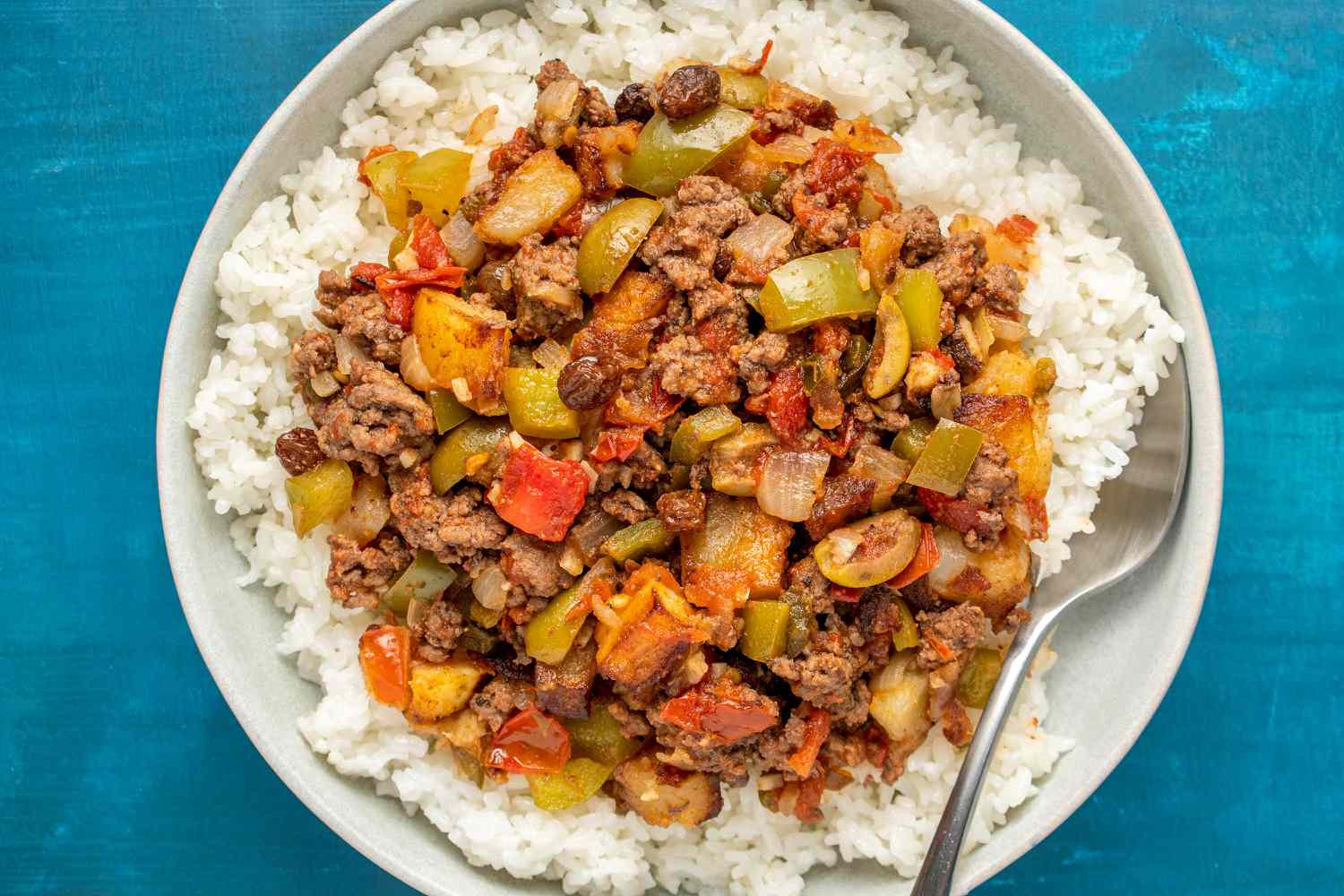
Mexican-style picadillo is the kind of dinner that makes the kitchen smell like someone finally got their life togethereven if the laundry is still sitting in the dryer. It is cozy, practical, deeply flavorful, and built from everyday ingredients: ground beef, potatoes, tomatoes, onions, garlic, warm spices, and a little chile heat if your taste buds enjoy a friendly wake-up call.
At its heart, picadillo is a humble ground meat dish simmered in a tomato-based sauce. Across Latin America, it changes personality from country to country. Cuban-style versions often lean sweet and briny with raisins, olives, and capers. Filipino picadillo may include carrots, peas, and a lighter broth. Mexican-style picadillo, especially the beloved carne molida con papas, often keeps things rustic and satisfying with beef, diced potatoes, tomatoes, garlic, onion, cumin, oregano, and sometimes carrots, peas, jalapeño, serrano, or chipotle.
The magic is not in fancy technique. The magic is in the simmer. A skillet of browned beef and vegetables slowly absorbs tomato, broth, spices, and chile until the potatoes become tender and the sauce clings to every bite. Serve it with warm tortillas, spoon it over rice, tuck it into tacos, use it as an empanada filling, or eat it straight from the pan while pretending you are “just tasting for salt.” We have all been there.
What Is Mexican-Style Picadillo?
Mexican-style picadillo is a savory ground beef and potato dish cooked in a tomato-forward sauce. The word “picadillo” comes from the Spanish idea of something finely chopped or minced, which makes sense because the dish is all about small pieces: ground meat, diced potatoes, chopped onion, minced garlic, and sometimes finely chopped carrots or peppers.
Unlike a long-braised stew, picadillo is usually fast enough for a weeknight. Many home-style versions come together in about 30 to 45 minutes, depending on how small you dice the potatoes. The smaller the potato cubes, the faster dinner arrives. This is one of the few times in life when tiny potatoes can save your evening.
Mexican picadillo is also flexible. Some families make it soupy with extra broth and tomatoes. Others reduce the liquid until it becomes almost taco-filling thick. Some keep it mild and kid-friendly. Others add serrano, jalapeño, ancho chile, or chipotle for a smoky kick. None of these versions is “wrong.” Picadillo is family food, and family food always has a few arguments built into the recipe.
Why This Dish Works So Well
It Uses Affordable, Easy-to-Find Ingredients
Picadillo proves that a great dinner does not need a luxury grocery budget. Ground beef provides richness and protein. Potatoes stretch the meal and soak up the sauce. Tomatoes bring acidity and body. Onion and garlic build the foundation. Cumin and oregano add the unmistakable warm, earthy aroma associated with many Mexican home kitchens.
It Is a One-Skillet Comfort Food
Most Mexican-style picadillo recipes can be made in one large skillet or sauté pan. That means fewer dishes, less chaos, and more time to enjoy the meal. If you have ever stared at a sink full of pots after dinner and questioned every decision that led you there, picadillo is your friend.
It Can Become Many Meals
Picadillo is not just dinner; it is a meal-prep shapeshifter. On day one, serve it with rice and tortillas. On day two, fold it into tacos. Later, stuff it into bell peppers, spoon it into quesadillas, add it to tostadas, or use it as a filling for savory hand pies. A good batch of Mexican picadillo earns its refrigerator space.
Mexican-Style Picadillo Ingredients
This version keeps the classic spirit of Mexican picadillo while making the instructions approachable for a U.S. home kitchen. The flavor is savory, tomato-rich, lightly spiced, and balanced enough for everyday eating.
Main Ingredients
- 1 1/2 pounds ground beef: Use 85/15 or 90/10 ground beef. A little fat adds flavor, but too much can make the dish greasy.
- 2 medium potatoes, diced small: Russet, Yukon Gold, or white potatoes all work. Cut them into small cubes so they cook evenly.
- 1 medium white onion, chopped: White onion gives a clean, classic flavor.
- 3 cloves garlic, minced: Fresh garlic makes the sauce taste fuller and warmer.
- 3 Roma tomatoes, chopped: Fresh tomatoes create a lighter sauce. You can also use canned tomato sauce or crushed tomatoes.
- 1 small jalapeño or serrano, minced: Optional, but excellent if you enjoy heat.
- 1 carrot, diced: Optional but common in many home-style versions. It adds sweetness and color.
- 1/2 cup peas: Optional, usually added near the end so they stay bright and tender.
- 1 cup beef broth: Helps soften the potatoes and creates a saucy texture.
- 1 tablespoon tomato paste: Deepens the tomato flavor and helps thicken the sauce.
Seasonings
- 1 teaspoon ground cumin: Warm, earthy, and essential for depth.
- 1 teaspoon dried Mexican oregano: More citrusy and bold than Mediterranean oregano, though either works.
- 1/2 teaspoon smoked paprika or chili powder: Adds color and gentle warmth.
- 1 bay leaf: Optional, but it gives the simmered sauce a subtle savory backbone.
- Salt and black pepper: Add gradually and taste near the end.
- Fresh cilantro: Optional garnish for brightness.
- Lime wedges: A squeeze of lime wakes up the whole skillet.
How to Make Picadillo, Mexican-Style
Step 1: Brown the Beef
Heat a large skillet over medium-high heat. Add the ground beef and break it apart with a wooden spoon. Cook until browned and no longer pink, about 7 to 9 minutes. If there is excess fat, drain some of it, but leave a spoonful or two for flavor. That little bit of fat helps carry the spices and gives the potatoes a better texture.
Step 2: Build the Aromatic Base
Add the chopped onion to the beef and cook for 3 to 4 minutes, until it softens. Stir in the garlic and jalapeño or serrano, if using. Cook for about 30 seconds, just until fragrant. Do not let the garlic burn unless you want your dinner to taste like regret.
Step 3: Add Potatoes and Vegetables
Stir in the diced potatoes and carrot. Let them cook for 3 to 5 minutes, stirring occasionally. This gives the potatoes a head start and helps them absorb flavor before the liquid goes in.
Step 4: Create the Tomato Sauce
Add chopped tomatoes, tomato paste, cumin, oregano, smoked paprika or chili powder, bay leaf, salt, and pepper. Stir until the tomato paste coats the beef and vegetables. Pour in the beef broth and bring the mixture to a gentle simmer.
Step 5: Simmer Until Tender
Reduce the heat to medium-low, cover the skillet, and simmer for 15 to 20 minutes, stirring occasionally. The potatoes should become fork-tender, and the sauce should thicken slightly. If the skillet gets too dry before the potatoes are cooked, add a splash more broth or water.
Step 6: Finish and Taste
Stir in the peas during the last 3 to 5 minutes of cooking. Remove the bay leaf. Taste and adjust salt, pepper, and lime juice. Finish with chopped cilantro if you like a fresh herbal note.
Recipe Card: Mexican-Style Picadillo
Ingredients
- 1 1/2 pounds ground beef
- 2 medium potatoes, peeled or unpeeled, diced small
- 1 medium white onion, chopped
- 3 garlic cloves, minced
- 3 Roma tomatoes, chopped
- 1 small jalapeño or serrano, minced, optional
- 1 carrot, diced, optional
- 1/2 cup peas, optional
- 1 tablespoon tomato paste
- 1 cup beef broth
- 1 teaspoon ground cumin
- 1 teaspoon dried Mexican oregano
- 1/2 teaspoon smoked paprika or chili powder
- 1 bay leaf, optional
- Salt and black pepper, to taste
- Fresh cilantro and lime wedges, for serving
- Warm tortillas, rice, beans, or tostadas, for serving
Instructions
- Place a large skillet over medium-high heat. Add ground beef and cook until browned, breaking it apart as it cooks.
- Drain excess fat if needed, leaving a small amount in the pan for flavor.
- Add onion and cook until softened, about 3 to 4 minutes.
- Stir in garlic and jalapeño or serrano. Cook for 30 seconds.
- Add diced potatoes and carrot. Cook for 3 to 5 minutes.
- Stir in tomatoes, tomato paste, cumin, oregano, smoked paprika or chili powder, bay leaf, salt, and pepper.
- Pour in beef broth and bring to a simmer.
- Cover and cook for 15 to 20 minutes, stirring occasionally, until potatoes are tender.
- Add peas during the final few minutes of cooking.
- Remove bay leaf, adjust seasoning, and finish with cilantro and lime.
How to Serve Mexican Picadillo
The easiest way to serve Mexican-style picadillo is with warm flour or corn tortillas. Spoon the saucy beef and potatoes into a tortilla, add salsa, a little shredded lettuce, maybe a crumble of queso fresco, and suddenly dinner feels like a small celebration.
It is also excellent over white rice, Mexican rice, or cilantro-lime rice. The rice catches the tomato sauce and turns the meal into a hearty bowl. Add refried beans or black beans on the side, and you have a balanced plate with protein, vegetables, and satisfying carbohydrates.
For a crunchier meal, pile picadillo onto tostadas. Spread a thin layer of refried beans on each tostada first so the meat has something to hold onto. Add shredded cabbage, avocado, crema, salsa, and lime. This is less “quiet dinner” and more “I need extra napkins,” which is usually a good sign.
Best Variations for Mexican Picadillo
Spicy Picadillo
Add serrano pepper, chipotle in adobo, or a pinch of cayenne. Chipotle gives the dish a smoky flavor that works beautifully with tomato and beef.
Picadillo with Olives
Some families add sliced green olives for a salty punch. This leans slightly toward other Latin American styles but still tastes fantastic in tacos and empanadas.
Picadillo with Raisins
Raisins are controversial. Some people love the sweet-savory contrast; others act like a raisin personally betrayed them. If you enjoy mole, sweet spices, or savory dishes with fruit, try adding 2 to 3 tablespoons of raisins during the simmer.
Turkey or Chicken Picadillo
Ground turkey or chicken can replace beef. Because poultry is leaner, add a little extra oil and be careful not to overcook it. Ground poultry should be cooked to a safe internal temperature of 165°F.
Vegetarian Picadillo
Use black beans, lentils, or plant-based ground meat instead of beef. Keep the potatoes, tomatoes, spices, and broth. Vegetable broth works well here, and a little smoked paprika helps replace some of the depth you would normally get from beef.
Cooking Tips for the Best Flavor
Dice the Potatoes Small
Large potato chunks slow everything down. Small cubes cook faster, absorb more sauce, and make the picadillo easier to spoon into tacos.
Do Not Rush the Browning
Browned beef creates flavor. If the beef steams instead of browns, let the liquid cook off and give it another minute or two. A little caramelization makes the final dish taste richer.
Use Fresh and Canned Tomatoes Wisely
Fresh Roma tomatoes give a lighter, homemade taste. Canned tomato sauce or crushed tomatoes give a smoother, more consistent sauce. In a perfect world, use both: fresh tomatoes for brightness and tomato paste for depth.
Season in Layers
Add salt when browning the beef, then taste again after simmering. Potatoes absorb seasoning, so the dish may need a final pinch of salt or a squeeze of lime at the end.
Food Safety Notes for Ground Beef
Because picadillo is made with ground beef, safe cooking matters. Cook ground beef to an internal temperature of 160°F as measured with a food thermometer. Color alone is not always reliable, so a thermometer is the most dependable tool.
Refrigerate leftovers within two hours of cooking. Store picadillo in shallow containers so it cools quickly. Keep it in the refrigerator for 3 to 4 days, or freeze it for longer storage. Reheat leftovers until steaming hot. Good leftovers are a blessing; questionable leftovers are a plot twist nobody ordered.
Make-Ahead and Storage Tips
Mexican picadillo is an excellent make-ahead dish because the flavor deepens as it rests. Prepare it fully, let it cool, and store it in airtight containers. If the sauce thickens too much in the refrigerator, add a splash of broth or water when reheating.
To freeze, portion the cooled picadillo into freezer-safe containers or bags. Flatten bags for faster freezing and easier stacking. Thaw overnight in the refrigerator before reheating in a skillet or microwave. If you plan to use it for tacos, reduce the sauce slightly before freezing so the filling is not too wet.
Common Mistakes to Avoid
Using Potatoes That Are Too Big
Big potato chunks can stay firm while the beef overcooks. Aim for small, even cubes.
Adding Too Much Liquid
Picadillo should be saucy, not watery. Start with one cup of broth and add more only if needed.
Skipping the Acid
A squeeze of lime at the end brightens the whole dish. Tomato brings acidity, but lime adds freshness.
Forgetting Texture
Picadillo tastes best when the beef is crumbly, the potatoes are tender, and the sauce is thick enough to cling to everything. If it seems loose, simmer uncovered for a few minutes.
Personal Experiences With Picadillo, Mexican-Style
The first time I made Mexican-style picadillo, I treated it like a casual ground beef recipe. I browned the meat, threw in potatoes, added tomatoes, and assumed dinner would politely take care of itself. The flavor was good, but the potatoes were uneven: some soft, some stubborn, some apparently training for a career as tiny rocks. That was the night I learned the most important picadillo lesson: cut the potatoes small and keep them consistent. It sounds simple, but in this dish, knife work is the difference between “wonderful comfort food” and “why is this potato still crunchy?”
Another memorable batch happened on a busy weeknight when the refrigerator looked almost empty. There was ground beef, one lonely potato, half an onion, a few tomatoes, and a jalapeño that had clearly been waiting for its big break. Picadillo saved dinner. I stretched it with extra peas, served it with rice, and warmed a stack of tortillas directly over the burner. Nobody at the table cared that the meal came from leftovers and pantry odds and ends. That is one of the best things about Mexican picadillo: it feels generous even when it is made from humble ingredients.
Over time, I started making picadillo differently depending on how I wanted to serve it. For rice bowls, I leave the mixture a little saucier, with enough tomato broth to soak into the grains. For tacos, I simmer it longer until the liquid reduces and the filling becomes thick and scoopable. For tostadas, I make it slightly drier still, because tostadas are delicious but structurally dramatic. One spoonful of watery filling and suddenly dinner becomes a floor-cleaning event.
I also learned that picadillo is one of those dishes that invites personality. A little chipotle in adobo gives it smoky depth. A pinch of cinnamon adds warmth without making it taste sweet. A few green olives bring salty brightness. Carrots and peas make it colorful and slightly sweeter. Some people add raisins, and while that may start a small debate at the table, it can be delicious when balanced with chile and tomato. The best version is not always the most “authentic” in a strict sense; it is the version that makes people reach for seconds.
Picadillo is also a practical teacher. It teaches you to brown meat properly, season gradually, simmer patiently, and taste before serving. It rewards small adjustments. Too rich? Add lime. Too thin? Simmer uncovered. Too mild? Add salsa or chile. Too spicy? Serve it with rice, avocado, or crema. It is forgiving, useful, and comforting in a way that many modern recipes try very hard to be but do not always achieve.
The experience of eating Mexican-style picadillo is part of its charm. It is not fussy food. It does not require tweezers, towers, foam, or a dramatic drizzle that looks like abstract art. It belongs in warm tortillas, next to beans, over rice, or on a plate with whatever salsa is already in the fridge. It is the kind of meal that makes people wander into the kitchen and ask, “Is it ready yet?” That question, honestly, is one of the highest compliments a home cook can receive.
Most importantly, picadillo feels like a bridge between convenience and tradition. It is quick enough for Tuesday, comforting enough for Sunday, and flexible enough for leftovers. It can feed a family, fill lunch containers, or become the foundation for three different meals. Mexican-style picadillo may not be flashy, but it is dependable, flavorful, and deeply satisfying. In a world full of complicated dinner ideas, sometimes the best answer is still a skillet of beef, potatoes, tomatoes, and spices doing exactly what they were meant to do.
Conclusion
Picadillo, Mexican-style, is proof that simple ingredients can create a meal with serious personality. Ground beef, potatoes, tomatoes, onion, garlic, and warm spices come together in one skillet to make a dish that is comforting, flexible, affordable, and full of flavor. It works for tacos, rice bowls, tostadas, burritos, empanadas, and next-day leftovers. Better yet, it is easy to adapt: keep it mild, make it spicy, add vegetables, stir in olives, or try a smoky chipotle version.
For the best results, brown the beef well, dice the potatoes small, season in layers, and simmer until the sauce thickens around the meat and vegetables. Serve it hot with tortillas, rice, beans, lime, and your favorite salsa. It is not complicated, and that is exactly the point. Mexican picadillo is everyday comfort food at its finest: practical, flavorful, and always ready to become tomorrow’s tacos.














