
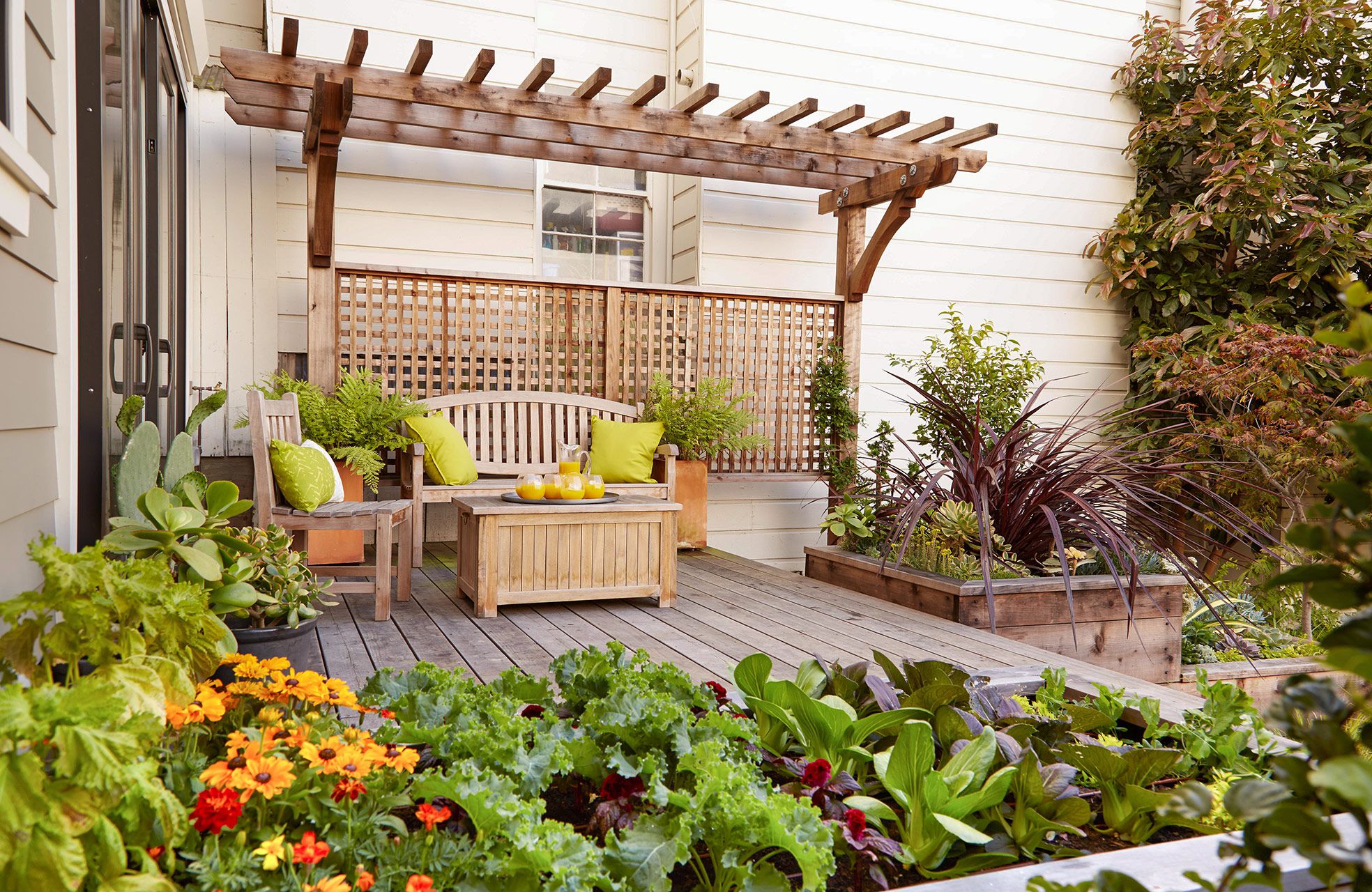
Small yards are like studio apartments: every square foot has a job, and nobody gets to stand around looking decorative unless they also provide storage, shade, privacy, or at least a very good vibe. The good news? A compact plot can become one of the most charming outdoor spaces on the block because small-space landscaping forces you to be intentional. No forgotten back corner. No random lonely shrub. No “future project” zone quietly collecting broken pots.
Whether you have a narrow side yard, a tiny backyard, a townhouse patio, a balcony, or a postage-stamp front garden, the goal is the same: create beauty, function, movement, and comfort without making the space feel crowded. Smart small yard landscaping uses vertical surfaces, layered planting, containers, clear pathways, multi-purpose furniture, and water-wise design to make a small plot feel bigger, greener, and easier to maintain.
Below are 16 practical small-space landscaping ideas you can use to turn a tight outdoor area into a place that feels planned, polished, and personal. Tiny yard, big personality. Let’s get digging.
Why Small-Space Landscaping Needs a Different Strategy
In a large yard, you can sometimes hide design mistakes behind more lawn. In a small yard, everything is on stage. That does not mean the design has to be expensive or complicated. It means each decision should earn its place. Before buying plants, furniture, gravel, lighting, or a fountain shaped like a frog playing jazz, think about how you want to use the space.
Do you want a quiet reading nook? A small vegetable garden? A low-maintenance pollinator patch? A grilling area? A dog-friendly outdoor room? A front yard with curb appeal? Once you know the purpose, landscaping becomes much easier. The best small garden designs usually combine three ingredients: structure, greenery, and breathing room.
16 Small-Space Landscaping Ideas to Make the Most of Your Plot
1. Create Outdoor “Rooms” Instead of One Flat Space
A small plot feels larger when it has zones. You do not need walls or major construction. A gravel patio, a narrow planting bed, a bench under a tree, or a cluster of containers can define areas. For example, a 10-by-12-foot backyard can include a bistro table on pavers, a slim herb bed along the fence, and a small privacy screen behind the seating area.
The trick is to avoid pushing everything to the edges. A small yard with one central focal point, like a planter, birdbath, or curved bed, often feels more designed than a yard with plants lined up like they are waiting for a bus.
2. Go Vertical With Trellises, Vines, and Wall Planters
When ground space is limited, the walls, fences, railings, and posts become prime real estate. Vertical gardening allows you to grow more plants without swallowing the floor. Use a trellis for clematis, jasmine, climbing roses, pole beans, cucumbers, or compact flowering vines. Wall-mounted planters can hold herbs, succulents, strawberries, lettuce, or trailing annuals.
Vertical elements also pull the eye upward, which makes the garden feel taller and more layered. Just make sure the structure is sturdy, especially if you are growing heavy vines or edible crops. A flimsy trellis in July is not charming; it is a garden gymnastics routine waiting to happen.
3. Choose Containers That Work Hard
Container gardening is one of the best landscaping ideas for small yards, patios, balconies, and renters. Large containers can define an entry, create privacy, frame a seating area, and grow flowers, shrubs, herbs, or vegetables. Choose pots with drainage holes and use a high-quality potting mix rather than dense garden soil, which can compact and suffocate roots in containers.
For a polished look, repeat container colors or materials. For example, three charcoal planters with different heights can look more intentional than ten random pots arguing with each other. Use large pots when possible because they hold moisture longer and give roots more room.
4. Use Raised Beds for Structure and Easy Maintenance
Raised beds bring order to small plots. They are especially useful for growing vegetables, herbs, cutting flowers, and compact shrubs. A narrow raised bed along a fence can turn wasted space into a productive garden. Raised beds also improve drainage, make weeding easier, and reduce bending, which your back will appreciate even if it refuses to write a thank-you note.
For tight areas, consider slim rectangular beds, corner beds, or tiered raised beds. Leave enough walking space around them so you can water, prune, harvest, and escape without stepping on your basil.
5. Replace Some Lawn With Low-Maintenance Groundcovers
A tiny patch of lawn can be more work than it is worth. If the grass struggles because of shade, foot traffic, pets, or poor soil, replace part of it with groundcovers, stepping stones, mulch, or a small gravel seating area. Creeping thyme, sedum, ajuga, mondo grass, and native groundcovers can soften edges while reducing mowing.
Choose groundcovers based on your climate, sunlight, and traffic level. Some are walkable, while others prefer to be admired from a respectful distance. Plants have boundaries too.
6. Add Curved Paths to Create a Sense of Journey
A straight path is practical, but a slight curve can make a small yard feel deeper. Curved paths create mystery because the eye cannot see everything at once. Even a short stepping-stone walkway from the patio to a bench can make the plot feel like a miniature garden journey.
Use materials that match the home and the garden style: gravel for casual cottage charm, concrete pavers for modern simplicity, brick for classic warmth, or flagstone for a natural look. Keep paths wide enough for comfortable movement, usually at least 30 inches for a simple garden path.
7. Layer Plants by Height, Texture, and Season
Layering is the secret sauce of small-space landscaping. Place taller plants or narrow shrubs toward the back, medium perennials in the middle, and low groundcovers or edging plants near the front. Mix leaf shapes and textures: fine ornamental grasses, bold hostas, airy flowering perennials, glossy evergreens, and soft trailing plants.
For year-round interest, combine plants that shine in different seasons. Spring bulbs, summer flowers, fall foliage, and evergreen structure keep a small garden from becoming a one-week wonder. The goal is not to pack in every plant you love. It is to create a balanced cast where nobody steals the whole show.
8. Plant Dwarf Trees and Compact Shrubs
Small yards can absolutely have trees, but the right tree matters. Look for dwarf, columnar, or slow-growing varieties that provide shade, flowers, fruit, or fall color without overwhelming the plot. Japanese maple, serviceberry, dwarf magnolia, columnar hornbeam, compact crape myrtle, and patio fruit trees can work beautifully depending on your region.
Compact shrubs such as dwarf hydrangeas, boxwood, inkberry holly, spirea, abelia, and small viburnums can add structure without becoming green monsters. Always check mature size before planting. A shrub that says “cute little gallon pot” at the nursery may say “I own this fence now” in five years.
9. Use Native Plants for Beauty and Resilience
Native plants are excellent for small-space landscaping because they are adapted to local conditions and often support pollinators, birds, and beneficial insects. They can also reduce the need for heavy watering, fertilizers, and pesticides once established. The key phrase is “right plant, right place.” A native plant still needs suitable sun, soil, and moisture.
Try native perennials, grasses, shrubs, or compact trees that fit your region. In a small yard, choose plants with multiple seasons of interest, such as flowers for pollinators, seed heads for birds, or colorful fall foliage.
10. Build Privacy Without Closing In the Space
Privacy is often a top priority in small yards, especially in townhomes and urban neighborhoods. But a solid wall of tall fencing can make a compact plot feel boxed in. Instead, soften boundaries with layered privacy: trellises, climbing vines, narrow evergreens, ornamental grasses, lattice panels, or tall containers.
For patios, a row of large planters filled with bamboo alternatives, dwarf evergreens, tall grasses, or flowering shrubs can create a living screen. Leave some open views so the garden still breathes.
11. Add Built-In or Multi-Functional Seating
Furniture can quickly crowd a small yard. Choose pieces that do double duty. A storage bench can hold cushions and tools. A low retaining wall can become extra seating. A built-in corner bench can fit more people than separate chairs. Folding bistro sets are perfect for patios that need to switch from morning coffee station to weekend planting zone.
Keep furniture scaled to the space. Oversized outdoor sectionals look luxurious online, but in a tiny yard they can make you feel like you are landscaping around a sofa with ambitions.
12. Use Mirrors and Reflective Surfaces Carefully
Mirrors can visually expand a small courtyard or fenced garden by reflecting light and greenery. Place an outdoor-safe mirror where it reflects plants, not the trash bins or the neighbor’s air conditioner. Reflective water bowls, glazed pots, and light-colored walls can also brighten shady spaces.
Use mirrors thoughtfully. Avoid placing them where they might confuse birds or create intense glare. A mirror should whisper “more garden,” not shout “optical illusion in aisle three.”
13. Install Smart Lighting for Evening Atmosphere
Outdoor lighting can double the usefulness of a small space. String lights, low-voltage path lights, step lights, solar lanterns, and uplights on small trees can make a compact garden feel magical after sunset. Lighting also improves safety around steps and pathways.
Warm, subtle lighting usually works best. Avoid blasting the yard with bright white security lights unless your design goal is “parking lot with petunias.” Highlight one or two features, such as a tree, trellis, fountain, or seating area.
14. Choose Permeable Hardscaping
Hardscaping gives a small yard structure, but too much solid paving can increase heat and runoff. Permeable materials such as gravel, decomposed granite, spaced pavers, mulch paths, and permeable patio systems allow water to move through the surface more easily. They also add texture and can be more budget-friendly than poured concrete.
Pair hardscaping with planted edges so the space does not feel harsh. A gravel patio bordered by lavender, ornamental grasses, salvia, or low shrubs feels intentional and inviting.
15. Add a Small Water Feature
A water feature does not need to be large to make an impact. A bubbling urn, wall fountain, birdbath, or small container pond can add sound, movement, and a cooling effect. In a tiny yard, sound matters because it can soften traffic noise and create a sense of calm.
Keep maintenance realistic. Choose a feature you can clean easily, place it near an outlet if needed, and use mosquito-safe practices. A small fountain should feel relaxing, not like you adopted a high-maintenance aquatic appliance.
16. Edit Ruthlessly and Repeat Key Elements
The most overlooked small-space landscaping idea is editing. Repetition makes a small yard feel calm and cohesive. Repeat a plant, color, pot style, or material throughout the space. For example, use the same gravel in the path and patio, repeat three types of perennials, or choose black metal accents for trellises, lights, and furniture.
Editing does not mean boring. It means the garden has rhythm. A tiny yard packed with every plant at the nursery can feel chaotic. A tiny yard with repeated textures, clear paths, and a few standout plants feels designed.
Small-Space Planting Tips That Make a Big Difference
Know Your Sunlight Before You Buy
Track your light for a day before choosing plants. Full sun usually means at least six hours of direct sunlight. Part shade means three to six hours. Full shade does not mean no light; it means little direct sun. Matching plants to light conditions prevents the classic gardening tragedy known as “I planted lavender in a cave.”
Think in Mature Sizes
Small plants are adorable at the garden center, but landscapes are living things. Read labels and plan for mature height and width. If a shrub grows six feet wide, do not squeeze it into a two-foot strip unless your hobby is corrective pruning.
Make Watering Simple
Small gardens dry out quickly, especially containers and raised beds. Group plants with similar water needs together. Add mulch around in-ground plantings to reduce evaporation and suppress weeds. Drip irrigation or soaker hoses can be helpful for beds and containers, especially during hot weather.
Common Mistakes to Avoid in Small Yard Landscaping
One common mistake is using too many tiny items. Many small pots, small stones, small ornaments, and small plants can make the space feel cluttered. Fewer, larger elements often look cleaner and more upscale. Another mistake is ignoring storage. Even a small garden needs a place for tools, soil, gloves, and watering supplies. A storage bench, wall hooks, or slim outdoor cabinet can save the patio from becoming a garden supply closet with chairs.
Also avoid designing only for one season. A yard that looks amazing in May but empty in February will feel unfinished for much of the year. Include evergreens, bark texture, ornamental grasses, seed heads, or attractive hardscaping so the space has bones even when flowers take a nap.
Experience-Based Ideas: What Actually Works in a Small Plot
The biggest lesson from working with small outdoor spaces is that restraint usually beats enthusiasm. Enthusiasm buys twelve plants. Restraint asks where they will live in August, how big they will become in three years, and whether anyone can still walk to the hose. A small plot rewards planning because every decision is visible and every improvement feels dramatic.
One of the most successful small-yard transformations starts with clearing visual noise. Remove broken pots, mismatched edging, tired annuals, unused furniture, and anything that has been “temporarily” leaning against the fence since the previous presidential administration. Once the space is cleaned, it often feels larger before a single new plant is added. This step is not glamorous, but it is powerful.
Another practical experience: start with the seating area, not the plants. People often rush to buy flowers first, but the best small gardens are designed around how someone will sit, move, look, and relax. A simple bistro table placed in the right corner can reveal where privacy is needed, where the best view is, and where afternoon sun becomes too intense. After that, plant choices become more obvious. Need shade? Add a small tree or umbrella. Need privacy? Add tall planters or a trellis. Need softness? Add layered perennials around the hard edges.
Containers are also more successful when they are treated as design features, not plant storage. In small spaces, three large containers often look better than ten small ones. Large pots hold more soil, dry out less quickly, and create stronger visual anchors. A reliable formula is one structural plant, one seasonal flower, and one trailing plant. For example, a compact evergreen, colorful calibrachoa, and trailing sweet potato vine can make a container feel full without becoming messy.
Small plots also benefit from a limited color palette. That does not mean everything must be beige and polite. It means choosing two or three main colors and repeating them. Purple salvia, white flowers, silver foliage, and dark green shrubs can create a cool, elegant garden. Yellow blooms, terracotta pots, and warm gravel can make a sunny patio feel cheerful. Repetition creates calm, and calm makes a small space feel larger.
Finally, the best small-space landscaping projects grow in phases. Do the foundation first: path, patio, containers, privacy, and a few backbone plants. Then observe. Where does water collect? Which corner gets morning sun? Where do you naturally sit? Which plant is thriving like it read the assignment? A small garden is easy to adjust, and that is part of its charm. You can move a pot, swap a plant, add a trellis, or change the lighting without launching a full landscape renovation. Small spaces are forgiving when you listen to them.
Conclusion
Small-space landscaping is not about shrinking big-yard ideas until they barely fit. It is about designing with intention. Use vertical space, repeat materials, choose compact plants, create zones, and leave enough breathing room for people to enjoy the garden. A small plot can be productive, peaceful, stylish, and surprisingly flexible when every element has a purpose.
Whether your outdoor area is a balcony, courtyard, side yard, front entry, or tiny backyard, the best approach is simple: build structure first, add plants that match your conditions, and edit until the space feels calm instead of crowded. With the right plan, your small garden will not feel like a compromise. It will feel like a perfectly tailored outdoor room, just with more bees, better tomatoes, and fewer throw pillows to fluff.
Note: This article is based on practical small-space landscaping principles, water-wise gardening guidance, container and raised-bed best practices, and established home garden design recommendations. Plant choices should be adjusted to your USDA hardiness zone, local climate, soil, sunlight, and watering rules.














