
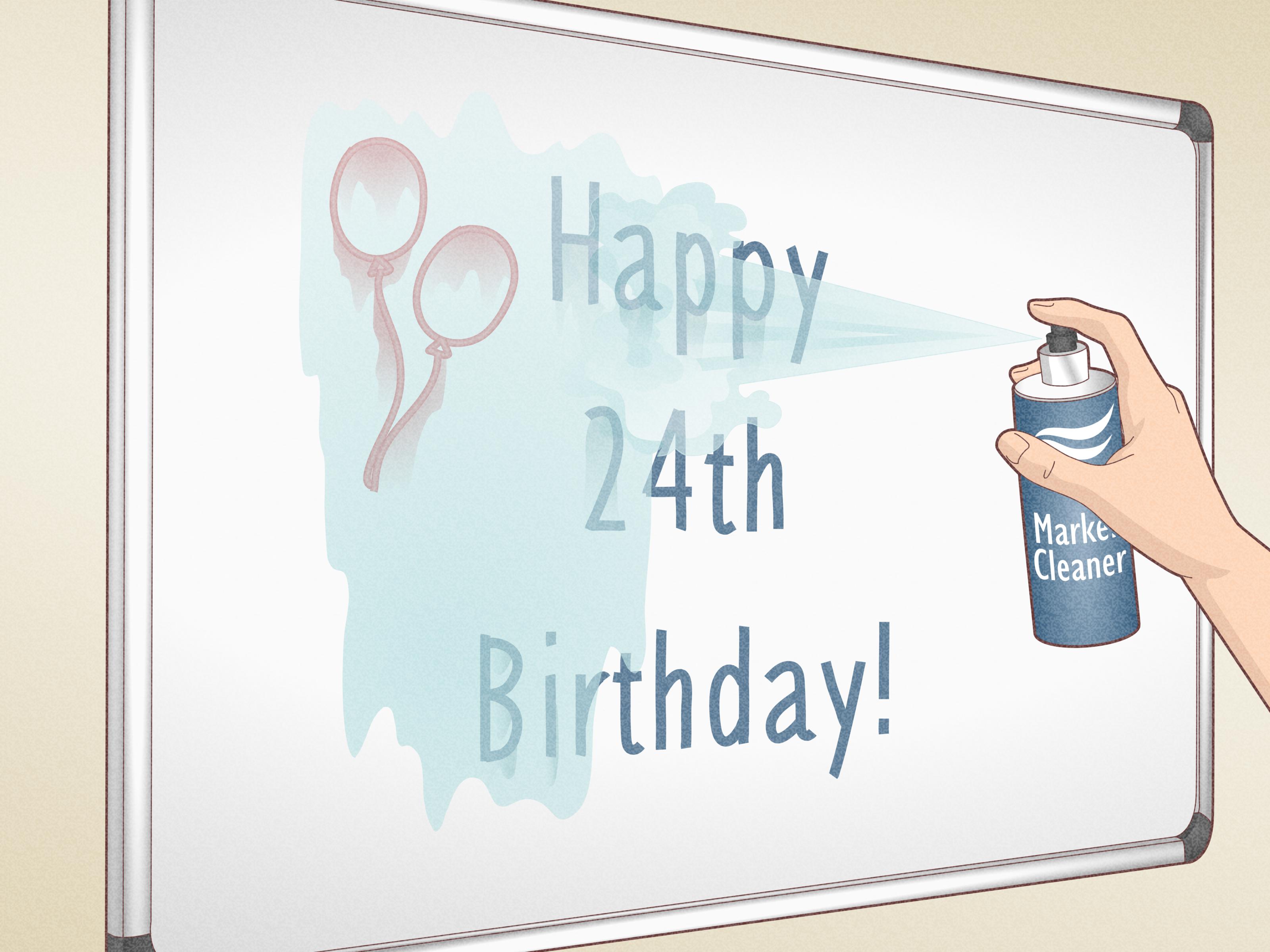
You walk into the classroom, conference room, or home office, glance at the whiteboard, and suddenly notice the problem: someone grabbed a permanent marker instead of a dry-erase marker. Perhaps that someone was a distracted coworker. Perhaps it was a child exploring a bold new artistic movement. Perhaps it was you, and the cap clearly said “permanent,” but details were apparently taking the afternoon off.
Fortunately, permanent marker on a whiteboard is rarely as permanent as it sounds. Because most whiteboards have smooth, nonporous surfaces, the ink usually sits on top rather than soaking deeply into the board. The safest solution is often surprisingly simple: cover the permanent ink with fresh dry-erase ink and wipe both away.
This guide explains how to remove permanent marker from a whiteboard using methods that are effective, inexpensive, and unlikely to turn a small ink accident into a large surface-replacement project.
The Fastest Method: Use a Dry-Erase Marker
Before reaching for cleaning chemicals, find a fresh dry-erase marker. A black marker typically provides the best coverage, although any dark, working dry-erase marker can do the job.
What You Need
- A fresh dry-erase marker
- A clean whiteboard eraser or microfiber cloth
- Whiteboard cleaner or rubbing alcohol for any remaining shadow
Step-by-Step Instructions
- Check that the permanent ink is dry. Trying to clean wet ink can spread it across the board and create a larger stain.
- Draw directly over the permanent marker. Completely cover every line with fresh dry-erase ink.
- Work in small sections. If the stain is large, clean one area at a time so the new ink does not sit too long.
- Wait a few seconds. Give the solvent in the dry-erase marker time to loosen the permanent ink.
- Wipe the area immediately. Use a clean eraser or microfiber cloth, applying light, even pressure.
- Repeat if necessary. Older or darker marks may need two or three passes.
- Finish with whiteboard cleaner. Remove any haze or colored residue with a cleaner approved for your board.
This method works because dry-erase ink contains solvents that can soften and lift permanent marker ink from a nonporous surface. The fresh ink mixes with the old ink, allowing both to be wiped away. EXPO and Quartet specifically recommend this technique for accidental permanent-marker marks on dry-erase boards.
How to Use Rubbing Alcohol on Stubborn Marker
If the dry-erase marker method leaves a gray, blue, red, or black shadow, rubbing alcohol is usually the best second step. Isopropyl alcohol helps dissolve marker ink without requiring aggressive scrubbing.
Recommended Supplies
- 70 percent isopropyl alcohol
- A clean microfiber cloth
- A second cloth dampened with water
- A dry towel
Cleaning Procedure
- Open a window or provide reasonable ventilation.
- Apply a small amount of rubbing alcohol to the cloth rather than pouring it directly onto the board.
- Test the alcohol in an inconspicuous corner.
- Gently wipe the permanent-marker stain using short strokes.
- Rotate the cloth as it picks up ink so you do not spread the stain.
- Repeat with a clean section of cloth until the mark disappears.
- Wipe the area with a barely damp cloth to remove residue.
- Dry the surface completely before writing on it again.
Rubbing alcohol is widely recommended for permanent ink on smooth surfaces, including whiteboards. Sharpie notes that removal results depend on the ink, surface, color, and time elapsed, so no solvent can guarantee perfect restoration in every case.
Keep rubbing alcohol away from flames, sparks, hot equipment, and children. More product is not necessarily better. A damp cloth is generally more controlled than giving the board an enthusiastic solvent shower.
Other Methods That May Remove Permanent Marker
The dry-erase marker trick and rubbing alcohol should handle most accidents. If a stain remains, several alternatives may help, but they should be used carefully and only after a spot test.
Commercial Whiteboard Cleaner
A cleaner made specifically for dry-erase boards is the safest next choice, especially for frequently used melamine boards. Follow the product instructions, use a soft cloth, and avoid allowing cleaner to collect around frames, seams, or mounting hardware.
Some whiteboard cleaners also function as conditioners, helping reduce ghosting and restore a smoother writing surface. Quartet recommends erasing loose ink first, applying cleaner afterward, and wiping with a soft cloth.
Alcohol-Based Hand Sanitizer
Hand sanitizer may work when rubbing alcohol is unavailable because many formulas contain a substantial amount of alcohol. Place a small drop on a microfiber cloth, gently wipe the stain, and then clean the board with a damp cloth.
Use sanitizer as a backup rather than a first choice. Fragrances, moisturizers, dyes, and thickening ingredients can leave a film that makes future dry-erase writing harder to erase.
White Vinegar
Plain white vinegar can help remove light marker residue and general grime, although it may be less effective than alcohol on a heavy permanent-marker stain. Apply a small amount to a microfiber cloth, wipe gently, and dry the board afterward.
Do not combine vinegar with bleach or other household chemicals. Mixing random cleaners is not creative chemistry; it is an avoidable safety hazard.
Melamine Foam Eraser
A damp melamine foam eraser, commonly sold as a “magic” cleaning sponge, may lift stubborn marker residue. However, melamine foam cleans through mild abrasion. Aggressive rubbing can dull a whiteboard’s glossy finish, particularly on inexpensive or older melamine surfaces.
Test it in a corner, use very light pressure, and stop as soon as the stain lifts. Treat this method as a last resort rather than your opening performance.
Acetone or Nail Polish Remover
Acetone is a powerful solvent and can remove permanent ink, but it can also damage coatings, plastic trim, painted frames, adhesive films, and some melamine boards. It should not be the default whiteboard cleaner.
Consider acetone only for a confirmed glass or durable porcelain surface, after checking the manufacturer’s instructions and testing a hidden area. Use a tiny amount on a cloth, provide ventilation, keep it away from heat or flames, and immediately wipe away the residue.
Identify Your Whiteboard Surface Before Cleaning
Not every whiteboard has the same construction. A method that is harmless on glass may shorten the life of a lower-cost coated board.
Melamine Whiteboards
Melamine boards are affordable and common in homes, schools, and small offices. Their coating can become porous as it wears, making them more likely to develop ghosting and stains.
Use the mildest methods first: fresh dry-erase ink, manufacturer-approved cleaner, and limited rubbing alcohol. Avoid repeated scrubbing with abrasive sponges.
Porcelain or Enamel Whiteboards
Porcelain whiteboards are harder, less porous, and more resistant to staining. They usually tolerate regular cleaning better than melamine boards. Even so, harsh chemicals can affect frames, seals, printed grids, or attached components.
Glass Whiteboards
Glass boards generally offer excellent stain resistance. Rubbing alcohol and glass-compatible cleaners are often effective, but you should still avoid abrasive tools that could scratch coatings, printed designs, or frosted finishes.
Adhesive Whiteboard Film
Peel-and-stick whiteboard sheets vary considerably. Some specialty products are designed to release permanent ink with water, while others have delicate coatings that solvents can damage. Check the product instructions before using alcohol, acetone, or abrasive cleaners.
Industry cleaning guidance repeatedly emphasizes matching the method to the board material and using soft cloths instead of aggressive tools.
What Not to Use on a Whiteboard
Permanent ink can inspire desperate ideas. Resist the temptation to attack the board with whichever bottle looks most powerful under the sink.
Abrasive Powders and Scouring Pads
Powdered cleaners, steel wool, rough scrubbers, and abrasive pads may remove the stain by removing part of the board’s finish along with it. The surface can become dull, scratched, and increasingly difficult to erase.
Large Amounts of Water
A whiteboard surface may resist water, but its frame, backing, edges, and mounting materials may not. Excess liquid can seep into seams, cause swelling, loosen adhesive, or create corrosion.
Bleach
Bleach is unnecessarily harsh for most permanent-marker accidents. It may discolor surrounding materials, damage coatings, create strong fumes, and become dangerous when mixed with other cleaners.
Automotive Lubricants and Oily Products
Oily sprays may loosen ink, but they often leave a residue that attracts dirt and prevents dry-erase ink from behaving properly. Removing that oily film can become a second cleaning project.
Repeated Heavy Scrubbing
If a method is not working after several gentle attempts, increased pressure is unlikely to transform it into the correct method. Switch cleaners, check the board material, or contact the manufacturer instead of polishing a crater into the surface.
How to Remove Old Permanent-Marker Stains
Fresh marks are generally easier to remove, but older stains are not automatically hopeless. Ink that has remained on a worn melamine board for months may settle into microscopic imperfections, leaving a faint shadow even after cleaning.
- Cover the mark thoroughly with fresh dry-erase ink.
- Wait five to ten seconds and wipe it away.
- Repeat the process two or three times.
- Apply rubbing alcohol with a microfiber cloth.
- Follow with an approved whiteboard cleaner.
- Allow the board to dry and inspect it from several angles.
If a faint stain remains, leave the board alone for a few minutes before trying another method. Constantly layering wet products can make it difficult to tell whether you are removing ink or merely moving dissolved pigment around.
A permanent shadow on an older melamine board may indicate coating wear rather than remaining surface ink. At that point, resurfacing or replacing the board may be more practical than escalating to stronger solvents.
How to Prevent Future Permanent-Marker Accidents
Separate the Markers
Store permanent markers in a drawer or container away from the whiteboard. Keep dry-erase markers directly on the marker tray. This simple change prevents the classic “wrong marker, right confidence” incident.
Label Marker Holders Clearly
In a classroom or shared office, label containers “DRY ERASE ONLY.” Large lettering helps people who are rushing, distracted, or apparently participating in a contest to ignore small print.
Erase the Board Regularly
Remove dry-erase writing after each session whenever possible. Ink left on the surface for weeks can produce ghosting, especially on porous or worn boards.
Use Clean Erasers and Cloths
An eraser loaded with old pigment redistributes residue instead of removing it. Clean or replace erasers regularly and wash microfiber cloths without fabric softener, which can leave a coating behind.
Perform Periodic Deep Cleaning
For a heavily used board, perform a manufacturer-approved deep cleaning every week or two. Lighter-use boards may need it only monthly. Regular maintenance helps preserve erasability and prevents small ink shadows from becoming permanent office décor.
Common Questions About Removing Permanent Marker
Does the Dry-Erase Marker Trick Really Work?
Yes, it works on many smooth, nonporous whiteboards. Cover the permanent ink completely with fresh dry-erase ink and wipe it away while the new ink is still easy to remove.
Can I Use 70 Percent Rubbing Alcohol?
Yes. Seventy percent isopropyl alcohol is commonly used for this job. Apply it to a cloth, not directly to the board, and test a small corner first.
Will Hand Sanitizer Damage a Whiteboard?
Plain alcohol-based sanitizer may remove the stain, but additives can leave residue. Use only a small amount and clean the board afterward with a damp microfiber cloth.
Can I Use Window Cleaner?
Some whiteboards tolerate window cleaner, while others may develop residue or coating problems. A dedicated whiteboard cleaner is the safer choice unless the board manufacturer specifically permits glass cleaner.
Why Is There Still a Shadow After Cleaning?
The remaining mark may be ghosting, embedded pigment, cleaner residue, or damage to an aging surface. Try an approved cleaner and a fresh microfiber cloth. If the shadow persists, the coating may be worn.
Can Permanent Marker Ruin a Whiteboard?
It can permanently stain a heavily worn or porous surface, but most accidental marks on good-quality nonporous boards can be removed. Acting quickly improves the odds.
Experiences and Lessons from Real-World Whiteboard Rescues
The following representative scenarios reflect common experiences in classrooms, offices, and home workspaces. They demonstrate why the order of cleaning methods matters just as much as the products themselves.
The Classroom Calendar Incident
A teacher prepared an entire monthly calendar before noticing that the marker in her hand was permanent. Every date box, assignment, and cheerful reminder was now written in ink designed to survive far more than Tuesday’s spelling test.
The first instinct was to use a wet paper towel. That did almost nothing except smear a small amount of pigment around the edges. The successful approach was to work one calendar square at a time. Each permanent line was covered with a fresh black dry-erase marker and immediately wiped with a microfiber cloth.
Most of the writing disappeared on the first pass. Red permanent ink left a faint pink haze, so the teacher used a cloth lightly dampened with rubbing alcohol. The board was then wiped with water and dried. The lesson was simple: large stains are easier to control when divided into small sections, and a clean cloth matters because a saturated eraser can redeposit ink.
The Conference-Room Signature
During a client presentation, a manager wrote a project deadline in permanent marker across a porcelain whiteboard. No one mentioned it at the time, possibly because telling the person leading the meeting that the word “LAUNCH” might remain there until the building was demolished felt socially ambitious.
Afterward, a staff member tried the dry-erase method. The lettering lifted, but a dark shadow remained where the marker had been pressed firmly against the surface. A small amount of 70 percent isopropyl alcohol removed the remaining pigment without aggressive scrubbing.
The team later reorganized its supplies. Permanent markers were moved to a cabinet, while dry-erase markers stayed on the board tray. That organizational change prevented more accidents than any cleaner could. Sometimes the best stain-removal method is making sure the stain never receives a sequel.
The Home-Office Board That Would Not Come Clean
A homeowner discovered old permanent-marker labels beneath a layer of newer dry-erase notes on an inexpensive melamine board. The permanent lines may have been there for months. Repeated dry-erase passes removed most of the writing, but pale shadows remained.
Rubbing alcohol improved the appearance, yet the board still looked uneven under side lighting. A melamine foam sponge was tested in a corner and used very lightly on one mark. Although it reduced the stain, it also made that area slightly duller. The cleaning stopped immediately.
The important realization was that the visible shadow was partly caused by wear in the coating. More scrubbing would not restore the finish; it would only make the damaged area larger. The homeowner continued using the board for temporary notes and eventually replaced it with a porcelain model.
The Child Artist and the Glass Whiteboard
In another common household scenario, a child used a black permanent marker to add a family portrait to a glass whiteboard. The drawing featured four people, a dog, an unidentified flying triangle, and enough ink to suggest serious artistic commitment.
Because the surface was glass, the parent first used fresh dry-erase ink. Nearly all the artwork wiped away. The final outlines came off with a small amount of rubbing alcohol. The parent avoided spraying liquid directly on the board because cleaner could have run behind the frame.
The board returned to normal, the child received washable markers, and the flying triangle was never conclusively identified.
What These Experiences Teach
Across these situations, the most reliable pattern is consistent: begin gently, work in small sections, use clean materials, and stop when a method begins affecting the finish. A faint stain is frustrating, but a permanently dulled or scratched whiteboard is usually worse.
Surface age also matters. New porcelain and glass boards tend to release ink easily, while worn melamine boards may retain shadows. When repeated cleaning fails, the issue may no longer be removable ink; it may be deterioration of the writing surface itself.
Conclusion
The safest way to remove permanent marker from a whiteboard is to cover it with a fresh dry-erase marker and wipe the area clean. If a shadow remains, use a small amount of rubbing alcohol or a manufacturer-approved whiteboard cleaner on a microfiber cloth.
Always identify the board material before escalating to acetone, melamine foam, or other aggressive options. Gentle cleaning protects the glossy surface that makes a whiteboard erasable in the first place. Once the stain is gone, separate permanent markers from dry-erase supplies so the same accident does not return for an encore.
Note: Cleaning results vary by marker formula, board material, surface age, and how long the ink has remained in place. Test every product in a hidden corner and follow the whiteboard manufacturer’s care instructions. This article synthesizes practical guidance from EXPO, Quartet, Sharpie, HON, 3M/Post-it, Bob Vila, Better Homes & Gardens, The Spruce, Teach Starter, Clarus, DryErase.com, and Think Board.














