
Note: This article is for educational purposes only and does not replace medical advice. Passionflower may interact with medications, sedatives, alcohol, anesthesia, and some health conditions. Anyone who is pregnant, breastfeeding, preparing for surgery, taking medication, or managing a medical condition should speak with a qualified healthcare provider before using passionflower.
Introduction: A Flower That Looks Dramatic but Acts Mellow
Passionflower sounds like it should be starring in a soap opera, wearing velvet and whispering secrets under a chandelier. In reality, passionflower, especially Passiflora incarnata, has earned attention for a much quieter reason: its potential calming effects. Traditionally used as a gentle herbal remedy, passionflower is now commonly found in teas, capsules, tinctures, and sleep-support blends marketed for stress, restlessness, and occasional sleeplessness.
The appeal is easy to understand. Modern life has the subtle relaxation style of a raccoon trapped in a kitchen cabinet. Notifications buzz, deadlines multiply, and even “quick errands” somehow require three apps and emotional resilience. Against that backdrop, people are naturally curious about herbs that may support a calmer nervous system without feeling like a full mental shutdown.
But passionflower deserves a balanced discussion. It is not magic, it is not a replacement for professional care, and it is not something to toss into every evening routine like confetti. The research suggests possible benefits for anxiety, stress, and sleep quality, but the evidence is still developing. In other words, passionflower is promisingnot a guaranteed one-way ticket to Zen Island.
What Is Passionflower?
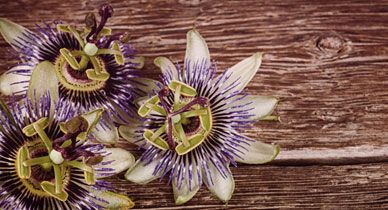
Passionflower is a climbing vine known for its striking, almost alien-looking flowers. The species most often discussed for calming effects is Passiflora incarnata, sometimes called maypop. It grows in parts of the Americas and has a long history of traditional use as a mild calming herb.
Today, passionflower appears in many wellness products labeled for stress relief, anxiety support, and better sleep. The above-ground parts of the plant are typically used in herbal preparations. Depending on the product, passionflower may be sold alone or blended with other relaxing herbs such as valerian, lemon balm, chamomile, or lavender.
That blend factor matters. When passionflower is mixed with other herbs, it becomes harder to know which ingredient is doing what. It is a little like trying to identify who brought the potato salad to a family picnic when six aunts are standing next to the same table looking suspiciously proud.
How Passionflower May Support Calm
Researchers are still studying exactly how passionflower works. One of the most discussed theories involves GABA, short for gamma-aminobutyric acid. GABA is a calming neurotransmitter that helps quiet nervous system activity. Think of it as the brain’s “please lower the volume” button.
Some laboratory and animal studies suggest that compounds in passionflower may influence GABA-related pathways. This could help explain why passionflower has been traditionally used for relaxation, nervous tension, and sleep support. However, results from lab research do not always translate neatly into everyday human use. The human body is not a spreadsheet, and it refuses to behave like one.
Key Plant Compounds
Passionflower contains several types of naturally occurring compounds, including flavonoids and alkaloids. These compounds may contribute to its effects, although scientists have not fully mapped out which compounds matter most, how they interact, or whether different extraction methods change the outcome.
This is why product quality and preparation style matter. A cup of passionflower tea, a standardized extract, and a multi-herb sleep capsule may not behave the same way. They may contain different amounts of active compounds, and supplement quality can vary widely.
Passionflower for Anxiety: What the Evidence Suggests
The most popular reason people search for passionflower is anxiety. Some small clinical trials suggest passionflower may help reduce symptoms of anxiety, including temporary anxiety before medical or dental procedures. One older randomized study compared passionflower extract with oxazepam, a prescription anti-anxiety medication, in people with generalized anxiety disorder. The findings were interesting, but the study was small, so it should not be treated as final proof.
Other studies have explored passionflower before surgery or dental procedures, where short-term anxiety can spike. Some results suggest it may help people feel calmer before procedures. That said, this is exactly the situation where medical guidance is essential, because passionflower may interact with anesthesia or sedating medications.
So, does passionflower “work” for anxiety? The most accurate answer is: it may help some people with mild or occasional nervous tension, but the science is not strong enough to call it a stand-alone treatment for anxiety disorders. Anxiety that affects school, work, relationships, sleep, appetite, or daily functioning deserves professional supportnot just a mug of herbal tea and a hopeful stare.
Passionflower for Sleep: Gentle Support, Not a Knockout Button
Passionflower is also widely used as a natural sleep aid. Some research suggests it may improve sleep quality, especially when restlessness or racing thoughts are part of the problem. A small study on passionflower herbal tea found improvements in subjective sleep quality over a short period. Another study using objective sleep measurements reported positive effects on sleep parameters in adults with insomnia.
Still, passionflower should not be framed as a miracle cure for insomnia. Sleep is affected by stress, light exposure, caffeine, screen habits, room temperature, mental health, medications, hormones, chronic pain, and whether someone decided to watch “just one more episode” at 11:47 p.m. Passionflower may support relaxation, but sleep hygiene still matters.
Where Passionflower May Fit in a Sleep Routine
For occasional sleeplessness, passionflower may fit best as part of a calming evening routine. That routine could include dimming lights, reducing screens, reading something pleasantly boring, stretching gently, or sipping a warm non-caffeinated beverage. The goal is not to force sleep. The goal is to give the nervous system fewer reasons to act like it is hosting a midnight press conference.
Because passionflower can cause drowsiness, people should avoid driving, operating equipment, or doing anything that requires sharp focus after using it. It should also not be combined casually with alcohol, sedatives, sleeping pills, anti-anxiety medicines, or other calming supplements unless a healthcare professional says it is safe.
The Calming Effects of Passionflower on Everyday Stress
Everyday stress is not always dramatic. Sometimes it looks like clenched shoulders, a tight jaw, shallow breathing, or rereading the same paragraph five times because the brain has wandered into tomorrow’s problems. Passionflower is often discussed as a herb that may help take the edge off this type of tension.
Its calming reputation is one reason it appears in wellness products for relaxation. Many people describe passionflower as gentle rather than overpowering. Instead of feeling like a switch flipping off, it may feel more like turning down the brightness on a screen. That subtlety can be appealing for people who want support without feeling groggy. However, responses vary, and some people do experience sleepiness, dizziness, or mental fog.
Passionflower Is Not Emotional Bubble Wrap
One common mistake with calming herbs is expecting them to erase stress while life stays chaotic. Passionflower may support relaxation, but it cannot answer emails, set boundaries, repair sleep schedules, or explain to your calendar that humans require breathing room. Herbal support works best when paired with practical habits: regular sleep, movement, hydration, nutritious meals, time outdoors, and fewer doom-scroll marathons.
Potential Benefits of Passionflower
Based on traditional use and early research, passionflower may offer several possible benefits. These include support for occasional anxiety, relaxation, stress management, and sleep quality. Some people also use it during periods of nervous restlessness, though this should be done thoughtfully and safely.
The strongest public interest centers on three areas:
1. Relaxation Support
Passionflower may help promote a calmer state, likely through nervous system pathways related to relaxation. This makes it popular among people seeking a gentle herbal approach to winding down.
2. Occasional Anxiety Relief
Small studies suggest passionflower may reduce anxiety symptoms in certain short-term situations. It may be most relevant for mild, temporary anxiety rather than severe or ongoing anxiety disorders.
3. Sleep Quality
Some studies suggest passionflower may help improve sleep quality, particularly when stress or mental overactivity interferes with rest. It is not a substitute for diagnosing or treating chronic insomnia.
Safety, Side Effects, and Who Should Be Careful
Natural does not always mean risk-free. Lightning is natural. Poison ivy is natural. So is the urge to check your phone right after deciding to sleep. Passionflower is generally considered likely safe for many adults when used short term as directed, but it can still cause side effects.
Reported side effects may include drowsiness, dizziness, confusion, slowed thinking, or coordination problems. These effects are especially important for people who drive, study, work with machinery, play sports, or need to stay alert.
Possible Interactions
Passionflower may increase the effects of sedatives, sleeping pills, anti-anxiety medications, alcohol, and other herbs or supplements with calming properties. It may also be a concern before surgery because of possible interactions with anesthesia. Anyone scheduled for a medical or dental procedure should tell their healthcare provider about all supplements they use.
Pregnancy and Breastfeeding
People who are pregnant or breastfeeding are generally advised to avoid passionflower unless a qualified healthcare provider specifically recommends otherwise. Safety data is limited, and caution is the smarter path.
Long-Term Use
One of the biggest gaps in passionflower research is long-term safety. Short-term use has been studied more than ongoing daily use. If someone feels they need a calming supplement every day to function, that is a sign to speak with a healthcare professional and look for the root cause.
How to Choose Passionflower Products Wisely
Passionflower products come in many forms, including teas, capsules, tablets, liquid extracts, and combination formulas. Because dietary supplements are not regulated in the same way as prescription medications, quality can vary. A product may contain more or less of an ingredient than expected, and some blends include multiple sedating herbs.
When choosing a passionflower supplement, shoppers should look for clear labeling, reputable brands, third-party testing when available, and simple ingredient lists. Products that promise instant calm, guaranteed sleep, or total anxiety relief should be treated with skepticism. If the label sounds like it was written by a wizard with a marketing degree, pause before buying.
Single-Herb vs. Blended Products
A single-herb passionflower product makes it easier to understand how the body responds. Blends may be useful, but they also increase the chance of drowsiness or interactions, especially if they include valerian, kava, melatonin, or other sedating ingredients.
Passionflower Compared With Other Calming Herbs
Passionflower is often mentioned alongside chamomile, lavender, lemon balm, and valerian. Each has a different personality. Chamomile is the cozy sweater. Lavender is the spa playlist. Lemon balm is the cheerful garden friend. Valerian is the heavy blanket that may be a little too heavy for some people. Passionflower sits somewhere in the middle: calming, traditional, and often described as gentle.
However, combining herbs is not automatically better. More calming ingredients can mean more drowsiness, more side effects, and more uncertainty. People taking medication or managing health conditions should be especially careful with combinations.
Practical Examples: When Passionflower Might Be Considered
Passionflower may be considered by adults who occasionally feel wired at night, experience mild situational stress, or want a relaxing herbal tea as part of an evening ritual. For example, someone who has trouble winding down after a stressful workday might explore passionflower tea while also reducing caffeine, setting a consistent bedtime, and turning off screens earlier.
Another example might be a person who feels nervous before travel or public speaking. Passionflower has been studied in some short-term anxiety situations, but anyone considering it before medical procedures, driving, flying, or taking other medications should get professional advice first.
Passionflower is not appropriate as a replacement for therapy, prescribed medication, emergency care, or treatment for panic attacks, major depression, severe insomnia, or trauma-related symptoms. Herbal support can be one small tool, not the entire toolbox.
Common Myths About Passionflower
Myth 1: If It Is Herbal, It Cannot Interact With Medication
False. Herbs can interact with medications, and passionflower may increase sedative effects. Always disclose supplement use to healthcare providers.
Myth 2: Passionflower Works the Same for Everyone
Also false. Body chemistry, product quality, dose, timing, sleep habits, medication use, and stress levels can all affect the experience.
Myth 3: More Is Better
Definitely false. With calming herbs, more can mean more drowsiness, dizziness, or unwanted side effects. Responsible use matters.
Experience-Based Reflections: What Passionflower Feels Like in Real Life
People often describe passionflower in everyday language rather than scientific terms. They may say it helps them “unclench,” “settle down,” or “stop buzzing.” These descriptions are not clinical proof, but they help explain why passionflower remains popular. Its reputation is less about dramatic sedation and more about creating a softer landing after a tense day.
Imagine the end of a long Tuesday. The inbox has reproduced like mushrooms after rain. Dinner happened, but only because cereal counts if you believe in yourself. Your brain is replaying three conversations, two deadlines, and one embarrassing thing you said in 2017. This is the kind of evening when people often reach for calming rituals: a warm drink, low lighting, quiet music, a shower, a book, or a few minutes of breathing exercises.
In that setting, passionflower may become part of the ritual. The warmth of tea, the pause required to prepare it, and the expectation of winding down can all contribute to relaxation. This is important: the herb may help, but the ritual around it may also matter. A calming routine tells the body, “The emergency department of the mind is now closing.”
Some users report that passionflower feels subtle. They do not feel knocked out or detached. Instead, they notice fewer restless thoughts or an easier transition into sleep. Others may feel noticeably sleepy or even groggy, especially when using stronger extracts or combining passionflower with other calming ingredients. That difference is why starting cautiously and paying attention to personal response is important.
A common positive experience is using passionflower as a bridge between activity and rest. For example, after studying, working, parenting, training, or dealing with a packed schedule, the nervous system may not shift instantly into relaxation mode. Passionflower may support that shift when paired with behaviors that reduce stimulation. In other words, drinking passionflower tea while scrolling heated comment sections is like wearing pajamas to a fireworks show. The outfit is trying, but the environment is not helping.
Another experience people mention is emotional spaciousness. Not numbness, not euphoria, not “everything is solved,” but a little more room between a stressful thought and the reaction to it. That can be valuable. Many calming practices aim for the same thing: breathing exercises, meditation, journaling, walking, stretching, and prayer or reflection. Passionflower may be one companion to these practices, not a replacement for them.
There are also less ideal experiences. Some people feel no noticeable effect. Others feel too drowsy, lightheaded, or foggy. A few may dislike the taste of passionflower tea, which can be earthy or grassy depending on the blend. And for people with ongoing anxiety or serious sleep problems, passionflower may feel far too mild. That does not mean the person failed. It means the problem may need a different level of support.
The most realistic way to think about passionflower is as a gentle option within a broader calm-building lifestyle. It belongs beside sleep hygiene, stress management, supportive relationships, movement, balanced meals, and professional care when needed. It is not a personality transplant in plant form. It will not turn a chaotic schedule into a peaceful retreat. But for some people, it may help make the evening feel less like a wrestling match with the brain.
The best experiences with passionflower tend to happen when expectations are realistic. People who approach it as a supportive herb, not a miracle cure, are more likely to notice its actual value. Used thoughtfully, passionflower can be part of a calming routine that feels intentional, comforting, and grounded.
Conclusion: A Gentle Herb With Promise and Practical Limits
The calming effects of passionflower are supported by traditional use and a growing but still limited body of research. Studies suggest it may help with occasional anxiety, nervous tension, and sleep quality, possibly through effects related to GABA and nervous system relaxation. That makes passionflower an interesting option for people looking for gentle herbal support.
Still, passionflower is not a cure-all. It can cause drowsiness, dizziness, and interactions with medications, alcohol, anesthesia, and other sedating supplements. Long-term safety is not fully established, and people who are pregnant, breastfeeding, taking medications, or preparing for surgery should avoid casual use without medical guidance.
At its best, passionflower is not the hero of the storyit is a helpful supporting character. The real calm-building cast includes healthy sleep habits, stress reduction, movement, realistic boundaries, nourishing routines, and professional care when symptoms are persistent or severe. Passionflower may help turn down the volume, but a calmer life usually requires adjusting the whole sound system.












