Spare time sounds like something you find between couch cushions, right next to a coin, a receipt, and the mystery crumb that has achieved seniority. But in real life, spare time is one of the most valuable pieces of the day. It is the part of life that is not bossed around by work emails, school deadlines, grocery lists, or that one sock that keeps escaping the laundry basket.
So, hey pandas, what do you do in your spare time? Do you read books, garden, bake, walk, draw, play games, watch movies, build tiny furniture for no tiny people, or stare dramatically out the window like you are in an indie film? The answer says more about you than you might think. Our hobbies, leisure activities, and free-time rituals are not just filler between “important” tasks. They help us recover, connect, learn, laugh, and remember that life is not supposed to be one long meeting with snacks missing.
Research from public health, psychology, labor, arts, and social science organizations consistently shows that how people spend their free time can affect mood, stress, physical health, creativity, relationships, and even sense of purpose. The trick is not to turn spare time into another productivity contest. Nobody needs a spreadsheet titled “Relaxation: Q3 Performance Metrics.” The goal is to use free time in ways that feel restorative, meaningful, and occasionally delightfully ridiculous.
Why Spare Time Matters More Than We Admit
Many people treat leisure like dessert: nice, optional, and slightly suspicious if enjoyed before finishing everything else. But spare time is closer to sleep, movement, and social connection. It helps humans reset. Without it, the brain becomes a browser with 47 tabs open, three of them playing music, and none of them labeled.
Leisure activities give the mind a break from constant decision-making. A walk, a book, a puzzle, a painting session, or a relaxed conversation can lower mental noise. It gives people a chance to shift from “doing mode” into “being mode.” That may sound like something printed on a mug at a yoga studio, but it is also practical. When people never pause, they become more irritable, less creative, and more likely to mistake a mildly inconvenient email for a personal attack from the universe.
Free time also gives identity room to breathe. Work can describe what we do, but spare time often reveals what we love. A person who spends Sunday mornings restoring old bicycles is not merely “off the clock.” They are curious, patient, mechanical, nostalgic, and possibly covered in grease. Someone who writes poetry after dinner may be building an emotional filing cabinet, only with better metaphors.
Popular Spare Time Activities: From Couch Mode to Creative Genius
Americans spend their leisure time in many ways, including watching TV, socializing, exercising, reading, playing games, enjoying music, creating art, volunteering, and spending time outdoors. Some activities are passive, some active, and some exist in the charming gray zone, such as “watching a documentary about mountain climbing while eating chips horizontally.” No judgment. We have all been there spiritually.
Reading: The Classic Spare Time Superpower
Reading remains one of the best free-time activities because it is portable, affordable, and socially acceptable to do while ignoring everyone at an airport. Whether it is a thriller, memoir, comic, fantasy novel, cookbook, or audiobook, reading creates a private room inside the mind. It can improve vocabulary, deepen empathy, reduce stress, and offer an escape without requiring sunscreen or baggage fees.
Print books are still popular, but digital books and audiobooks have become part of everyday reading habits. Audiobooks are especially useful for busy people who want stories while commuting, cooking, exercising, or folding laundry into shapes that almost resemble rectangles. Reading does not have to look like a leather chair and a fireplace. It can look like earbuds, a library app, or a paperback with coffee stains and emotional damage.
Creative Hobbies: Making Something Out of Nothing
Creative hobbies are spare time with fingerprints. Drawing, painting, sewing, crafting, journaling, photography, woodworking, cooking, music, and DIY projects give people a way to turn thoughts into objects. Even when the result is not perfect, the process matters. A lopsided mug, a wobbly cake, or a painting that looks like a horse only if the viewer is extremely kind can still bring joy.
Creative leisure activities are linked with better mental well-being because they encourage focus, self-expression, and a sense of progress. They also provide a break from consumption. Instead of only scrolling, watching, or buying, you are making. That small shift can feel surprisingly powerful. You begin with a blank page, a pile of yarn, or ingredients on a counter, and suddenly you have evidence that your spare time existed.
Another underrated benefit of creative hobbies is that they teach people to tolerate imperfection. The first scarf may look like it survived a small tornado. The first song may sound like a dishwasher developing feelings. But hobbies remind us that being bad at something is not a tragedy. It is the entrance fee.
Physical Activity: Spare Time That Pays Rent to Your Body
Not everyone wants to spend free time in a gym, and that is perfectly fine. Physical activity can be walking the dog, dancing in the kitchen, hiking, biking, stretching, gardening, swimming, playing basketball, doing yoga, or chasing a toddler who has stolen your phone and developed Olympic speed.
Regular movement supports heart health, sleep, mood, balance, strength, and brain function. Even moderate activity can make spare time more energizing rather than draining. The key is to choose movement you can actually imagine repeating. If running makes you feel like a haunted accordion, try walking. If weightlifting bores you, try climbing, dancing, or yard work. If organized sports sound intimidating, remember that “recreational” means nobody should be acting like a championship trophy is hidden behind the water cooler.
Movement works best when it feels less like punishment and more like participation in your own life. A walk with a friend can be exercise, therapy, gossip management, and neighborhood bird surveillance all at once.
Outdoor Time: Nature, the Original App
Nature has excellent features: no subscription fee, high-resolution scenery, and birds that provide free background music whether requested or not. Spending spare time outdoors can improve mood, reduce stress, and help people feel more grounded. Parks, trails, beaches, gardens, and even a quiet bench under a tree can create a mental reset.
Outdoor hobbies do not need to be extreme. You do not have to climb a cliff, wrestle a kayak, or become someone who owns seven kinds of moisture-wicking socks. You can sit outside with tea. You can photograph clouds. You can grow basil on a balcony and give it pep talks. You can walk around the block and call it “urban hiking” if that helps.
The real value of nature is that it pulls attention outward. Instead of replaying a stressful conversation for the 90th time, you notice wind, light, color, birds, dogs, leaves, and the neighbor who power-walks with the seriousness of a secret agent.
Social Spare Time: Because Humans Are Not Houseplants
Some spare time is best spent alone, especially after a week of meetings, errands, and small talk with people who say “living the dream” in a tone that suggests the dream has unpaid invoices. But social leisure matters too. Humans need connection. Game nights, coffee dates, family dinners, hobby clubs, sports leagues, volunteering, and community events can build belonging.
Social hobbies are especially helpful because they combine enjoyment with accountability. It is easier to keep showing up when someone expects you. A walking group can turn exercise into friendship. A book club can turn reading into conversation. A volunteer shift can turn good intentions into actual impact. A crafting group can turn yarn into scarves and strangers into people who know exactly how you take your tea.
That said, social spare time should not feel like another job. The best kind of social leisure leaves you feeling more human, not like you need three business days to recover. Choose people and activities that make your nervous system unclench.
Volunteering: Free Time With a Purpose
Volunteering is one of the most meaningful ways to spend spare time. It can involve mentoring, animal shelters, food banks, libraries, community gardens, park cleanups, local events, disaster response, tutoring, or helping older adults. The beauty of volunteering is that it gives time a direction. Instead of asking, “How do I kill an afternoon?” it asks, “How can this afternoon help someone?”
Purpose matters. People often feel better when their actions connect to something larger than personal entertainment. Volunteering can build skills, friendships, confidence, and perspective. It also gently reminds us that the world is full of people doing quiet, useful things without needing applause, although snacks at volunteer events are always appreciated and should be studied as a form of civic glue.
Screen Time: The Fun, the Trap, and the Algorithmic Snack Drawer
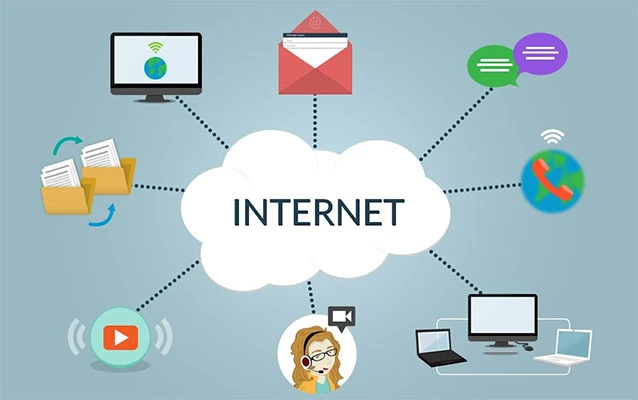
Let us be honest: a lot of spare time now goes to screens. Movies, shows, games, social media, videos, online communities, and digital hobbies can be fun and even meaningful. Gaming can build strategy and friendships. Online tutorials can teach guitar, baking, coding, gardening, and how to fix a sink without crying into a wrench. Social platforms can connect people with niche interests, from miniature painting to bird photography to rating soup.
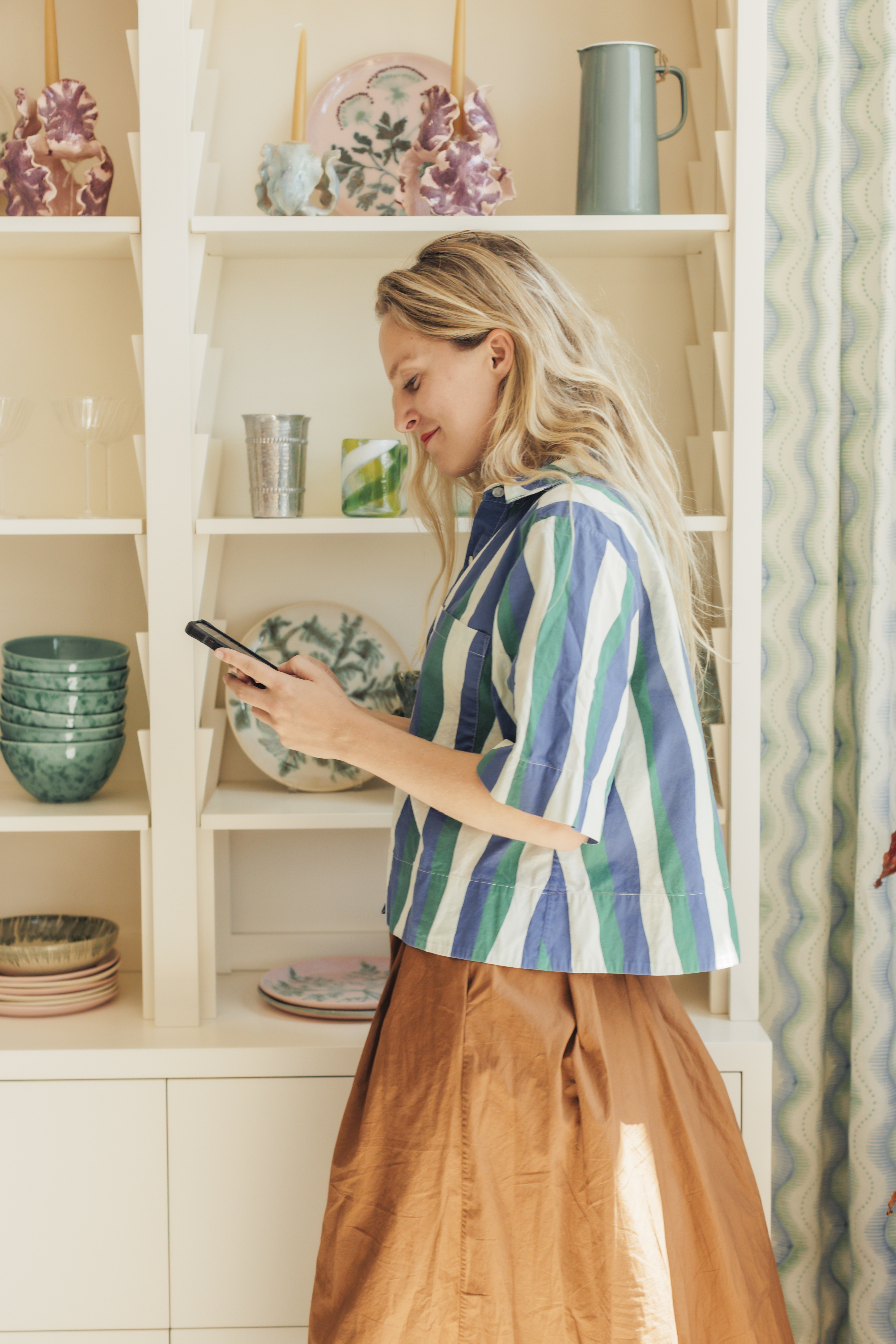
The problem is not screens themselves. The problem is unconscious screen timethe kind where you open your phone to check one message and wake up 42 minutes later knowing everything about a celebrity’s kitchen renovation. Passive scrolling can leave people oddly tired because it fills time without truly restoring attention.
A healthier approach is to make screen time intentional. Watch a movie because you want the story, not because autoplay captured your soul. Play a game because it is fun, not because daily rewards are emotionally blackmailing you. Use online communities to learn, share, and laugh, then step away before your eyeballs file a complaint.
How to Choose the Right Spare Time Activity
The best spare time activity depends on what you need. If you are mentally exhausted, choose something calming: reading, walking, stretching, music, meditation, cooking, or sitting outside. If you feel lonely, choose connection: call a friend, join a class, volunteer, attend a local event, or invite someone for coffee. If you feel stuck, choose creativity: write, draw, build, bake, photograph, garden, or learn a skill. If you feel restless, choose movement.
A simple question helps: “What kind of tired am I?” Physical tiredness may call for rest. Emotional tiredness may call for comfort. Mental tiredness may call for play. Social tiredness may call for solitude. Creative tiredness may call for inspiration. The same activity will not work every day, because humans are not vending machines. You cannot press B7 and receive “perfect relaxation” every time.
Try the Three-Bucket Method
To make spare time more balanced, divide hobbies into three buckets: restful, active, and meaningful. Restful hobbies include reading, music, movies, gentle crafts, and naps that begin with “I’ll just close my eyes for five minutes.” Active hobbies include walking, dancing, sports, hiking, yoga, and gardening. Meaningful hobbies include volunteering, learning, creative projects, faith or community activities, mentoring, and time with loved ones.
You do not need all three buckets every day. But over a week, a mix can keep free time from becoming either too lazy or too demanding. A weekend with one walk, one creative project, one social moment, and one gloriously unproductive rest period can feel more satisfying than a weekend lost entirely to random scrolling.
Spare Time Ideas for Different Personalities
If you are an introvert, spare time might mean solo reading, puzzles, journaling, gardening, painting, photography, baking, or long walks with headphones. If you are an extrovert, you may prefer team sports, classes, trivia nights, volunteering, group hikes, dinner parties, or performing arts. If you are curious, try museums, documentaries, language learning, podcasts, chess, coding, or history rabbit holes. If you are hands-on, try woodworking, pottery, cooking, home repair, sewing, or restoring old furniture.
If you are tired all the time, start tiny. Ten minutes counts. One page counts. One lap around the block counts. One drawer organized counts, although beware: organizing one drawer can lead to the dangerous belief that you are now a lifestyle influencer. Proceed carefully.
If you are bored, boredom may be a clue, not an enemy. It may be telling you that your free time needs more challenge, more novelty, more rest, or more connection. Try something you liked as a child. The childhood version of you may have had excellent taste before adult life replaced wonder with calendar notifications.
Common Mistakes People Make With Spare Time
The first mistake is waiting for a huge block of free time. Many hobbies fit into small spaces. Fifteen minutes of sketching, stretching, reading, or practicing an instrument can still matter. Spare time does not need to arrive wearing a cape and carrying a three-day weekend.
The second mistake is turning hobbies into performance. The internet can make every activity look like a brand. People do not just bake; they produce cinematic sourdough content. They do not just journal; they create color-coded spreads with handwriting that looks like it was blessed by a stationery angel. But hobbies do not need to be monetized, posted, optimized, or approved by strangers. You are allowed to be joyfully average.
The third mistake is confusing comfort with restoration. Comfort feels good in the moment; restoration feels good afterward. Sometimes binge-watching is exactly what you need. Other times, it leaves you foggy and dissatisfied. Pay attention to the aftertaste of your hobbies. Good spare time usually gives something back.
Personal Experiences: What Spare Time Really Looks Like
In real life, spare time is rarely as polished as lifestyle magazines make it seem. It is messy, funny, interrupted, and sometimes accidental. Someone decides to start gardening and ends up emotionally attached to a tomato plant named Gerald. Someone buys a guitar and spends three months mastering exactly one chord, but plays it with the confidence of a stadium musician. Someone starts walking for fitness and becomes the unofficial mayor of every dog in the neighborhood.
One of the best spare-time experiences is rediscovering an old hobby. Maybe you used to draw in school, write stories, play basketball, collect rocks, build models, or sing loudly when nobody was home. Returning to an old hobby can feel like finding a younger version of yourself waiting patiently with art supplies. You may not be as good as you remember, but the joy often returns faster than the skill.
Another common experience is realizing that rest takes practice. Many people finally get free time and immediately feel guilty. They sit down, then remember laundry. They open a book, then think about emails. They try to relax, then wonder whether relaxing should be more productive. This is why spare time needs boundaries. A hobby deserves protection, even if the hobby is simply “doing nothing with dignity.”
Spare time can also become a bridge between people. Cooking with family, playing board games with friends, joining a local class, or volunteering with neighbors can create stories that last longer than the activity itself. You may forget who won the game, but remember the laughter when someone misunderstood the rules with heroic confidence. You may forget the exact recipe, but remember flour on the counter and everyone arguing lovingly about seasoning.
There is also something powerful about private hobbies that nobody else understands. Maybe you rank pens, learn bird calls, restore old radios, collect postcards, memorize movie quotes, or make playlists for fictional road trips. These small passions add texture to life. They remind us that not everything needs to be practical. Some interests exist simply because they make the brain sparkle.
The healthiest spare time often combines freedom and rhythm. For example, Friday night may be for movies, Saturday morning for a walk, Sunday afternoon for cooking, and weeknights for reading before bed. A light routine prevents free time from disappearing into the digital swamp. But flexibility keeps it fun. If the plan becomes stressful, congratulations, you have accidentally invented a second job.
Perhaps the most important lesson is this: spare time should make you feel more like yourself. Not a better employee. Not a more impressive online persona. Not a productivity machine wearing soft pants. Yourself. The version of you that laughs, explores, rests, notices, creates, connects, and occasionally spends two hours learning about deep-sea creatures for no clear reason.
Conclusion: Spend Spare Time Like It Matters
So, hey pandas, what do you do in your spare time? The best answer is not the fanciest one. It is the one that helps you feel restored, curious, connected, and alive. Read a book. Take a walk. Call someone. Learn ukulele. Paint badly. Cook boldly. Volunteer. Garden. Dance in your kitchen. Watch a great movie on purpose. Sit outside and let your thoughts stop running laps.
Spare time is not wasted time. It is where personality stretches out. It is where stress loosens its grip. It is where hobbies become habits, strangers become friends, and ordinary afternoons become stories. Use it well, but do not overmanage it. Leisure is not a test. There will be no final exam, unless you join a trivia night, in which case please remember that the capital of Vermont is Montpelier.
Note: This article is written as original web-ready content and synthesizes widely available information from reputable U.S. sources on time use, physical activity, mental health, arts participation, reading habits, volunteering, and outdoor recreation.