
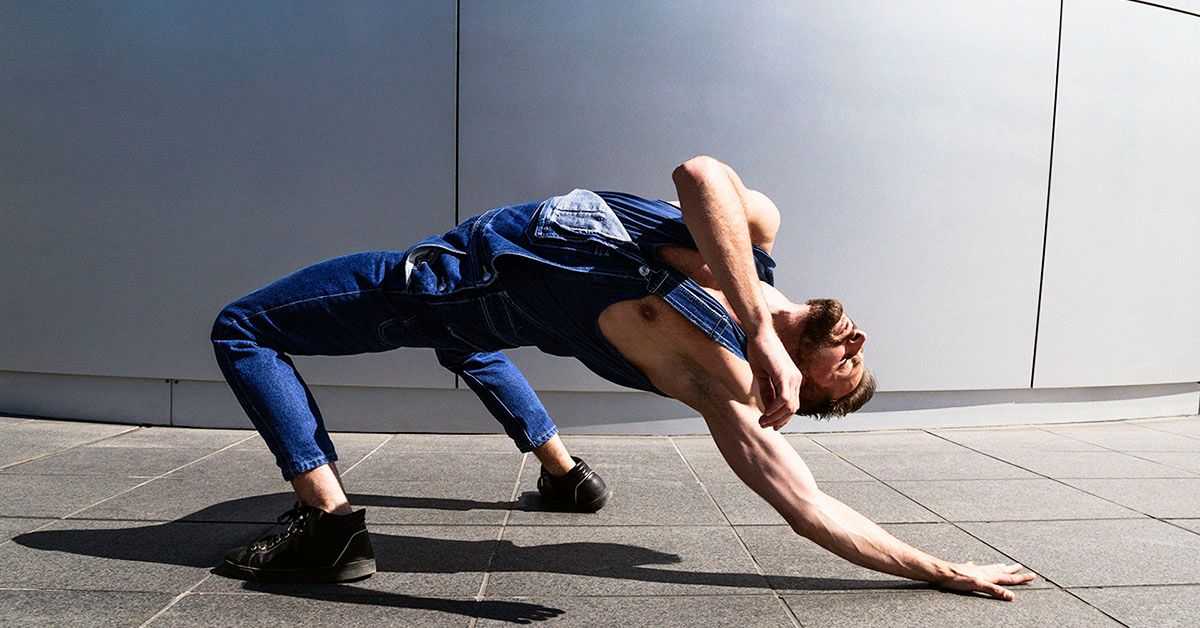
Getting older has a funny way of changing the victory conditions in life. In your 20s, success might mean running a fast mile or touching your toes without making a dramatic sound effect. In your 50s, 60s, and beyond, success often looks a little different: getting up from the floor without negotiating with your knees, reaching the top shelf without a shoulder complaint, or backing the car out of the driveway without turning your whole torso like a forklift.
That is where flexibility enters the conversation. It does not get the same attention as cardio, strength training, protein shakes, or whatever wearable device is currently judging your sleep. But flexibility matters. It helps your joints move through their range of motion, supports posture, reduces stiffness, and makes daily movement easier. And now, emerging research suggests it may be linked to something even bigger: longevity.
That does not mean a few hamstring stretches will unlock immortality. It does mean that flexibility may be an important marker of how well the body is aging. More importantly, improving flexibility can help people stay active, independent, and physically capable. And those things are strongly connected with better health over time.
So let’s stretch the truth only a little: flexibility is not magic, but it may be one of the most overlooked tools for aging well.
Why flexibility matters more as we age
Flexibility is the ability of a joint and the surrounding muscles, tendons, and connective tissue to move through a healthy range of motion. In practical terms, it is what helps you bend, rotate, reach, squat, twist, and walk without feeling like your body was assembled from leftover plywood.
As we age, flexibility tends to decline. Muscles can become tighter, tendons less elastic, and joints stiffer. Long hours sitting, old injuries, inactivity, chronic stress, and certain health conditions can make the problem worse. Over time, everyday actions start demanding more effort. Tying shoes becomes a project. Looking over your shoulder becomes a whole-body event. Getting in and out of a car starts to feel like a low-budget stunt sequence.
That loss of motion is not just annoying. It can affect mobility, balance, posture, and the ability to perform daily tasks safely. When movement becomes harder, people often move less. When people move less, they lose more strength, coordination, and confidence. That creates a frustrating cycle: stiffness leads to inactivity, inactivity leads to more stiffness, and suddenly the body is acting like it unsubscribed from cooperation.
Improving flexibility helps interrupt that cycle. It makes movement easier and often less painful. It helps people stay physically engaged in the activities that truly drive healthy aging, including walking, strength training, balance work, chores, hobbies, and social life. In other words, flexibility is not the whole game, but it may keep you in the game long enough to benefit from everything else.
What the research says about flexibility and longevity
The headline that flexibility may help people live longer comes from research that has drawn serious attention in the healthy aging world. A long-term study found that adults with greater joint flexibility had a lower risk of premature death than those with poorer flexibility. The finding was especially intriguing because flexibility is not usually treated as a headline fitness metric. Most conversations about longevity focus on aerobic capacity, muscle strength, blood pressure, sleep, and metabolic health. Flexibility usually gets stuck in the “nice extra” category.
But this research suggests it may deserve more respect. The key word, however, is association. The study does not prove that flexibility itself directly causes a longer life. It shows that better flexibility was linked with better survival.
That distinction matters. Flexibility may be acting as a useful marker of overall health. People who are more flexible may also be more active, less sedentary, less limited by pain, and more able to perform exercise that protects the heart, brain, muscles, and bones. Flexibility may also reflect healthier connective tissue, better movement quality, and lower risk of the kinds of functional decline that often snowball with age.
So the smartest interpretation is not, “Stretch for ten minutes and live forever.” It is, “If your body moves well, that may be a sign you are aging well, and improving movement may help support the habits that protect long-term health.” That version is less dramatic, but also far more useful.
How flexibility supports healthy aging in real life
It improves daily function
One of the clearest benefits of flexibility is also the least glamorous: it helps you do normal life stuff. Reaching into a cabinet, unloading the dishwasher, stepping into the bathtub, gardening, carrying groceries, turning your head while driving, getting off the couch, and climbing stairs all require some combination of joint mobility and muscle length.
When flexibility improves, these motions usually feel smoother and less effortful. That matters because independence is one of the biggest predictors of quality of life in older adulthood. People want to keep doing things for themselves, on their own timeline, without needing help every time a sock falls under the bed.
It supports balance and fall prevention
Flexibility alone does not prevent falls. But it contributes to the movement quality that helps reduce risk. If hips, ankles, shoulders, and spine move better, the body can respond more effectively to uneven ground, quick direction changes, missed steps, and awkward stumbles. Better mobility also makes balance training and strength work easier to perform correctly.
That matters because falls are not a small issue in aging. They can lead to injuries, fear of movement, loss of confidence, and a dramatic drop in independence. Flexibility is not the only answer, but it is a helpful supporting player in the larger cast of balance, strength, coordination, and physical awareness.
It helps people stay active
This may be the biggest point of all. The strongest evidence for living longer is not about stretching by itself. It is about regular physical activity. Adults, especially older adults, benefit from a mix of aerobic exercise, muscle strengthening, and balance-focused movement. Flexibility helps people do those activities more comfortably and more consistently.
If a person can squat a little deeper, rotate a little easier, and walk with less stiffness, they are more likely to keep moving. And movement is what drives many of the proven benefits: better cardiovascular health, improved sleep, stronger bones and muscles, lower blood pressure, better mood, and reduced risk of chronic disease.
Why flexibility declines with age
Aging plays a role, but it is not the only villain. In many cases, lifestyle is the louder culprit. Long periods of sitting can shorten and tighten muscles, especially around the hips, hamstrings, chest, and upper back. Inactivity tells the body it no longer needs certain movement ranges, so it slowly starts closing the account.
Previous injuries can also change how people move. A sore knee, stiff shoulder, or sensitive lower back often causes compensation patterns, and those patterns can create new restrictions over time. Stress adds another layer. Many people carry tension in the neck, shoulders, jaw, and back, which can make the body feel rigid even before aging enters the chat.
Then there are medical issues such as osteoarthritis, low bone density, chronic pain conditions, or post-surgical limitations. These do not mean flexibility work is off-limits, but they do mean the approach should be thoughtful and sometimes supervised. The goal is not circus-level mobility. It is safe, useful, functional movement.
The best ways to improve flexibility safely
Warm up first
Stretching cold muscles is like trying to bend a frozen garden hose and hoping for the best. A short walk, light cycling, marching in place, or a few minutes of gentle movement can make stretching more effective and more comfortable. Warm muscles respond better, and the experience is far less grumpy.
Use both dynamic and static stretching
Dynamic stretching means moving a joint through a controlled range of motion, such as shoulder circles, leg swings, or hip rotations. This works well before activity because it prepares the body to move. Static stretching means holding a position for a short period, such as a calf stretch, hamstring stretch, or chest opener. This often fits best after exercise or during a dedicated flexibility session.
Both styles have value. The key is matching the tool to the moment. Before activity, think “prepare.” After activity, think “restore.”
Stretch to tension, not pain
A good stretch should feel noticeable, not punishing. Mild tension is fine. Sharp pain, joint pinching, numbness, or the urge to make eye contact with the ceiling and question all your decisions is not. Bouncing is also a bad idea for most people. Slow, steady breathing and gentle holds usually work better.
Be consistent instead of heroic
Flexibility responds beautifully to consistency. Ten minutes most days usually beats one heroic 45-minute session followed by a week of forgetting your own promises. Short routines done regularly are often enough to improve how the body feels and functions. Consistency is not flashy, but it ages incredibly well.
Combine flexibility with strength and balance training
This is the power move. Flexibility helps you access motion. Strength helps you control it. Balance helps you use it safely. A weekly routine that includes walking or other aerobic activity, resistance training at least twice a week, and balance work along with stretching is a far better formula for healthy aging than flexibility training alone.
A practical weekly routine for older adults
If you want a simple place to start, keep it boring in the best possible way:
- Most days: 20 to 30 minutes of walking or other moderate movement.
- 2 days a week: strength training for major muscle groups.
- 2 to 3 days a week: focused flexibility work for hips, calves, hamstrings, chest, shoulders, and spine.
- About 3 times a week: balance exercises such as heel-to-toe walking, standing on one foot while holding support, tai chi, or simple chair rises.
- Every day if possible: small movement snacks like reaching overhead, rotating the spine gently, or getting up from sitting more often.
You do not need a fancy gym membership, a mystical foam roller, or leggings with motivational powers. A chair, a wall, a mat, and a little patience are more than enough for many people to make progress.
Mistakes that can make flexibility worse
The first mistake is doing nothing for too long. The second is doing too much too aggressively. Both are surprisingly popular.
Many people ignore flexibility until stiffness becomes impossible to miss. Then they attack it like they are training for an emergency toe-touch Olympics. That usually ends badly. Muscles and connective tissue respond better to gradual exposure than to sudden ambition.
Another mistake is separating flexibility from the rest of health. Stretching matters, but it is not a replacement for walking, strengthening muscles, or improving balance. Nor is it a cure-all for pain. Sometimes stiffness is caused by underuse. Sometimes it is caused by arthritis, injury, or other medical issues. If pain is persistent, severe, or worsening, professional guidance makes sense.
Finally, people often forget that daily habits shape flexibility just as much as exercise sessions. Sitting for hours, never changing positions, and moving through the same limited patterns every day can quietly undo progress. The body likes variety. Give it more ways to move, and it usually says thank you by complaining less.
The bigger picture: flexibility is a longevity helper, not a solo act
If you remember one thing from this article, let it be this: flexibility probably does not extend life on its own like some magical anti-aging coupon code. But it may support the things that do matter enormously for long-term health.
It makes movement easier. It supports independence. It may reduce stiffness and pain. It can improve posture and body awareness. It helps people participate in strength work, aerobic exercise, and balance training more comfortably. And because those habits are strongly linked with healthier aging, flexibility may function as both a tool and a signal.
In other words, flexibility is not the star quarterback of longevity. It is the underrated teammate who blocks, covers, and keeps the whole play from falling apart. Not glamorous. Very useful. Often underpaid.
Experiences people often notice when flexibility starts improving
One of the most interesting things about flexibility is that people rarely notice losing it all at once. It usually disappears in tiny, almost petty ways. You stop kneeling in the garden because it feels awkward. You avoid twisting to grab something in the back seat. You take the long way around instead of ducking under a table. You quit sitting on the floor because getting back up feels like a public event. None of these moments seem dramatic on their own, but together they slowly shrink your world.
When flexibility improves, the changes often show up in everyday life before they show up in a mirror or on a fitness app. Many people say mornings feel less stiff. Their stride feels a little longer. Their shoulders stop feeling permanently parked near their ears. They can reach overhead without leaning backward like they are trying to spot an airplane. They can tie shoes, pick things up, or get dressed without that small internal monologue that starts with, “Well, this is annoying.”
Another common experience is renewed confidence. People who feel less stiff often feel less fragile. That is a big deal. Fear of pain or fear of falling can quietly make people stop doing things they enjoy. When movement becomes smoother, people tend to trust their bodies more. They walk farther. They join a class. They carry their own groceries again. They play with grandkids on the floor and, just as important, get back up with dignity intact.
Flexibility work also changes how exercise feels. Walking may become easier when calves, hips, and hamstrings move better. Strength training often feels more natural when shoulders and ankles are less restricted. Balance work becomes more practical when the body can shift weight and react without feeling locked up. For some people, the biggest win is not a dramatic stretch position at all. It is finally being able to participate in other forms of movement without discomfort stealing the spotlight.
There is also a mental side to the experience. Stretching routines, yoga, tai chi, and simple mobility sessions can create a moment of calm in the day. The breathing slows. The shoulders unclench. The body stops acting like it is in a permanent argument with gravity. That does not solve every problem, obviously, but it can make people feel more connected to their bodies instead of constantly annoyed by them.
Progress usually comes in waves, not straight lines. Some days you feel looser. Some days your hips act like they have filed a complaint. That is normal. The people who benefit most are usually not the ones who chase perfect flexibility. They are the ones who keep showing up. They take short walks, stretch after activity, stand up more often, practice balance, and build movement into ordinary life. They stop expecting overnight transformation and start aiming for durable function.
That is really the heart of the flexibility-and-aging story. Better flexibility does not just mean touching your toes. It means holding onto choices. It means being able to move through your house, your neighborhood, your hobbies, and your relationships with fewer physical barriers. And if that helps you stay active, independent, and healthier for longer, then yes, flexibility may be doing much more than making your hamstrings slightly less dramatic.
Conclusion
Aging well is not about becoming a contortionist at 70 or doing yoga poses that frighten your relatives. It is about preserving motion that makes life easier, safer, and more enjoyable. Current evidence suggests that better flexibility is linked to longer life, but the deeper truth is even more practical: improving flexibility helps people keep moving, and movement is one of the most reliable foundations of healthy aging.
So if flexibility has been the forgotten sibling of your fitness routine, now is a good time to invite it back into the family. Start small. Stay consistent. Stretch warm muscles. Pair mobility with strength, balance, and regular walking. Your future self may not send a thank-you card, but it might get off the floor without making a sound. And honestly, that is its own kind of luxury.














