Note: This article is written for general home-laundry education and is based on commonly recommended laundry-care practices from reputable home, appliance, consumer, and safety resources. Always follow your appliance manual and garment care labels first, especially for flame-resistant clothing, athletic wear, baby items, pet bedding, and delicate fabrics.
Meet the Dryer Sheet That Refuses to Retire
Traditional dryer sheets are the snack-size chips of the laundry world: convenient, fragrant, and somehow gone before you realize how many you have used. Toss one in, toss it out, buy another box, repeat until your laundry shelf looks like it has a subscription service. That is where DIY “forever” dryer sheets come in.
Despite the dramatic name, these homemade reusable dryer sheets are not technically immortal. They will not survive a volcano, a toddler with craft scissors, or the mysterious sock dimension. But they can be used again and again for months, sometimes longer, with nothing more complicated than cotton cloth, distilled white vinegar, a jar, and optional essential oil.
The goal is simple: create a reusable dryer sheet that helps reduce static, lightly freshens clothes, cuts down on disposable laundry waste, and saves a few dollars without turning laundry day into a chemistry final. If you enjoy practical DIY projects that make you feel suspiciously responsible, this one is for you.
What Are DIY “Forever” Dryer Sheets?
DIY “forever” dryer sheets are reusable cloth squares stored in a simple vinegar-based solution. Before drying a load, you wring out one cloth and toss it into the dryer with your laundry. After the cycle, the cloth goes back into the jar or into a small laundry basket until you refresh the batch.
Unlike disposable dryer sheets, which usually rely on softening agents and fragrance coatings, homemade reusable dryer sheets work more gently. The vinegar helps reduce residue and can provide a mild softening effect. The cloth itself tumbles with the load, helping separate items slightly. If you add a small amount of essential oil, the sheets can leave behind a light scent, though “light” is the key word unless you want your towels to smell like they joined a lavender marching band.
Why Make Reusable Dryer Sheets?
They Reduce Single-Use Waste
Disposable dryer sheets are typically used once and thrown away. For households that dry several loads a week, that adds up quickly. Reusable dryer sheets let you replace a trash-bound habit with washable fabric scraps. Old cotton T-shirts, flannel receiving blankets, worn-out washcloths, or cotton pillowcases can all get a heroic second career.
They Cost Very Little
The basic recipe uses inexpensive household staples. A jug of distilled white vinegar costs far less than repeated boxes of commercial dryer sheets, and one old cotton shirt can become a stack of reusable sheets. If you are already saving glass jars, this project becomes almost suspiciously cheap.
They Are Customizable
Store-bought dryer sheets usually come in fragrance options like “spring meadow,” “fresh breeze,” or “mystery perfume cloud.” DIY dryer sheets let you choose fragrance-free, lightly scented, or seasonally scented versions. Lavender, lemon, cedarwood, orange, eucalyptus, and peppermint are popular choices, but essential oils should be used sparingly and thoughtfully.
They Help You Avoid Heavy Residue
One common laundry complaint is residue from fabric softeners and dryer sheets. These products can coat fibers, which may make towels less absorbent, interfere with moisture-wicking athletic clothes, and contribute to buildup inside the dryer. A simple vinegar-based reusable sheet is not a perfect substitute for every commercial sheet, but it can be a gentler option for many everyday loads.
The Best Fabric for DIY Forever Dryer Sheets
The best cloth for homemade dryer sheets is 100% cotton. Cotton absorbs the vinegar solution well, stands up to repeated tumbling, and is easy to cut into squares. Flannel is especially nice because it is soft, grippy, and less likely to fray wildly like a dramatic Victorian scarf.
Good fabric choices include:
- Old cotton T-shirts
- Flannel scraps
- Retired cotton pillowcases
- Thin cotton dish towels
- Old washcloths cut into smaller pieces
- Reusable cotton baby wipes
Avoid slick synthetics, microfiber cleaning cloths, heavily dyed mystery fabrics, and anything with glitter, vinyl, rubber backing, or decorative trim. The dryer is not the place for sequins to live their truth.
DIY Forever Dryer Sheets Recipe
Supplies
- 10 to 20 cotton cloth squares, about 5 x 5 inches or 6 x 6 inches
- 1 cup distilled white vinegar
- 10 to 20 drops essential oil, optional
- 1 wide-mouth glass jar with a tight lid
- Scissors or pinking shears
- Measuring cup
- Label or marker, optional but helpful
Step 1: Cut the Cloth
Cut clean cotton fabric into squares roughly the size of a regular dryer sheet. Precision is not required. Your dryer will not reject a square because it failed geometry. If the fabric frays easily, use pinking shears or stitch around the edges. If you are using knit cotton from an old T-shirt, it usually curls a little but does not fray much.
Step 2: Mix the Solution
Pour 1 cup of distilled white vinegar into the jar. Add 10 to 20 drops of essential oil if you want scent. Start small. You can always add more later, but you cannot easily remove “accidental spa explosion” from a jar of cloth squares.
For sensitive skin, baby laundry, pet bedding, or fragrance-sensitive households, skip the essential oil entirely. Unscented DIY dryer sheets still do the job.
Step 3: Add the Cloth Squares
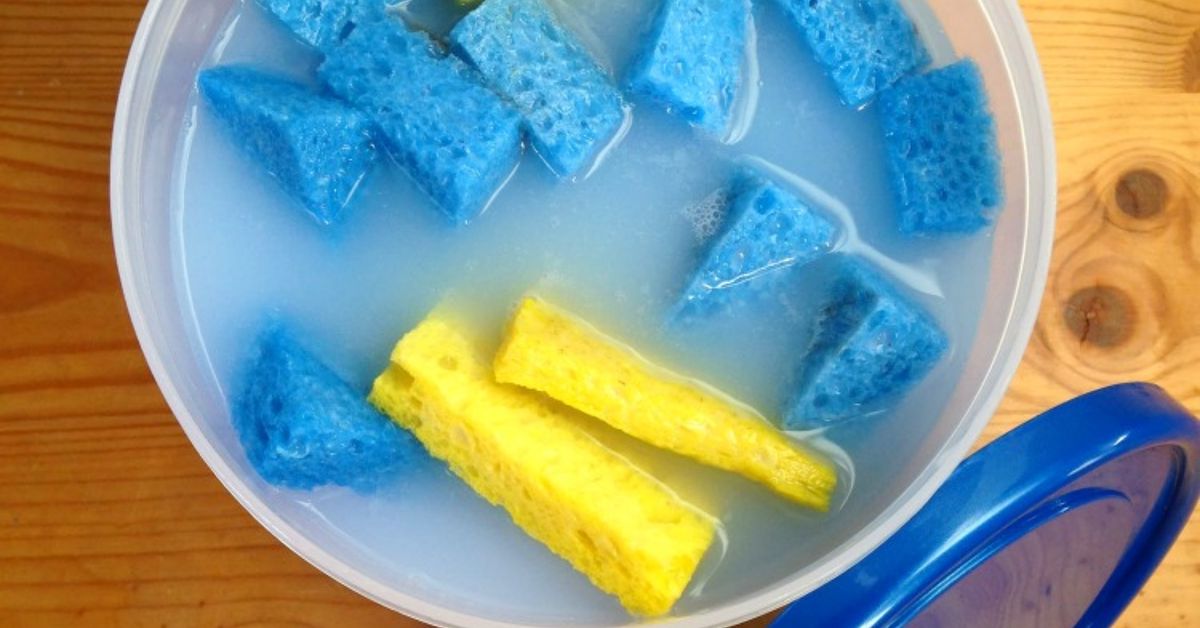
Fold or roll the cloth squares and place them into the jar. Press them down gently so they absorb the vinegar mixture. The cloths should be damp, not swimming. If there is a lot of liquid pooling at the bottom, that is fine, but you should wring each cloth before use.
Step 4: Let Them Soak
Close the jar and let the cloths sit for at least 30 minutes. Flip the jar once or twice so the solution distributes evenly. After that, your reusable dryer sheets are ready for duty.
Step 5: Use One Per Load
Before drying, remove one cloth from the jar and wring it out well. It should be damp, not dripping. Toss it into the dryer with wet laundry. Run the dryer as usual. When the load is done, set the cloth aside to dry or return it to the jar if it is still clean and only lightly used.
How Many Homemade Dryer Sheets Should You Use?
For a small or average load, one reusable dryer sheet is usually enough. For large loads, bulky bedding, or clingy synthetic clothing, use two. If static is still a problem, the answer is not always “more vinegar cloths.” Static often happens because clothes are over-dried, synthetics are mixed with cotton, or the air is extremely dry.
Try removing clothes while they are just barely dry, drying synthetic fabrics separately, using a lower heat setting, or pairing your DIY sheets with wool dryer balls. Wool dryer balls help separate laundry, improve airflow, and reduce clumping. They also make your dryer sound as if a tiny bowling league has moved in, but that is the price of progress.
What About the Vinegar Smell?
The most common question about homemade dryer sheets is: “Will my clothes smell like salad?” Good news: usually, no. Distilled white vinegar has a sharp smell in the jar, but it typically fades as the laundry dries. If you use too much liquid or fail to wring out the cloth, you may notice a faint vinegar scent at first. Use less solution, wring better, and make sure clothes dry completely.
If you want a fresher scent, use a very small amount of essential oil in the jar, not directly on a dry cloth right before high heat. Give the oil time to disperse into the vinegar and absorb into the fabric. Essential oils are concentrated substances, and more is not automatically better.
Important Safety Notes Before You Toss and Tumble
Do Not Use With Flame-Resistant Clothing
Avoid using dryer sheets, fabric softeners, or DIY softening substitutes on flame-resistant children’s sleepwear or protective garments unless the care label clearly says it is safe. Coatings and residues can interfere with fabric performance. When in doubt, follow the label and skip additives.
Be Careful With Athletic Wear and Microfiber
Moisture-wicking fabrics, microfiber towels, and some performance textiles are designed to move or absorb moisture in a specific way. Fabric softeners and dryer sheets can reduce that function. DIY vinegar sheets are gentler than many commercial products, but it is still smart to test carefully or skip them for technical fabrics.
Go Easy on Towels
Many people use homemade dryer sheets with towels and like the result. However, if your towels start feeling less absorbent or oddly coated, stop using any dryer-sheet method on them. Wash towels with the right amount of detergent, avoid overloading the washer, and consider wool dryer balls instead.
Never Mix Vinegar and Bleach
This recipe uses vinegar in the dryer, not bleach in the washer. Still, it is worth repeating: do not mix vinegar with chlorine bleach. Combining them can create harmful fumes. Laundry should smell fresh, not like a science-lab evacuation.
Keep the Dryer Maintained
Clean the lint screen before or after every load, and deep-clean it periodically with hot water, mild detergent, and a soft brush if residue builds up. Also clean dryer moisture sensors according to your appliance manual. Any dryer-sheet product, commercial or homemade, works best when the machine has good airflow.
Troubleshooting DIY Dryer Sheets
Problem: Clothes Still Have Static
Static is usually caused by dry air, friction, synthetic fabrics, and over-drying. Try drying clothes for less time, using low or medium heat, separating polyester and nylon items, or adding wool dryer balls. A slightly damp washcloth added during the final few minutes can also help restore a little humidity inside the dryer.
Problem: Clothes Smell Like Vinegar
You are probably using too much solution. Wring the cloth more thoroughly before drying. You can also dilute the vinegar with 1/4 cup water, use fewer cloths, or let the reusable sheet air out for a minute before tossing it in.
Problem: The Jar Smells Too Strong
Reduce the essential oil or skip it. Wash the cloths, rinse the jar, and remake the batch with plain vinegar. Clean laundry does not need to smell like a botanical garden giving a TED Talk.
Problem: Cloths Are Getting Dingy
Wash the cloth squares every few weeks, especially if you use them with heavily soiled laundry. Use regular detergent, skip fabric softener, and let them dry completely before putting them back into the jar.
Problem: The Dryer Sheet Gets Lost
Use brighter cotton fabric or cut the sheets larger. White cloth squares have a special talent for disguising themselves inside fitted sheets, which already behave like haunted laundry origami.
How to Refresh the Batch
When the jar gets low, mix another 1 cup of distilled white vinegar with optional essential oil and pour it over the cloths. If the fabric squares look tired, wash them first. If they are fraying beyond usefulness, compost natural cotton if appropriate or repurpose them as cleaning rags.
A practical system is to keep two small containers: one jar for ready-to-use dryer sheets and one basket for used cloths. When the basket fills, wash the cloths and reload the jar. This prevents the “Is this clean or did it just survive a load of gym socks?” debate, which nobody needs before coffee.
Best Essential Oil Blends for Reusable Dryer Sheets
Essential oil is optional, but if you choose to use it, keep the amount modest. Add drops to the vinegar solution, shake well, and let the cloths absorb the mixture. Do not pour oil directly onto laundry.
Fresh Laundry Blend
Use 8 drops lavender and 6 drops lemon. This smells clean without being aggressive.
Cozy Linen Blend
Use 8 drops cedarwood and 5 drops orange. It feels warm, calm, and slightly fancy, like your laundry owns a cabin.
Bright Morning Blend
Use 6 drops peppermint and 8 drops sweet orange. This is good for sheets, cotton shirts, and loads that need a cheerful nudge.
Fragrance-Free Blend
Use vinegar only. This is the best choice for sensitive skin, babies, pets, allergy-prone households, and anyone who thinks “unscented” is a lifestyle.
DIY Forever Dryer Sheets vs. Wool Dryer Balls
Both options are reusable, budget-friendly, and less wasteful than single-use dryer sheets. DIY dryer sheets are best if you want a very light scent and a simple vinegar-based fabric freshener. Wool dryer balls are better if your main goals are airflow, fluffing, and reducing wrinkles. Many households use both: one wrung-out homemade dryer sheet plus two or three wool dryer balls for larger cotton loads.
For towels and athletic clothing, wool dryer balls are usually the safer everyday choice. For cotton sheets, everyday shirts, pajamas that are not flame-resistant, and basic household laundry, DIY dryer sheets can be a pleasant, low-waste upgrade.
When You Should Skip Dryer Sheets Entirely
Even homemade versions are not necessary for every load. Skip DIY dryer sheets for flame-resistant garments, moisture-wicking sportswear, microfiber cleaning towels, waterproof items, rubber-backed mats, delicate fabrics, and anything with a care label warning against fabric softeners. Also skip them if anyone in your home develops skin irritation or respiratory sensitivity after scented laundry products.
The best laundry routine is not the one with the most hacks. It is the one that gets clothes clean, protects fabrics, keeps the dryer safe, and does not require a spreadsheet to operate.
Real-Life Experience: What Happens When You Actually Use DIY Forever Dryer Sheets?
The first time I tried DIY “forever” dryer sheets, I expected either a domestic miracle or a damp vinegar disaster. Happily, the result landed somewhere much more useful: normal laundry, but slightly softer, fresher, and less wasteful. Not glamorous, exactly, but laundry glamour is a limited category unless you own a detergent commercial wind machine.
I started with an old cotton T-shirt that had already retired from public life. It had a tiny hole near the hem and the emotional energy of something that had been washed 200 times. I cut it into rough squares, tossed them into a wide-mouth jar, poured in distilled white vinegar, and added a few drops of lavender oil. The jar looked like a tiny laundry spa, which was more exciting than it should have been.
The first test load was cotton T-shirts, socks, and a few pillowcases. I wrung out one cloth until it was damp but not dripping, tossed it into the dryer, and waited. When the cycle finished, the clothes did not smell like vinegar. They also did not smell like a perfume counter ambush. The scent was faint, clean, and easy to ignore in the best possible way. The biggest difference was that the cotton felt less stiff, especially compared with loads where I had used too much detergent and no softening help at all.
The second experiment involved towels. This was less impressive. The towels came out fine, but I did not love using any dryer-sheet method on them regularly because towels are supposed to absorb water, not behave like decorative bathroom props. Wool dryer balls did a better job keeping them fluffy without making me worry about absorbency. Lesson learned: DIY dryer sheets are useful, but they do not need to attend every laundry event.
The third test was the real villain: synthetic workout clothes. Static cling showed up like an uninvited guest. The reusable dryer sheet helped a little, but not enough to declare victory. Drying the synthetic items separately on low heat and pulling them out slightly early worked much better. That is the funny thing about laundry hacks: sometimes the best “hack” is simply not over-drying your clothes until they are electrically charged tortilla chips.
Over time, the reusable sheets became part of a simple routine. I kept the jar on the laundry shelf, used one cloth for regular cotton loads, washed the cloths every couple of weeks, and refreshed the vinegar mixture when it got low. The project saved money, reduced trash, and made me feel oddly proud of a jar full of old shirt squares. This is adulthood: you buy a nice coffee mug, organize your lint trap schedule, and experience genuine satisfaction from not throwing away dryer sheets.
The most important experience-based tip is to keep the recipe modest. Do not oversoak the cloths. Do not drown them in essential oil. Do not expect them to perform exactly like commercial dryer sheets. Their charm is that they are simple, reusable, and gentle. They are not magic. They are tiny damp squares with a job.
For everyday cotton laundry, DIY forever dryer sheets are absolutely worth trying. They are cheap, easy, and forgiving. If you dislike them, you have lost maybe ten minutes and one retired T-shirt. If you like them, you have gained a reusable laundry habit that feels practical without becoming a full-time hobby. That is a win, especially in a room where the socks are already plotting against you.
Conclusion
DIY “forever” dryer sheets are a smart, low-cost way to make laundry day a little less wasteful and a little more customizable. With cotton cloth, distilled white vinegar, and an optional whisper of essential oil, you can create reusable dryer sheets that freshen many everyday loads without relying on single-use products.
The key is using them wisely. Wring them out well, use one per load, avoid sensitive fabrics, skip flame-resistant clothing, and maintain your dryer’s lint screen and sensors. Pair them with wool dryer balls when you need better airflow or extra help with bulky loads. Most of all, remember that clean laundry does not need to smell powerful enough to introduce itself before you enter the room.
If you want a beginner-friendly sustainable laundry swap, this is one of the easiest places to start. Your clothes may not throw a parade, but your trash can will notice the difference.