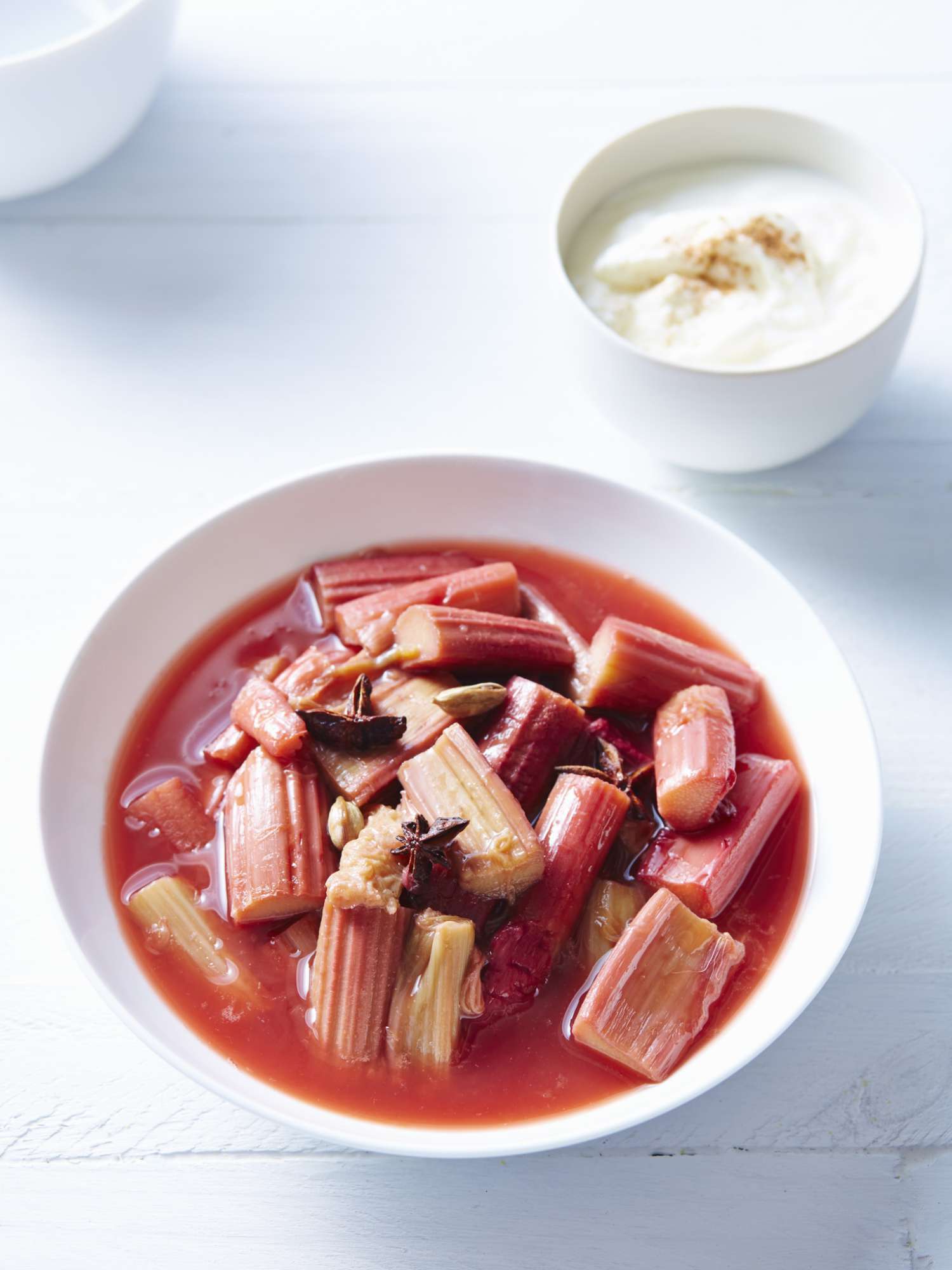
Some recipes enter the room wearing velvet slippers. Others kick the door open with cinnamon, prunes, and a suspiciously cheerful bowl of fruit that insists it is soup. Scandinavian dried fruit soup belongs to the second category, and honestly, we should all be grateful. Known in Swedish as fruktsoppa and in Norwegian as søt suppe or sot suppe, this old-world dish is sweet, fragrant, comforting, and delightfully practical.
At first glance, dried fruit soup may sound like something invented by a thrifty grandmother during a snowstorm while saying, “Waste not, want not.” That is not entirely wrong. The beauty of this Scandinavian recipe is that it turns pantry staplesdried apricots, prunes, raisins, apples, citrus, warm spices, and tapiocainto a jewel-toned dessert, breakfast, snack, or holiday side dish. It can be served warm, chilled, plain, with yogurt, over cake, or beside a cup of coffee strong enough to make a Viking reconsider his life choices.
This guide walks through the tradition, ingredients, cooking method, serving ideas, storage tips, and personal kitchen experience behind Scandinavian dried fruit soup. It is written for modern American kitchens but keeps the cozy Nordic spirit intact.
What Is Scandinavian Dried Fruit Soup?
Scandinavian dried fruit soup is a gently simmered mixture of dried fruits, water or juice, spices, citrus, and a light thickener such as tapioca. The result lands somewhere between a compote, dessert soup, and spoonable fruit pudding. It is not heavy like pie filling, but it is thicker than juice. Think of it as fruit salad’s elegant winter cousin who owns wool socks and knows how to survive January.
In Sweden, fruktsoppa simply means “fruit soup.” It may include dried apples, apricots, raisins, currants, prunes, cherries, cranberries, or whatever fruit is in the pantry. Norwegian søt suppe, meaning “sweet soup,” often leans into prunes, raisins, cinnamon, citrus, and tapioca. Both versions reflect the same smart Scandinavian habit: preserve fruit when it is abundant, then transform it into something nourishing during cold months.
Although many families serve dried fruit soup around Christmas, Easter, or other special gatherings, it is not limited to holidays. It works as a light dessert, a brunch dish, a make-ahead breakfast, or a refreshing chilled treat in warmer weather. Yes, soup can be dessert. No, the soup police will not come.
Why This Old-Fashioned Recipe Still Works Today
The best traditional recipes survive because they solve problems. Scandinavian dried fruit soup solves several at once. It uses shelf-stable ingredients, tastes better after resting, adapts to whatever fruit you have, and can be served in multiple ways. It is also naturally colorful without needing decorative tricks. A bowl of apricots, prunes, raisins, and cherries simmered with cinnamon looks like stained glass decided to become lunch.
Modern cooks also appreciate its flexibility. You can make it less sweet, add ginger for brightness, use apple juice instead of water, or finish it with lemon juice to keep the flavor lively. If you prefer a thicker texture, use more tapioca. If you want something lighter, add extra water or juice. Unlike a fussy cake, this soup does not collapse because you looked at it wrong.
Ingredients for Scandinavian Dried Fruit Soup
Main Ingredients
- 12 ounces mixed dried fruit: Use dried apricots, prunes, apples, pears, peaches, cherries, cranberries, raisins, or currants.
- 6 cups water: This rehydrates the fruit and becomes the base of the soup.
- 1 cup apple juice, white grape juice, cranberry juice, or orange juice: Juice adds natural sweetness and depth.
- 1/4 cup pearl tapioca or 2 tablespoons quick-cooking tapioca: Tapioca gives the soup its traditional silky body.
- 1/3 to 1/2 cup sugar, honey, or maple syrup: Adjust depending on how sweet your dried fruit is.
- 1 cinnamon stick: A classic warm spice for Nordic fruit soups.
- 1 strip orange peel: Adds brightness without making the soup taste like candy.
- 1 tablespoon lemon juice: Stirred in at the end to balance the sweetness.
- Pinch of salt: Small but powerful. It makes the fruit taste more like itself.
Optional Add-Ins
- Fresh sliced orange or apple added near the end
- Fresh ginger for gentle heat
- Cardamom for a more Nordic bakery flavor
- Star anise for a deeper spice profile
- Vanilla for a dessert-like finish
- Plain yogurt, whipped cream, or sour cream for serving
How to Make Scandinavian Dried Fruit Soup
Step 1: Chop and Sort the Dried Fruit
Cut larger pieces of dried fruit into bite-size chunks. Apricots, prunes, apples, and pears should be small enough to fit comfortably on a spoon. Raisins, currants, and dried cranberries can stay whole. If any fruit feels extremely tough, give it a quick rinse and let it soak in warm water for 10 minutes before cooking.
Step 2: Simmer the Fruit
Place the dried fruit in a large saucepan or Dutch oven. Add the water, cinnamon stick, orange peel, and pinch of salt. Bring the mixture to a gentle boil, then reduce the heat to a slow simmer. Cook uncovered for 25 to 35 minutes, stirring occasionally, until the fruit plumps and softens.
This is the part where the kitchen starts smelling like winter has put on a sweater. The apricots become golden and tender, the prunes deepen the broth, and the raisins puff up like tiny balloons with better manners.
Step 3: Add Tapioca
If using pearl tapioca, soak it separately for at least 30 minutes before adding it to the pot. If using quick-cooking tapioca, you can stir it directly into the soup. Simmer for another 10 to 15 minutes, or until the tapioca pearls turn translucent and the soup thickens slightly.
Stir frequently after adding tapioca. Tapioca has one small personality flaw: it enjoys sticking to the bottom of the pot when ignored. Give it attention, and it behaves beautifully.
Step 4: Sweeten and Brighten
Add sugar, honey, or maple syrup to taste. Then stir in the fruit juice and simmer for 5 more minutes. Remove the pot from the heat and stir in lemon juice. Taste again. The soup should be sweet, gently tart, warmly spiced, and fruity without becoming syrupy.
Step 5: Serve Warm or Chilled
Serve the soup warm right away, or let it cool and refrigerate it for several hours. Many Scandinavian-style fruit soups taste even better the next day because the fruit and spices have more time to mingle. Apparently, dried fruit also enjoys a social life.
Recipe Card: Scandinavian Dried Fruit Soup
Yield
6 to 8 servings
Prep Time
15 minutes, plus optional soaking time
Cook Time
40 to 50 minutes
Ingredients
- 12 ounces mixed dried fruit, chopped if large
- 6 cups water
- 1 cup apple juice or white grape juice
- 1/4 cup pearl tapioca or 2 tablespoons quick-cooking tapioca
- 1/3 to 1/2 cup sugar, honey, or maple syrup
- 1 cinnamon stick
- 1 strip orange peel
- 1 tablespoon fresh lemon juice
- Pinch of salt
- Optional: 1/2 teaspoon grated ginger, 1/4 teaspoon cardamom, fresh orange slices, or diced apple
Instructions
- Chop large dried fruits into bite-size pieces.
- Add dried fruit, water, cinnamon stick, orange peel, and salt to a large saucepan.
- Bring to a boil, then reduce heat and simmer for 25 to 35 minutes, until the fruit is tender.
- Stir in tapioca. Continue simmering until the tapioca becomes translucent and the soup thickens.
- Add sweetener and juice. Simmer for 5 minutes.
- Remove cinnamon stick and orange peel.
- Stir in lemon juice. Taste and adjust sweetness or tartness.
- Serve warm, room temperature, or chilled.
Best Fruits to Use
The most traditional combinations usually include prunes, raisins, dried apricots, and dried apples. Prunes bring a deep, caramel-like flavor and help create the soup’s rich color. Apricots add brightness and a sunny tartness. Raisins provide natural sweetness. Dried apples or pears make the soup feel softer and more familiar to American palates.
For a brighter version, add dried cherries or cranberries. For a softer, honeyed flavor, use dried peaches or figs. Dates can be delicious, but use them sparingly because they dissolve easily and can make the soup very sweet. Mango is less traditional, but it works if you want a tropical twist. Scandinavia may raise one eyebrow, but it will survive.
How to Serve Dried Fruit Soup
As a Breakfast
Serve chilled fruit soup with plain Greek yogurt, cottage cheese, or oatmeal. The soup adds natural sweetness and texture without needing a mountain of brown sugar.
As a Dessert
Spoon it into small bowls and top with whipped cream, crème fraîche, or vanilla yogurt. It is also excellent over pound cake, sponge cake, rice pudding, or vanilla ice cream.
As a Holiday Dish
Serve it in a glass bowl as part of a Scandinavian-inspired Christmas table with cookies, breads, cheeses, coffee, and simple savory dishes. It adds color and balance to heavier holiday foods.
As a Snack
Enjoy a small bowl cold from the refrigerator. This may sound modest, but at 3 p.m., when cookies are whispering from the pantry, fruit soup can be the responsible adult in the room.
Helpful Tips for Better Flavor
Use a mixture of fruits rather than just one kind. A single-fruit soup can be pleasant, but a blend creates depth. Balance dark fruits such as prunes and raisins with brighter fruits such as apricots, apples, cherries, or cranberries. Add citrus at the end rather than boiling it too long, because fresh lemon juice keeps the soup lively.
Do not over-thicken the soup. Tapioca continues to absorb liquid as the soup cools. If the texture becomes too thick the next day, stir in a splash of water, apple juice, or orange juice before serving. Also, keep the spices gentle. Cinnamon, cardamom, ginger, and star anise are lovely, but too much spice can turn the soup into a holiday candle with fruit chunks.
Storage and Make-Ahead Advice
Scandinavian dried fruit soup is an excellent make-ahead recipe. Store it in an airtight container in the refrigerator for up to 5 days. The flavor improves after several hours of chilling, making it ideal for holidays, brunches, and meal prep.
If using home-dried fruit, make sure it has been properly dried and stored in a cool, dry, dark place. Dried fruit can absorb moisture over time, so discard any fruit that shows mold, unusual odor, or stickiness that seems unsafe. Commercial dried fruit should also be kept tightly sealed after opening for best quality.
Nutrition Notes
Dried fruit is concentrated fruit, which means concentrated flavor, natural sugars, fiber, minerals, and calories. This soup can be nourishing, especially when made with prunes, apricots, raisins, apples, and cherries. However, it is still sweet, so portion size matters. For a lighter version, reduce the added sugar and rely on naturally sweet fruit and juice.
For more protein, serve it with plain yogurt or cottage cheese. For more richness, add cream. For a dessert-table version, spoon it over cake or ice cream and accept that dessert has officially become soup-shaped joy.
Common Mistakes to Avoid
Using Too Much Sugar
Dried fruit is already sweet. Start with less sweetener, then add more only if needed.
Skipping the Acid
Lemon juice is not decoration. It keeps the soup from tasting flat and overly sweet.
Boiling Too Hard
A gentle simmer preserves the fruit pieces. A violent boil can turn the soup into a murky fruit swamp, and nobody requested swamp dessert.
Forgetting That Tapioca Thickens as It Cools
Stop cooking when the soup is slightly thinner than you want. It will become thicker in the refrigerator.
Experience Notes: What It Feels Like to Make and Eat This Soup
The first time you make Scandinavian dried fruit soup, you may feel uncertain. That is normal. Most American cooks are used to soup being savory, steamy, and possibly guarded by a bay leaf. A sweet fruit soup asks you to trust the process. You look at a pot of chopped prunes, apricots, raisins, and water and think, “This cannot possibly become elegant.” Then the cinnamon warms up, the fruit plumps, the broth turns amber-red, and suddenly the whole kitchen smells like a Nordic holiday postcard.
One of the most enjoyable parts of this recipe is how low-pressure it feels. There is no dough to rise, no frosting to split, no pastry crust threatening emotional damage. You stir, simmer, taste, adjust, and let time do most of the work. The soup rewards patience more than precision. If the fruit mix changes, the soup changes. If you add orange juice instead of apple juice, it becomes brighter. If you use more prunes, it turns deeper and richer. If you add cherries, it gets a tart little sparkle. Every batch has its own personality, like a family reunion but with fewer arguments about parking.
Serving it warm is cozy and old-fashioned. It feels like something you would eat after coming inside from cold weather, cheeks red, socks damp, and mood dramatically improved by cinnamon. The warm version is soft, fragrant, and soothing. It pairs beautifully with a spoonful of cream or a side of buttered toast. Chilled, however, it becomes something different: refreshing, glossy, and almost dessert-like. The fruit firms slightly, the flavors settle, and the tapioca gives each spoonful a gentle bounce.
My favorite way to serve it is cold with plain yogurt and a tiny sprinkle of cardamom. The yogurt cuts the sweetness, the cardamom adds bakery warmth, and the fruit tastes brighter than expected. It also works wonderfully over rice pudding, especially if you want a dessert that tastes traditional but still surprises people. Bring it to a potluck and someone will absolutely ask, “Is this fruit salad?” You can smile mysteriously and say, “No. It is soup.” This is how culinary legends begin.
The best experience-related advice is to make it a day ahead. Fresh from the stove, it is good. After a night in the refrigerator, it is better. The fruits relax, the spices blend, and the texture becomes smoother. It is the rare recipe that improves while you ignore it. That alone makes it perfect for busy holidays, brunches, or quiet weekends when you want something homemade without turning the kitchen into a flour-based crime scene.
Scandinavian dried fruit soup also creates a pleasant connection to older cooking habits. It reminds us that comfort food does not need to be complicated. Long before grocery stores offered every fruit in every season, people preserved what they had and cooked with patience. This soup carries that wisdom forward. It is practical, beautiful, adaptable, and just unusual enough to make people curious. In a world of flashy desserts, dried fruit soup quietly says, “I have been delicious for generations.” And frankly, it has receipts.
Conclusion
A Scandinavian recipe for dried fruit soup is more than a quirky old-fashioned dessert. It is a smart, flexible, pantry-friendly dish with deep Nordic roots and plenty of modern appeal. Whether you call it Swedish fruktsoppa or Norwegian søt suppe, the idea is simple: simmer dried fruit with warm spices, citrus, juice, and a little tapioca until it becomes tender, glossy, and comforting.
Serve it warm in winter, chilled in summer, dressed up with whipped cream, or kept simple with yogurt. It fits breakfast, dessert, holidays, and everyday snacks. Best of all, it proves that humble ingredients can still create something memorable. Dried fruit soup may not shout for attention, but one spoonful makes a convincing argument.
Note: This article was created for web publication in standard American English, with original wording and synthesized culinary guidance based on real Scandinavian dried fruit soup traditions.