A home designed for one person is often misunderstood. People hear “single man” and immediately picture a black leather sofa, one lonely frying pan, a television large enough to be seen from orbit, and maybe a neon sign that says something alarming like “Man Cave: Enter at Your Own Risk.” Thankfully, modern design has matured. A singular home is not a bachelor pad with better lighting. It is a personal world: practical, beautiful, emotionally intelligent, and shaped around the rhythm of one life.
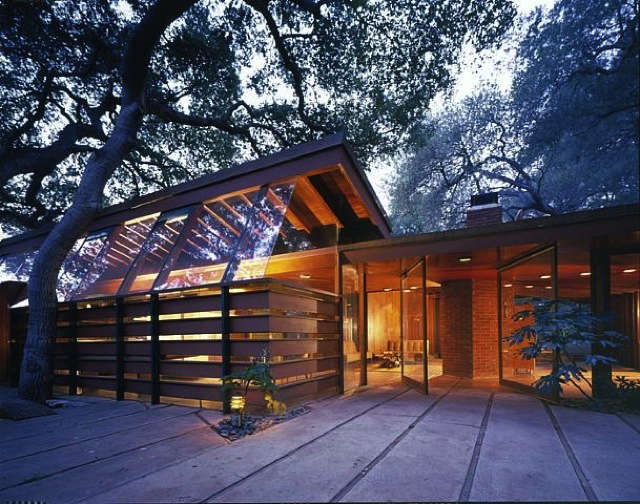
The phrase “A Single Man in a Singular Home” also points to a very real architectural icon: the Schaffer House in Glendale, California, designed by John Lautner in 1949 and later used as George’s home in Tom Ford’s film A Single Man. The house is memorable because it does not shout. It listens. Built with redwood, concrete, glass, and a deep respect for the oak-covered site, it shows how a home can feel private without feeling sealed off from the world.
That idea feels especially relevant today. More Americans are living alone, buying alone, renting alone, working from home alone, and designing spaces around individual habits rather than traditional household formulas. A singular home is not small by definition, nor is it lonely by default. It is a place where one person can think clearly, cook decently, sleep well, host comfortably, and occasionally misplace the remote without having anyone else to blame.
What Makes a Home “Singular”?
A singular home is not simply unusual. It is specific. It has a point of view. It answers the question, “Who lives here?” with more than a furniture receipt and a suspiciously untouched stack of coffee table books. In the best examples, every design choice supports a real behavior: where the owner reads, how he makes coffee, how he unwinds after work, how many guests he actually invites, and whether he needs a dining room or just wants one because society keeps whispering, “be respectable.”
The Schaffer House is a useful model because it avoids the trap of decoration as performance. Its beauty comes from structure, material, light, and setting. Lautner’s design uses open planning, warm wood, broad glass, and indoor-outdoor flow to make the house feel both sheltered and connected. It is not trying to look expensive. It is trying to feel inevitable, as if the home grew out of the site and then politely asked the furniture to behave.
For a single man, this lesson matters. A home should not be designed around impressing hypothetical visitors. It should begin with daily life. Does the living room encourage conversation or only passive scrolling? Does the bedroom feel restful or like a hotel room waiting for a guest who never arrives? Is the kitchen good enough to support real meals, or is it a shrine to takeout containers? Singular design begins with honesty.
The Modern Single Man Is Not a Design Stereotype
The old bachelor pad was often designed like a stage set for confidence: dark walls, sharp edges, oversized furniture, and just enough chrome to make the room feel like it might transform into a sports car. There is nothing wrong with masculine style, but there is something tired about reducing it to black paint, whiskey shelves, and aggressively square sofas.
Today’s best interiors for single men are warmer, smarter, and more personal. They make room for softness without becoming fussy. They use texture instead of visual noise. They allow technology without letting cables become the dominant life form. Most importantly, they are not embarrassed by comfort. A grown man can own linen curtains, a good reading lamp, and a throw blanket without needing to explain himself to the committee of imaginary tough guys.
A singular home can be masculine, but masculinity in design works best when it is expressed through restraint, proportion, craftsmanship, and confidence. Think walnut shelving, sculptural lighting, wool rugs, leather that will age well, stone counters, handmade ceramics, and art that means something. The goal is not to prove anything. The goal is to live well.
Architecture as a Mirror of Inner Life
One reason the Schaffer House works so powerfully in A Single Man is that it reflects the emotional world of its inhabitant. George’s home is precise, controlled, elegant, and quietly isolated. The glass opens to nature, but the atmosphere still feels disciplined. The house becomes more than a setting; it becomes a character.
This is one of the strongest ideas a homeowner can borrow from cinema. Your house tells a story whether you mean it to or not. A cluttered entry says one thing. A carefully placed chair beside a window says another. A bed without proper bedside lighting says, “I have made peace with chaos,” which may be honest but is not always ideal.
Good design does not need to dramatize your life, but it should support the version of yourself you are trying to become. If you want to read more, create a reading corner that makes the habit easy. If you want to cook instead of ordering food five nights a week, make the kitchen efficient and pleasant. If you want to host friends, choose seating that faces people rather than a screen. Architecture and interiors can gently train behavior. They are quiet coaches, minus the whistle.
Designing the Layout: Open, But Not Empty
Open-plan living can be wonderful for a single-person home because it gives flexibility. One room can support cooking, dining, working, relaxing, and entertaining. But open space without zones can feel like a furniture showroom after closing time. The trick is to create visual boundaries without building unnecessary walls.
Rugs are one of the easiest tools. A large rug can define the living area, while a pendant light can anchor a dining table. A low bookcase can divide a workspace from a lounge area without blocking light. Slatted wood screens, plants, curtains, and changes in flooring can also create separation while preserving flow.
The Schaffer House demonstrates this beautifully through planes, material changes, and transparency. Privacy does not always require shutting down the room. Sometimes it comes from angle, shadow, texture, and orientation. A single man’s home should feel open enough to breathe but structured enough to prevent the sofa, desk, and kitchen from forming one confused domestic blob.
Materials That Age Better Than Trends
A singular home should avoid looking trapped in one trend cycle. Trends are fun, but a home built entirely around them can age faster than milk in a hot car. Materials are where longevity begins.
Natural wood remains one of the most reliable choices. It brings warmth, texture, and character, especially in spaces that might otherwise feel too sleek. Concrete can add strength and calm when balanced with softer elements. Glass expands views and light. Stone, wool, linen, leather, clay, and metal all add depth when used with restraint.
For a single man designing a lasting home, the best strategy is to invest in touchable materials. A solid wood table, a comfortable upholstered chair, a real rug, and high-quality lighting will do more for daily happiness than a dozen decorative objects bought during a late-night online shopping spiral. The internet is open twenty-four hours; your credit card does not need to be.
Light: The Most Underrated Luxury
Lighting can make or break a singular home. It is also the area where many people make the same mistake: one bright ceiling fixture and a prayer. That kind of lighting makes everyone look like they are being questioned about a crime. A well-designed home needs layers.
Start with ambient lighting for general brightness. Add task lighting for reading, cooking, grooming, and working. Then use accent lighting to highlight art, shelves, plants, or architectural details. The result is a home that can shift mood throughout the day. Morning light can be crisp and energizing. Evening light can be low, warm, and forgiving, especially after a long day or a brave attempt at assembling flat-pack furniture.
Natural light should be treated as part of the design, not just a pleasant accident. Large windows, reflective surfaces, pale ceilings, and thoughtful window treatments can help. However, privacy matters too. Sheer curtains, exterior landscaping, adjustable shades, and strategic furniture placement can let light in without making the home feel like a neighborhood aquarium.
The Bedroom: A Retreat, Not a Storage Unit With Pillows
The bedroom is where many single-person homes reveal their weak spots. Because guests rarely see it, the room becomes a dumping ground for laundry, boxes, gym gear, half-read books, and the mysterious chair that holds clothes not dirty enough for the hamper but not clean enough for the closet. Every home has one. It is basically a domestic landmark.
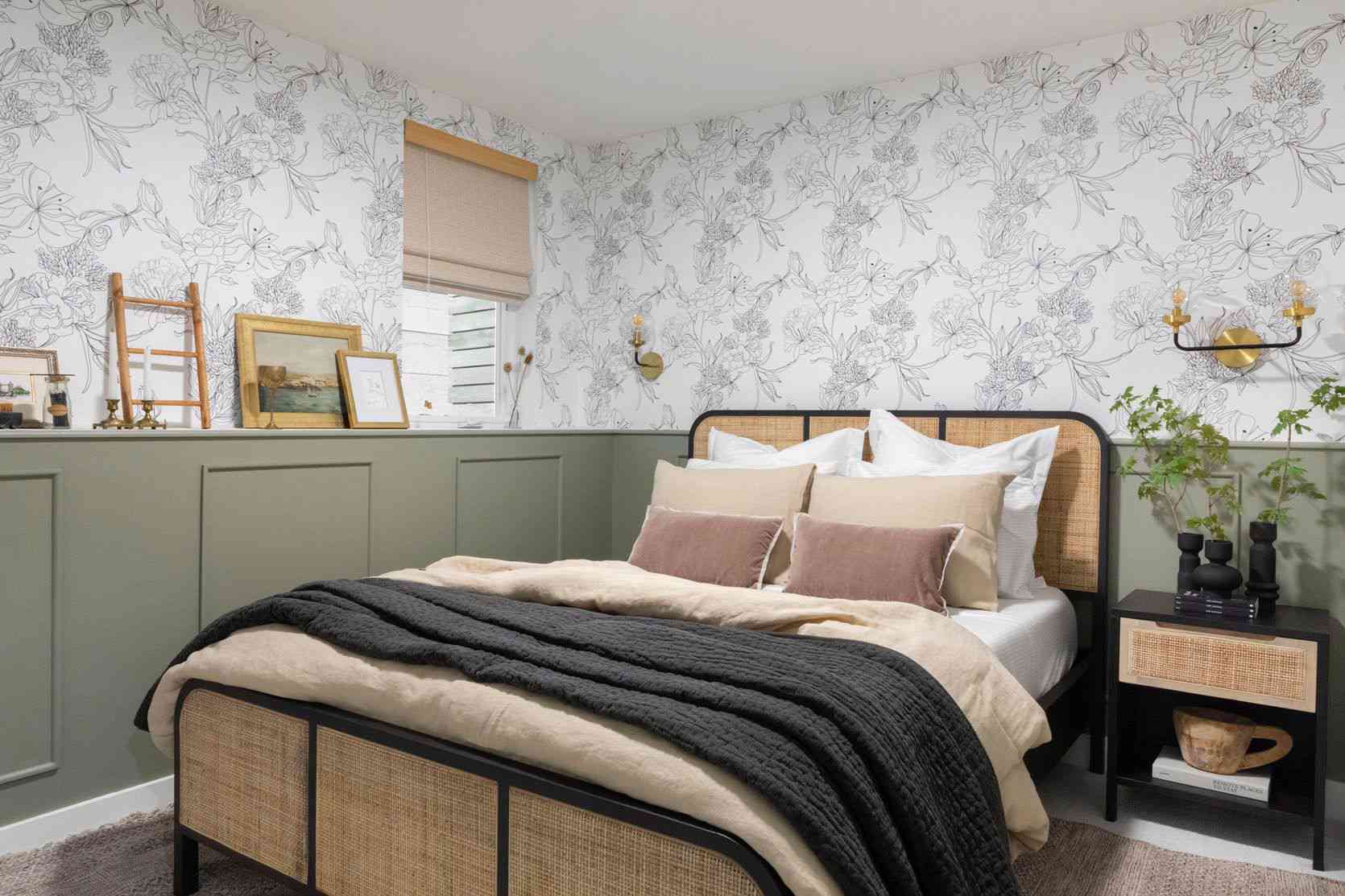
A better bedroom begins with calm. Choose a bed that fits the room, not one that dominates it. Use proper nightstands, lamps on both sides if space allows, soft bedding, and window coverings that actually block light. Keep the palette grounded and restful. Deep green, warm gray, soft brown, muted blue, cream, and natural wood can all create a masculine bedroom without making it feel like a cave.
Storage should be planned, not improvised. Built-ins, under-bed drawers, closet systems, and simple dressers can keep the room from turning into a textile avalanche. A bedroom should help the mind power down. If the first thing you see in the morning is a pile of unfolded shirts, the day has already begun with accusations.
The Kitchen: Where Independence Becomes Delicious
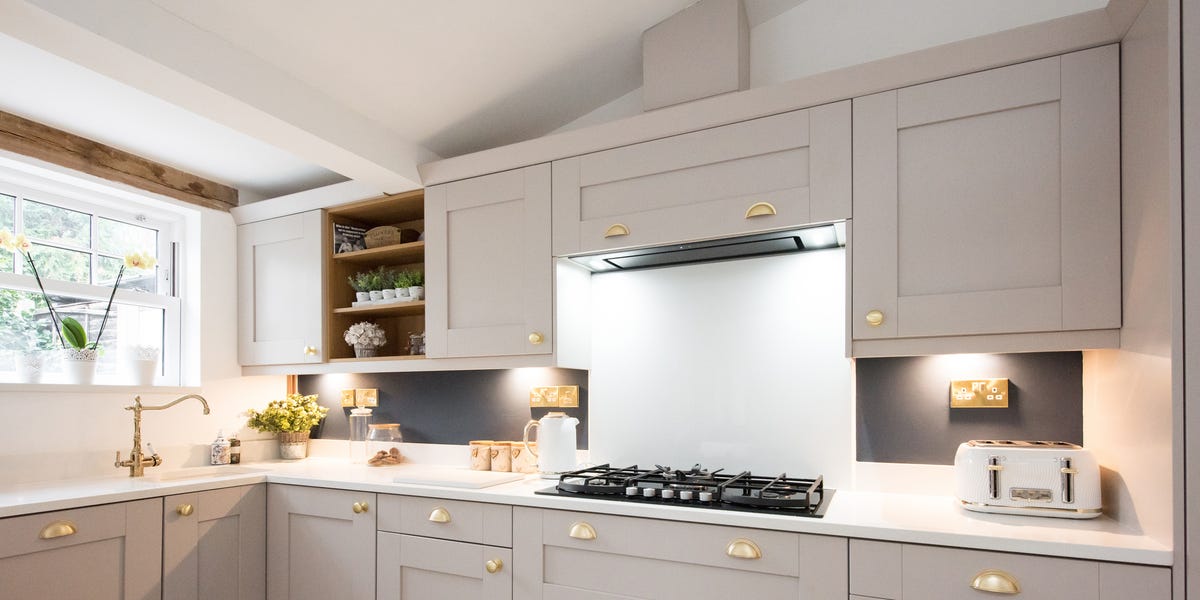
For a single man, the kitchen does not need to be huge. It needs to be usable. A compact kitchen with good lighting, sharp knives, clear counters, and smart storage beats a giant kitchen full of gadgets that exist only to collect dust and guilt.
Design the kitchen around realistic cooking habits. If breakfast is important, create a coffee and toast zone. If meal prep matters, prioritize counter space and food storage. If entertaining is part of the lifestyle, consider bar seating, a small dining table, or an island that lets guests talk while the host pretends not to be nervous about the sauce.
Durable surfaces matter. Quartz, stone, butcher block, stainless steel, and tile can all work depending on budget and style. Open shelving can look beautiful, but only if the dishes deserve public life. Otherwise, closed storage is not a defeat; it is mercy.
The Living Room: Conversation Before Performance
The living room should not be arranged like a temple to the television unless that is truly the only activity happening there. Even then, the room can do more. A strong living room allows for watching, reading, talking, listening to music, and hosting without requiring a furniture-moving ceremony.
Choose seating that is comfortable and appropriately scaled. A sofa with clean lines, one or two lounge chairs, a coffee table, side tables, and layered lighting may be enough. Add personality through art, books, objects collected over time, and textiles. The room should feel curated but not frozen. Nobody wants to sit in a space that looks like it will charge a fee for touching the cushions.
A singular living room also benefits from one memorable feature: a fireplace, a large artwork, a beautiful window, a built-in shelf, a sculptural lamp, or a striking chair. The feature does not need to be loud. It simply needs to give the room a center of gravity.
Nature, Privacy, and the Power of Indoor-Outdoor Living
One of the strongest lessons from mid-century modern design is the value of connection to nature. Even a small apartment can borrow this idea. Plants, natural materials, daylight, views, fresh air, and outdoor seating can make a home feel larger and healthier.
If there is a patio, balcony, or yard, treat it as a real room. Add seating, lighting, planters, and a surface for a drink or book. If there is no outdoor space, bring nature inside with plants, wood furniture, woven textures, landscape art, or even a small herb garden by the window. A basil plant may not change your life, but it can make pasta feel less like an emergency meal.
Privacy should be layered, especially in urban homes. Use curtains, screens, hedges, shelving, and layout to create a sense of retreat. A singular home should welcome the outside world selectively. The goal is connection, not exposure.
Technology Without the Sci-Fi Clutter
A modern single man’s home often includes serious technology: speakers, monitors, chargers, smart lights, streaming devices, security systems, and perhaps one remote control whose purpose has been lost to history. Technology is useful, but it should be integrated rather than scattered.
Plan charging zones. Hide cords. Use media cabinets with ventilation. Choose smart lighting that supports different moods. Mount screens thoughtfully. If working from home, create an ergonomic setup that can be visually softened when the workday ends. A desk in the living room is acceptable. A living room that looks like an IT department after a thunderstorm is less successful.
The best technology disappears into daily life. It should make the home easier to use, not turn every evening into a software update negotiation.
Art and Objects: Proof That a Person Lives Here
Art is one of the quickest ways to make a home feel singular. It does not have to be expensive. It does have to be chosen. Posters, photography, prints, paintings, ceramics, sculpture, vintage maps, framed textiles, and personal collections can all work when displayed with intention.
The key is editing. A home should reveal personality, not unload every interest at once. If the owner loves film, one beautifully framed movie poster is stronger than a wall of random prints. If he travels, a few meaningful objects beat a shelf full of airport souvenirs. If he collects books, let them live where they can be seen and used.
A singular home does not look like a catalog because real identity is layered. It includes discipline and surprise. A clean-lined room can hold a strange lamp. A minimal bedroom can include one bold painting. A serious kitchen can have a funny mug. Charm often enters through the side door.
Common Mistakes in a Single Man’s Home
Buying Everything at Once
A home assembled in a single weekend often feels flat. Better interiors develop over time. Start with essentials: bed, sofa, table, lighting, storage. Then add character slowly. Patience is cheaper than replacing everything after realizing the room has the emotional range of an office lobby.
Ignoring Scale
Oversized furniture can make a room feel smaller and less refined. Measure before buying. Leave walking paths. Choose pieces that suit the architecture. A giant sectional in a compact living room may feel luxurious for three days, until walking around it becomes a daily obstacle course.
Forgetting Maintenance
A beautiful home must be cleanable. Choose materials and finishes that match your actual habits. If you hate delicate surfaces, do not build your life around them. If you own pets, drink coffee, or occasionally eat tacos with reckless optimism, plan accordingly.
Decorating for an Imaginary Personality
The best home reflects the person who lives there, not the person he thinks he should appear to be. If you love color, use it. If you love quiet neutrals, embrace them. If you want a reading nook more than a bar cart, choose the reading nook. Your home is not a dating profile with walls.
Experience: Living the Idea of “A Single Man in a Singular Home”
The experience of creating a singular home often begins with a small but powerful realization: living alone does not mean living temporarily. Many single men treat their homes as waiting rooms, as if real domestic life begins only after marriage, family, or some future version of adulthood arrives wearing better shoes. That mindset keeps a home unfinished. The mattress stays on a basic frame. The walls stay blank. The dining table becomes optional. The good towels remain a fantasy. But the moment a man decides his current life deserves beauty, the entire home changes.
Imagine walking into a compact house at the end of a long day. The entry has a narrow bench, a hook for a jacket, a tray for keys, and a lamp that turns on before the room falls into darkness. Nothing dramatic happens, yet everything works. The home greets him. That is the first lesson: good design reduces friction. It removes tiny irritations before they multiply into background stress.
In the living room, a comfortable chair sits near the best window. At first, it might seem like a decorative choice. Over time, it becomes a habit machine. Morning coffee happens there. Sunday reading happens there. A friend sits there during a long conversation. The chair becomes part of the owner’s emotional map of the house. Singular homes are built from these repeated moments, not from perfect photographs.
The kitchen tells another story. A single man who once survived on delivery learns that cooking for one can be satisfying, even elegant. He does not need twelve pans. He needs a few reliable tools, good storage, and enough counter space to chop vegetables without balancing a cutting board over the sink like a circus act. He learns the pleasure of making dinner without performing for anyone. A small table becomes a place to eat properly, not just a surface for mail. This is not luxury in the loud sense. It is self-respect with a fork.
The bedroom may be the most personal transformation. When the room is treated as a retreat, sleep improves. Clothes have a place. Light is controlled. The bed is made most mornings, not because anyone is visiting, but because returning to an orderly room feels good. This is where a singular home becomes quietly powerful: it teaches the owner that care does not require an audience.
There is also a social benefit. A well-designed single-person home makes hosting easier. Friends are more likely to gather when seating is comfortable, lighting is warm, and the kitchen does not look like a storage closet for regret. A singular home can be deeply private and still generous. In fact, the best ones are both. They give the owner solitude when needed and hospitality when desired.
Over time, the home becomes a biography. The art reflects places visited, books read, films loved, and ideas that stuck. The furniture shows what matters: comfort, durability, craft, humor, memory. The home may be modest or grand, rented or owned, urban or hidden among trees like the Schaffer House. What makes it singular is not price. It is attention.
Living alone in a singular home is not about isolation. It is about authorship. It is the rare chance to shape space without committee meetings over pillow colors. Every choice can be intentional. Every room can support a clearer, calmer, more interesting life. And yes, the remote will still disappear sometimes. Even the most beautifully designed home must leave room for mystery.
Conclusion
A Single Man in a Singular Home is more than a stylish phrase. It is a design philosophy. It says that a home for one person can be as rich, layered, warm, and architecturally meaningful as any family house. The Schaffer House proves that privacy and openness can coexist. Modern interior design proves that masculine style can be refined without becoming cold. Daily experience proves that a well-planned home can improve habits, mood, rest, creativity, and connection.
The singular home is not built from clichés. It is built from proportion, light, material, function, and personal truth. It has a good chair, useful storage, honest textures, decent lighting, and maybe a plant that somehow survives. Most of all, it respects the life happening inside it right now. Not someday. Not when circumstances change. Now.
Note: This article synthesizes real information from reputable U.S. architecture, housing, and interior design sources while omitting source links for clean web publication formatting.