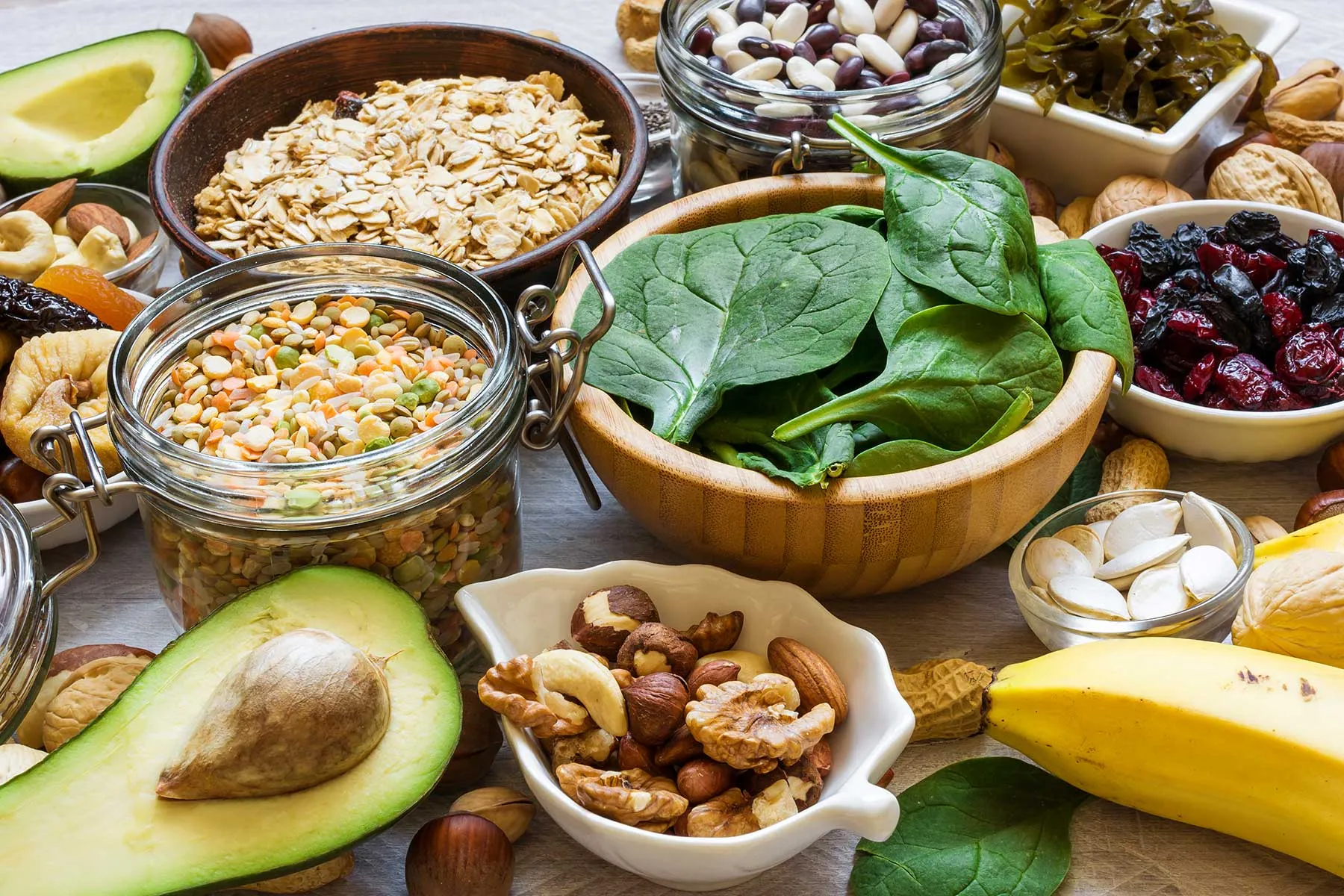
Potassium-rich foods may not wear a superhero cape, but they quietly help your heart, muscles, nerves, and fluid balance do their jobs every single day. Potassium is an essential mineral and electrolyte, which means it helps carry tiny electrical signals through the body. In plain English: it helps your muscles contract, your nerves communicate, and your heartbeat stay on rhythm. Not bad for something hiding inside a baked potato.
Many people immediately think of bananas when they hear “potassium.” Bananas are helpful, yes, but they are not the whole story. Potatoes, beans, lentils, leafy greens, squash, yogurt, fish, avocado, dried fruit, and even tomato products can bring more potassium to the plate. The banana has great public relations; the potato has better numbers.
This complete guide explains what potassium does, how much adults generally need, which foods are naturally rich in potassium, how to add them to meals, and when caution is important. Because while potassium is essential, more is not always betterespecially for people with kidney disease or those taking certain medications.
What Is Potassium and Why Does Your Body Need It?
Potassium is one of the body’s major electrolytes. It works closely with sodium to help regulate fluid balance, blood volume, muscle function, and nerve signaling. Sodium tends to hold fluid outside cells, while potassium helps maintain normal fluid levels inside cells. The two are like roommates who need boundaries; when sodium takes over the apartment, blood pressure can rise.
A diet that includes enough potassium and does not overload on sodium is commonly associated with better blood pressure control. Potassium helps the body process and excrete sodium through urine and supports relaxation of blood vessel walls. This is one reason eating patterns such as DASH, which emphasizes fruits, vegetables, beans, low-fat dairy, whole grains, nuts, and fish, are often recommended for heart health.
Potassium also supports muscle contraction. That includes skeletal musclesthe ones you use to walk, lift, dance awkwardly at weddingsand the heart muscle, which is obviously the one you do not want freelancing. Low potassium levels can contribute to weakness, fatigue, or cramps, while high levels may be dangerous and can affect heart rhythm.
How Much Potassium Do Adults Need?
Daily potassium needs can vary based on age, sex, health status, pregnancy, breastfeeding, activity level, medications, and kidney function. In U.S. nutrition labeling, potassium is one of the required nutrients on the Nutrition Facts label, which makes it easier to compare packaged foods. Many adults fall short because typical eating patterns often include too many ultra-processed, salty foods and too few fruits, vegetables, legumes, and dairy foods.
For general wellness, most people should focus on getting potassium from whole foods rather than supplements. Food sources bring potassium along with fiber, magnesium, antioxidants, protein, healthy fats, and other nutrients. A supplement, by comparison, is more like bringing one violin to an orchestra and asking it to play the entire symphony.
Best Potassium-Rich Foods to Add to Your Diet
The best potassium-rich foods come from several food groups. This is good news because nobody wants a diet plan that says, “Congratulations, you may now eat the same three foods until your personality disappears.” Variety matters for nutrition, flavor, and sanity.
1. Potatoes and Sweet Potatoes
Potatoes are one of the most underrated high-potassium foods. A baked potato with skin can deliver a generous potassium boost, along with fiber and complex carbohydrates. The skin matters, so do not peel away the good stuff unless a recipe truly requires it.
Sweet potatoes are also a smart choice. They provide potassium, fiber, vitamin A, and a naturally sweet flavor that works in both savory and breakfast-style meals. Try roasted sweet potato cubes with black beans, avocado, salsa, and Greek yogurt for a meal that tastes like comfort food but behaves like a nutrition overachiever.
2. Beans, Lentils, and Other Legumes
Beans and lentils are potassium powerhouses. White beans, kidney beans, black beans, pinto beans, soybeans, and lentils can all contribute meaningful amounts. They also offer plant-based protein, soluble fiber, iron, magnesium, and slow-digesting carbohydrates.
For easy meals, add lentils to soups, toss black beans into tacos, blend white beans into dips, or build a grain bowl with beans, vegetables, herbs, and olive oil. Canned beans are convenient, but choose low-sodium versions when possible and rinse them to reduce sodium. Your blood pressure may send a thank-you card.
3. Leafy Greens
Cooked leafy greens such as spinach, Swiss chard, beet greens, and collards can be rich in potassium. Cooking shrinks greens dramatically, which means one cooked cup contains far more leaves than one raw cup. This is why a mountain of spinach turns into a polite green puddle in the pan.
Add cooked greens to omelets, pasta, soups, rice bowls, wraps, or casseroles. If the taste feels too “garden with a résumé,” brighten it with lemon juice, garlic, black pepper, or a small sprinkle of Parmesan.
4. Avocado
Avocado is famous for healthy fats, but it also contributes potassium, fiber, and a creamy texture that makes meals feel more satisfying. Add avocado to toast, salads, burrito bowls, sandwiches, smoothies, or eggs. Just remember that avocado is calorie-dense, so portion size still matters. It is nutritious, not magical.
5. Bananas and Other Fruits
Bananas are a familiar source of potassium because they are affordable, portable, and easy to digest. But many fruits deserve attention too: oranges, cantaloupe, honeydew, kiwi, prunes, raisins, dried apricots, dates, and guava can all help increase potassium intake.
Dried fruits are concentrated sources of potassium, but they are also concentrated in natural sugars and calories. A small portion can go a long way. Think of dried apricots as little orange power buttonsnot a bottomless snack bowl.
6. Tomato Products
Tomatoes, tomato sauce, tomato paste, and low-sodium vegetable juices can provide potassium. Tomato paste is especially concentrated, which makes it useful in soups, stews, chili, pasta sauce, and braised dishes.
The catch is sodium. Many canned tomato products are salty, so look for “no salt added” or “low sodium” labels when possible. Potassium-rich does not automatically mean heart-friendly if the product also brings a sodium parade.
7. Yogurt and Milk
Milk and yogurt provide potassium along with calcium and protein. Plain low-fat or nonfat yogurt can be especially useful because it works for breakfast, snacks, sauces, smoothies, and savory dips. Choose unsweetened yogurt most often, then add fruit, cinnamon, nuts, or a little honey if needed.
Greek yogurt may contain somewhat less potassium than regular yogurt depending on processing, but it is higher in protein. Both can fit into a balanced diet. The best choice is the one you will actually eat without making a dramatic face.
8. Fish and Lean Proteins
Fish such as salmon, halibut, tuna, cod, and sardines provide potassium as well as protein. Fatty fish like salmon also contains omega-3 fats, which support heart health. Chicken, turkey, and lean meats also contain some potassium, though plant foods often provide more fiber and broader micronutrient benefits.
A simple dinner of baked salmon, roasted potatoes, spinach, and a side of yogurt sauce can quietly become a potassium-rich meal without feeling like “diet food.” It is dinner, not punishment.
Potassium-Rich Meal Ideas
Breakfast Ideas
Start with oatmeal topped with banana slices, raisins, and a spoonful of yogurt. Another option is a smoothie made with milk, spinach, banana, and peanut butter. For a savory breakfast, try eggs with sautéed spinach, roasted sweet potatoes, and avocado.
Lunch Ideas
Build a potassium-friendly lunch bowl with brown rice, black beans, roasted squash, tomatoes, avocado, lettuce, and lime. Or make lentil soup with carrots, celery, spinach, and low-sodium broth. A baked potato topped with Greek yogurt, broccoli, and beans can also be filling and budget-friendly.
Dinner Ideas
For dinner, pair fish with roasted sweet potatoes and greens. Make chili with beans, tomatoes, peppers, and lean turkey. Try whole-grain pasta with spinach, white beans, tomato sauce, and herbs. These meals are practical, flavorful, and easier than pretending a sad desk salad is emotionally satisfying.
Snack Ideas
Potassium-rich snacks can include yogurt with fruit, a banana with peanut butter, orange slices, trail mix with dried apricots, hummus with vegetables, or a small baked sweet potato. Keep portions balanced, especially with dried fruit, nuts, and avocado-based snacks.
Potassium and Blood Pressure: Why the Sodium Balance Matters
Potassium does not work alone. Its relationship with sodium is especially important. Many American diets are high in sodium from restaurant meals, processed meats, salty snacks, canned soups, fast food, frozen meals, pizza, and packaged sauces. At the same time, many people do not eat enough potassium-rich whole foods.
This imbalance can contribute to higher blood pressure over time. Increasing potassium through fruits, vegetables, legumes, dairy, and fish may help counter some sodium effects, but it should not be used as a free pass to eat unlimited salty foods. Potassium is helpful; it is not a tiny nutritional lawyer that gets sodium off the hook.
The most effective approach is usually two-sided: eat more potassium-rich whole foods and reduce excess sodium. Choose fresh or minimally processed foods more often, read labels, rinse canned foods, season with herbs and spices, and limit salty convenience foods when possible.
Who Should Be Careful With High-Potassium Foods?
Potassium-rich foods are healthy for many people, but not for everyone in large amounts. People with chronic kidney disease, advanced kidney problems, or impaired kidney function may need to limit potassium because the kidneys help remove excess potassium from the blood. If potassium builds up too high, it can become dangerous and affect heart rhythm.
Certain medications may also raise potassium levels. These can include some blood pressure medicines, potassium-sparing diuretics, ACE inhibitors, angiotensin receptor blockers, beta blockers, and potassium supplements. Salt substitutes can also contain potassium chloride, which may be risky for some people.
If you have kidney disease, heart disease, diabetes complications, abnormal blood potassium results, or take medications that affect potassium, talk with a healthcare professional or registered dietitian before intentionally increasing potassium intake. Nutrition advice should fit your body, not a random internet chart taped to the fridge.
Signs of Too Little or Too Much Potassium
Low potassium, called hypokalemia, may happen due to certain medications, vomiting, diarrhea, heavy sweating, inadequate intake, or medical conditions. Symptoms can include muscle weakness, cramps, fatigue, constipation, or irregular heartbeat. High potassium, called hyperkalemia, may cause weakness, nausea, numbness, chest symptoms, or heart rhythm problems, though it can also be silent.
Because symptoms can be vague, potassium problems are usually confirmed through blood testing. Do not self-diagnose or start potassium supplements without medical guidance. Electrolytes are tiny, but they take themselves very seriously.
How to Read Labels for Potassium
Potassium is listed on the Nutrition Facts label in milligrams and as a percent Daily Value. This is useful when comparing packaged foods such as yogurt, plant-based milks, soups, frozen meals, cereals, and nutrition bars.
When choosing packaged foods, look at potassium and sodium together. A food may contain potassium but also be high in sodium. Better everyday choices often have more potassium, fiber, and protein with less sodium, added sugar, and saturated fat.
Simple Tips to Eat More Potassium Naturally
First, add one fruit or vegetable to meals you already eat. Put spinach in eggs, beans in soup, avocado on sandwiches, or sweet potato beside grilled chicken. Small upgrades are easier to keep than dramatic food revolutions that last until Wednesday.
Second, replace salty snacks with potassium-friendly options. Try yogurt with fruit, unsalted nuts with dried apricots, banana with peanut butter, or hummus with vegetables. Third, cook more meals at home when possible. Restaurant and packaged meals are often sodium-heavy, while home cooking gives you control.
Fourth, keep convenient staples ready: canned low-sodium beans, frozen spinach, frozen squash, plain yogurt, bananas, oranges, potatoes, lentils, and low-sodium tomato products. Healthy eating becomes easier when the ingredients are already waiting for you instead of hiding at the grocery store.
Common Myths About Potassium-Rich Foods
Myth 1: Bananas Are the Best Source of Potassium
Bananas are good, but many foods contain more potassium per serving, including potatoes, beans, lentils, cooked greens, squash, dried apricots, and some fish. Bananas are convenient, not unbeatable.
Myth 2: Everyone Should Take Potassium Supplements
Most people should focus on potassium from food unless a clinician recommends supplementation. Supplements can be risky for people with kidney disease or certain medications. Whole foods also provide a wider nutrient package.
Myth 3: More Potassium Is Always Better
Potassium is essential, but too much can be dangerous for some people. The right amount depends on health status, kidney function, and medications. Nutrition is not a contest where the highest number automatically wins.
Experience-Based Section: What It Feels Like to Build a Potassium-Rich Routine
Adding potassium-rich foods to daily life is less about chasing numbers and more about building meals that feel complete. The easiest experience is usually breakfast. A bowl of oatmeal with banana, yogurt, and a few raisins feels familiar, affordable, and quick. It does not require a blender, a meal-prep spreadsheet, or a heroic morning personality. For many people, this is the first small win: potassium-rich eating can look normal.
Lunch is where planning helps. A bean bowl or lentil soup can make the afternoon feel steadier because legumes bring fiber and protein along with potassium. Unlike a salty fast-food lunch that may leave you thirsty and sleepy, a lunch built around beans, vegetables, and whole grains tends to feel more sustaining. It is not glamorous in a movie-star way, but it does the job like a reliable friend with jumper cables.
Dinner is often the easiest place to add variety. Roasted potatoes or sweet potatoes can sit beside fish, chicken, tofu, or beans. Spinach can disappear into pasta sauce, chili, soup, or scrambled eggs. Tomato paste can deepen flavor in stews while adding potassium. These upgrades do not require turning your kitchen into a wellness retreat where everyone whispers around a bowl of quinoa.
One practical lesson is that potassium-rich foods often become more enjoyable when paired with acidity, herbs, and texture. Sweet potatoes taste better with lime, chili powder, or yogurt sauce. Beans improve with garlic, cumin, cilantro, onions, or vinegar. Leafy greens brighten up with lemon. Avocado needs salt awareness, but pepper, lime, and tomatoes can carry flavor without turning the meal into a sodium festival.
Another real-world experience is learning that “healthy” does not always mean “low effort,” but it can mean “low drama.” Keeping frozen spinach, canned low-sodium beans, potatoes, yogurt, and bananas at home makes potassium-rich meals easier. You do not have to cook a perfect dinner. You can microwave a potato, top it with beans and yogurt, add salsa, and call it a victory. Because it is one.
People who exercise may also notice that potassium-rich meals fit naturally around movement. A banana before a walk, yogurt after a workout, or a meal with potatoes and salmon can support normal muscle function as part of an overall balanced diet. Still, cramps and fatigue are not always caused by potassium; hydration, sodium, magnesium, training load, sleep, and medical issues can all play roles. The body is a committee, and unfortunately, it loves meetings.
The biggest lesson is personalization. Someone with normal kidney function may benefit from adding more fruits, vegetables, beans, and dairy. Someone with kidney disease may need the opposite: careful potassium limits guided by lab results and a renal dietitian. That difference matters. A food can be healthy in general and still be wrong for a specific person at a specific time.
In everyday life, the best potassium strategy is simple: eat more whole foods, rely less on salty packaged meals, use labels wisely, and build meals you actually enjoy. If a plan tastes like cardboard and regret, it will not last. If it tastes like chili, roasted potatoes, yogurt bowls, avocado toast, lentil soup, and citrusy greens, it has a fighting chance.
Conclusion
Potassium-rich foods are essential for a balanced, heart-supportive, muscle-friendly diet. Potassium helps regulate fluid balance, supports nerve signals, assists muscle contraction, and works with sodium to influence blood pressure. The best sources are not limited to bananas. Potatoes, sweet potatoes, beans, lentils, cooked leafy greens, squash, avocado, yogurt, milk, fish, tomatoes, oranges, dried apricots, prunes, and many other foods can help you meet your needs naturally.
The smartest approach is variety. Build meals around whole foods, reduce excess sodium, read Nutrition Facts labels, and choose potassium-rich foods that fit your taste and lifestyle. At the same time, be careful if you have kidney disease, abnormal potassium levels, or take medications that affect potassium. In those cases, professional guidance is not optional; it is the seatbelt.
Potassium may not be flashy, but it is one of the minerals that keeps the body running smoothly. Add it through colorful, practical, delicious foods, and your meals can become both more nutritious and more satisfyingwithout needing to crown the banana king of everything.