
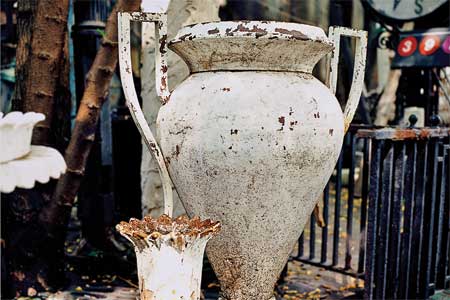
Some garden accents whisper. Victorian garden urns walk into the yard wearing a velvet cape, a top hat, and just enough drama to make the hydrangeas sit up straighter. These elegant outdoor planters have been charming American gardens for generations because they do more than hold flowers. They create height, symmetry, history, and that delicious “old estate” feelingeven if your estate is currently guarded by a squirrel with boundary issues.
Victorian garden urns are decorative containers inspired by the ornate tastes of the 19th century, when gardens were treated like outdoor rooms. They often feature fluted bowls, classical pedestal bases, curled handles, floral reliefs, lion heads, scrollwork, garlands, and rich weathered finishes. Whether made from cast iron, terracotta, stone, concrete, cast stone, or lightweight resin, these urns can instantly spice up a yard by adding structure and personality where ordinary pots might look a bit shy.
The beauty of a Victorian garden urn is its ability to feel formal without being stiff. Place one by a porch, flank a walkway with a pair, or tuck an aged urn into a cottage border, and suddenly the yard has a focal point. It looks intentional. It looks collected. It looks like someone might serve lemonade in crystal glasses nearby.
What Makes a Garden Urn “Victorian”?
Victorian style refers to the design spirit popular during Queen Victoria’s reign from 1837 to 1901. In garden decor, that often meant ornament, romance, craftsmanship, and a love of historical references. Victorian garden urns borrowed from classical Greek and Roman shapes but added the rich surface detail beloved in the 19th century. Think campana forms, gadrooned bowls, acanthus leaves, rope borders, medallions, grape clusters, cherubs, and pedestal bases that make the whole piece feel like a tiny monument.
During the Victorian period, garden ornaments were not just decorative extras. They were part of the landscape vocabulary. Urns, statues, fountains, benches, and trellises helped define outdoor spaces, frame views, and turn a walk through the garden into a little theatrical event. A well-placed urn could mark the end of a path, decorate a terrace, sit inside a parterre, or announce the entry to a front walk.
Why Victorian Garden Urns Still Work in Modern Yards
Victorian garden urns remain popular because they solve several design problems at once. A flat yard can feel more layered when an urn adds vertical interest. A porch can feel more welcoming when matching urn planters frame the steps. A plain patio can feel more elegant when a single large urn becomes a sculptural centerpiece. Even small yards benefit because urns deliver drama without requiring a huge planting bed.
They also bridge different garden styles. In a formal garden, urns emphasize symmetry and order. In a cottage garden, they add contrast against loose flowers and spilling vines. In a modern yard, one weathered urn can soften sharp lines and bring a sense of age. In a farmhouse landscape, a rusty cast iron urn can look as if it has been there since the house first learned how to creak.
Popular Materials for Victorian Garden Urns
Cast Iron Urns
Cast iron is one of the classic materials associated with antique Victorian garden urns. It allowed makers to create detailed molds, repeated patterns, and decorative reliefs. Cast iron urns are heavy, durable, and wonderfully moody when they develop patina. A little rust can look romantic; too much rust, however, means maintenance is calling politely but firmly.
Cast iron works especially well for formal entries, historic homes, brick patios, and gardens that need a strong focal point. Because metal can heat up in intense sun, choose plants carefully in hot climates and consider using a plastic nursery pot as an insert inside the urn to protect roots and make seasonal changes easier.
Terracotta and Clay Urns
Terracotta brings warmth, color, and old-world charm. Victorian-style terracotta urns look beautiful with Mediterranean herbs, pelargoniums, lavender, trailing ivy, or compact citrus in warm regions. The downside is that clay can crack in freezing weather if water expands inside the pot. In cold climates, terracotta urns should be protected, emptied, raised on pot feet, or moved under cover during winter.
Stone and Cast Stone Urns
Stone urns feel permanent, grand, and architectural. Cast stone offers a similar look at a lower price and with more consistent shapes. These urns are excellent for large yards, terraces, and traditional homes. They age beautifully, especially when moss, lichen, or soft discoloration adds character. The challenge is weight. Once you place a large stone urn, it may become less of a planter and more of a family member.
Concrete Urns
Concrete Victorian-style urns are affordable, sturdy, and widely available. They can imitate stone, limestone, or aged garden ornament. Some concrete urns have less crisp detail than antique cast iron or carved stone, but they work well for homeowners who want a substantial look without antique-shop pricing. Make sure the urn has drainage holes and is raised slightly so water can escape.
Resin and Fiberglass Urns
Modern resin and fiberglass urns are the practical cousins at the Victorian garden party. They are lightweight, easy to move, and often weather-resistant. Many are molded to resemble stone, iron, or aged bronze. They may not carry the same authenticity as antique materials, but they are excellent for balconies, rental homes, decks, and anyone who would rather not wrestle a 200-pound planter before breakfast.
How to Use Victorian Garden Urns in Yard Design
Frame an Entrance
A pair of Victorian urn planters beside a front door, gate, or walkway creates instant curb appeal. For a classic look, use matching urns with clipped boxwood, dwarf Alberta spruce, ferns, or seasonal flowers. Matching pairs bring balance and make the entry feel polished, even if the doormat is currently losing a battle with muddy shoes.
Create a Focal Point
One large urn can anchor a garden bed, courtyard, or patio corner. Place it at the end of a path, in the center of a circular bed, or where two sightlines meet. This technique works because the eye naturally looks for a destination. A Victorian urn gives the gaze somewhere stylish to land.
Add Height to Flower Beds
Many garden beds are beautiful at ground level but lack vertical structure. An urn on a pedestal raises flowers and foliage above the border, adding depth. Try a cast stone urn filled with trailing plants among roses, salvia, catmint, and ornamental grasses. The result is layered, romantic, and far more exciting than a flat row of plants marching like they are late for a meeting.
Dress Up a Patio or Deck
Victorian urns can make patios feel like outdoor rooms. Use one large urn as a centerpiece near seating, or arrange three urns of different heights in a corner. For decks, choose lightweight resin or fiberglass urns to reduce stress on the structure. Plant them with colorful annuals, dwarf shrubs, or compact perennials for a lush seasonal display.
Bring Character to Small Yards
Small spaces need strong choices. A Victorian urn can deliver a big design statement without occupying much ground. Use a tall, narrow urn near a fence, a petite pair on steps, or a single antique-style urn planted with trailing ivy and white impatiens in a shaded courtyard. The key is scale: choose a piece that feels special but does not bully the space.
Best Plants for Victorian Garden Urns
The best plants depend on sun exposure, climate, urn size, and the mood you want. A helpful container design method is the “thriller, filler, spiller” approach. The thriller is the tall focal plant. The filler adds fullness. The spiller trails over the rim and softens the edges.
Full-Sun Planting Ideas
For sunny locations, try a center plant such as purple fountain grass, angelonia, canna, dwarf boxwood, rosemary, or a compact evergreen. Add fillers like lantana, geraniums, zinnias, petunias, dusty miller, or calibrachoa. Finish with spillers such as sweet potato vine, trailing verbena, creeping Jenny, or dichondra. In a Victorian-style urn, rich burgundy foliage, deep pink blooms, silver leaves, and trailing greens look especially dramatic.
Shade Planting Ideas
For shaded porches or north-facing entries, use ferns, caladiums, coleus, begonias, impatiens, heuchera, ivy, or wishbone flower. A black cast iron urn with chartreuse coleus and trailing ivy can brighten a dim corner beautifully. For a softer look, combine white begonias, maidenhair fern, and variegated ivy.
Classic Evergreen Looks
Evergreens give Victorian urns year-round structure. Boxwood balls, small arborvitae, dwarf spruce, bay laurel, and clipped rosemary all work well in large containers. Around the base, add pansies in cool months or trailing annuals in summer. This look is timeless, tidy, and wonderfully low-dramaunlike certain garden hoses that tangle themselves for sport.
Seasonal Displays
Victorian urns are perfect for seasonal decorating. In spring, fill them with tulips, daffodils, pansies, and hyacinths. In summer, go big with geraniums, petunias, coleus, and trailing vines. In fall, use ornamental kale, mums, purple fountain grass, pumpkins, and gourds. In winter, arrange evergreen boughs, pinecones, red twig dogwood stems, magnolia leaves, and battery-powered lights for a festive entry.
Drainage, Soil, and Watering Tips
A Victorian urn may look aristocratic, but plants inside it still want basic care. Drainage is essential. Containers need holes so water can escape and roots can receive oxygen. Without drainage, roots can rot, soil can sour, and your beautiful urn becomes a very fancy swamp.
Use quality potting mix rather than heavy garden soil. Potting mix is lighter, drains better, and holds air around roots. If the urn is very deep, avoid filling the bottom with rocks as a drainage “fix.” It is usually better to use a proper potting mix throughout or place a smaller nursery pot inside the decorative urn. Inserts make watering, cleaning, and seasonal plant changes much easier.
Watering depends on weather, plant type, and urn material. Metal and terracotta can dry or heat up faster than glazed or plastic containers. Large leafy plants may need daily watering in hot summer weather. Always check the soil with your finger before watering. If the top inch feels dry, it is usually time to water. Water until excess drains from the bottom.
Container plants also need nutrients because frequent watering washes fertilizer from the mix. Use a slow-release fertilizer at planting time or feed with a diluted balanced fertilizer according to label directions during the growing season. Do not overfeed herbs or drought-tolerant plants; they prefer a lighter touch.
How to Identify Authentic Antique Victorian Urns
Authentic Victorian garden urns often show signs of age that are difficult to fake convincingly. Look for natural patina, worn edges, old casting seams, mineral staining, softened details, and construction methods consistent with 19th-century manufacturing. Cast iron urns may have old bolts, separate bowl and pedestal sections, or maker’s marks. Some American garden antiques from well-known foundries are especially collectible.
Reproductions can still be beautiful, and there is nothing wrong with choosing one. The important thing is to know what you are buying. A true antique should generally feel substantial, show age in logical places, and have design details that match the period. A reproduction may look cleaner, lighter, more uniform, or artificially distressed. If the price is high, ask questions about provenance, repairs, dimensions, and material.
Care and Maintenance for Victorian Garden Urns
Cast Iron Care
For cast iron urns, inspect for rust, flaking paint, loose joints, and trapped water. Light rust can be cleaned with a wire brush, then treated and sealed with appropriate exterior metal primer and paint. Avoid harsh methods on valuable antiques unless you understand preservation standards or consult a specialist. The goal is to protect the urn without erasing the character that makes it special.
Stone and Concrete Care
Stone, cast stone, and concrete urns should be kept on level surfaces and raised slightly to prevent constant contact with standing water. Clean gently with water and a soft brush. Avoid aggressive pressure washing, acidic cleaners, or anything that could damage the surface. Hairline cracks should be watched, especially in freeze-thaw climates.
Terracotta Care
Terracotta urns need extra winter attention. Empty them before hard freezes or move them to a sheltered place. If they stay outdoors, raise them on pot feet and make sure drainage is clear. Trapped water is the villain in this story, and it does not even have the decency to wear a cape.
Buying Tips: Choosing the Right Urn for Your Yard
Before buying a Victorian garden urn, measure the space. A tiny urn beside a grand entry can disappear. A massive urn on a narrow porch can make visitors sidestep like they are navigating a museum exhibit. For front doors, choose urns tall enough to be seen from the street. For garden beds, choose a size that relates to nearby shrubs, paths, and architecture.
Consider weight. Cast iron, stone, and concrete urns are durable but difficult to move. Lightweight urns are easier for renters, seasonal decorators, and deck gardeners. Check for drainage holes, stability, and interior planting depth. If the urn is purely decorative and has no drainage, use a hidden nursery pot insert.
Color also matters. Black or rusted iron looks classic with brick, white siding, and deep green foliage. Aged stone suits formal gardens and traditional homes. Terracotta warms up stucco, cottage gardens, and Mediterranean-inspired spaces. White or pale concrete can brighten shaded areas but may show dirt more quickly.
Design Mistakes to Avoid
The first mistake is choosing an urn that is too small. Victorian style has presence, so let the urn be confident. The second mistake is overplanting. A highly ornate urn already has detail, so the plants should complement it rather than compete with it. The third mistake is ignoring drainage. No matter how beautiful the container is, plants do not appreciate living in soup.
Another common mistake is scattering too many urns around the yard. One or two strong pieces often look better than seven unrelated containers having a loud family reunion. Use repetition intentionally. Matching pairs create formality, while a single statement urn creates focus.
Experience-Based Ideas for Styling Victorian Garden Urns
After working with Victorian-style garden urns in real outdoor settings, one lesson becomes clear: placement matters more than price. A modest reproduction urn can look stunning if it sits in the right spot, while an expensive antique can look oddly lost if it is pushed into a random corner. The best results usually come from treating the urn as part of the architecture of the yard, not just as a container for flowers.
One practical experience is to test placement before planting. Set the empty urn where you think it should go, then view it from different angles: the street, the front door, the kitchen window, the patio chair, and the main garden path. A Victorian urn should reward the eye from more than one viewpoint. If it only looks good when you stand exactly three feet away and squint, keep moving it.
Another useful approach is to plant for proportion. A tall urn needs plants with enough height and volume to balance it. Tiny flowers in a large urn can look like a teacup sitting in a ballroom. For a large pedestal urn, use a strong central plant such as an ornamental grass, canna, boxwood, or upright coleus. Then add medium plants around it and let trailing plants soften the rim. This gives the arrangement movement and keeps the urn from looking top-heavy.
In sunny yards, Victorian urns look especially beautiful with bold foliage. Flowers are lovely, but foliage keeps the design attractive even between bloom cycles. Burgundy coleus, silver artemisia, chartreuse sweet potato vine, purple fountain grass, and variegated ivy can create a rich Victorian palette without relying entirely on blossoms. Deep colors also pair well with dark cast iron and aged stone.
For shaded yards, ferns are almost impossible to beat. A stone or iron urn filled with Boston fern, maidenhair fern, ivy, and white begonias feels elegant, cool, and slightly mysterious. It gives the impression that someone nearby owns antique books and knows how to make excellent iced tea. In deep shade, choose foliage plants with contrasting leaf shapes so the arrangement does not become one green blur.
Seasonal changes are where Victorian urns truly earn their keep. Instead of reworking the whole yard, you can refresh two urns by the front steps and make the entire entrance feel new. Spring bulbs bring cheer, summer annuals bring abundance, fall mums and ornamental kale bring color, and winter greens bring structure. A pair of urns can carry the rhythm of the year better than almost any other garden accent.
One maintenance lesson is to use removable inserts whenever possible. Planting directly into a heavy urn can be awkward, especially when roots fill the container or when seasonal displays need changing. A plastic nursery pot slipped inside the urn makes the whole process easier. It also protects antique urns from constant soil moisture and allows you to lift plants out for watering, pruning, or winter storage.
Another experience-based tip is to respect the finish. Many homeowners are tempted to repaint old urns immediately, but a weathered finish is often the best part. Rust, moss, mineral stains, and faded paint can give a Victorian garden urn its soul. Clean and stabilize the piece if needed, but do not rush to make it look brand new. In garden design, age is not always a flaw. Sometimes it is the entire point.
Finally, let the urn match the personality of the yard. A formal brick home may call for matching cast iron urns with clipped evergreens. A cottage garden may prefer a slightly chipped terracotta urn spilling over with flowers. A modern patio may need just one aged stone urn planted simply with grass or succulents. The best Victorian garden urn is not necessarily the oldest, heaviest, or most expensive. It is the one that makes the yard feel more intentional, more charming, and just a little more magical.
Conclusion
Victorian garden urns are more than decorative planters. They are landscape accents with history, structure, and personality. Whether you choose antique cast iron, warm terracotta, stately stone, practical concrete, or lightweight resin, the right urn can spice up a yard with instant elegance. Use urns to frame entrances, anchor patios, add height to flower beds, and create seasonal displays that change with the year.
The secret is balance. Choose the right scale, provide proper drainage, use quality potting mix, and select plants that complement the urn instead of overwhelming it. A Victorian urn should feel like it belongs in the scene, as if the garden quietly dressed up for the occasion. And honestly, every yard deserves at least one accessory with a little flair.
Note: This article is an original, publish-ready synthesis based on real garden-history, preservation, container-gardening, and landscape-design information. It contains no citation placeholders, source-code explanations, or contentReference tags.













