
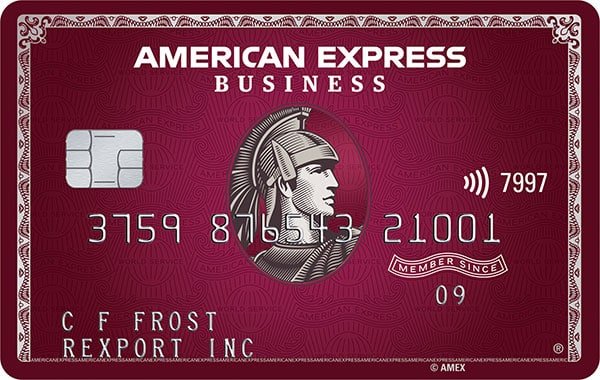
The American Express Plum Card for business is not your typical “rack up points, dream about beach resorts, then forget the redemption rules” business card. It is built around something far more practical: cash flow. For many small business owners, that phrase is either music to the ears or the reason the coffee machine gets used like emergency medical equipment.
This card gives business owners two main levers: pay early and earn a 1.5% Early Pay Discount on eligible charges, or take extra time to pay without interest when you meet the card’s payment requirements. That makes the Plum Card unusual. It is less about luxury perks and more about timingwhen money leaves your account, when invoices get paid, and how much breathing room your business needs between “order inventory” and “customer finally pays.”
In this American Express Plum Card review for business, we’ll break down the card’s fees, benefits, drawbacks, ideal users, real-world examples, and practical experiences. The goal is simple: help you decide whether this card is a smart financial tool or just a very expensive purple rectangle.
American Express Plum Card at a Glance
| Card Type | Business charge card |
|---|---|
| Annual Fee | $250 |
| Main Benefit | 1.5% Early Pay Discount on eligible charges paid within 10 days of statement closing |
| Payment Flexibility | Take up to 60 days to pay with no interest when minimum payment requirements are met |
| Foreign Transaction Fee | None |
| Employee Cards | Up to 99 employee cards with no annual fee |
| Best For | Businesses with predictable cash flow, high monthly expenses, and disciplined payment habits |
How the American Express Plum Card Works
The Plum Card is a business charge card, which means it is different from a traditional business credit card. With many credit cards, you can carry a balance month to month and pay interest. With the Plum Card, the focus is short-term payment flexibility rather than long-term revolving debt.
The card’s headline feature is the 1.5% Early Pay Discount. If you pay eligible charges within 10 days of your statement closing date and meet the minimum payment requirements, American Express applies the discount as a statement credit on your next billing statement. It is not a points program. You do not need to memorize airline transfer partners, redemption charts, or whether Tuesday at 2:00 a.m. is the magic time to book a flight. You simply pay early and receive a discount.
The second major feature is Extra Days to Pay. If you pay at least the minimum amount due by the payment due date, you may defer the rest of the eligible balance until the next payment due date. In plain English, the card can give your business additional time before cash leaves the bank account.
The 1.5% Early Pay Discount Explained
The Early Pay Discount is the Plum Card’s best-known benefit. A 1.5% discount may sound small, but in business spending, small percentages can grow up quickly. If your company spends $50,000 per year in eligible purchases and pays early, a 1.5% discount equals $750. Subtract the $250 annual fee, and you still come out $500 ahead before considering other benefits.
Here is the simple break-even math:
- $250 annual fee divided by 1.5% equals about $16,667 in eligible annual spending.
- If you pay early on more than roughly $16,667 per year in eligible purchases, the discount can offset the annual fee.
- If your eligible early-paid spending is much lower than that, the card becomes harder to justify.
For example, a marketing agency spending $6,000 per month on software, contractors, travel, and client expenses could earn about $1,080 per year in Early Pay Discounts if all charges qualify and are paid early. After the annual fee, that is still approximately $830 in net value. Not bad for doing something the agency might already do: paying bills quickly.
Extra Days to Pay: Helpful, But Not a Free-for-All
The Extra Days to Pay feature is where the Plum Card becomes interesting for businesses with uneven cash flow. Suppose a company buys $20,000 in inventory this month but expects customer payments to arrive next month. The card may allow the company to pay the minimum amount due now and defer the rest until the next due date, without interest, if all requirements are met.
That can be powerful. It can help bridge timing gaps between expenses and revenue. It can also reduce the need to dip into a line of credit for short-term working capital.
However, business owners should not treat this as unlimited financing. The minimum payment requirement still matters, deferred balances come due, and late payments can trigger fees. The Plum Card is best used as a cash-flow timing tool, not as a substitute for a long-term loan.
Annual Fee and Other Costs
The American Express Plum Card has a $250 annual fee. That is not outrageous compared with premium business cards, but it is high enough to demand a clear reason for applying. If your business will not use the Early Pay Discount or Extra Days to Pay, the fee may feel like paying rent for a card that mostly sits in your wallet looking sophisticated.
The card has no foreign transaction fee, which is helpful for businesses that travel internationally or buy from overseas vendors. Employee cards are also available with no annual fee, which can be useful for companies that want to centralize spending while keeping individual controls.
Late payments are the real danger zone. If your business misses required payments, fees can apply, and the value of the card quickly shrinks. In other words, the Plum Card rewards discipline and quietly side-eyes chaos.
Rewards: Is It Really Cash Back?
The Plum Card does not work like a traditional cash back card. You do not earn rewards on every purchase just for using the card. Instead, you receive a 1.5% discount only when eligible charges are paid early according to the card’s rules.
This distinction matters. A regular 1.5% cash back business card may reward purchases regardless of whether you pay early, while the Plum Card ties value directly to payment timing. That means the card can be excellent for businesses that pay early anyway, but less attractive for companies that need ongoing financing or prefer flexible redemptions.
Who Should Consider the American Express Plum Card?
Businesses With Strong, Predictable Cash Flow
If your business regularly has enough cash to pay early, the Plum Card can act like an automatic discount machine. It works especially well for firms with steady revenue, predictable expenses, and a habit of paying bills ahead of schedule.
Companies With Large Monthly Operating Expenses
The card becomes more valuable as eligible spending increases. Businesses that spend heavily on supplies, equipment, advertising, shipping, inventory, or services may find the 1.5% Early Pay Discount meaningful.
Businesses That Occasionally Need Short-Term Breathing Room
The Extra Days to Pay feature can help when expenses and revenue do not arrive on the same schedule. Seasonal businesses, wholesalers, consultants, contractors, and inventory-based companies may appreciate this flexibility.
Who Should Skip the Plum Card?
Businesses That Want Travel Rewards
If you want airline miles, hotel points, lounge access, or premium travel credits, the Plum Card is probably not your dream match. It is more “practical finance office” than “champagne at the airport lounge.”
Businesses That Cannot Pay Reliably
The Plum Card is not ideal for companies with unstable cash flow or frequent late payments. The benefits depend on paying on time, and the card’s payment structure requires discipline.
Low-Spending Businesses
If your business spends only a few thousand dollars per year on eligible purchases, the $250 annual fee may outweigh the value of the Early Pay Discount.
American Express Plum Card Pros and Cons
Pros
- 1.5% Early Pay Discount on eligible charges paid within the required window.
- Potential to take up to 60 days to pay with no interest when payment requirements are met.
- No foreign transaction fee.
- Employee cards are available with no annual fee.
- No preset spending limit, though that does not mean unlimited spending.
- Helpful business tools, including account management and expense tracking features.
Cons
- $250 annual fee.
- No traditional points, miles, or broad cash back rewards.
- Early Pay Discount requires specific payment timing.
- Not ideal for long-term financing.
- Better rewards may be available from other business cards if you do not need payment flexibility.
How It Compares With Other Business Cards
Compared with the American Express Blue Business Cash Card, the Plum Card is more focused on payment timing than simple rewards. The Blue Business Cash Card offers 2% cash back on eligible purchases up to an annual cap, then 1%, and it has no annual fee. For smaller businesses that want easy cash back, that may be the better fit.
Compared with the American Express Business Gold Card, the Plum Card is simpler but less rewarding for category-heavy spenders. The Business Gold Card can earn strong Membership Rewards points in top business categories, but it also has a higher annual fee and a more complex value equation.
Compared with a no-annual-fee flat-rate business card, the Plum Card only wins when its payment flexibility or early-pay structure creates more value than standard cash back. That is the heart of the decision: do you need cash-flow control more than conventional rewards?
Real-World Example: When the Plum Card Makes Sense
Imagine a small design-build firm that spends $12,000 per month on materials, software, fuel, and subcontractor-related expenses. The company’s clients typically pay invoices within 30 to 45 days. Some months, cash is abundant. Other months, it feels like the money is playing hide-and-seek behind accounts receivable.
During strong months, the firm pays its Plum Card balance early and earns the 1.5% discount. On $12,000 of eligible monthly charges, that could equal about $180 per month, or $2,160 per year before the annual fee. During tighter months, the firm uses Extra Days to Pay to preserve cash while waiting for client payments.
In this case, the Plum Card is not just a payment card. It becomes a cash-flow strategy. The company gets a reward when it is flush and flexibility when timing gets awkward.
Real-World Example: When the Plum Card Does Not Make Sense
Now imagine a solo consultant who spends $800 per month on business expenses and usually wants travel rewards. Even if every dollar qualifies for the Early Pay Discount, the annual discount would be about $144. That does not cover the $250 annual fee.
For this consultant, a no-annual-fee cash back card or a travel rewards business card may be more practical. The Plum Card’s special sauce only tastes good when the numbers work.
Application and Approval Considerations
American Express does not publish a single guaranteed credit score requirement for the Plum Card. In general, business owners should expect that good to excellent personal credit, stable income, and healthy business financials can improve approval odds. American Express may also review your credit history, payment behavior, business profile, and existing relationship with the issuer.
The card may require the business and the applicant to be responsible for charges. Business owners should read the terms carefully before applying, especially if they are trying to separate personal and business liability.
Business Benefits Beyond the Discount
The Plum Card includes several practical American Express business features. Employee cards can help track team spending, set limits, and consolidate expenses. Account alerts and online management tools can make it easier to monitor charges. The card may also include purchase protection, extended warranty coverage, and travel assistance benefits, depending on current terms and eligibility.
These benefits are not the main reason to get the card, but they add useful support. Think of them as the backup singers. The Early Pay Discount and Extra Days to Pay are still the lead vocals.
Is the American Express Plum Card Worth It?
The American Express Plum Card is worth considering if your business spends enough on eligible purchases, pays early often, and values short-term payment flexibility. The card is especially compelling for companies that want to smooth cash flow without juggling a traditional credit card balance or paying interest.
It is less compelling if you want rich travel rewards, simple no-fee cash back, or long-term financing. The card’s value depends heavily on behavior. Pay early, and it can reward you. Use Extra Days to Pay carefully, and it can provide breathing room. Miss payments, and the math can turn grumpy fast.
Practical Experiences With the American Express Plum Card for Business
In day-to-day business use, the American Express Plum Card tends to feel less like a rewards card and more like a financial timing tool. That may sound less exciting than a luxury travel card, but for many business owners, timing is the whole game. A restaurant owner ordering supplies, a marketing agency paying contractors, or an e-commerce seller restocking inventory may care more about when money leaves the account than whether a purchase earns airline miles.
One common experience is that the Early Pay Discount encourages better payment habits. When a business owner knows there is a 1.5% discount available for paying eligible charges quickly, paying early becomes more attractive. It turns discipline into a small but measurable reward. This can be especially helpful for companies that already have cash available but sometimes let bills sit because nobody wants to do accounting on a Friday afternoon. The Plum Card gives that task a little financial nudge.
Another practical experience is the usefulness of Extra Days to Pay during awkward billing cycles. Many small businesses do not have bad revenue; they have badly timed revenue. Clients pay on net-30 or net-45 terms, vendors want payment sooner, and payroll does not politely wait until invoices clear. In those moments, the Plum Card can help bridge a short gap. It is not a magic wand, but it can reduce pressure when used carefully.
That said, the card demands organization. Owners who do not track statement closing dates, payment due dates, and cash flow may not get full value. The Early Pay Discount is tied to timing, and Extra Days to Pay has rules. A business that treats every due date as a rough suggestion may find the card more stressful than helpful. The Plum Card is happiest in the hands of someone who uses calendars, bookkeeping software, and maybe labels their folders. We do not judge. The folders are probably beautiful.
For teams, employee cards can be convenient. Instead of reimbursing staff for purchases or letting expenses scatter across personal cards, a business can centralize spending. This makes reporting easier and may increase the amount of spending eligible for the Early Pay Discount. However, employee cards also require controls. A card program without spending limits is how “quick office supply run” becomes “why did we buy a standing desk shaped like a spaceship?”
Businesses that travel internationally may also appreciate the lack of foreign transaction fees. While the Plum Card is not a premium travel rewards card, avoiding extra fees on overseas purchases can still matter. Importers, consultants, and companies paying international vendors may find that benefit useful.
The biggest real-world downside is opportunity cost. If your business could earn 2% cash back on another card with no annual fee, or valuable points in high-spend categories, the Plum Card needs to justify itself through payment flexibility or early-pay savings. It is not automatically the best card because it is unique. It is the best card only when its structure fits your business habits.
Overall, using the American Express Plum Card well feels like running a tidy cash-flow system. The rewards are not flashy, but they are practical. The flexibility is not unlimited, but it can be valuable. For a business with strong habits and meaningful expenses, the card can quietly earn its place. For a business that wants simple rewards without payment choreography, another business card may be the smoother dance partner.
Final Verdict
The American Express Plum Card for business is a specialized card for a specific type of owner: someone who understands cash flow, pays attention to timing, and wants either a discount for early payment or a short no-interest payment extension. It is not the best card for every business, and it is definitely not the most glamorous. But for the right business, it can be genuinely useful.
If your company spends more than about $16,667 per year in eligible charges and can pay early, the 1.5% Early Pay Discount may cover the annual fee and then some. If your business occasionally needs extra time to align expenses with incoming revenue, the Extra Days to Pay feature can add flexibility. But if you want points, travel perks, or no annual fee, shop around before committing.
Note: Card terms, fees, benefits, and eligibility rules can change. Always confirm the latest details directly with American Express before applying or publishing financial recommendations.













