
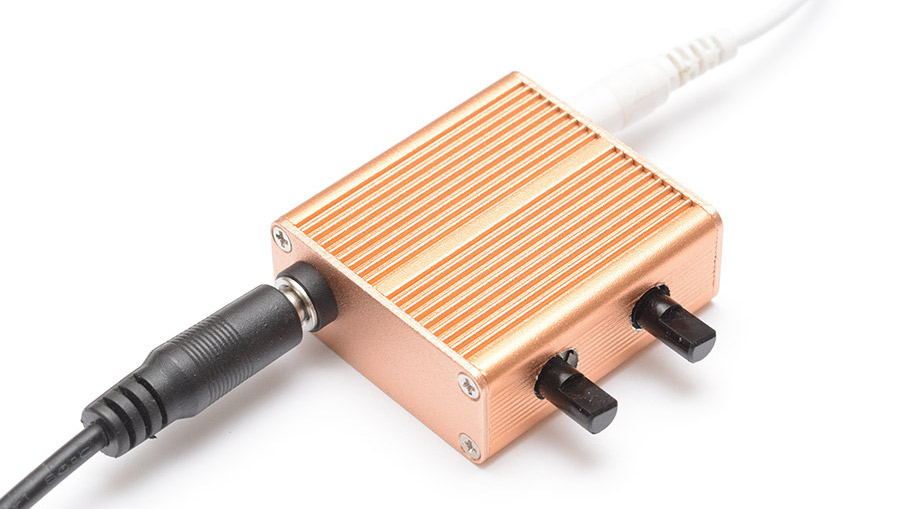
Some sounds enter a room politely. Others kick the door open, raid the snack drawer, and start a bass solo through the wall at 1:17 a.m. That is where the analog noise generator earns its tiny cape. It does not silence the universe, because unfortunately physics has not yet offered a refund policy. Instead, it fights unwanted noise with a carefully shaped layer of other noise: a soft, steady, controllable sound that makes distractions harder for the brain to grab.
An analog noise generator is a hardware device that creates random electrical noise and turns it into audio. Unlike a phone app looping an audio file, an analog box produces its hiss, rumble, or waterfall-like wash in real time. It can be tuned with knobs, shaped with filters, and adjusted to suit a room, a sleeper, a desk, or a stubborn neighbor whose subwoofer appears to have union representation.
The idea sounds backwards at first. Why add noise when noise is the problem? The answer is masking. A steady background sound can cover sudden or irregular sounds, making them less noticeable. Used wisely, an analog noise generator becomes a practical tool for sleep, focus, privacy, and comfort. Used badly, it becomes just another loud thing in a world already auditioning for “Most Annoying Orchestra.” The trick is choosing the right kind of noise, at the right volume, in the right place.
What Is an Analog Noise Generator?
An analog noise generator is an electronic circuit that creates random voltage fluctuations and converts them into sound. These fluctuations can come from natural electronic behavior inside components such as resistors, transistors, or reverse-biased diodes. Engineers normally treat noise as a villain. In this case, the villain gets a haircut, learns manners, and becomes useful.
The simplest version produces white noise, a broad sound containing energy across a wide range of frequencies. To the ear, white noise often resembles radio static, TV snow, or a hissy fan with a college degree in chaos. But many people find pure white noise too sharp because it includes a lot of high-frequency content. That is why many useful noise machines do not stop at raw white noise. They filter and shape it into pink noise, brown noise, red noise, or some custom “please let me sleep” blend.
The famous DIY project often associated with this topic is the Rumbler, a compact analog noise box designed to create a deeper, smoother masking sound. Rather than blasting flat white noise, it filters the signal into a lower, warmer texture closer to red or brown noise. That matters because many household distractions that travel through walls, floors, and windows lose their high frequencies along the way. What survives is often low-end thump, murmur, and rumble. Matching that lower-frequency character can make the masking sound more effective and less irritating.
How Noise Fights Noise Without Canceling It
An analog noise generator is not the same thing as active noise cancellation. Noise-canceling headphones use microphones and signal processing to create an opposing waveform. That technology can be excellent for steady sounds like airplane engines, but it is complex and highly dependent on position, timing, and the listener’s ears.
Sound masking is simpler. It raises the background sound level just enough that unwanted sounds blend into it. Imagine trying to spot a single gray cat on a white floor. Easy. Now imagine the same cat sitting on a gray shag rug. The cat is still there, but your brain has to work harder to identify it. Sound masking does something similar for ears.
The brain is excellent at detecting patterns. A dripping faucet, a half-heard conversation, a barking dog, or a bass line through the wall can become impossible to ignore because it changes. Random, steady noise gives the brain fewer patterns to chase. It is not exciting, which is exactly the point. Boring sound can be a luxury product when the alternative is your neighbor discovering EDM at midnight.
White, Pink, Brown, and Red Noise: The Color Wheel of “Shhh”
Noise colors describe how sound energy is distributed across frequencies. These names are borrowed from the way light colors are described, though nobody is suggesting your speaker is secretly a rainbow with a soldering iron.
White Noise
White noise contains equal energy per frequency. It sounds bright, airy, and static-like. It can be useful for masking sharp sounds, but some listeners find it harsh over long periods. White noise is the espresso shot of noise colors: effective, but not everyone wants it at bedtime.
Pink Noise
Pink noise reduces energy as frequency rises, making it sound smoother and more balanced to human ears. Rainfall, steady wind, and distant surf are often described as pink-ish in character. Many commercial sleep and focus sounds aim somewhere near this territory because it feels less aggressive than white noise.
Brown or Red Noise
Brown noise, sometimes called red noise or Brownian noise, emphasizes lower frequencies even more. It has a deep, soft rumble that can feel like thunder far away, heavy rain, or a large fan behind a curtain. This is where an analog noise generator like the Rumbler becomes interesting: by filtering white noise downward, it produces a sound better suited to masking low-frequency intrusions.
Blue and Violet Noise
Blue and violet noise emphasize higher frequencies. They are more useful in testing, synthesis, or specialized audio work than in everyday sleep masking. Unless your idea of relaxation is being serenaded by a thousand tiny robot crickets, these are usually not the first choice for bedroom comfort.
What Happens Inside the Box?
At a high level, an analog noise generator has four main jobs: create randomness, amplify it, shape it, and send it to a speaker or audio output. The magic is not supernatural. It is physics being politely exploited.
The noise source may be a reverse-biased diode, a transistor junction, or another component operating in a noisy region. Electronic components naturally create tiny random signals. In most circuits, designers try to reduce that behavior. In a noise generator, the circuit invites it to the party and gives it a microphone.
After the raw noise is created, an amplifier boosts it to a useful level. Filters then shape the tone. Low-pass filters reduce high frequencies, creating a deeper sound. Other filter networks can tilt the spectrum toward pink or brown noise. A volume control sets the level, and tone controls may allow the user to adjust brightness, weight, or rumble.
This analog approach has a special charm because the controls are immediate. Turn a knob and the room changes. No app menu. No subscription. No notification asking whether you enjoyed your relaxing thunderstorm experience. Just hardware doing hardware things.
Why Choose Analog Instead of a Phone App?
Digital noise apps are convenient, cheap, and often excellent. For many people, they are the best solution. But analog noise generators have advantages that appeal to tinkerers, audio nerds, and anyone who wants a dedicated device that does one thing well.
First, analog noise does not rely on a looped recording. Some digital tracks loop smoothly, while others reveal a tiny seam that the brain eventually notices. Once you hear the loop, congratulations: your relaxation track has become a detective story. Analog noise is continuously generated, so there is no repeating file to catch.
Second, knobs are underrated. Physical controls let you adjust sound quickly in the dark, without unlocking a phone and accidentally seeing three messages, two news alerts, and one app reminding you that your screen time is “slightly concerning.”
Third, a dedicated analog box avoids phone-related interruptions. No battery-draining app, no Bluetooth hiccup, no surprise alarm, and no temptation to check social media “for one second,” which is how civilizations fall.
Finally, analog design is fun. Building or using a hardware noise generator connects acoustics, electronics, sleep habits, and old-school audio experimentation. It is practical enough to justify and nerdy enough to love.
Best Uses for an Analog Noise Generator
Sleep Support
A low, steady noise can help some people fall asleep by masking traffic, hallway sounds, neighbors, creaky buildings, or the mysterious refrigerator clunk that always sounds like it is beginning a career in percussion. The key is moderation. The sound should be comfortable and quiet, not a private concert for your pillow.
Focus and Studying
For reading, writing, coding, homework, or deep work, gentle noise can reduce the impact of distracting speech. Human voices are especially hard to ignore because the brain wants to decode language automatically. A smooth masking sound can make those voices less intelligible, which helps attention stay on the task instead of on someone else’s dramatic lunch plans.
Office Privacy
Commercial sound masking systems are widely used in offices, clinics, waiting rooms, and shared spaces. They do not make conversations disappear, but they can reduce how clearly speech travels. An analog noise generator is not a full building-wide masking system, but the same principle applies on a smaller scale: raise the acoustic floor gently and make distractions less distinct.
Creative Audio and Synth Work
Noise is not only for sleeping. Musicians and sound designers use analog noise for percussion, wind effects, sweeps, drones, risers, and texture. A filtered noise source can become snare drum snap, ocean surf, spaceship air, or the sound of a haunted printer reconsidering its life choices.
Placement Matters More Than People Think
A noise generator works best when it is placed between you and the unwanted sound, or near the area where masking is needed. If the problem is noise from a shared wall, placing the speaker near that wall may help blend the intrusion before it reaches your ears. If the goal is sleep, the unit should not be blasting beside your head. A few feet away, at a low volume, is usually more comfortable.
Volume should be just high enough to reduce contrast between the background and the disturbance. Turning it up too much can backfire. Loud masking becomes its own stressor, and ears deserve better than being used as test equipment.
For infants and young children, extra caution is important. Keep sound machines low, place them away from the crib or bed, and avoid continuous high-volume use. For everyone, safe listening matters. Hearing-health guidance commonly warns that prolonged exposure to loud sound can contribute to hearing damage, so the goal is gentle masking, not acoustic wrestling.
Analog Noise Generator vs. Fan, Air Purifier, or Smart Speaker
A fan is the classic noise generator: cheap, physical, and wonderfully unpretentious. It moves air and masks sound at the same time. The downside is that it may make a room too cold, collect dust, or produce a tone you cannot adjust.
An air purifier adds practical value by cleaning air while creating steady sound. However, its tone depends on motor speed and filter design. Some people love it; others hear a tiny jet engine applying for takeoff clearance.
A smart speaker or app offers endless sound options, but it adds digital complexity. Wi-Fi drops, apps update, tracks loop, and voice assistants sometimes misunderstand silence as an invitation to participate.
An analog noise generator sits in a sweet spot. It is adjustable, dedicated, and simple. It does not cool the room, purify the air, or answer trivia questions. It just makes controlled noise, which is exactly why it is useful.
What to Look For in a Good Analog Noise Generator
A strong analog noise generator should offer smooth volume control, useful tone shaping, low electronic hum, and enough output for the intended space. It should be easy to operate without a screen. It should also avoid harsh high-frequency hiss unless that is specifically desired.
For sleep and focus, brown or pink-leaning noise is often more comfortable than pure white noise. For audio experimentation, a wider range of filter controls may be better. For travel, size and power options matter. For a bedroom, reliability matters most. Nobody wants to wake up at 3 a.m. because the relaxation gadget has decided to perform a tiny electronic solo.
Build quality also counts. A good enclosure reduces unwanted buzz, protects the circuit, and keeps controls accessible. In DIY builds, layout matters because analog circuits can pick up hum, interference, or grounding problems. The difference between “soothing rumble” and “angry fluorescent light trapped in a mint tin” can be surprisingly small.
The Real Beauty: Controlled Imperfection
Analog noise generators are appealing because they turn imperfection into utility. Randomness becomes comfort. Electronic hiss becomes privacy. A filtered rumble becomes a small shield against a noisy world. That is a lovely little reversal.
They also remind us that not every problem needs a complicated digital solution. Sometimes the right answer is a circuit, a speaker, two knobs, and a sound so boring it becomes beautiful. In a culture obsessed with clarity, productivity, and notifications, a box that produces meaningful meaninglessness feels almost rebellious.
The best analog noise generator does not demand attention. It removes attention from the wrong things. It gives the brain a soft place to land. It makes a room feel less exposed. It is not silence, but it is often the next best thing: a friendly fog for the ears.
Experience Notes: Living With a Little Box of Rumble
The first time you use an analog noise generator properly, the effect can feel underwhelming. That is a compliment. If it is doing its job, it should not announce itself like a marching band in slippers. It should simply make the annoying sounds feel farther away. The neighbor’s bass does not vanish, but it loses some of its sharp outline. The hallway voices stop forming complete sentences. The radiator clank becomes part of the scenery instead of the villain in tonight’s episode of “Why Am I Awake?”
In practice, the best setting is rarely the loudest one. A common beginner mistake is to crank the generator until it dominates the room. That works for about five minutes, then your ears file a complaint. A better method is to start low, wait, and raise the volume only until the distracting sound becomes less attention-grabbing. The target is not victory by force. The target is camouflage.
The tone control matters just as much as volume. Bright white noise can be helpful during the day when you need to cover keyboard clicks, distant chatter, or street sounds. At night, that same brightness may feel like sleeping inside a radio tuned between stations. A warmer brown or red noise setting often feels easier to live with because it avoids the prickly top end. It is less “static blanket” and more “distant storm behaving itself.”
Placement also changes everything. A small speaker on a bedside table can sound too direct, especially if it points at your head. Move it across the room and the sound spreads out. Put it near the wall where noise enters and it may mask the intrusion before your brain locks onto it. Even a few feet can change the character from irritating to invisible. Acoustics is sneaky like that.
There is also a psychological benefit to using dedicated hardware. A phone app works, but a phone is a trapdoor. You open it to adjust the noise and suddenly you are reading comments from strangers about breakfast cereal. A physical analog box avoids that nonsense. One knob for volume, one knob for tone, and no glowing rectangle trying to sell you socks.
For studying or writing, the analog generator can become part of a ritual. Turn it on, set the rumble, clear the desk, and the room changes mood. It tells the brain, “We are working now.” For sleep, it can become the opposite signal: “We are done working now; please stop replaying awkward conversations from 2019.” Either way, the value is not just the sound. It is the consistency.
The funniest part is that an analog noise generator is technically making more noise, yet the room feels quieter. That is the little paradox at the heart of the device. It does not defeat chaos by eliminating it. It defeats chaos by becoming a better, smoother, more polite chaos. In a world full of random interruptions, that feels oddly civilized.
Conclusion
An analog noise generator is a clever reminder that sound is not always the enemy. The right sound, shaped well and played gently, can protect attention, support rest, improve privacy, and soften the rough edges of modern life. Whether it is built from a diode, filters, amplifiers, and a pocket-sized enclosure or purchased as a dedicated audio tool, the principle remains the same: use controlled randomness to tame uncontrolled randomness.
White noise may be the famous member of the family, but pink, brown, and red noise often make better roommates. They are smoother, deeper, and less likely to feel like a tiny sandstorm in the ear. For low-frequency distractions, a warm analog rumble can be especially useful because it matches the kind of sound that travels through walls most stubbornly.
The best advice is simple: keep it low, tune it gently, place it thoughtfully, and let it disappear into the background. When an analog noise generator is working well, you do not admire it constantly. You forget it is there. And in a noisy world, forgetting about noise is a small miracle with knobs.
Note: This publish-ready article is based on synthesized information from real electronics, acoustics, sleep, and hearing-safety references. Source links are intentionally not included in the HTML per the requested publishing format.











