
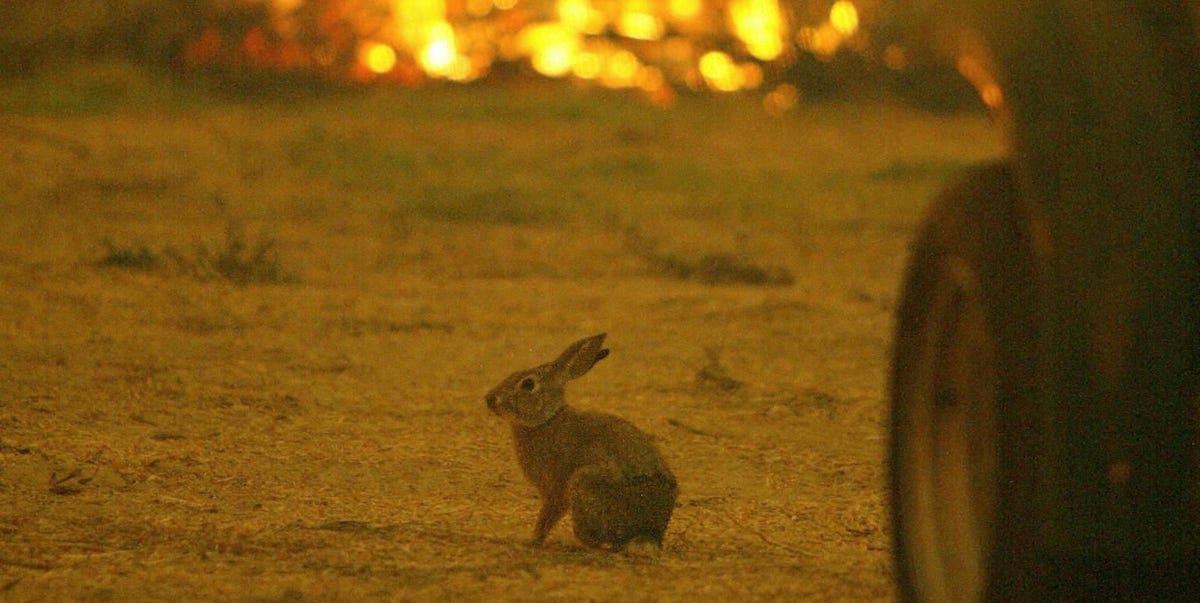
When a wildfire roars across a hillside, humans are not the only ones making emergency decisions. Deer bolt through smoke, birds lift into hazy skies, snakes slide underground, horses wait for trailers, dogs panic at sirens, and cats suddenly remember they have been “independent” for years and hide under the one bed nobody can move. Animals during wildfire face a confusing mix of heat, smoke, noise, habitat loss, and human evacuation chaos.
The good news is that many wild animals are not helpless. Fire has shaped North American ecosystems for thousands of years, and countless species have evolved ways to escape, shelter, or benefit from the new habitat that follows a healthy burn. The bad news is that modern wildfires can be larger, hotter, faster, and more destructive than the fires many ecosystems adapted to. Add homes, roads, fences, pets, livestock, and climate-driven drought into the story, and wildfire becomes less like a natural reset button and more like nature’s smoke alarm screaming at full volume.
This guide explains what happens to wildlife, pets, livestock, and rescued animals during wildfire, how smoke affects animal health, what owners should do before evacuation, and how communities can help animals recover after the flames move on.
What Happens to Wild Animals During Wildfire?
Wild animals usually respond to wildfire in one of three ways: they flee, hide, or ride it out in a protected spot. Their survival depends on the speed of the fire, the intensity of the heat, the season, the species, and the landscape. A slow-moving ground fire in a fire-adapted forest is very different from a wind-driven crown fire racing through dry trees and neighborhoods.
Large mammals often run from danger
Animals such as deer, elk, coyotes, bears, bobcats, mountain lions, and foxes can often detect fire before people see flames. They may smell smoke, hear unusual movement, or sense changes in wind and temperature. Many simply move away from the danger zone. This is not always graceful. A frightened deer does not pause to consult Google Maps. It follows instinct, terrain, and open routes.
Problems arise when roads, fences, suburbs, or steep terrain block movement. A wildfire does not need to directly burn an animal to harm it. Smoke inhalation, dehydration, stress, vehicle collisions, and displacement can all become serious threats. After a fire, large mammals may wander into neighborhoods looking for food, water, or cover, which can increase conflict with humans.
Small animals use underground shelters
Many smaller animals survive wildfire by going below the surface. Rodents, reptiles, amphibians, insects, and burrowing mammals may shelter in tunnels, rock piles, moist soil, logs, or deep leaf litter. Underground temperatures can remain safer than the surface during some fires, especially when flames pass quickly.
However, survival is not guaranteed. Very intense fires can heat soil, remove protective vegetation, dry out burrows, and destroy the food sources these animals need later. Species with limited mobility, such as young animals in nests or dens, are especially vulnerable.
Birds can fly away, but nests cannot
Most adult birds can escape by flying to safer areas. Some birds even use the aftermath of fire to hunt insects or move into newly opened habitat. Woodpeckers, flycatchers, and other species may benefit from burned trees that attract insects or create nesting cavities.
The hardest hit are eggs, nestlings, and birds nesting close to the ground during fire season. Smoke can also interfere with migration, feeding, and breathing. A bird may escape the flames yet still struggle if its nesting site, food supply, or cover disappears overnight.
Wildfire Smoke and Animals: The Invisible Threat
Flames look dramatic, but smoke can be just as dangerous. Wildfire smoke contains fine particles and gases that can irritate the eyes, nose, throat, and lungs of animals. Pets, horses, livestock, birds, and wildlife can all be affected. Animals with heart or lung disease, older animals, young animals, flat-faced dog breeds, and birds are often more sensitive.
Warning signs of smoke irritation may include coughing, gagging, wheezing, watery eyes, nasal discharge, unusual tiredness, open-mouth breathing, reduced appetite, or trouble exercising. With horses and livestock, owners may notice labored breathing, nasal discharge, reluctance to move, or reduced performance. Birds may show subtle signs at first, so owners should be especially careful with pet birds when air quality drops.
How to protect pets from wildfire smoke
When smoke levels are unhealthy, bring pets indoors and keep windows and doors closed. Limit outdoor bathroom breaks to the shortest practical time. Avoid heavy exercise, even if your dog looks personally offended by the cancellation of fetch. Use clean indoor air when possible, and keep pets away from ash, burned debris, and contaminated water.
For animals that live outside, provide shelter with the cleanest available air, fresh water, and low-dust feed. Do not force animals to run, train, or work in smoky conditions. If an animal has breathing trouble, contact a veterinarian immediately. Smoke exposure can become serious quickly, and animals are not known for calmly filling out symptom checklists.
Pets During Wildfire: Preparation Saves Lives
For pets, wildfire safety starts long before smoke appears on the horizon. Dogs, cats, rabbits, birds, reptiles, and small mammals depend on humans to plan transportation, shelter, food, medication, and identification. The most important rule is simple: if it is not safe for you, it is not safe for your pet.
Build a pet wildfire evacuation kit
A pet emergency kit should be ready before wildfire season. Include several days of food and water, bowls, medications, copies of vaccine records, a pet first-aid kit, collars, leashes, harnesses, carriers, litter supplies, waste bags, towels, comfort items, and current photos of your pet. Add written instructions about feeding schedules, medical needs, behavior concerns, and your veterinarian’s contact information.
For cats and small animals, carriers are essential. A panicked cat can transform into a furry smoke alarm with claws, so practice carrier training early. For dogs, keep leashes near exits. For reptiles, birds, rabbits, and pocket pets, prepare species-appropriate travel containers that maintain safe temperature and ventilation.
Plan where pets can go
Not every emergency shelter accepts pets. Some shelters allow only service animals, while others coordinate with animal shelters or temporary boarding sites. Before wildfire season, identify pet-friendly hotels, relatives, friends, boarding facilities, veterinary clinics, fairgrounds, or community animal shelters outside the fire zone.
Microchips and ID tags matter. Wildfires create chaos, and frightened pets may escape during loading, evacuation, or temporary housing. A current microchip, collar tag, and recent photo can turn a heartbreaking search into a reunion story.
Livestock and Horses During Wildfire
Horses, cattle, goats, sheep, alpacas, pigs, and other livestock require more planning than animals that fit into a carrier. Large animals need trailers, trained handlers, safe routes, feed, water, and destination sites. Waiting until flames are close can make evacuation dangerous or impossible.
Evacuate large animals early
Large animal owners should create a wildfire plan that includes trailer access, backup drivers, destination locations, health records, feed supplies, and clear identification. Practice loading horses before an emergency. A horse that refuses a trailer on a normal Tuesday will not suddenly become a transportation enthusiast under orange skies.
When evacuation is recommended, move early. Smoke, road closures, traffic, frightened animals, and limited trailer space can slow everything down. If you own more animals than you can transport, arrange help with neighbors, local horse groups, agricultural networks, or emergency animal response teams before the season begins.
Prepare the property if evacuation is impossible
Sometimes evacuation is not possible. In that case, owners may need to make difficult decisions based on local emergency guidance and veterinary advice. Reduce flammable materials around barns, clear dry vegetation near fences and structures, keep water sources accessible, and avoid locking animals in small spaces where they cannot move away from heat or smoke. Never leave animals tied where they cannot escape danger.
Each property is different, so planning should happen before a crisis. Local extension offices, veterinarians, fire agencies, and agricultural emergency groups can help owners build realistic plans for ranches, farms, and barns.
Should You Rescue Wild Animals During a Wildfire?
Seeing a wild animal near a burned area can tug hard on the heart. A smoky-eyed raccoon or wandering fawn may look like it needs a ride, a snack, and maybe a tiny emotional support blanket. But in most cases, people should not handle or feed wildlife.
Wild animals may be stressed, injured, dehydrated, or defensive. Feeding them can attract predators, spread disease, encourage dependence, or pull animals closer to roads and homes. Handling wildlife can also injure the animal or the person trying to help. If you find injured wildlife, contact local wildlife authorities, licensed wildlife rehabilitators, animal control, or a veterinarian who can direct you to proper help.
Give wildlife space after fire
After a wildfire, animals may move through neighborhoods, yards, parks, and roads while searching for food and shelter. Keep pets leashed, secure trash, remove attractants, drive slowly near burned areas, and avoid entering closed fire zones. Fire-damaged landscapes can contain hot spots, falling trees, ash pits, unstable soil, and contaminated water.
The best help for wildlife is often boring but powerful: respect closures, protect habitat, report injured animals, keep domestic animals controlled, and let professionals manage recovery.
The Ecological Role of Fire: Not All Fire Is Bad
Fire can be destructive, but it is also a natural process in many ecosystems. Some forests, grasslands, chaparral, and prairie habitats depend on periodic fire to recycle nutrients, open seedbeds, reduce dense vegetation, and create a mosaic of habitats. Certain plants germinate better after fire. Some insects thrive in burned wood. Some birds and mammals use newly opened areas for feeding.
This is where wildfire gets complicated. A low- or mixed-severity fire can create habitat variety. A massive high-severity fire can erase cover, simplify habitat, damage soil, and leave animals with fewer places to hide, nest, forage, or breed. The difference depends on fire intensity, weather, fuel buildup, drought, invasive plants, and how fragmented the landscape already is.
Post-fire habitat can help some species
After a fire, new grasses, shrubs, and wildflowers may grow, attracting insects, birds, deer, and small mammals. Burned trees can become nesting sites. Open patches can support species that need sunlight and early-successional habitat. In healthy systems, fire creates a patchwork rather than a blank slate.
However, recovery takes time. Some animals return quickly, while others need years of vegetation regrowth. Species with specialized diets or nesting requirements may struggle if fire removes the specific habitat they depend on.
How Wildfires Affect Animal Shelters, Zoos, and Rescue Centers
Animal shelters, zoos, sanctuaries, and rescue centers face unique wildfire challenges. They may house dozens or hundreds of animals, including injured wildlife, elderly animals, exotic species, or animals with medical needs. Evacuation requires transport crates, veterinary records, temperature control, trained staff, destination facilities, and careful timing.
Some animals can be moved quickly. Others, such as large carnivores, fragile birds, reptiles, or medically complex animals, may require shelter-in-place plans with filtered air systems, fire-resistant structures, backup power, and trained emergency teams. This is why professional animal facilities drill for disasters and coordinate with local agencies. In an emergency, “winging it” is for birds, not disaster planning.
How Communities Can Protect Animals Before Wildfire Season
Animal safety during wildfire is not only an individual responsibility. Communities can reduce harm by planning for pet-friendly evacuation centers, temporary animal shelters, livestock staging areas, veterinary response, transportation networks, and public communication. Clear information saves time. Time saves animals.
Neighborhoods in fire-prone areas can create contact lists for residents with horses, elderly pets, or limited transportation. Local governments can include animals in emergency plans. Shelters can prepare overflow systems. Veterinarians can help clients create medication and records kits. Schools, 4-H clubs, animal rescues, and community groups can share preparedness checklists before the sky turns orange.
Practical wildfire safety checklist for animal owners
- Create an evacuation plan for every animal in your care.
- Keep carriers, leashes, halters, crates, and trailers ready.
- Prepare pet and livestock emergency kits.
- Update microchips, tags, brands, tattoos, or other identification.
- Know pet-friendly lodging and animal shelter options.
- Practice loading animals before an emergency.
- Bring pets indoors when smoke is unhealthy.
- Evacuate large animals early when wildfire risk rises.
- Never leave animals tied or confined in unsafe areas.
- Contact professionals for injured wildlife instead of handling it yourself.
After the Fire: Recovery for Animals and Habitats
Once flames are out, the danger is not over. Ash, unstable trees, sharp debris, damaged fencing, contaminated water, and hot spots can threaten animals. Pets may be disoriented. Livestock may return to damaged barns or pastures. Wildlife may search for new territory. Streams may carry ash and sediment after rain.
Before returning animals to a property, owners should inspect fences, water sources, feed storage, barns, and pastures. Throw away contaminated feed. Check animals for burns, respiratory issues, eye irritation, wounds, dehydration, and stress. Veterinary evaluation is important if an animal was exposed to smoke, heat, or evacuation trauma.
For wildlife, recovery depends on habitat. Some areas green up quickly. Others may need erosion control, invasive plant management, replanting, or years of natural regeneration. Human patience is part of the recovery process. A burned landscape may look lifeless, but roots, seeds, insects, fungi, and returning animals often begin rebuilding long before the scenery looks “normal” to us.
Real-Life Experiences and Lessons From Animals During Wildfire
One of the most powerful lessons from wildfire country is that animals rarely behave exactly the way people expect. A dog that normally sprints to the car may freeze when the smoke alarm goes off. A cat that sleeps on the couch all day may vanish into a closet the moment a carrier appears. A horse that loaded beautifully last month may refuse the trailer because wind, ash, and human stress have changed the entire mood of the barn. These experiences teach a simple truth: wildfire preparation must be practiced, not just imagined.
Families who evacuate successfully with pets often describe the same habits. They kept carriers where they could reach them. They stored food, water, medication, and records in one grab-and-go container. They practiced short car rides before fire season. They made a list of pet-friendly hotels and relatives outside the risk area. Most importantly, they left early. Early evacuation may feel overly cautious in the moment, but it prevents the nightmare version of the story: blocked roads, thick smoke, scared animals, and no time to think.
Horse owners and ranchers often learn that relationships matter as much as equipment. A trailer is useful only if animals will load and someone is available to drive it. During major fires, neighbors, veterinarians, fairgrounds, agricultural groups, and volunteer networks can become lifelines. The best plans include backup people, backup routes, and backup destinations. Wildfire is not the time to discover that the spare trailer has a flat tire, the gate is stuck, or the only person who can load the nervous mare is two counties away.
Animal shelters and rescue groups also show how preparation turns panic into action. Facilities that label crates, keep medical records updated, maintain transport lists, and train staff for evacuation can move animals more safely. Even small details matter: carriers that fit in vehicles, towels for stressed cats, quiet spaces for frightened dogs, and medication logs for animals with chronic conditions. Disaster response is built from boring little systems that become heroic when the sky fills with smoke.
Wildlife experiences after wildfire can be both heartbreaking and hopeful. People may see deer grazing at the edge of burned land, birds returning to blackened trees, or coyotes crossing roads in daylight. These sightings do not always mean animals are fine, but they do show resilience. Many species are remarkably good at finding new routes, temporary shelter, and fresh growth. Still, they need space. The kindest human response is often to slow down, secure trash, keep pets controlled, and avoid turning a displaced animal into a social media project.
The biggest takeaway is that animals during wildfire need calm humans with practical plans. You cannot control the wind, the fuel moisture, or the direction of a fast-moving fire. You can control whether your dog has ID, whether your cat has a carrier, whether your horse has practiced loading, whether your emergency kit exists, and whether you leave before the road becomes a parking lot with embers. In wildfire safety, preparation is not dramatic. It is better than dramatic. It is effective.
Conclusion
Animals during wildfire face danger from flames, smoke, stress, displacement, and damaged habitat. Yet the story is not only tragic. Wildlife has evolved many survival strategies, fire can renew certain ecosystems, and prepared humans can dramatically improve outcomes for pets, livestock, shelter animals, and even wild species that share the landscape.
The smartest approach is to plan early, evacuate early, protect animals from smoke, and support habitat recovery after the fire. Whether you care for one apartment cat, a backyard chicken flock, a barn full of horses, or simply the wildlife that passes through your neighborhood, your choices matter. Wildfire moves fast. Preparedness moves faster when you start before the smoke arrives.













