
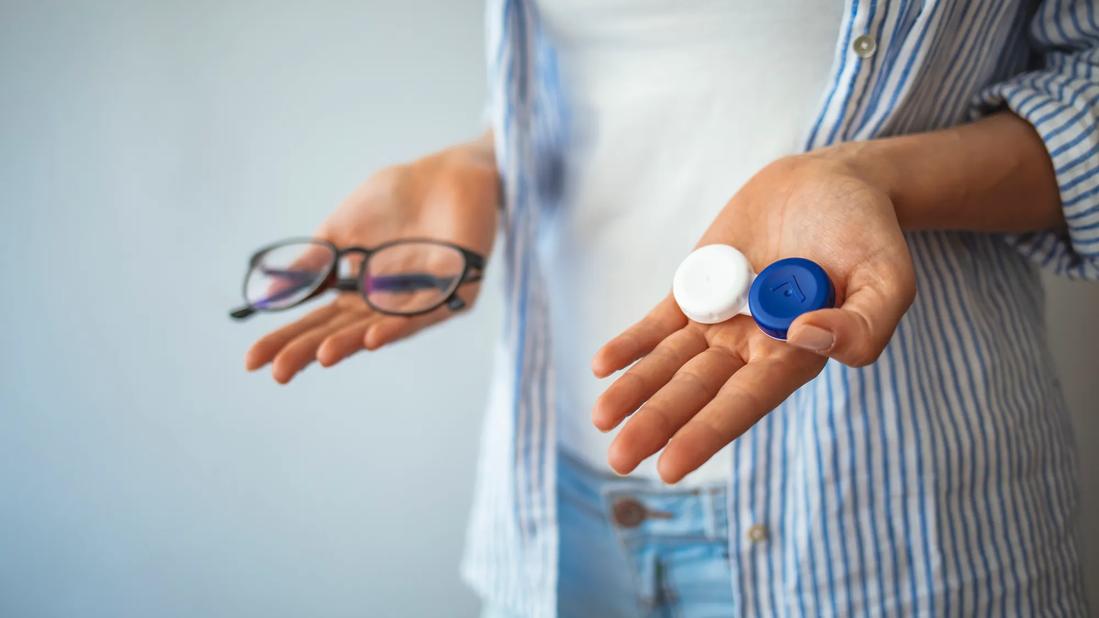
Contact lenses can feel a little like magic the first time they work: suddenly, the world is sharp, your glasses are not sliding down your nose, and your peripheral vision is no longer framed by two tiny windows. But contacts are not just “glasses, but sneakier.” They are medical devices that sit directly on the eye, which means they come with real benefits, real responsibilities, and a few rules that should not be treated like polite suggestions.
So, are contact lenses right for you? The answer depends on your prescription, eye health, lifestyle, comfort needs, hygiene habits, budget, and willingness to follow care instructions even when you are tired, late, or deeply convinced that “just this once” does not count. Spoiler: your corneas are excellent accountants. They count everything.
This in-depth guide breaks down who makes a good contact lens candidate, what types of lenses are available, what risks to understand, how to care for contacts safely, and what real-life contact lens wear can actually feel like after the “wow, I can see leaves on trees” moment fades into daily routine.
What Contact Lenses Actually Do
Contact lenses are thin, prescription lenses placed on the surface of the eye to correct vision. Like eyeglasses, they can help with common refractive errors such as nearsightedness, farsightedness, astigmatism, and presbyopia. Unlike glasses, contacts move with your eyes, provide a wider field of view, and do not fog up when you walk from cold weather into a warm coffee shop looking like a dramatic detective entering a diner.
Contacts can be used for everyday vision correction, sports, special occasions, medical eye conditions, and cosmetic purposes. However, even decorative or colored contacts that do not correct vision still require a valid prescription and proper fitting. Your eye has a shape, size, curvature, tear film, and sensitivity level. Buying lenses like they are party sunglasses is a fast way to turn “cool vampire eyes” into “urgent ophthalmology appointment.”
Who Is Usually a Good Candidate for Contact Lenses?
Many people can wear contact lenses successfully, but the best candidates usually have healthy eyes, a stable prescription, realistic expectations, and the ability to handle lenses carefully. Contacts may be especially appealing if you play sports, dislike the feel of glasses, want clearer peripheral vision, wear nonprescription sunglasses often, or simply prefer how you look without frames.
You may be a strong candidate if:
- You want freedom from glasses for workouts, travel, events, or daily life.
- You are comfortable touching your eyes after training and practice.
- You can follow a cleaning and replacement schedule consistently.
- You have an eye condition that may benefit from specialty lenses, such as irregular corneas.
- You want options for astigmatism, presbyopia, or occasional cosmetic changes.
Modern contact lenses are far more flexible than many people realize. Astigmatism? Toric lenses may help. Over 40 and suddenly holding menus at arm’s length? Multifocal contacts or monovision may be options. Dryness? Your eye care provider may suggest daily disposables, silicone hydrogel materials, lubricating drops approved for contacts, or a different wearing schedule. In other words, one uncomfortable lens experience does not always mean you are “not a contact lens person.” It may simply mean you have not met your lens soulmate yet.
Who Should Be More Cautious?
Contact lenses are safe for many users when properly prescribed, worn, cleaned, and replaced. Still, they are not perfect for everyone. People with chronic dry eye, frequent eye infections, severe allergies, certain inflammatory eye conditions, reduced corneal sensitivity, or jobs with heavy dust, smoke, or chemical exposure may need extra evaluation before wearing contacts.
Dry eye is one of the most common reasons contact wear becomes frustrating. Symptoms can include burning, stinging, scratchiness, redness, watery eyes, blurry vision, or the feeling that a tiny desert has moved into your eyelids and signed a lease. Long screen sessions can make this worse because people blink less fully when staring at devices. Contacts may also feel less comfortable late in the day, especially in air-conditioned rooms, airplanes, or windy environments.
You should also be honest with yourself about habits. If you regularly sleep in makeup, forget where you put your phone while holding your phone, or treat expiration dates as “brand opinions,” contact lenses may require a lifestyle upgrade. Poor hygiene, water exposure, sleeping in lenses not prescribed for overnight wear, reusing old solution, or stretching replacement schedules can increase the risk of eye infections.
Main Types of Contact Lenses
Soft Contact Lenses
Soft contact lenses are the most common choice. They are flexible, comfortable for many beginners, and available for a wide range of prescriptions. They can correct nearsightedness, farsightedness, astigmatism, and presbyopia depending on the design. Soft lenses may be daily disposable, biweekly, monthly, or approved for other replacement schedules.
Daily Disposable Lenses
Daily disposables are worn once and thrown away at the end of the day. They are convenient, travel-friendly, and reduce the need for cleaning solution and storage cases. For many people, they are also more comfortable because each day begins with a fresh lens. The downside is cost: daily lenses often cost more upfront than monthly lenses, although some users feel the convenience and hygiene benefits are worth it.
Reusable Soft Lenses
Reusable lenses, such as biweekly or monthly contacts, must be cleaned and stored properly after each wear. They can be economical, but they demand consistency. You need fresh disinfecting solution, a clean case, and a firm commitment to not “top off” yesterday’s solution like it is soup stock. Reusable lenses can work beautifully, but only when the care routine is taken seriously.
Toric Contact Lenses
Toric lenses are designed for astigmatism. They have different powers in different meridians of the lens and must sit in the correct orientation on the eye. If they rotate too much, vision can blur. A proper fitting is especially important with toric contacts because comfort and clear vision depend on both prescription accuracy and lens stability.
Multifocal and Monovision Contacts
For people with presbyopia, multifocal contacts can help with near, intermediate, and distance vision. Monovision uses one eye primarily for distance and the other for near vision. Some people adapt quickly; others feel that depth perception, night driving, or visual sharpness is not quite right. A trial period is normal, and your eye doctor may fine-tune the prescription before you find the best setup.
Rigid Gas Permeable, Hybrid, and Scleral Lenses
Rigid gas permeable lenses can provide crisp vision and may be useful for certain prescriptions or corneal shapes. Hybrid lenses combine a rigid center with a soft outer skirt. Scleral lenses vault over the cornea and rest on the white part of the eye, often helping people with irregular corneas or severe dry eye. These specialty lenses may require more fitting time and follow-up care, but for the right person, they can be life-changing.
Colored and Decorative Contacts
Colored contacts can subtly enhance eye color or create a dramatic costume effect. But they are still medical devices. Whether they correct vision or not, they must be prescribed and fitted by an eye care professional. Avoid costume shops, beauty stores, flea markets, random online sellers, and any vendor that acts like your cornea is a Halloween accessory.
The Biggest Benefits of Contact Lenses
The most obvious benefit is freedom from frames. Contacts do not slide down your nose, clash with outfits, collect raindrops, or fog when you open the oven. They can also make sports and exercise easier because they stay in place and provide better peripheral vision than many glasses.
Contacts can be especially helpful for active people. Runners do not have to worry about bouncing frames. Basketball players can look sideways without seeing the edge of a lens. Yoga fans can fold themselves into a pretzel without glasses falling onto the mat in betrayal. Contacts also pair easily with safety goggles, ski masks, sunglasses, helmets, and camera viewfinders.
Another benefit is cosmetic flexibility. Some people simply feel more like themselves without glasses. Others like switching between glasses and contacts depending on the day. There is no moral victory in choosing one forever. Vision correction is not a loyalty oath.
The Drawbacks No One Should Ignore
Contacts can be fantastic, but they are not maintenance-free. They require clean hands, proper storage, replacement schedules, follow-up exams, and attention to warning signs. They can cause dryness, irritation, fluctuating vision, allergy-related discomfort, or difficulty during long computer sessions.
Cost is another factor. Depending on the type, brand, prescription, replacement schedule, and insurance coverage, contacts may cost more than glasses over time. You may also need solution, cases, rewetting drops, backup glasses, and annual contact lens evaluations. The lenses themselves are only part of the budget.
There is also a learning curve. Inserting and removing contacts can feel deeply unnatural at first. Your eyelashes may stage a protest. Your eyelids may develop sudden Olympic-level strength. But with instruction and practice, most people improve quickly. The goal is not bravery; it is clean technique.
What Happens During a Contact Lens Fitting?
A contact lens prescription is not the same as an eyeglass prescription. During a fitting, your eye care provider measures your eyes, evaluates your tear film, reviews your health history, considers your lifestyle, and selects trial lenses based on your needs. They will check how the lenses move, center, and feel on your eyes. You will usually learn how to insert, remove, clean, and store them before leaving.
Follow-up visits matter. A lens can feel fine for a few minutes but behave differently after several hours of wear. Your doctor may adjust the lens material, curve, diameter, brand, prescription, or wearing schedule. This is normal. A good fitting is part science, part communication, and part patience.
Safe Contact Lens Habits That Protect Your Eyes
Good lens care is not glamorous, but neither is a corneal infection. The safest contact lens users build simple routines and follow them every time.
Follow these basic rules:
- Wash and dry your hands before touching lenses.
- Use only contact lens solution recommended by your eye care provider.
- Never rinse or store contacts in tap water.
- Remove lenses before swimming, showering, or using a hot tub.
- Do not sleep in contacts unless your eye doctor specifically prescribed lenses for overnight wear.
- Replace lenses on schedule, even if they “still look fine.”
- Keep your lens case clean and replace it regularly.
- Never share contact lenses with anyone.
- Keep backup glasses available for sick days, red-eye days, and lazy Sundays.
Water is a major issue because it can introduce harmful microorganisms to lenses. Contact lenses can trap those organisms against the eye, increasing the chance of infection. This is why showering or swimming in contacts is strongly discouraged. Yes, even if you are careful. Yes, even if the shower is clean. Microbes are not impressed by tile cleaner.
Warning Signs: When to Remove Contacts Immediately
If your eyes are painful, very red, watery, unusually sensitive to light, producing discharge, or your vision becomes blurry, remove your contacts and contact an eye care professional promptly. Do not try to “push through” eye pain. This is not a fitness challenge. It is your vision.
Minor dryness at the end of the day may be manageable with professional guidance, but pain, worsening redness, light sensitivity, or decreased vision can signal infection, inflammation, abrasion, or another problem that needs medical attention. When in doubt, take the lenses out and call your eye doctor.
Are Contacts Better Than Glasses?
Contacts are not automatically better than glasses. They are different tools. Glasses are easy, protective, low-maintenance, and stylish. Contacts are flexible, active, nearly invisible, and great for many lifestyles. Many people use both: contacts for work, sports, or social plans; glasses for evenings, illness, travel backup, or screen-heavy days.
The smartest approach is not “contacts versus glasses.” It is “what combination gives you clear vision, healthy eyes, and the least daily annoyance?” For some people, that is contacts six days a week. For others, it is contacts twice a month. For some, it is glasses forever with zero regret and excellent frames.
Questions to Ask Before Choosing Contact Lenses
Before starting contacts, ask yourself a few practical questions. Are you willing to wash your hands every time before handling lenses? Can you follow replacement schedules? Do you have dry eye symptoms? Do you work in dusty, windy, or smoky conditions? Do you spend long hours on screens? Do you need contacts for sports, appearance, convenience, or medical reasons? Are you comfortable with the ongoing cost?
Ask your eye care provider about lens type, oxygen permeability, daily versus reusable lenses, safe wearing time, recommended drops, travel tips, and what symptoms should trigger an urgent call. The best contact lens plan is personalized. Your friend’s favorite lenses may be wrong for you, just as your friend’s running shoes, skincare routine, or suspiciously intense smoothie recipe may not translate.
Real-Life Experiences: What Wearing Contacts Can Feel Like
For many first-time wearers, the first successful day in contact lenses feels like unlocking a secret setting on the world. You notice details outside the frame of your old glasses. You can wear sunglasses without prescription lenses. You can lie on your side and watch TV without smashing a temple arm into your face. Small freedoms add up quickly.
Then reality arrives, usually around day three, when one lens behaves like a tiny transparent potato chip and refuses to sit correctly on your fingertip. This is normal. Most beginners need practice. Insertion and removal get easier once the fear fades and the routine becomes muscle memory. The key is to learn slowly, keep nails trimmed, use a mirror, and avoid attempting lens insertion while late, sweaty, and spiritually negotiating with the universe.
Office workers often discover that contacts feel different during long screen sessions. Vision may be clear in the morning but dry or filmy by late afternoon. This does not always mean contacts are a bad fit. It may mean you need more blinking breaks, rewetting drops approved for contacts, a different lens material, shorter wearing time, or daily disposables. Air conditioning, ceiling fans, and low humidity can make a big difference. Your eyes may be tiny drama critics, but sometimes they have a point.
Athletes frequently love contacts because they allow easier movement and wider vision. A soccer player can track the ball without glasses bouncing. A cyclist can wear wraparound sunglasses. A gym-goer can do burpees without launching frames across the room like a failed science experiment. Still, sports users need backup plans. Dust, sweat, and wind can irritate lenses, and water sports require extra caution because contacts and water do not mix safely.
Travelers often appreciate contacts but learn to pack like responsible adults. Daily disposables can be convenient because there is no case or bottle of solution to leak inside a toiletry bag with the confidence of a villain. Reusable lens wearers need travel-size solution, spare lenses, backup glasses, and clean storage. On airplanes, dryness can become more noticeable, so wearing glasses during long flights may be more comfortable.
People over 40 may have a different experience. Someone who wore contacts easily for distance vision in their twenties may suddenly struggle to read a menu. Multifocal contacts, monovision, or reading glasses over contacts can help, but adaptation varies. Some people love multifocals immediately. Others need several adjustments. A little patience is useful; so is honest feedback during follow-up visits.
Parents of teens often wonder whether contacts are safe for younger wearers. Age matters less than responsibility. A careful teenager who follows instructions may do very well. A distracted adult who sleeps in lenses and stores them in mystery liquid should not be considered the gold standard of maturity. The real question is whether the wearer can manage hygiene, replacement schedules, and warning signs.
Finally, some people try contacts and decide they prefer glasses. That is not failure. It is useful information. Contacts should improve your life, not become a daily negotiation with your eyeballs. The best vision correction is the one you can wear safely, comfortably, and consistently.
Final Verdict: Are Contact Lenses Right for You?
Contact lenses may be right for you if you want more visual freedom, have a prescription that can be corrected with lenses, maintain good eye health, and are willing to follow safe care habits. They can be excellent for sports, social events, travel, and everyday convenience. They can also be a strong option for people with astigmatism, presbyopia, or certain specialty vision needs.
However, contacts are not a casual purchase. They require a professional fitting, valid prescription, proper hygiene, and respect for warning signs. If you have dry eye, allergies, infections, or comfort problems, do not give up too quicklybut do not ignore symptoms either. The right lens, schedule, and care plan can make a major difference.
The best next step is a comprehensive eye exam and contact lens consultation. Bring your questions, describe your lifestyle honestly, and tell your eye care provider what you need contacts to do. Clear vision is wonderful. Clear vision with healthy eyes is the actual jackpot.











