A fever arrives, your throat feels as though it has been polished with sandpaper, and your energy level has dropped somewhere below “houseplant.” The obvious question is: Is this bacterial or viral?
Unfortunately, the human body does not display a helpful pop-up saying, “Congratulations! You have unlocked a viral infection.” Bacterial and viral infections can produce many of the same symptoms, including fever, fatigue, coughing, inflammation, body aches, vomiting, and diarrhea. However, the organisms responsible, the way they reproduce, and the treatments that work against them are fundamentally different.
Understanding the difference matters because antibiotics can treat certain bacterial infections, but they do nothing against viruses. Taking an antibiotic when it is unnecessary may cause side effects, disrupt helpful bacteria, and contribute to antibiotic resistance.
This guide explains the differences between bacterial and viral infections, how clinicians diagnose them, which treatments may help, and why mucus color is not the medical crystal ball many people believe it is.
Bacterial vs. Viral Infections at a Glance
| Feature | Bacterial Infection | Viral Infection |
|---|---|---|
| Cause | Disease-causing bacteria | Viruses that invade living cells |
| Structure | Living single-celled organisms | Genetic material enclosed in a protein shell |
| Reproduction | Usually reproduce independently by dividing | Must use a host cell to make copies |
| Common examples | Strep throat, many UTIs, some pneumonias, bacterial skin infections | Common cold, influenza, COVID-19, RSV, most viral gastroenteritis |
| Typical medication | Antibiotics when medically appropriate | Supportive care or virus-specific antiviral medication |
| Prevention | Hygiene, food safety, wound care, and certain vaccines | Vaccines, hygiene, ventilation, and reducing exposure |
The table is useful for orientation, but it should not be used as a home diagnostic machine. Some illnesses can be caused by either type of germ, and treatment depends on the location, severity, test results, medical history, and specific organism involved.
What Is a Bacterial Infection?
Bacteria are microscopic, single-celled organisms. They can live in soil, water, food, on surfaces, and throughout the human body. Most bacteria are not dangerous. In fact, many help digest food, produce useful compounds, and prevent harmful organisms from taking over.
A bacterial infection develops when disease-causing bacteria enter the body, multiply, invade tissues, or release toxins that damage cells. Examples of infectious bacteria include species of Streptococcus, Staphylococcus, and Escherichia coli.
Common bacterial infections
- Strep throat
- Many urinary tract infections
- Some cases of pneumonia
- Impetigo and certain other skin infections
- Some middle ear infections
- Some sinus infections
- Whooping cough
- Certain forms of foodborne illness
Even when bacteria are responsible, antibiotics are not automatically required. Some mild bacterial illnesses improve without them, while serious infections may require urgent antibiotics, drainage of an abscess, intravenous fluids, surgery, or hospitalization. The diagnosis and treatment plan must fit the actual infectionnot merely the presence of the word “bacterial.”
What Is a Viral Infection?
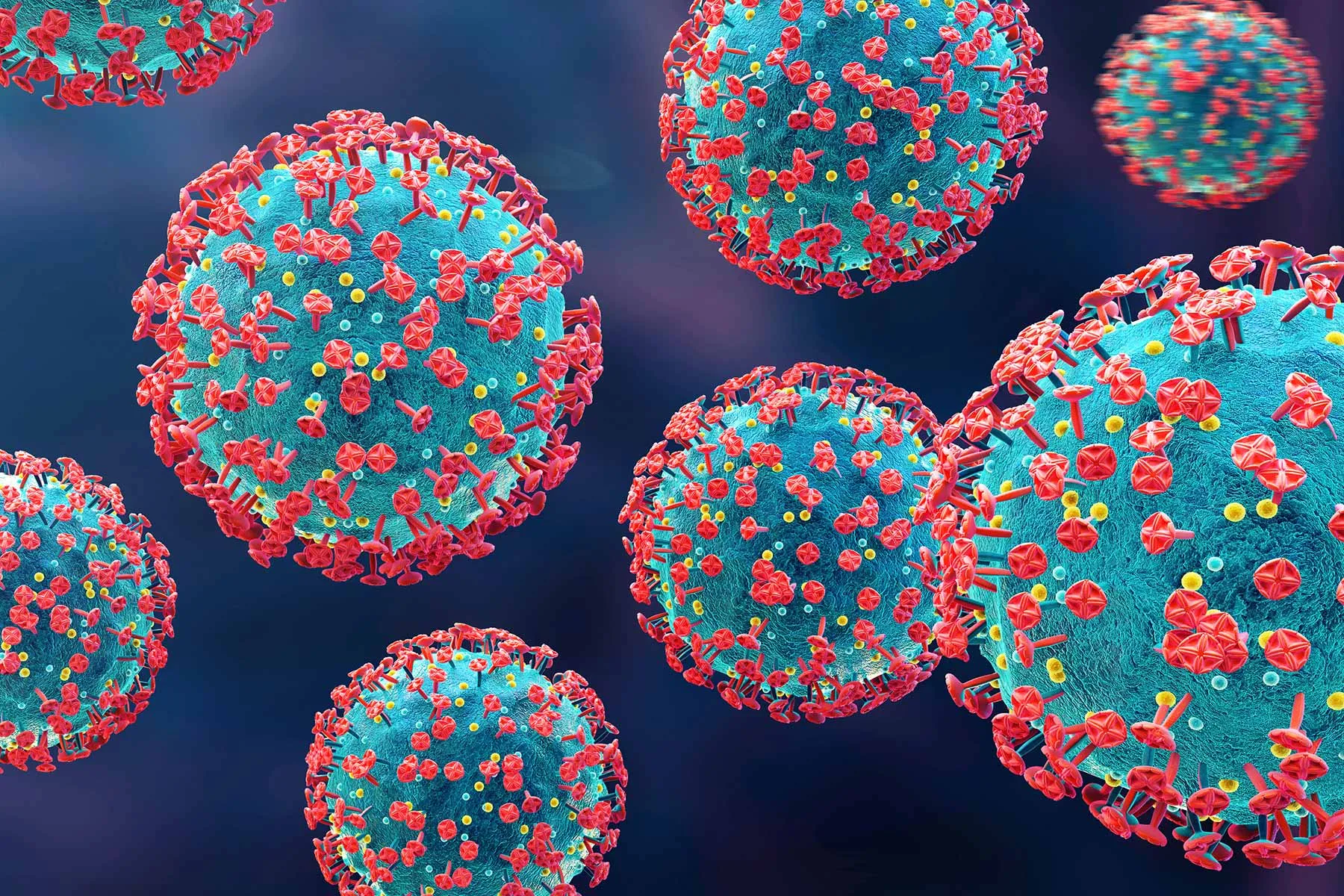
A virus is much smaller and structurally simpler than a bacterium. It contains genetic material wrapped in a protective protein shell, sometimes with an additional fatty envelope. Unlike bacteria, viruses cannot reproduce independently. They enter living cells and hijack the cells’ machinery to create more virus particles. Basically, a virus breaks into the cellular office, steals the copier, and starts printing itself.
Because viruses reproduce inside human cells, they cannot be treated with standard antibiotics. Some antiviral medications interfere with specific stages of viral replication, such as preventing a virus from entering cells, copying its genetic material, or releasing newly formed particles. These medications are generally designed for particular viruses rather than viral infections as one enormous category.
Common viral infections
- The common cold
- Influenza
- COVID-19
- Respiratory syncytial virus infection
- Norovirus infection
- Chickenpox
- Measles
- Viral hepatitis
- Infectious mononucleosis
- Herpes infections
Many viral infections are managed with rest, fluids, appropriate fever or pain relief, and observation while the immune system clears the infection. However, “viral” does not mean “harmless.” Influenza, COVID-19, viral hepatitis, encephalitis, and other viral diseases can cause serious complications, particularly in infants, older adults, pregnant people, and those with weakened immune systems.
Why the Symptoms Can Look So Similar
Fever, swelling, fatigue, aching, and mucus are not produced only by the germ. Many symptoms come from the immune system’s response to that germ. When immune cells detect bacteria or viruses, they release chemical signals that increase inflammation, recruit additional immune cells, and sometimes raise body temperature.
Consequently, both bacterial and viral infections may cause:
- Fever or chills
- Headache
- Muscle aches
- Swollen lymph nodes
- Sore throat
- Coughing
- Nasal congestion
- Fatigue
- Nausea, vomiting, or diarrhea
The immune system recognizes patterns associated with many different microbes, including both bacteria and viruses. This shared inflammatory response is one reason symptoms alone often cannot identify the cause with certainty.
Can Symptoms Tell You Whether an Infection Is Bacterial or Viral?
Symptoms can provide clues, but they rarely deliver a guaranteed answer. The infection’s location and pattern matter more than any single symptom.
Sore throat
A sore throat accompanied by coughing, hoarseness, a runny nose, or red eyes is more suggestive of a viral respiratory infection. Strep throat may begin suddenly and cause significant throat pain, fever, swollen neck glands, or inflamed tonsils. Nevertheless, a rapid strep test or throat culture may be necessary because appearances can overlap.
Cough and congestion
Most uncomplicated colds and cases of acute bronchitis are viral. A cough can continue after the worst part of the infection has passed because irritated airways need time to recover. Persistent coughing alone does not prove that antibiotics are needed.
Pneumonia, meanwhile, may be viral or bacterial. Breathing difficulty, chest pain, confusion, low oxygen levels, or severe weakness require medical evaluation rather than amateur germ detective work.
Sinus symptoms
Sinus pressure, facial discomfort, thick drainage, and congestion commonly occur during viral colds. Clinicians become more concerned about bacterial sinusitis when symptoms are unusually severe, persist without improvement, or improve and then become substantially worse. Even these patterns are clues rather than perfect proof.
Yellow or green mucus
Colored mucus does not automatically mean a bacterial infection. Immune cells and cellular debris can change mucus from clear to yellow or green during an ordinary viral illness. Selecting a treatment based solely on mucus color is approximately as scientific as diagnosing a car engine by the color of the air freshener.
Stomach symptoms
Vomiting and diarrhea may result from viruses, bacteria, parasites, medications, or noninfectious conditions. Viral gastroenteritis is common, but bacterial foodborne infections can produce similar symptoms. Blood in the stool, dehydration, severe abdominal pain, persistent fever, or symptoms that fail to improve should be evaluated by a healthcare professional.
How Doctors Diagnose Bacterial and Viral Infections
Diagnosis often begins with the medical history. A clinician may ask when symptoms started, whether they are improving or worsening, what exposures occurred, which medications have been taken, and whether the patient has underlying health conditions.
A physical examination can reveal breathing changes, rashes, swelling, dehydration, abnormal lung sounds, inflamed tissues, or other clues. Depending on the suspected illness, testing may include:
- Rapid antigen tests for infections such as strep throat or influenza
- PCR or other molecular tests that detect viral or bacterial genetic material
- Throat, nasal, wound, urine, stool, sputum, or blood cultures
- Urinalysis for a suspected urinary tract infection
- Blood tests that evaluate inflammation or the immune response
- Chest imaging when pneumonia or complications are suspected
- Culture and susceptibility testing to identify effective antibiotics
Cultures can identify bacteria and help determine which drugs are likely to work. Molecular tests may produce faster results for specific pathogens. Markers such as C-reactive protein or procalcitonin may support clinical decision-making in selected situations, but no general blood test perfectly separates every bacterial infection from every viral one.
How Bacterial Infections Are Treated
Antibiotics work by targeting features bacteria need to survive or reproduce. Depending on the medication, an antibiotic may damage the bacterial cell wall, interfere with protein production, disrupt genetic processes, or block essential metabolic functions.
Different antibiotics work against different bacteria. That is why an antibiotic prescribed for one infection may be ineffectiveor inappropriatefor another. The narrowest effective medication is often preferred because it can target the suspected organism while reducing unnecessary effects on other bacteria.
When prescribed an antibiotic:
- Take it exactly as directed.
- Follow the prescribed dose and treatment duration.
- Do not share it with another person.
- Do not use leftover medication for a future illness.
- Contact the prescriber before stopping or changing treatment.
- Seek help for severe diarrhea, breathing difficulty, facial swelling, or another possible serious reaction.
Antibiotics can cause diarrhea, nausea, rashes, allergic reactions, yeast infections, and other adverse effects. They may also disturb helpful bacteria. In some cases, antibiotic use is associated with Clostridioides difficile infection, which can cause severe diarrhea and inflammation of the colon.
How Viral Infections Are Treated
For many viral infections, treatment focuses on symptom relief and preventing dehydration or other complications. Depending on the illness and the patient’s medical history, care may include:
- Rest and adequate fluids
- Appropriate fever or pain medication
- Saline nasal spray or humidified air
- Honey for coughing in adults and children older than one year
- Antiviral medication when indicated
- Monitoring for breathing problems, dehydration, or worsening symptoms
Antiviral medications are available for selected infections, including influenza, COVID-19, herpes, hepatitis, and HIV. Timing can matter. Some antivirals are most useful when started early, especially for patients at higher risk of complications. A clinician or pharmacist can determine whether a specific antiviral is suitable.
Why Antibiotics Do Not Work Against Viruses
Antibiotics target bacterial structures or processes. Viruses do not have the same cell walls, ribosomes, or independent metabolic machinery. Giving an antibiotic for a viral cold is like sending a locksmith to repair a leaking pipe: the professional may be excellent, but the tool does not match the problem.
Antibiotics will not cure a viral infection, prevent it from spreading, or reliably shorten its duration. Unnecessary use still exposes the patient to side effects and creates selective pressure that allows resistant bacteria to survive and multiply.
Understanding Antibiotic Resistance
Antibiotic resistance occurs when bacteria develop or acquire ways to survive medications that previously killed them or stopped their growth. The person does not become resistant to the antibiotic; the bacteria do.
Every use of an antibiotic can create pressure favoring resistant organisms. Unnecessary use, incorrect dosing, poorly targeted treatment, and widespread antimicrobial exposure can accelerate the problem. Resistant infections may require more toxic or expensive drugs, longer treatment, or hospitalization, and some become extremely difficult to treat.
Responsible antibiotic use does not mean refusing antibiotics when they are genuinely needed. It means using the correct medication, for the correct infection, at the correct dose and duration.
Can a Viral Infection Turn Into a Bacterial Infection?
A virus does not transform into a bacterium. They are entirely different types of infectious agents. However, a viral infection can damage protective tissues, increase mucus buildup, or temporarily disrupt local defenses. Those changes may create an opportunity for bacteria to cause a secondary infection.
For example, a viral respiratory illness may occasionally be followed by bacterial pneumonia, sinusitis, or a middle ear infection. A pattern of initial improvement followed by a new fever, worsening pain, breathing difficulty, or sharply worsening symptoms deserves medical attention.
How to Reduce the Risk of Both Types of Infection
Because bacteria and viruses spread in several ways, no single prevention method blocks every infection. A practical strategy includes:
- Wash hands with soap and water at appropriate times.
- Avoid touching the eyes, nose, and mouth with unwashed hands.
- Stay current with recommended vaccinations.
- Improve indoor ventilation when respiratory illnesses are circulating.
- Cover coughs and sneezes.
- Stay home when acutely ill when possible.
- Prepare and store food safely.
- Clean and cover cuts and wounds.
- Avoid sharing razors, toothbrushes, drinking containers, or medication.
- Use appropriate precautions against sexually transmitted infections.
Vaccines can prevent specific bacterial and viral diseases or reduce their severity. They do not prevent every infection, but they remain among the most effective tools for reducing serious infectious illness.
When to Seek Medical Care
Get urgent medical help for symptoms such as:
- Difficulty breathing or bluish lips
- Chest pain or pressure
- New confusion, fainting, or extreme difficulty waking
- Severe dehydration or inability to keep fluids down
- A stiff neck with fever or a severe headache
- A rapidly spreading or purple rash
- Severe abdominal pain
- Signs of a serious allergic reaction
- Rapidly worsening symptoms
Medical advice should also be sought earlier for newborns, pregnant people, older adults, individuals with weakened immune systems, and anyone with serious chronic heart, lung, kidney, or metabolic disease.
Real-World Experiences: What the Difference Looks Like in Daily Life
Knowing the textbook differences is useful, but infections rarely behave like cooperative textbook characters. Real illnesses unfold over time, symptoms change, and people naturally want a quick answer. Several common experiences demonstrate why patience, testing, and follow-up matter.
Experience 1: The “I need antibiotics by Monday” cold
Imagine waking up on Friday with a scratchy throat and congestion. By Saturday, the mucus is green, the cough sounds dramatic, and Monday contains three meetings that apparently cannot survive without you. It is tempting to conclude that green mucus plus workplace inconvenience equals bacterial infection.
In reality, this pattern is often part of a viral respiratory illness. Mucus can change color as immune cells accumulate, and coughing may become more noticeable as inflammation and drainage increase. The most useful information is usually the complete pattern: breathing, fever, duration, risk factors, examination findings, and whether symptoms are improving.
The practical lesson is that antibiotics are not a fast-forward button. When the cause is viral, the useful plan may involve hydration, rest, symptom relief, and clear instructions about when to seek reevaluation.
Experience 2: The sore throat that needs a test
A second person develops severe throat pain and a fever but has no cough. The tonsils look inflamed, and swallowing feels like negotiating with broken glass. This could be strep throat, but appearance alone may still be misleading.
A rapid strep test or throat culture changes the situation from guessing to evidence-based treatment. If testing confirms group A strep, an appropriate antibiotic may shorten contagiousness and reduce the risk of certain complications. If testing is negative and the illness is viral, supportive care avoids an unnecessary prescription.
The lesson is not that every sore throat requires a laboratory investigation. It is that testing becomes valuable when the result would change treatment.
Experience 3: Improvement followed by a sudden setback
Another common story begins with an ordinary cold. Congestion and fatigue peak, then gradually improve. A few days later, fever returns, facial pain becomes intense, or breathing becomes more difficult.
This “better, then worse” pattern may raise concern for a secondary bacterial complication, although it still does not prove one. At this stage, reevaluation matters because the illness has changed. A clinician may listen to the lungs, examine the ears and sinuses, check oxygen levels, or order testing based on the new symptoms.
The lesson is that an earlier diagnosis is not a lifetime membership. A viral illness can remain viral, resolve normally, or occasionally create conditions for a separate bacterial infection. New symptoms deserve a new assessment.
Experience 4: The leftover-antibiotic experiment
Finally, consider the medicine cabinet containing four leftover antibiotic capsules from an old prescription. Someone develops a cough and decides that four capsules are better than zero capsules. This is understandable in the way that using half a parachute is understandable: there is an action, but not a reliable plan.
The medication may be wrong for the organism, the dose may be incorrect, and the amount is unlikely to represent a complete prescribed course. It may also cause side effects or interfere with later testing. Sharing antibiotics creates the same problems while adding uncertainty about allergies, interactions, and medical history.
The safer experience begins with describing the symptoms accurately, obtaining evaluation when appropriate, and asking direct questions: What is the likely diagnosis? Would testing help? What symptoms should improve, and by when? What warning signs require immediate care?
Across these scenarios, the most important difference is not whether an illness feels “strong.” Viral infections can be severe, and bacterial infections can be mild. The correct treatment depends on the organism, the infection site, the patient’s risk factors, and the clinical coursenot on how impressively miserable someone feels.
Conclusion
Bacterial and viral infections can cause remarkably similar symptoms, but they operate very differently. Bacteria are living cells capable of reproducing independently, while viruses must invade host cells to make copies. This biological difference explains why antibiotics may treat certain bacterial infections but cannot cure viral diseases.
Symptoms such as fever, coughing, sore throat, fatigue, and colored mucus provide context, not certainty. Clinicians may use the illness pattern, physical examination, rapid tests, molecular testing, cultures, imaging, and selected blood markers to identify the most likely cause.
The best strategy is not to demand antibiotics or avoid them at all costs. It is to use them precisely when the expected benefit outweighs the risks. And when the diagnosis is viral, supportive care is not “doing nothing.” It is targeted treatment for the actual problem while the immune system handles the microscopic intruder currently treating your respiratory tract like a vacation rental.