
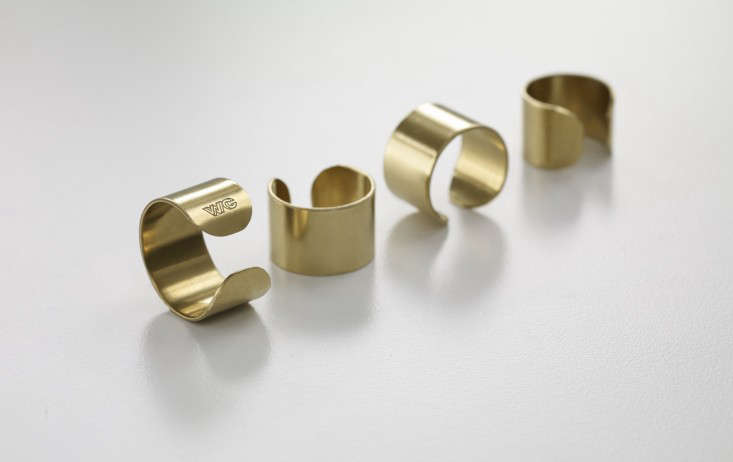
Few objects have a louder reputation than brass knuckles. They are small, shiny, dramatic, and practically engineered for movie posters, tattoo flash, video-game inventory screens, and the occasional regrettable “look what I found” social-media post. The phrase bad ass brass knuckles sounds like it should come with a leather jacket, a thunderstorm, and a motorcycle that mysteriously starts on the first try.
But outside of fiction, the image comes with serious baggage. Brass knuckles are widely treated as weapons, not accessories. Depending on where you live, possess, carry, sell, display, or transport them, the result can range from a deeply awkward conversation to criminal charges. They can also turn an already bad situation into an injury, arrest, lawsuit, job problem, or travel disaster.
This article explores why brass knuckles have such enduring “bad ass” cultural appeal, why the real-world consequences are far less glamorous, and what confidence and personal safety can look like without carrying an object designed to make a punch more damaging.
What Are Brass Knuckles?
Brass knuckles, also called metal knuckles, are hand-held devices that fit over the fingers and are designed to concentrate the force of a strike. Despite the name, they are not always made from brass. They may be made from steel, aluminum, plastic, composite materials, or other hard substances. In legal language, the material often matters less than the object’s intended purpose.
That distinction is important. A decorative belt buckle, a piece of costume jewelry, or a novelty paperweight may look aggressive without being treated exactly like a weapon. But an item shaped and marketed to reinforce a closed fist can draw intense attention from police, prosecutors, airport security, employers, schools, and anyone else who has a reason to care about public safety.
In other words, the word “brass” may sound vintage and stylish. The word “knuckles” is where the legal trouble usually starts.
Why the “Bad Ass Brass Knuckles” Image Sticks Around
They Have Instant Visual Drama
Brass knuckles need almost no explanation. A skull graphic takes a second to understand. A lightning bolt takes half a second. Metal knuckles take approximately one blink. Their silhouette communicates confrontation, rebellion, danger, and a certain comic-book version of toughness.
That visual shorthand is why they appear in action films, punk imagery, underground fashion, combat-themed artwork, and gritty fictional worlds. The object is not subtle, which is exactly why some people find it appealing. It promises an attitude without requiring a speech.
They Borrow Their Reputation From Movies and Mythology
Popular culture has a habit of turning dangerous objects into personality traits. A fictional character carries a pair of brass knuckles, and suddenly the audience understands that the character is fearless, unpredictable, or “not someone you want to mess with.” Real life, unfortunately, does not come with a soundtrack or a stunt coordinator.
In an actual confrontation, an object associated with violence does not make a person look cinematic. It can make other people more afraid, more defensive, more likely to call law enforcement, or more likely to escalate. The gap between fantasy toughness and real-world consequences is about as wide as the gap between movie explosions and your insurance deductible.
The Word “Brass” Sounds Cooler Than “Potential Legal Problem”
Brass is a copper-and-zinc alloy often associated with warm gold tones, old hardware, musical instruments, plaques, and vintage design. That gives the name a strange polish. “Brass knuckles” sounds almost classy until you remember that no one names a chandelier after it.
The polished appearance can make people underestimate what the object represents. A shiny finish does not turn a weapon into décor any more than putting racing stripes on a shopping cart turns it into a sports car.
The Legal Reality: Brass Knuckle Laws Vary Sharply
The most important fact about brass knuckles is simple: laws vary dramatically by state, city, situation, and manner of possession. A person should never assume that an item is legal because it appears online, is sold as a novelty, is allowed somewhere else, or is described with softer language such as “self-defense accessory” or “collectible.”
California, for example, prohibits manufacturing, importing, selling, giving, lending, or possessing metal knuckles under Penal Code Section 21810. Michigan law also prohibits the manufacture, sale, offer for sale, or possession of metallic knuckles and treats violations seriously.
New York lists metal knuckles and plastic knuckles among items that can support a charge of criminal possession of a weapon in the fourth degree. Washington law likewise addresses the manufacture, sale, disposal, and possession of metal knuckles.
Florida law treats metallic knuckles as a type of weapon in several provisions and separately addresses the manufacture or sale of metallic knuckles. Pennsylvania’s prohibited-offensive-weapons statute can also create serious legal exposure for certain items and conduct.
Even where the legal picture appears more permissive, restrictions may still apply in schools, government buildings, workplaces, public events, transportation hubs, courthouses, private businesses, or locations with special local rules. A state-level rule is not a magic permission slip for every city, venue, employer, or airport checkpoint.
Important: This article is general information, not legal advice. Before possessing or transporting any regulated item, review the current law where you live and where you are traveling, including local ordinances and venue rules. Laws, court decisions, and enforcement practices can change.
Travel Can Turn a Novelty Item Into a Major Headache
Airports are one of the fastest places for a “cool object” to become a very uncool problem. The Transportation Security Administration lists brass knuckles as prohibited in carry-on luggage. The TSA also warns that an item allowed in checked baggage may still be illegal under state law.
That means a traveler can face two different questions at once: whether an item is allowed through the security checkpoint and whether it is lawful to possess at the origin, destination, or connecting location. “But it was in my bag” is not a legal strategy. It is merely the opening line of an inconvenient day.
Travelers should also remember that security personnel do not evaluate items based on whether they are expensive, decorative, sentimental, custom engraved, vintage-looking, or featured in a particularly intense Instagram photo. Security screening is not a design critique.
Why Brass Knuckles Create Serious Safety Risks
They Raise the Stakes of Any Conflict
A disagreement can begin with a look, a comment, a parking-space argument, a misunderstanding, alcohol, stress, or somebody acting like the line at the coffee shop is a battlefield. Add a weapon-like object to that moment, and the consequences can become much more severe.
Public-health data consistently show that physical assaults create a substantial burden of emergency-department injuries in the United States. Assault-related injuries often involve being intentionally struck or hit, and some victims require hospitalization, transfer, or observation.
Brass knuckles are associated with intensified force. That means injuries can be more severe than a bare-handed fight, and legal consequences can become more serious because authorities may view the situation as involving a weapon. Even a person who believes they are “only defending themselves” can face complicated questions about proportionality, necessity, intent, location, and whether safer options were available.
They Do Not Guarantee Safety
People sometimes imagine that carrying something intimidating creates control. In reality, it can create the opposite. A visible weapon-like object can provoke fear, retaliation, theft, panic, or escalation. It may also be taken away and used against the person who brought it into the situation.
Real safety is rarely about owning the most dramatic object. It is usually about awareness, distance, communication, planning, reliable transportation, trusted contacts, and knowing when to leave. Those tools do not look as impressive in an action scene, but they work much better in a parking lot at 11:47 p.m.
Better Ways to Build Real Confidence
The appeal of bad ass brass knuckles is often not really about the object itself. It is about wanting to feel secure, respected, prepared, or less vulnerable. Those are understandable goals. The trick is choosing methods that do not create a new legal or physical risk.
Learn Situational Awareness
Situational awareness means noticing your surroundings before a problem develops. Keep your phone charged, know where exits are, avoid isolated routes when possible, and pay attention to behavior that feels off. This is not about living in fear. It is about staying observant without turning every grocery-store trip into a spy movie.
Practice Verbal De-Escalation
A calm sentence can prevent a fight that no object can fix. Phrases such as “I don’t want trouble,” “You’re right, I’m leaving,” or “Let’s give each other space” may feel unsatisfying in the moment, but they can be incredibly effective. Winning an argument is not worth losing your freedom, safety, job, or peace of mind.
Consider Legitimate Safety Training
Personal-safety classes, self-defense awareness programs, martial arts focused on discipline and escape, and first-aid training can build confidence without glamorizing violence. The best programs teach judgment, boundaries, and avoidancenot fantasy invincibility.
Use Legal, Nonviolent Preparedness
Depending on local law and individual circumstances, practical safety planning may include a personal alarm, stronger home locks, better outdoor lighting, rideshare planning, emergency contacts, check-in systems, or workplace safety procedures. The strongest safety plan is usually boring in the best possible way: it prevents danger before danger gets close enough to require bravery.
Common Questions About Brass Knuckles
Are brass knuckles legal for self-defense?
Do not assume so. In many places, possession itself can be restricted or prohibited, regardless of the reason someone gives for carrying them. Even in jurisdictions with different rules, using any weapon in a confrontation can create major criminal and civil consequences.
Are novelty brass knuckles harmless?
Not necessarily. Labels such as “novelty,” “paperweight,” “costume piece,” or “collector item” do not automatically control how law enforcement, courts, schools, employers, or security officers interpret an object. Context matters.
Can brass knuckles be taken on an airplane?
They are prohibited in carry-on luggage according to TSA guidance. Checked-bag rules do not override state or local laws, so travelers should not treat checked baggage as a loophole.
Why are brass knuckles treated more seriously than ordinary jewelry?
Because their functional design is tied to increasing the impact of a punch. Legal systems often focus on intended use and objective design, not simply whether something looks stylish or expensive.
Real-World Experiences Related to “Bad Ass Brass Knuckles”
The following are composite, non-identifying scenarios based on common legal, travel, workplace, and social-safety patterns. They are included for awareness, not as advice on possessing or using weapons.
The “It Was Just a Display Piece” Experience
Someone finds a flashy metal object at a flea market, antique booth, or online listing and thinks it would look great on a shelf next to old records, vintage posters, and a lamp that definitely cost more than it should have. The item seems more like décor than danger. It is photographed, shown to friends, and perhaps carried home in a backpack without much thought.
Then comes a traffic stop, a school bag inspection, a workplace security check, or a police encounter unrelated to the object. Suddenly, the conversation shifts from “cool vintage find” to “Why do you have this?” The owner may discover that intent is not always the only issue. In some places, possession itself can be enough to create trouble. The lesson is not that every collectible is suspicious; it is that objects with a weapon-like design can carry legal meaning far beyond their aesthetic value.
The Airport Surprise Experience
A traveler packs quickly for a weekend trip. Headphones? Check. Charger? Check. Three shirts that somehow all look the same? Check. A metal knuckle-shaped item tucked into a bag months ago? Forgotten completely.
At security, the bag goes through the X-ray machine and the trip abruptly acquires a new subplot. The traveler may lose the item, miss time, answer questions, and learn that airport rules are not impressed by a story about a gift, a costume, a souvenir, or a friend’s bachelor-party joke. TSA guidance prohibits brass knuckles in carry-on bags, and the traveler may also have to consider the rules in the jurisdictions involved.
The practical takeaway is simple: before traveling, inspect bags carefully. The coolest vacation photos are still the ones where everyone arrives without explaining a weapon-shaped object to airport security.
The Social-Media Mismatch Experience
Online, aggressive imagery can feel performative. A person posts a photo of brass knuckles next to boots, a motorcycle helmet, a tattoo sleeve, or a dramatic caption about not being messed with. Friends may react with laughing emojis, fire emojis, or the universal internet signal for “I have no idea how to respond to this.”
Offline, however, the image can be interpreted very differently by an employer, school administrator, landlord, family member, court, or police officer. A post intended as edgy style can look threatening when viewed without context. That does not mean people should panic over every dark aesthetic, but it does mean that weapon imagery can outlive the joke.
The internet remembers things long after the mood that created them has disappeared. A moment of “bad ass” branding can become a screenshot in a very un-bad-ass meeting.
The Argument That Never Needed a Weapon
Many conflicts begin as nothing. Someone cuts in line. A stranger says something rude. A neighbor complains about noise. A driver honks like they are auditioning for an orchestra. In the heat of the moment, people often want to prove they cannot be intimidated.
But the person who steps back, leaves, calls for help, or refuses to continue the argument is often making the strongest choice in the entire situation. That decision may not produce a thrilling story later, but it can prevent injuries, charges, lawsuits, regret, and years of consequences.
Real confidence is not about carrying the most intimidating object. It is about having enough control to avoid needing one. That is less flashy than brass knuckles, but it is infinitely more useful.
Conclusion: The Toughest Choice Is Usually the Smartest One
The cultural appeal of bad ass brass knuckles is easy to understand. They are visually striking, loaded with cinematic symbolism, and associated with a certain outlaw aesthetic. But real life is not a movie set, and an object that looks powerful can create legal, physical, professional, and personal consequences that last far longer than the moment of swagger.
Whether you are interested in brass knuckles because of fashion, history, pop culture, a collection, or personal safety concerns, the smartest approach is caution. Know the law. Avoid assumptions. Do not confuse intimidation with protection. Build confidence through awareness, training, judgment, and the ability to walk away from a problem before it becomes a crisis.
That may not sound as dramatic as polished metal and a tough-guy pose. Then again, neither does staying out of court, avoiding the emergency room, keeping your job, and making it home safely. But those are the kinds of victories that age exceptionally well.













