A beautiful shower does not always require a dramatic demolition scene, a contractor shaking his head, and a bathroom that looks like it lost a small war. Sometimes, the smartest upgrade is right there on the wall. That is exactly where surface-mounted shower systems shine.
Also called exposed shower systems, shower columns, or wall-mounted shower systems, these fixtures keep much of the plumbing visible instead of hiding everything behind tile. The result can be practical, stylish, and refreshingly honest. You see the riser, the rail, the diverter, and often the hand shower. It is plumbing that has decided to dress well and step into the room with confidence.
For homeowners, designers, and remodelers, surface-mounted shower systems offer a clever way to add a rain shower, hand shower, thermostatic control, or vintage-inspired exposed pipe look without completely rebuilding the wall. They can work in traditional bathrooms, modern wet rooms, compact apartments, guest baths, and even rental-friendly refreshes when installed appropriately. The trick is knowing what you are buying, how it connects, and where it makes sense.
What Is a Surface-Mounted Shower System?
A surface-mounted shower system is a shower fixture setup installed on the finished wall surface rather than fully concealed inside the wall cavity. The visible components may include a vertical riser pipe, shower rail, overhead shower arm, handheld shower, diverter, exposed valve, or thermostatic mixer.
In a concealed shower system, the valve body and piping are hidden behind tile or wallboard. Only the trim, handle, and showerhead are visible. In a surface-mounted system, more of the working hardware stays outside the wall. That may sound like a compromise, but it can actually be the whole design point. Think boutique hotel, old-world bathhouse, industrial loft, or clean European bathroom.
Common Parts of a Surface-Mounted Shower System
Most systems include several key pieces:
- Shower column or riser: The vertical pipe or bar that carries water upward or supports the showerhead.
- Overhead shower: Often a rain showerhead or fixed showerhead mounted at the top.
- Hand shower: A removable spray head attached to a flexible hose.
- Diverter: A control that switches water between the fixed showerhead, hand shower, or both, depending on the model.
- Valve or mixer: The control that blends hot and cold water.
- Wall brackets: Supports that secure the system to the finished wall.
Some systems are simple showerhead-and-handshower combos. Others are full exposed-pipe setups with thermostatic valves and dramatic overhead arms. The best choice depends on your bathroom layout, water pressure, budget, and style goals.
Why Surface-Mounted Shower Systems Are Popular
The rise of surface-mounted shower systems is not just about looks, although looks are definitely part of the appeal. These systems solve real remodeling problems. They can reduce wall work, simplify future service, and make it easier to add modern shower features to an older bath.
1. They Can Be Easier for Renovations
If your bathroom already has standard shower plumbing, some retrofit shower columns can connect to the existing shower arm or existing wall connections. That means you may be able to add a hand shower or overhead rain shower without tearing into tile. This is the bathroom equivalent of finding out the meeting could have been an email.
However, “easy” does not mean “universal.” Some surface-mounted systems require exact pipe spacing, proper wall blocking, compatible valves, or professional installation. Always check the manufacturer’s installation requirements before falling in love with the prettiest finish on the internet.
2. They Add Function Without Hiding Everything
A surface-mounted shower system can combine a fixed showerhead and hand shower in one organized setup. The hand shower is especially useful for rinsing hair, bathing children, washing pets, cleaning tile, or chasing shampoo foam that somehow migrated to your ankle.
Many systems also include adjustable slide bars, making the hand shower easier for different users to reach. In family bathrooms and aging-in-place designs, that flexibility matters.
3. They Create a Strong Design Statement
Exposed shower systems can look sleek and modern in matte black, polished chrome, brushed nickel, brass, or stainless finishes. Traditional exposed-pipe systems can also create a vintage bath feel, especially when paired with subway tile, marble, clawfoot tubs, or classic cross handles.
Because the fixture is more visible, it becomes part of the room’s architecture. That means it should coordinate with faucets, cabinet hardware, towel bars, lighting, and drain finishes. A shower system is not a shy accessory. It is more like the lead singer of the bathroom band.
Surface-Mounted vs. Concealed Shower Systems
Both surface-mounted and concealed shower systems can be excellent. The right one depends on your renovation scope and priorities.
Surface-Mounted Shower Systems
Surface-mounted systems are often preferred when you want a faster visual upgrade, easier access to parts, or a distinctive exposed look. They may be especially helpful when existing tile is in good condition and you do not want to open the wall.
They can also be easier to service because visible components are more accessible. If a hose, hand shower, or exposed diverter needs attention, repair may be less invasive than digging behind tile.
Concealed Shower Systems
Concealed systems create a cleaner, more minimal look. The pipework and valve body are hidden, leaving only trim plates, handles, and outlets visible. This can make a shower feel calmer and more spacious, especially in contemporary bathrooms.
The tradeoff is that installation is usually more involved. Concealed systems often require opening the wall, installing a rough-in valve, waterproofing carefully, and retiling. If you are already doing a full remodel, that may be perfectly reasonable. If you just wanted a better shower by Friday, surface-mounted may sound much friendlier.
Types of Surface-Mounted Shower Systems
Exposed Thermostatic Shower Systems
An exposed thermostatic system includes a visible thermostatic mixer that helps regulate water temperature. Thermostatic valves sense water temperature and adjust the mix of hot and cold water to help maintain a consistent setting. These systems are popular in higher-end bathrooms because they feel precise, comfortable, and safe.
They are especially appealing for families, shared bathrooms, and anyone who dislikes the classic shower surprise: “Who flushed the toilet and turned my peaceful morning into a polar expedition?”
Pressure-Balanced Surface-Mounted Systems
A pressure-balanced system responds to changes in hot and cold water pressure. When pressure drops on one side, the valve adjusts the mix to reduce sudden temperature swings. Pressure-balanced valves are common, reliable, and often more budget-friendly than thermostatic options.
The important distinction is that a pressure-balanced valve reacts to pressure, while a thermostatic valve reacts to actual water temperature. For many households, either can work well, but thermostatic control usually offers the more refined experience.
Shower Columns With Hand Showers
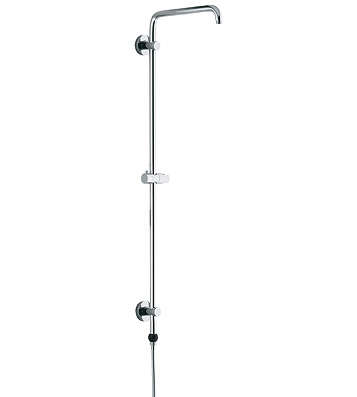
Shower columns are among the most popular surface-mounted choices. They typically mount to the wall and combine a fixed overhead shower with a hand shower. Some connect to an existing shower outlet, while others require a compatible mixing valve.
These systems are a smart middle ground: more luxurious than a basic showerhead, less complicated than a fully custom spa shower. Many models allow the hand shower height to adjust along a bar, which is practical for households with users of different heights.
Exposed Pipe Shower Systems for Tubs
For clawfoot tubs, freestanding tubs, or vintage-style bathrooms, exposed pipe shower systems can include a tub filler, riser, shower ring, and overhead shower. These are not just decorative; they often solve the challenge of adding a shower to a tub that was not originally designed for one.
Installation details matter here. The system must be properly supported, the shower curtain arrangement must control water, and the valve location must be comfortable to use.
Shower Panels
Shower panels are another surface-mounted option. These tall panels can include body sprays, hand showers, rain heads, and integrated controls. They are visually bold and can feel spa-like, but they may demand more water flow and pressure than a standard shower. Before buying one, confirm your plumbing can support it. A luxury shower panel with weak pressure is just a shiny wall decoration with commitment issues.
Key Buying Considerations
Water Flow Rate
In the United States, standard showerheads commonly have a maximum flow rate of 2.5 gallons per minute, while WaterSense-labeled showerheads use no more than 2.0 gallons per minute and are tested for satisfying spray performance. Some states and local codes may require lower flow rates, so check local rules before buying.
When comparing systems, look at the gallons per minute rating for each outlet. If a system allows multiple outlets to run at once, make sure the valve, plumbing, and local code can support that configuration.
Valve Compatibility
Not every surface-mounted system includes the valve. Some are trim-only upgrades. Some require a specific rough-in valve. Others connect to existing plumbing but still need compatible fittings. Read the product specifications carefully and look for phrases like “valve included,” “rough-in required,” “works with existing shower arm,” or “thermostatic mixer included.”
This is the section where many shoppers discover that a gorgeous shower system on sale is missing the one part that makes water happen. Always confirm the full parts list before checkout.
Wall Strength and Mounting
Surface-mounted systems must be attached securely. A lightweight hand shower bracket may be simple, but a full exposed-pipe shower column or heavy rain head needs stable wall support. Tile, cement board, studs, blocking, anchors, and waterproofing all play a role.
If the system includes a slide bar, do not assume it doubles as a grab bar unless the manufacturer specifically rates it for that purpose. A shower rail is for holding a hand shower. A grab bar is for holding a person. Mixing those up is a bad plot twist.
Finish and Maintenance
Popular finishes include chrome, brushed nickel, matte black, polished nickel, brass, bronze, and stainless steel. Chrome is durable, widely available, and often budget-friendly. Matte black adds contrast but may show soap residue or mineral spots in hard-water areas. Brushed finishes tend to hide fingerprints better.
For easier cleaning, look for silicone spray nozzles that allow mineral buildup to be rubbed away. In areas with hard water, regular wiping and occasional gentle descaling can keep the showerhead performing well.
Height and Reach
Before ordering, measure the shower wall, ceiling height, user height, and location of existing plumbing. Many bathroom planning guidelines recommend placing shower controls where they are reachable from inside and outside the spray area, often around 38 to 48 inches above the floor, depending on the user and layout.
Hand showers should be reachable without awkward stretching. If accessibility is a concern, consider a handheld shower with a long hose, easy-to-grip controls, and a mounting height that works for seated or standing users.
Installation: What Homeowners Should Know
Some surface-mounted shower systems are marketed as DIY-friendly, especially retrofit columns that use the existing shower arm. Others should be installed by a licensed plumber, particularly systems involving thermostatic valves, exposed mixers, new water lines, or tub-to-shower conversions.
Basic Installation Steps
Although every product differs, installation often includes the following general steps:
- Turn off the water supply.
- Remove the old showerhead, arm, trim, or fittings as required.
- Confirm the wall surface is sound and properly waterproofed.
- Mark bracket locations using the manufacturer’s template.
- Drill carefully through tile using the correct bit.
- Install anchors or fasteners according to wall type.
- Connect the shower column, valve, hose, and showerheads.
- Test for leaks before sealing or finishing.
If drilling into tile makes your palms sweat, that is normal. Tile has a way of turning confident people into philosophers. A professional installer can help prevent cracked tile, crooked brackets, and hidden leaks.
When to Hire a Pro
Hire a plumber or qualified contractor if your project involves moving supply lines, replacing a valve inside the wall, adding a thermostatic mixer, changing from tub-only to shower, dealing with old galvanized pipes, or installing on fragile tile. Professional help is also wise if you live in a condo or apartment building where plumbing mistakes can become downstairs-neighbor problems very quickly.
Best Design Ideas for Surface-Mounted Shower Systems
Modern Minimalist Bath
Choose a slim shower column in chrome, brushed nickel, or matte black. Pair it with large-format tile, a frameless glass panel, and a simple linear drain. Keep accessories minimal so the exposed system looks intentional rather than busy.
Vintage-Inspired Bathroom
Use an exposed pipe shower system with cross handles, polished nickel, or unlacquered brass. Add classic subway tile, a white tub, hex floor tile, and a fabric-style shower curtain. The result feels timeless without pretending the plumbing is invisible.
Family-Friendly Shower
Pick a system with both a rain shower and handheld shower. The hand shower makes bath time, cleaning, and rinsing easier. A pressure-balanced or thermostatic valve adds comfort and helps reduce sudden temperature swings.
Small Bathroom Upgrade
In a compact bath, a surface-mounted system can add function without visually overwhelming the room. Choose a finish that matches existing hardware and avoid oversized rain heads if the shower footprint is small. A huge rain head in a tiny stall can feel less like luxury and more like standing under a polite weather event.
Common Mistakes to Avoid
Buying by Looks Alone
A shower system can be beautiful and still wrong for your plumbing. Check valve type, connection size, water pressure requirements, flow rate, and included components before buying.
Ignoring Water Pressure
Large rain heads and multi-outlet systems may need stronger water pressure and adequate supply lines. If your current shower already feels weak, a bigger system may not magically solve the problem. It may simply spread the weak flow over a wider area.
Forgetting About Cleaning
Because surface-mounted fixtures are more visible, they also show water spots, soap film, and fingerprints. Choose finishes and shapes you are willing to maintain. Sleek fixtures are lovely, but they should not require a daily relationship with a microfiber cloth unless that is your hobby.
Blocking Controls
Glass panels, doors, benches, and grab bars should not make controls difficult to reach. Plan the full shower layout before installing the system. A control handle behind a fixed glass panel is a design mistake you will notice every single morning.
Are Surface-Mounted Shower Systems Worth It?
For many bathrooms, yes. A surface-mounted shower system can deliver a high-impact upgrade with less disruption than a full concealed plumbing remodel. It can add a hand shower, improve daily comfort, support better accessibility, and create a strong design statement.
The best candidates are bathrooms with sound existing tile, compatible plumbing, and a homeowner who wants better shower function without opening every wall. They are also excellent for design-forward spaces where exposed hardware adds character.
They may not be ideal if you want a perfectly minimalist wall, if the bathroom has severe plumbing issues, or if the system you love requires more pressure than your home can provide. Like most remodeling decisions, the winning choice is not the fanciest one. It is the one that fits your room, your water supply, your budget, and your morning routine.
Conclusion
Surface-mounted shower systems prove that great bathroom design does not always have to disappear behind the wall. These systems bring the mechanics of showering into view and turn them into part of the style. Whether you prefer a clean shower column, an exposed thermostatic mixer, a vintage pipe system, or a family-friendly rain-and-hand-shower combo, the right setup can make your bath more useful and more beautiful.
Before you buy, measure carefully, confirm compatibility, review flow rates, and decide whether your installation is truly DIY-friendly or better left to a professional. Do that homework, and your new shower can feel less like a risky renovation and more like a daily upgrade you actually notice.
Real-Life Experience: What Surface-Mounted Shower Systems Are Like Day After Day
The first thing people usually notice after switching to a surface-mounted shower system is not the finish, the brand, or even the rain showerhead. It is the convenience. A handheld shower changes the rhythm of a bathroom. Suddenly, rinsing the walls after cleaning is easier. Washing a child’s hair does not require the negotiation skills of a diplomat. Rinsing shaving cream from the corner of the shower no longer involves performing a strange yoga pose with a plastic cup.
In daily use, the exposed layout also makes the shower feel more understandable. When the diverter is visible, users can quickly see how water moves from one outlet to another. Guests are less likely to stare at the wall like they are trying to decode ancient plumbing symbols. A clear handle, a visible hose, and an adjustable bracket make the whole shower experience more intuitive.
Another practical lesson is that finish choice matters more than expected. Chrome is forgiving and easy to match. Brushed nickel hides small marks nicely. Matte black looks fantastic against white tile, but in hard-water areas, it may need more wiping to keep mineral spots from becoming tiny abstract paintings. Brass and bronze finishes can warm up a bathroom beautifully, especially when repeated in lighting, mirrors, and cabinet pulls.
Homeowners also learn that bigger is not always better. A large rain head can feel luxurious in a generous walk-in shower, but in a narrow tub-shower combo, it may send water outside the curtain or make the spray feel too broad. A balanced system with a moderate fixed head and a flexible hand shower often feels better than an oversized showpiece.
The installation experience depends heavily on the existing bathroom. If the current shower arm is in good shape and the wall is sturdy, a retrofit column can be surprisingly straightforward. But older homes can hide surprises: uneven tile, nonstandard plumbing, weak backing, or valves that have not been touched since disco was considered breaking news. In those cases, hiring a plumber is not defeat. It is wisdom wearing work boots.
Maintenance is usually simple but not optional. Wiping the exposed pipe, hose, and showerhead once a week helps prevent buildup. If the hand shower has silicone nozzles, rubbing them gently can clear mineral deposits. Checking hose connections occasionally is also smart, especially after installation. A slow drip may seem harmless, but water has the patience of a villain in a very long movie.
From a design perspective, surface-mounted systems often make a bathroom feel more finished. They add vertical lines, structure, and visual height. In plain bathrooms, that can be a huge benefit. A simple white shower with a handsome exposed column suddenly looks intentional rather than basic.
The biggest takeaway is this: a surface-mounted shower system is not just a decorative upgrade. It changes how the shower works. It can make cleaning easier, bathing more comfortable, and the room more stylish. When chosen carefully, it delivers the kind of improvement that feels small on paper but surprisingly delightful at 7:00 a.m., when good water pressure and an easy-to-reach hand shower can genuinely improve your mood.
Note: This article is original web-ready content based on synthesized, real-world information from reputable bathroom fixture, plumbing, water-efficiency, accessibility, and remodeling guidance. It contains no source-code citation markers or unnecessary publishing artifacts.