Sometimes you want cake. Sometimes you want an ice cream sundae. And sometimes you want both before your patience expires and you begin eating chocolate chips directly from the bag. That is precisely where this Oreo sundae cake comes to the rescue.
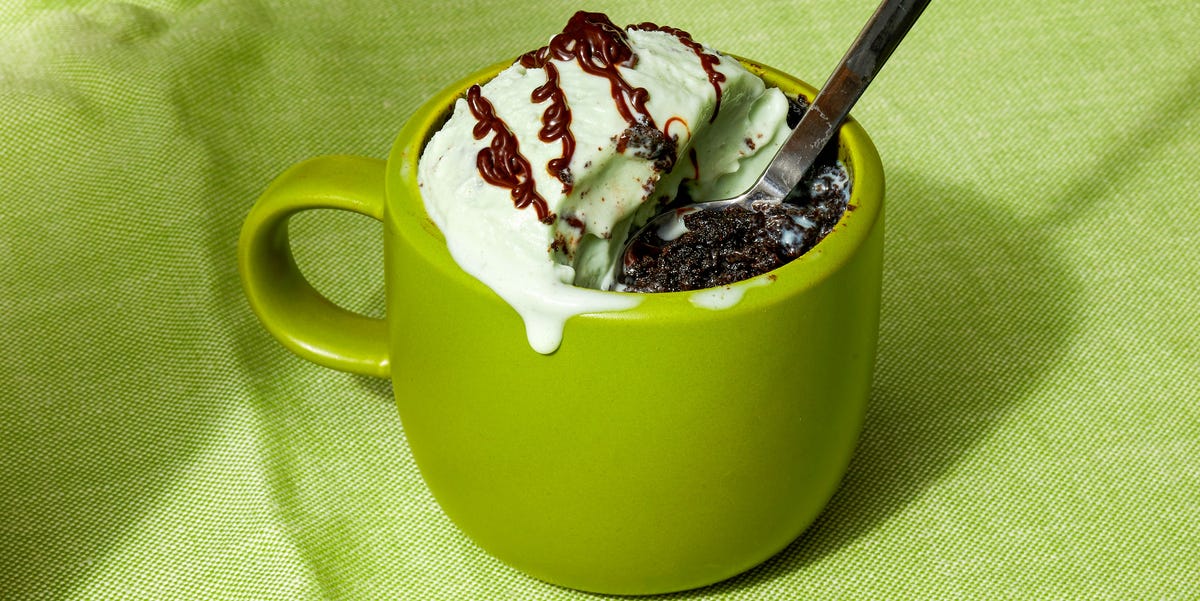
This quick dessert begins as a soft, chocolatey Oreo mug cake made in the microwave. While it is still warm, you pile on vanilla ice cream, whipped cream, hot fudge, crushed cookies, and a cherry. The finished dessert has everything a proper sundae should offer: warm cake, cold ice cream, creamy filling, crunchy cookie pieces, and enough chocolate sauce to make a napkin mandatory.
Better yet, the entire recipe is made in one mug and takes only a few minutes. No mixer, no oven, no cake pan, and no awkward attempt to explain why you baked a full-size layer cake at 10:30 p.m.
What Is an Oreo Sundae Cake?
An Oreo sundae cake is a warm, single-serving cookies-and-cream cake topped like an ice cream sundae. It combines the speed of an Oreo mug cake with the dramatic toppings of a restaurant dessert.
The cake base is made by crushing Oreo cookies and mixing them with milk, flour, baking powder, and a small amount of oil. The cookies provide cocoa flavor, sweetness, fat, and their signature vanilla creme. The extra flour gives the dessert a more dependable cake-like structure, while the oil helps prevent the crumb from becoming rubbery.
Once microwaved, the cake should be soft and moist rather than dry and springy. Mug cakes continue cooking briefly after the microwave stops, so removing the cake while the center still looks slightly moist usually gives a better result than cooking it until it resembles a chocolate hockey puck. Tested mug-cake recipes commonly use a roomy 12-ounce or larger microwave-safe mug and relatively short cooking times.
Why This Oreo Mug Cake Recipe Works
Crushed Oreos become the flavor base
Finely crushed Oreo cookies absorb the milk and soften into a thick chocolate batter. Crushing them thoroughly matters. Large cookie chunks are delicious as a topping, but inside the batter they can create dry pockets and uneven cooking.
A little baking powder prevents a dense result
Oreo cookies alone can produce a fudgy, pudding-like cake. That is not necessarily a tragedy, but adding baking powder creates lift and gives the dessert a lighter crumb. Popular three-ingredient versions also rely on baking powder to transform crushed cookies and milk into a more recognizable cake.
Oil keeps the cake tender
One teaspoon of neutral oil may seem insignificant, but it improves the texture, especially if your microwave runs hot. Vegetable, canola, avocado, or another mild oil works well. Melted butter can also be used for a richer flavor.
The toppings balance temperature and texture
The magic happens when cold vanilla ice cream meets the warm cake. Some ice cream melts into the crumb, creating a creamy sauce, while the remaining scoop stays cold enough to provide contrast. Crushed Oreos add crunch, whipped cream adds lightness, and hot fudge makes the whole operation wonderfully unreasonable.
Ingredients for the Best Oreo Sundae Mug Cake
For the Oreo mug cake
- 5 regular Oreo cookies
- 3 tablespoons whole milk
- 1 tablespoon all-purpose flour
- 1/4 teaspoon baking powder
- Pinch of salt
- 1 teaspoon vegetable oil or melted butter
- 1 tablespoon mini chocolate chips, optional
- 1/4 teaspoon vanilla extract, optional
For the sundae topping
- 1 small scoop vanilla or cookies-and-cream ice cream
- 1 to 2 tablespoons warm hot fudge sauce
- Whipped cream
- 1 Oreo cookie, roughly crushed
- Chocolate sprinkles, chopped nuts, or mini chocolate chips, optional
- 1 maraschino cherry, optional but highly theatrical
Regular Oreo cookies are the easiest choice because their cookie-to-creme ratio creates a balanced batter. Double Stuf Oreos can be used, but the cake may be sweeter and slightly softer. If using them, add another teaspoon of flour if the batter appears unusually loose.
How to Make Oreo Mug Cake
Step 1: Choose the right mug
Use a microwave-safe mug with a capacity of at least 12 ounces. A 14- to 16-ounce mug provides even more insurance against overflow. Do not fill the mug more than halfway with batter because the cake needs room to rise.
Step 2: Crush the Oreo cookies
Place five Oreos in the mug. Crush them with a fork until the mixture resembles coarse crumbs. Continue pressing and stirring until there are no large dry cookie pieces.
For the smoothest cake, crush the cookies in a resealable bag first, then transfer the crumbs to the mug. This also gives you an excellent excuse to hit cookies with a rolling pin, which is cheaper than therapy and comes with dessert.
Step 3: Add the milk
Pour in the milk and stir thoroughly. Let the mixture stand for about 30 seconds, then mash it again. The crumbs should soften into a thick, dark paste.
Step 4: Finish the batter
Add the flour, baking powder, salt, oil, and vanilla. Stir until no dry streaks remain, scraping the bottom and sides of the mug. Fold in the mini chocolate chips, if using.
The finished batter should resemble thick brownie batter. If it looks dry or crumbly, stir in one additional teaspoon of milk. Avoid adding a large splash because excess liquid can produce a gummy center.
Step 5: Microwave carefully
Microwave on high for 50 seconds. Check the cake, then continue cooking in 10-second intervals until the top looks mostly set but still slightly moist in the center.
Most microwave ovens will require approximately 60 to 80 seconds, although exact timing varies with wattage, mug shape, and ingredient temperature. Many tested microwave cake recipes fall within a similar short cooking range and emphasize stopping before the cake dries out.
Step 6: Let the cake rest
Allow the Oreo mug cake to stand for one to two minutes. The mug will be hot, and the center will continue setting as it rests. This brief pause also keeps the ice cream from disappearing immediately into a dairy puddle.
Step 7: Turn it into a sundae
Top the warm cake with vanilla ice cream. Drizzle with hot fudge, add whipped cream, and sprinkle with crushed Oreo pieces. Finish with chocolate sprinkles, nuts, or a cherry.
Serve immediately, preferably with a spoon sturdy enough to reach the cake beneath the toppings.
The Three-Ingredient Oreo Mug Cake Shortcut
For an even faster version, you can make a basic Oreo mug cake with only cookies, milk, and baking powder.
- 4 Oreo cookies
- 3 tablespoons milk
- 1/4 teaspoon baking powder
Crush the cookies finely in a large microwave-safe mug. Stir in the milk and baking powder until smooth. Microwave for 50 seconds, then add 10-second intervals as needed.
This shortcut produces a soft, fudgy dessert with strong Oreo flavor. The main recipe has a slightly more structured crumb because it includes flour and oil, but the three-ingredient method is perfect when your pantry is nearly empty and your dessert standards remain impressively high.
Common Oreo Mug Cake Mistakes
Using a mug that is too small
A small mug encourages overflow. The batter rises quickly in the microwave, and cleaning cooked chocolate batter from the microwave turntable is not the grand finale anyone requested.
Leaving large cookie pieces in the batter
Big Oreo chunks do not absorb the milk evenly. Crush the cookies finely for the batter and reserve chunky pieces for the topping, where their crunch can be properly appreciated.
Overmixing after adding flour
Stir until the flour disappears, but do not vigorously beat the batter for several minutes. Excessive mixing can make the finished cake firmer and chewier.
Overcooking the cake
A mug cake can go from moist to dry within seconds. Begin with the shorter cooking time and add brief intervals. The center should look set around the edges and slightly soft in the middle.
Adding ice cream immediately
If the cake is bubbling hot, the ice cream will melt before you can add the whipped cream. Let the cake rest for at least one minute. You want a controlled melt, not a vanilla evacuation.
Oreo Sundae Cake Variations
Peanut butter Oreo mug cake
Drop one teaspoon of creamy peanut butter into the center of the batter before microwaving. Do not stir it completely. The peanut butter becomes a warm, soft filling surrounded by chocolate cake.
Mint cookies-and-cream sundae
Use mint-flavored Oreo cookies and top the cake with mint chocolate chip ice cream. Add chocolate sauce and crushed peppermint candy for a holiday version.
Birthday cake sundae
Use Birthday Cake Oreos, vanilla ice cream, rainbow sprinkles, and whipped cream. Add a candle if the occasion demands itor if it is Tuesday and you believe Tuesday deserves recognition.
Mocha Oreo mug cake
Dissolve 1/4 teaspoon instant espresso powder in the milk before adding it to the crushed cookies. Coffee deepens the chocolate flavor without turning the dessert into a cup of coffee.
Salted caramel Oreo sundae
Replace the hot fudge with caramel sauce and add a small pinch of flaky sea salt. Chopped toasted pecans provide crunch and keep the dessert from feeling one-dimensional.
Extra-fudgy chocolate version
Press a square of chocolate or one tablespoon of chocolate chips into the center of the batter. As the cake cooks, the chocolate melts into a soft center similar to a miniature lava cake. Mug-cake recipes often use chocolate pieces for additional moisture and a molten texture.
Can You Make Oreo Mug Cake Without Milk?
Yes. Unsweetened almond milk, oat milk, soy milk, or coconut milk can replace dairy milk in the same quantity. Water also works in an emergency, although the flavor will be less creamy.
For a richer dairy-free cake, use oat milk and vegetable oil. Check the labels on your cookies, ice cream, whipped topping, and sauces if you are preparing the dessert for someone with an allergy or dietary restriction.
Can You Make It Without Baking Powder?
You can omit the baking powder, but the cake will be denser and more brownie-like. To improve the texture, add an extra teaspoon of milk and avoid overcooking it.
Another option is to use one tablespoon of self-rising flour instead of the all-purpose flour and baking powder. Because brands vary, you may still need to adjust the batter with a teaspoon of milk.
How to Serve an Oreo Sundae Cake
This dessert is designed to be eaten immediately. Serve it directly in the mug for minimal cleanup, or carefully loosen the edges with a thin knife and turn the cake onto a shallow bowl before adding the toppings.
For a party, set up a mug-cake sundae bar. Microwave the cakes one at a time, then let guests choose their own ice cream, sauces, cookie crumbs, sprinkles, berries, marshmallows, or chopped candy. Individual servings make customization easy and eliminate arguments about who received the larger slice. That is not merely dessert preparation; it is conflict prevention.
My Experience Making Oreo Sundae Cake Five Different Ways
The first time I made an Oreo mug cake, I used the simplest possible formula: cookies and milk. The result tasted good but had the structural integrity of warm pudding. It was rich, chocolatey, and perfectly edible, but calling it “cake” required a generous interpretation of architecture.
Adding baking powder improved the second attempt immediately. The batter rose higher and became lighter, although the center remained extremely soft. I also learned that a narrow mug cooks less evenly than a wide one. The cake near the edges became firm while the center stayed almost liquid. A wider 14-ounce mug produced a more consistent texture because the batter formed a shallower layer.
For the third test, I added one tablespoon of flour. This was the turning point. The finished dessert still tasted unmistakably like Oreo cookies, but it held together like a real cake. It was soft enough to absorb melting ice cream without instantly dissolving. The extra flour also made the cake easier to remove from the mug, although eating it directly from the mug remained the sensible choice.
The fourth version included a teaspoon of vegetable oil and mini chocolate chips. The oil created a noticeably softer crumb, particularly around the edges, while the chips formed little pockets of melted chocolate. This version stayed moist even after cooling for several minutes. It was also the point at which the dessert stopped pretending to be a modest snack and became a full-scale chocolate event.
The biggest lesson involved cooking time. My microwave cooked the cake properly at about 65 seconds. At 80 seconds, it was still enjoyable but noticeably drier. At 95 seconds, it could probably have been used to repair a small hole in drywall. Short cooking intervals are not fussy recipe-writing theater; they genuinely matter.
I also compared toppings. Cookies-and-cream ice cream sounded like the obvious winner, but vanilla ice cream created a better contrast. The plain vanilla flavor allowed the Oreo cake and hot fudge to stand out. Cookies-and-cream ice cream made the dessert more intense, which was excellent for committed Oreo enthusiasts but slightly less balanced.
Whipped cream worked best when added after the ice cream rather than directly onto the hot cake. When placed on the cake first, it melted almost immediately and disappeared into the surface. Added last, it remained fluffy long enough to make the dessert look like a proper sundae rather than the aftermath of a minor weather event.
The best crunchy topping was a roughly broken Oreo added just before serving. Finely ground crumbs looked attractive but softened quickly. Larger pieces stayed crisp and gave each spoonful a useful contrast to the warm cake and melting ice cream.
Finally, I tested the recipe with almond milk, oat milk, and water. Oat milk produced the creamiest dairy-free version. Almond milk worked well but created a slightly lighter cake. Water was acceptable when no milk was available, although adding vanilla and oil became more important because the batter lacked richness.
After all five tests, the winning formula was clear: five Oreos, three tablespoons of milk, one tablespoon of flour, a quarter teaspoon of baking powder, a pinch of salt, and one teaspoon of oil. Cook it just until set, rest it briefly, and add vanilla ice cream, hot fudge, whipped cream, and chunky Oreo pieces.
The final dessert tastes far more elaborate than the effort suggests. It has the nostalgic flavor of cookies dunked in milk, the warmth of freshly baked chocolate cake, and the glorious excess of an ice cream sundae. It also creates only one dirty mug, which may be its most sophisticated feature.
Final Thoughts
The best Oreo sundae cake does not require an oven, a mixer, or an afternoon of preparation. With a handful of ingredients and roughly one minute of microwave time, crushed Oreo cookies become a warm, tender cake ready for ice cream and every topping your kitchen can provide.
Use a large mug, crush the cookies thoroughly, and stop microwaving while the center is still slightly moist. After a short rest, add cold vanilla ice cream, hot fudge, whipped cream, and crunchy Oreo pieces. The result is fast enough for a weeknight craving but fun enough for birthdays, sleepovers, movie nights, and emergency chocolate situations.
Editorial note: This original recipe and troubleshooting guide were developed by synthesizing tested microwave-cake, Oreo dessert, chocolate cake, and ice cream cake techniques from established U.S. cooking publications and brand test kitchens, including Allrecipes, Food Network, King Arthur Baking, Taste of Home, Serious Eats, Sally’s Baking Addiction, Betty Crocker, Hersheyland, Better Homes & Gardens, EatingWell, Delish, and Oreo.