
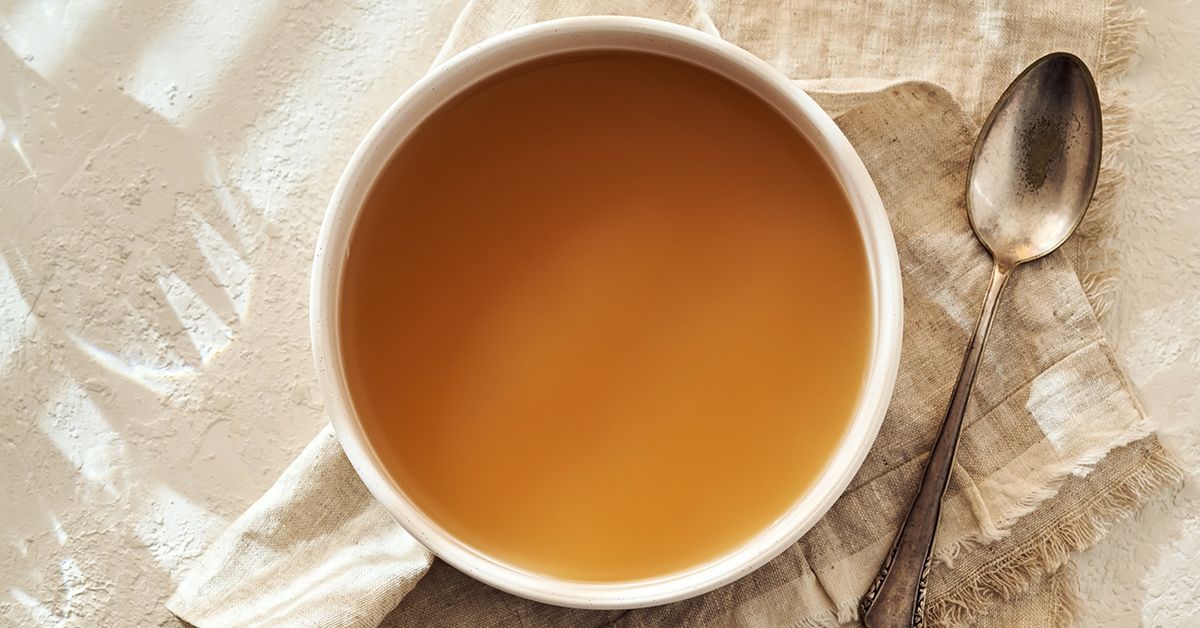
Eczema is already dramatic enough without the internet handing it a soup ladle and promising miracles. One week, someone says to cut out dairy. The next week, a wellness influencer swears that bone broth healed their skin, fixed their gut, organized their pantry, and made their dog respect them more. So let’s ask the sensible question: bone broth for eczemacan it help?
The honest answer is: maybe a little, indirectly, for some peoplebut it is not an eczema cure. Bone broth can be a nourishing, protein-rich food that fits nicely into an anti-inflammatory eating pattern. It contains amino acids from collagen, warm hydration, and minerals in small amounts. But there is currently no strong clinical evidence showing that drinking bone broth directly treats atopic dermatitis, the most common form of eczema.
That does not mean bone broth is useless. It means we should put it in the right category: supportive food, not magic potion. Think of it as a cozy team player, not the dermatologist.
What Is Eczema, Really?
Eczema is a group of inflammatory skin conditions that can cause dry, itchy, red, cracked, scaly, or irritated skin. Atopic dermatitis is the type most people mean when they say “eczema.” It often involves a weakened skin barrier and an overactive immune response. In plain English, the skin’s “brick wall” gets leaky, moisture escapes, irritants sneak in, and the immune system starts acting like every dust particle is a villain in a superhero movie.
Common eczema triggers include dry weather, harsh soaps, fragrances, sweat, stress, allergens, rough fabrics, skin infections, and sometimes certain foods in people with true food allergies. Because eczema can be itchy enough to make a grown adult negotiate with their elbows at 2 a.m., it is understandable that people look for dietary solutions. Food feels controllable. Unfortunately, eczema is rarely controlled by one food or one supplement alone.
What Is Bone Broth?
Bone broth is made by simmering animal bonesoften chicken, beef, turkey, or fish boneswith water, vinegar, herbs, vegetables, and sometimes spices for several hours. The long simmer breaks down connective tissue and releases gelatin, amino acids, and small amounts of minerals into the liquid.
Compared with regular broth, bone broth is usually cooked longer and often contains more gelatin and protein. A cup may provide roughly 8 to 10 grams of protein, depending on the recipe or brand. That amount varies widely, which is important. Homemade broth from knuckle bones, chicken feet, marrow bones, or oxtail may be richer than a thin boxed version from the grocery store. Not all broths are created equal; some are basically warm flavored water wearing a “wellness” hat.
Why People Think Bone Broth May Help Eczema
The connection between bone broth and eczema usually comes from three ideas: collagen, gut health, and inflammation. These ideas are not ridiculous, but they are often oversold.
1. Bone Broth Contains Collagen-Derived Amino Acids
When collagen cooks down, it becomes gelatin. Gelatin contains amino acids such as glycine, proline, hydroxyproline, and glutamine. These amino acids support many normal body functions, including tissue repair and protein metabolism. Since the skin uses proteins to maintain structure and repair damage, people naturally wonder whether drinking collagen-rich broth can improve eczema-prone skin.
Here is the catch: when you eat collagen or gelatin, your body breaks it down into amino acids and peptides. It does not send the collagen straight to your elbow patch like a tiny construction crew with hard hats. Your body decides where those building blocks go. Collagen supplements have some research behind them for skin hydration and elasticity, but eczema is not simply a collagen shortage. Eczema is a complex inflammatory skin-barrier condition.
2. Bone Broth Is Linked to “Gut Health”
Many eczema discussions eventually arrive at the gut-skin connection. The gut microbiome, immune system, inflammation, and skin barrier all interact. Some research suggests that probiotics, dietary patterns, and gut health may influence atopic dermatitis in certain people. However, the evidence is mixed, and no single gut-healing food has been proven to cure eczema.
Bone broth may support a balanced diet because it is warm, hydrating, and protein-containing. It can also replace ultra-processed snacks or high-sodium instant soups if you make it wisely. But claims that bone broth “seals the gut” or “cures leaky gut eczema” are much stronger than the evidence allows. The gut is not a zipper, and bone broth is not a maintenance man with a toolbox.
3. It Fits Into an Anti-Inflammatory Diet
An overall anti-inflammatory eating pattern may help some people manage eczema flares. That usually means plenty of vegetables, fruits, whole grains, beans, lentils, nuts and seeds if tolerated, fatty fish, olive oil, and fewer heavily processed foods, sugary snacks, and excess alcohol. Bone broth can fit into this pattern, especially as a base for vegetable soup, lentil stew, rice dishes, or slow-cooked meals.
But bone broth alone is not an anti-inflammatory diet. Drinking a mug of broth after a day of pastries, stress, no sleep, and fragrance-heavy body wash is like bringing a violin to a thunderstorm. Nice, but probably not enough.
So, Can Bone Broth Help Eczema?
Bone broth may help indirectly if it improves your overall nutrition, helps you stay hydrated, replaces less nutritious foods, or supports a calming meal routine. It may be especially useful for people who struggle to get enough protein or who enjoy warm, savory foods that feel gentle during stressful flare periods.
However, there is no high-quality evidence proving that bone broth directly reduces eczema severity, stops itching, repairs the skin barrier, or prevents flares. If someone says bone broth “healed my eczema,” that may be their personal experience, but it does not mean the same thing will happen for everyone.
Eczema responds best to a consistent plan: fragrance-free moisturizers, gentle cleansing, trigger management, prescription treatments when needed, and medical guidance for moderate to severe symptoms. Food can support the body, but it should not replace proven eczema care.
Potential Benefits of Bone Broth for Eczema-Prone People
Protein Support
Skin repair requires adequate protein. If your diet is low in protein, adding bone broth may help fill a small gap. It is not a complete meal by itself, but it can contribute to daily protein intake. For a more balanced option, use bone broth in soups with chicken, beans, lentils, tofu, vegetables, or whole grains.
Hydration With Flavor
Hydration will not cure eczema, but being underhydrated can make skin feel drier and less comfortable. Bone broth provides fluid and electrolytes, which may be helpful if you prefer savory drinks over plain water. Just watch the sodium, because some store-bought broths are salty enough to make your blood pressure raise an eyebrow.
Comfort During Flares
Eczema flares can be physically and emotionally exhausting. Warm broth may offer comfort, especially when itching disrupts sleep or stress levels rise. The ritual of sipping something warm can help people slow down, eat more mindfully, and avoid scratching out of frustration. Comfort is not the same as treatment, but it still matters.
A Better Base for Nutrient-Dense Meals
One of bone broth’s best uses is as a cooking liquid. Use it to make vegetable soup, quinoa, brown rice, oatmeal with savory toppings, mashed sweet potatoes, or braised greens. This matters because the best eczema diet is usually not about one heroic ingredient. It is about the overall pattern of what you eat day after day.
Possible Downsides and Risks
High Sodium
Commercial bone broth can be high in sodium. Adults are generally advised to limit sodium to less than 2,300 milligrams per day, and many Americans already exceed that amount. If you have high blood pressure, kidney disease, heart disease, or fluid retention, choose low-sodium broth or ask your healthcare provider how much is appropriate.
Food Allergies and Sensitivities
Some people with eczema also have food allergies. If you are allergic to chicken, beef, fish, celery, onion, garlic, or herbs used in a broth, that broth could trigger symptoms. A true food allergy may cause hives, swelling, vomiting, wheezing, or anaphylaxis and should be handled with medical guidance.
Overpromising and Delayed Treatment
The biggest risk is not the broth itself. It is believing broth can replace medical care. Untreated eczema can lead to skin infections, sleep loss, anxiety, and worsening inflammation. If your eczema is spreading, oozing, crusting, painful, bleeding, or keeping you awake, broth is not the main character. Please involve a dermatologist or qualified healthcare professional.
Food Safety Problems
Homemade bone broth must be cooled, stored, and reheated safely. Refrigerate it promptly, use clean containers, and freeze portions you will not use within a few days. Long-simmered broth left sitting on the counter is not “extra fermented.” It is a science fair project with bad intentions.
Bone Broth vs. Collagen Supplements for Eczema
Collagen supplements provide a more concentrated and standardized dose of collagen peptides than bone broth. Some studies suggest collagen peptides may support skin hydration and elasticity, but that research does not prove they treat eczema. Bone broth is less predictable because the amount of collagen, gelatin, minerals, and protein varies from batch to batch.
If your goal is general skin support, either bone broth or collagen peptides may fit into a balanced diet. If your goal is eczema treatment, neither should replace moisturizers, prescribed anti-inflammatory creams, trigger control, or professional care. Eczema is not just “dry skin needing collagen.” It is a skin-barrier and immune-system condition.
Should You Try an Elimination Diet Instead?
Be careful. Broad elimination diets are not recommended for most people with eczema unless a healthcare professional identifies a specific food allergy or intolerance. Cutting out dairy, eggs, gluten, soy, nuts, and other foods “just in case” can lead to nutrient deficiencies, stress, disordered eating, and in children, poor growth. Some evidence also suggests unnecessary avoidance may increase the risk of developing food allergies.
If you suspect a food trigger, keep a food and symptom diary for a few weeks. Look for consistent patterns, not one random flare after tacos. Eczema can flare from weather, pollen, sweat, stress, infection, laundry detergent, or a mystery irritant hiding in your new “natural lavender mountain breeze” soap. Work with a doctor, dermatologist, allergist, or registered dietitian before removing major food groups.
How to Use Bone Broth Safely If You Have Eczema
Choose Low-Sodium Options
Look for “low sodium” or “no salt added” on labels. If the broth tastes like the ocean got a parking ticket, dilute it with water and use herbs, lemon, ginger, or vegetables for flavor.
Start Small
Try half a cup to one cup a few times per week and watch how your body responds. There is no official eczema dose for bone broth because it is not an eczema medication.
Use It in Real Meals
Add bone broth to vegetable soup, chicken soup, turkey chili, rice, lentils, or sauces. Pair it with colorful plants and healthy fats. Your skin does not only want broth; it wants a full nutrition orchestra.
Avoid Ingredients You Know Trigger Symptoms
If onions, garlic, tomatoes, spicy peppers, or certain meats seem to bother you, choose a simpler recipe. Homemade broth gives you more control over ingredients than packaged versions.
Keep Your Eczema Routine
Continue using fragrance-free moisturizers, gentle cleansers, lukewarm baths or showers, and prescribed medications as directed. Apply moisturizer soon after bathing to lock in water. Bone broth belongs in the kitchen, not in place of your treatment plan.
Simple Eczema-Friendly Bone Broth Recipe Idea
Here is a basic, flexible approach:
- 2 to 3 pounds chicken, turkey, or beef bones
- 10 to 12 cups water
- 1 tablespoon apple cider vinegar
- Carrots, celery, parsley, or tolerated herbs
- Optional: ginger or turmeric for flavor
- Salt added lightly at the end, or skipped entirely
Place everything in a large pot or slow cooker. Simmer gently for several hours, strain, cool quickly, and refrigerate or freeze. Skim excess fat if desired. Use it as a sipping broth or cooking base. If you have food allergies, keep the ingredient list short and predictable.
When to Talk to a Doctor
Talk to a healthcare professional if eczema is severe, painful, infected, spreading, or interfering with sleep. Also get help if a child has moderate to severe eczema and you suspect food allergies. Children under five with persistent eczema may need targeted allergy evaluation, but broad food panels can create confusion because false positives are common.
You should also seek medical care if food causes immediate symptoms such as hives, swelling, vomiting, coughing, wheezing, throat tightness, or dizziness. That is not a “skin detox.” That could be an allergic reaction.
Real-Life Experience: What Trying Bone Broth for Eczema May Feel Like
People who try bone broth for eczema often begin with high hopes. The idea sounds wonderfully simple: drink something warm, natural, and old-fashioned, and maybe the angry red patches will calm down. In practice, the experience is usually more subtle. A person might start by drinking one mug of chicken bone broth in the morning or using beef bone broth as the base for dinner soups. During the first week, they may notice comfort more than visible skin change. The broth feels soothing, helps them eat a more balanced breakfast, or stops them from reaching for salty chips at night. That is still a win, even if the eczema does not dramatically pack its bags and leave town.
By the second or third week, the real value may come from routine. Someone who prepares bone broth soup with carrots, greens, rice, and shredded chicken is not just drinking broth. They are building a nourishing meal. They may also become more aware of triggers because they are paying attention to food, sleep, stress, weather, and skincare. This is where a food diary can be useful. If eczema improves, the improvement may come from several changes at once: fewer processed foods, better hydration, more protein, less alcohol, improved sleep, and consistent moisturizer use. Bone broth might be part of the story, but it may not deserve the whole trophy.
Some people notice no difference at all. Their skin may continue to flare because the main triggers are dust mites, sweat, stress, pollen, fragrance, wool clothing, or an undertreated inflammatory cycle. That can feel disappointing, especially when online stories make bone broth sound like liquid Photoshop for the skin. But no response does not mean you failed. It simply means eczema is complicated, and your skin may need different support.
Others may find bone broth inconvenient. Homemade broth takes time, smells strong while cooking, and occupies precious freezer space next to the forgotten bananas of good intentions. Store-bought broth is easier, but labels matter. Some brands contain high sodium, yeast extract, onion, garlic, spices, or other ingredients that may not suit everyone. A low-sodium, simple-ingredient broth is usually the safest place to start.
A practical experience-based approach is to test bone broth like a calm scientist, not a desperate wizard. Keep your normal eczema treatment steady. Add bone broth two to four times per week for a month. Track itch level, sleep quality, skin dryness, redness, and any digestive symptoms. If it helps you feel better and fits your budget, keep it. If it does nothing, let it go without guilt. Your skin-care shelf and grocery cart do not need another dramatic relationship.
The best stories are usually balanced ones. Bone broth may become a comforting part of an eczema-friendly lifestyle: a mug after a chilly walk, a soup base during flare weeks, or a protein boost when appetite is low. But the foundation still matters most: moisturize daily, avoid known irritants, treat inflammation early, sleep when possible, manage stress, and ask for medical help when eczema is stubborn. Bone broth can sit at the table. It just should not sit in the doctor’s chair.
Conclusion: Is Bone Broth Worth Trying for Eczema?
Bone broth can be a healthy addition to an eczema-conscious diet, especially when it is low in sodium, made with tolerated ingredients, and used as part of balanced meals. It may provide protein, collagen-derived amino acids, hydration, and comfort. For some people, those benefits may indirectly support better skin health.
But bone broth is not a proven eczema treatment. It should not replace moisturizers, prescription therapies, allergy care, or a dermatologist’s advice. The smartest approach is simple: enjoy bone broth if you like it, choose it carefully, track your own response, and keep your expectations realistic. In the world of eczema, realistic expectations are not boringthey are skin-saving.
Note: This article is for educational purposes only and is not a substitute for medical advice. Anyone with severe eczema, suspected food allergy, infection, or symptoms affecting sleep and daily life should consult a qualified healthcare professional.













